





Introduction: A Culinary Adventure in the Heart of Venice
Venice is a city you taste as much as you admire. Every alleyway, campiello and market stall tells a story of water, trade and flavor. Among the city’s countless culinary pleasures, cicchetti — those small bites served in bacari (traditional Venetian bars) — are a true local institution. Among them, polenta served as cicchetti holds a special spot: simple, filling, versatile and incredibly tasty, it links northern Italy’s peasant traditions to Venice’s urban popular cuisine.
Originally a cornmeal porridge, polenta has evolved over the centuries into a flexible ingredient: it can be served creamy, cooled then sliced and grilled or fried. In Venice, bacaro chefs have adapted it to create cicchetti that range from rustic to refined — hot polenta crowned with a rich ragù, a crispy slice topped with marinated anchovies, or a melting bite with gorgonzola and walnuts. Eating polenta as cicchetti is a social ritual: you drink a glass of wine, nibble, chat and move from bar to bar — the famous « giro dei bacari. »
This article is written as an immersive guide for anyone who wants to discover polenta in Venetian cicchetti: we’ll point out iconic spots to try it, give precise addresses, practical details (hours, typical prices), and tips for recognizing the best polenta-and-topping pairings. You’ll also find sensory descriptions to help you picture the vibe in the bacari, recommended walking routes, and local tricks to avoid tourist traps while fully enjoying the tradition. Whether you’re a food lover, a curious traveler, or a fan of regional cuisine, this guide will help you plan a memorable culinary stroll.
Venice changes with the light, the hour and the tide; the cicchetti experience changes too depending on the time of day: for some it’s a savory breakfast, for others a snack after the Rialto market, an aperitif in the late afternoon, or a light meal after the theatre. Polenta cicchetti fit all those moments and pair nicely with a glass of local white wine (Soave, Pinot Grigio, local Prosecco) or a chilled spritz. Through this guide you’ll learn not only where to eat polenta, but how to enjoy it like a local — standing at a bacaro counter, sharing several small plates.
 Click here to book a cicchetti and wine food tour

Must-Visit Places to Try Polenta as Cicchetti
Some bacari and osterie stand out for their history, local clientele and the quality of their cicchetti. Here’s a curated list of spots where polenta shines, with addresses, indicative prices and opening hours.
Cantina Do Mori — Venice’s oldest bacaro
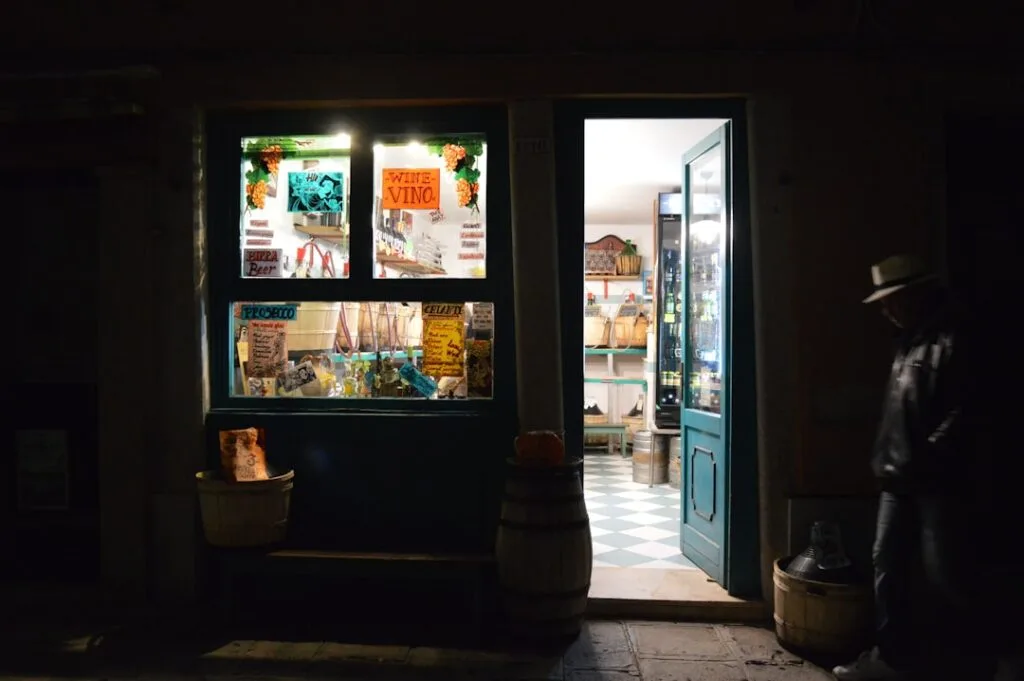
Cantina Do Mori is often mentioned as Venice’s oldest bacaro, a place of striking authenticity where time seems to have paused. Full name: Cantina Do Mori. Address: Calle dei Do Mori, 429, 30125 Venezia VE, Italy. The wooden counter, dark walls, weathered labels on bottles and a mixed crowd (locals, regulars, knowledgeable travelers) create the perfect atmosphere for a first polenta cicchetto.
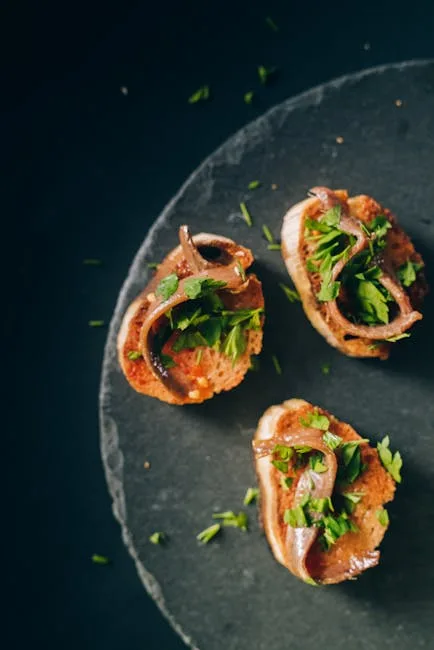
Opening hours: generally open Monday to Saturday, from 10:00 to 18:30 — often closed early in the evening (check locally: hours may vary). Prices: cicchetti range from €1.50 to €3.50, glasses of wine from €2.00 to €4.00. Polenta specialty: a grilled slice of polenta topped with marinated anchovies or a pistachio-and-anchovy compote depending on the season. The flavor balances the comforting quality of polenta with the saltiness of fish or the richness of cheese.
Osteria Alla Vedova — a classic near Campo Santi Giovanni e Paolo
Osteria Alla Vedova (often just called « Alla Vedova ») sits in the heart of Castello and is prized for its hearty cicchetti and arancini. Full name: Osteria Alla Vedova. Address: Campo Santi Giovanni e Paolo, Castello, 30122 Venezia VE, Italy. Hours: generally open from 11:00 to 22:30, sometimes closed for the midday service on certain days. Prices: cicchetti €2.00–€4.50, more elaborate dishes €10.00–€18.00.
Here polenta often appears in a more generous form: soft polenta topped with a pork or cuttlefish ragù, sometimes gratinéed with Parmesan. The setting mixes rustic tables with locals dropping by for a glass. Practical tip: arrive early in the evening if you want a seat; otherwise stand at the counter and help yourself during busy periods.
All’Arco — small bites near the Rialto Market
All’Arco is a must for anyone wandering around the Rialto Market. Full name: All’Arco Cicchetti Bar. Address: Calle dell’Arco, Sestiere San Polo, 5501, 30125 Venezia VE, Italy (just steps from the Rialto Bridge). Opening hours: often 09:00 to 19:00, closed on Sundays depending on the season. Prices: cicchetti €1.50–€3.00, spritz €2.50–€4.00.
Being close to the market guarantees fresh ingredients — shrimp, shellfish and seasonal vegetables often accompany the polenta. Expect thin slices of polenta, seared and topped with a brunoise of shellfish or a local pesto. Tip: combine a morning visit to the Rialto market (Mercato di Rialto) with an afternoon stop for cicchetti; that’s when market produce is at its freshest.
Click here to discover 10 cicchetti and wine pairings
Polenta Variations in Cicchetti: Techniques and Pairings
Polenta can be prepared and presented in many ways, and each bacaro develops its own combinations. Understanding these variations will help you choose and appreciate the subtle differences during your tasting.
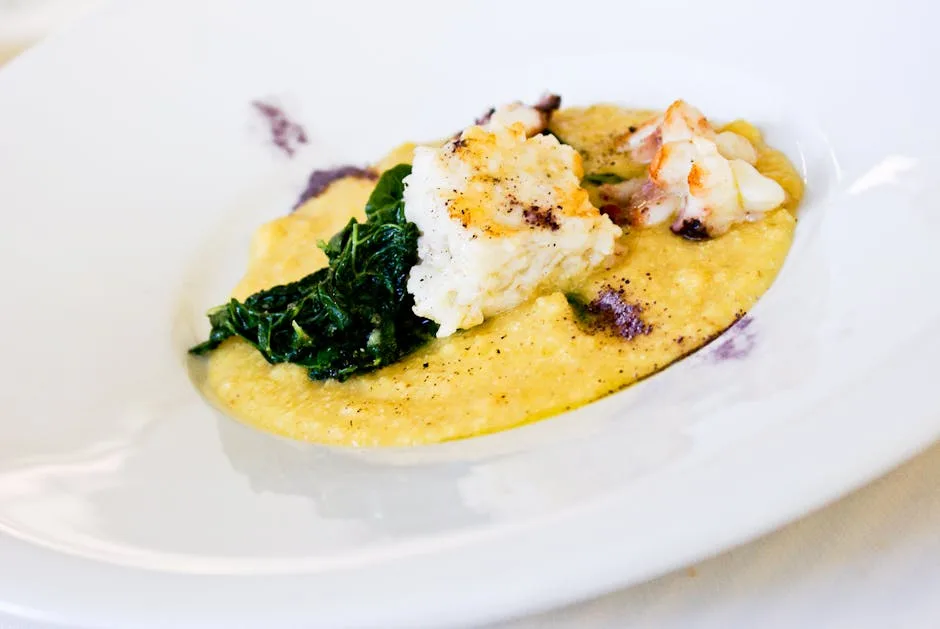
1) Creamy polenta (polenta morbida): served warm and silky, often spooned into a small bowl or onto a tasting spoon. It pairs perfectly with thick sauces: beef ragù (spezzatino), wild mushrooms, or cuttlefish in ink. Texture: melting, almost comforting; flavor: neutral, ready to carry bold seasonings.
2) Cooled and sliced polenta: the most typical form for cicchetti. After cooling, polenta is unmolded and cut into rectangles or rounds, then grilled, fried or pan-seared. This creates a golden crust with a firm interior. Common toppings: anchovies, local cheeses (asiago, gorgonzola), fish ragù, sun-dried tomatoes. This is the version you’ll see most often in bacari.
3) Fried polenta: a crunchy variation, sometimes breaded, served hot. Ideal with savory toppings like braised pork or garlic shrimp. The crispy exterior creates a pleasing textural contrast.
4) Sweet-and-salty polenta: rare but delightful — some places offer sweet-savory combinations, like polenta with fig compote and crispy pancetta, or polenta with honey and goat cheese. Try it if you like contrasts.
Tips for choosing: watch the topping first — if it’s very saucy (ragù), go for creamy polenta; if the topping is firm or marinated, pick grilled polenta. Ask the server (in Italian or English): « Questa è polenta morbida o polenta grigliata? » and let yourself be surprised.
Recommended Routes: Foodie Circuits to Taste Polenta
To fully enjoy the variety of polenta cicchetti, there’s nothing like following a walking route that mixes monuments, markets and bacari. Here are three itineraries depending on how much time you have.
Short route (2–3 hours): Rialto and surroundings
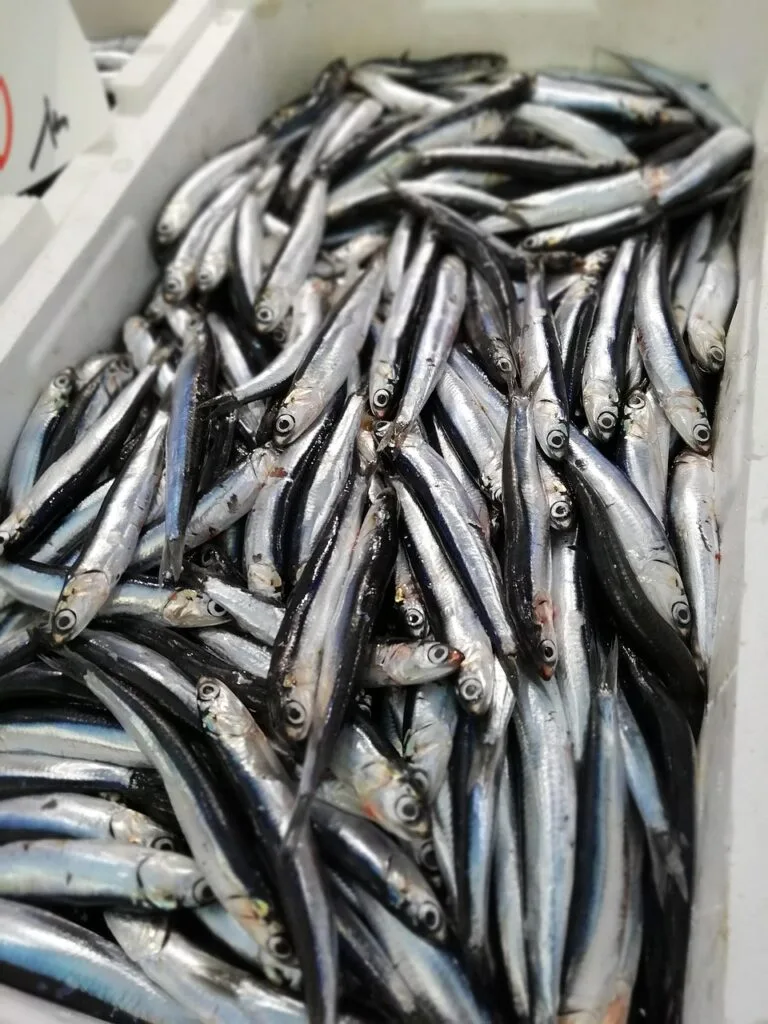
Start: Ponte di Rialto (Rialto Bridge, 30125 Venezia). Wander through the Rialto Market (Mercato di Rialto, Riva del Vin, 30125 Venezia), where colorful fish, fruits and vegetables make for a lively scene. Then head to All’Arco (Calle dell’Arco, Sestiere San Polo, 5501) for your first taste of grilled polenta with seafood. Continue to Cantina Do Mori (Calle dei Do Mori, 429) for a glass of wine and polenta with anchovies.
Practical tips: this route is great in the morning or early afternoon. Markets are liveliest early, and bacari are less crowded before 17:00. Bring a small water bottle and comfortable shoes — you’ll walk on uneven cobbles.
Classic route (4–6 hours): San Polo, Rialto, San Marco
Start: Campo San Polo (the large campo west of the Rialto Bridge). Visit the bacari of San Polo and try fried polenta. Cross to the Rialto market for a culinary experience, then head up to Piazza San Marco. Visit St. Mark’s Basilica (Basilica di San Marco, Piazza San Marco, 328, 30124 Venezia) and the Doge’s Palace (Palazzo Ducale, Piazza San Marco, 1, 30124 Venezia) and finish the day near the Accademia or in Castello for a final bacaro (Osteria Alla Vedova, Campo Santi Giovanni e Paolo).
Monument hours: St. Mark’s Basilica — paid entry for some areas, generally 09:30–17:00 depending on season; Doge’s Palace — hours vary, often 09:00–19:00 in high season. Indicative entry prices: Basilica (museum area) €3–€8, Doge’s Palace €25–€30. Check official sites before you go.
Long route (full day): Cannaregio and Castello
This route explores less touristy neighborhoods. Start at Santa Lucia train station, walk along the Cannaregio fondamenta stopping at local bacari — look for house-style polenta with beef ragù or smoked fish. Cross the Ponte della Costituzione toward San Marco and then on to Castello to finish the evening at Osteria Alla Vedova.
Timing tips: have a market-style lunch (multiple cicchetti) and save a more traditional bacaro for an aperitif. Bacari hours: many close between 18:00 and 20:00; some open later for evening service. Check locally, especially in low season.
Click here to book your tickets for the Doge’s Palace and St. Mark’s
Click here to discover the Rialto market and St. Mark’s
Practical Tips and Vocabulary to Eat Like a Local
Eating cicchetti in Venice follows simple but useful rules. Here’s a practical guide and a short glossary to help you blend in effortlessly.
- Comprare o servire: In some bacari, cicchetti are already laid out on the counter; in others you order at the bar. If you see small plates covering the counter, help yourself — otherwise ask « Posso avere un cicchetto? »
- Vino al bicchiere: Order an « ombra » (a glass of wine) to go with your cicchetti. Traditionally, a glass of wine is called an « ombra » in Venice — a historical term referring to taking a drink in the shade of the bell towers.
- Prices: Cicchetti usually cost between €1.50 and €4.50 depending on complexity. A glass of local wine often runs €2.00–€5.00.
- Giro dei bacari: The « tour of the bacari » consists of chaining together 3 to 6 stops, taking one or two cicchetti and a glass at each place — perfect for tasting different polenta styles.
- Etiquette: Stand at the counter if you can — it’s the most typical way. If you sit at a table, expect service to be slower sometimes.
- Language: Learn a few useful phrases: « Un’ombra di vino, per favore » (a glass of wine), « Posso avere la polenta con… » (polenta with…), « Il conto, per favore » (the bill).
Local tips: choose off-peak hours (11:00–15:00 or 16:00–19:00) to avoid tourist crowds. Look for bacari where the clientele is mainly local — a good sign. Ask the staff what the daily specials are; often the best polenta is made with ingredients that just arrived.
Drink Pairings: What to Match with Your Polenta
Polenta pairs easily with many wines and drinks. Here are classic matches and why they work.
- Prosecco Brut: Bubbles and acidity cleanse the palate after a fatty polenta or one rich in cheese. Typical price per glass in a bacaro: €2.50–€4.00.
- Soave: A dry white from the region — its bright acidity complements polenta with fish or shellfish.
- Red Veneto (Valpolicella or Merlot): Pairs with polenta served with meat ragù. A typical glass: €3.00–€5.00.
- Spritz: The iconic cocktail (Aperol, Prosecco, sparkling water) goes well with salty cicchetti. Price: €2.50–€5.00 depending on the spot.
Tip: if the polenta is very salty (anchovies, cured meats), choose a slightly acidic drink to balance it. If it’s creamy and cheesy, light bubbles work wonderfully.
Click here to join the ultimate cicchetti wine and spritz tour
Click here to taste Prosecco and Italian wines
Conclusion: Polenta as a Gateway to Authentic Venice
Eating polenta as cicchetti is not just a culinary act — it’s a social and cultural experience. Through these little bites you get a better sense of the region’s food history — a cuisine born from frugality and transformed into a creative repertoire by locals and chefs. The bacari, with their unpretentious and convivial atmosphere, offer direct contact with everyday Venetian life: people nibble, chat, laugh and toast. Places like Cantina Do Mori (Calle dei Do Mori, 429, 30125 Venezia) or the little osterie near the Rialto exemplify this tradition, offering polentas that are both simple and deeply satisfying.
By following the suggested routes, respecting opening times and embracing the spontaneity of service, you’ll increase your chances of a truly delicious stroll. Remember prices are very reasonable — cicchetti cost just a few euros — so you can sample many variations without breaking the bank. Stay curious: ask, taste, compare; every bacaro has its own take on polenta, whether grilled, creamy, fried or dressed with surprising ingredients.
Finally, polenta in cicchetti is an invitation to slow down and savor. Like Venice itself, it’s discovered by walking, stopping, listening to locals and accepting that some discoveries happen by chance. Take these practical tips with you, follow your nose and your appetite, and you’ll bring home not only photos of canals and landmarks (Ponte di Rialto, Piazza San Marco, Palazzo Ducale) but lasting taste memories of a city that knows how to celebrate its roots with a simple piece of polenta.

