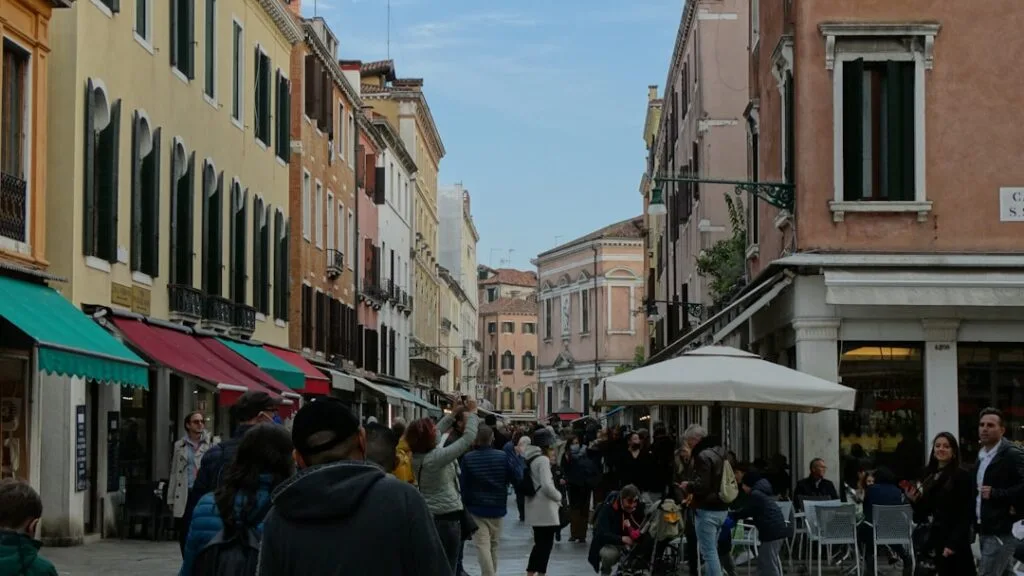






Introduction: Flavors, Colors and Craft — the Gourmet, Artisan Soul of Murano and Burano
Hidden in the Venetian lagoon just a few vaporetto stops from St. Mark’s Square, the islands of Murano and Burano form a unique duo that awakens the senses: the eyes are dazzled by stained glass and colorful façades, the nose by the scent of fried fish and freshly ground coffee, the touch by hot glass and delicate lace, and the palate by local specialties that tell stories of the sea and tradition. This article is an immersive invitation to tasting and shopping on these two emblematic lagoon islands: routes, exact addresses, opening hours, prices and practical tips to shop smart and eat like a local.
Murano, best known for its glassmaking, offers a true trip through time: from furnaces where glowing glass stretches under the precise gestures of master glassblowers to contemporary boutiques that showcase ancient techniques in modern design. Burano, on the other hand, charms with its brightly painted houses and lace workshops, and is also an island where lagoon cuisine — fish, shellfish and simple but tasty local recipes — takes center stage.
This guide not only lists must-see spots — like the Museo del Vetro in Murano and the Museo del Merletto in Burano — with exact addresses, hours and prices in euros, but it also describes the sensations: the crackle of the furnace, the flash of a murrina, the texture of embroidered fabric. You’ll find practical tips to spot a genuine Murano glass or a handmade lace piece, know when to visit to see the furnace in action, and how to negotiate or request a certificate of authenticity without offending the artisan.
Whether you’re a collector, an amateur photographer, a curious foodie or just out for a stroll, this dossier is designed to make every stop tasty and worthwhile: from precise restaurant recommendations and addresses (like Trattoria al Gatto Nero in Burano), to recommended glassworks and showrooms in Murano (for example Vetreria Artistica Colleoni), along with designer glass shops and local markets. Be ready to note addresses, opening times and practical prices, find the best hours for photos, and above all taste arancini, cuttlefish risotto and a locally made tiramisù.
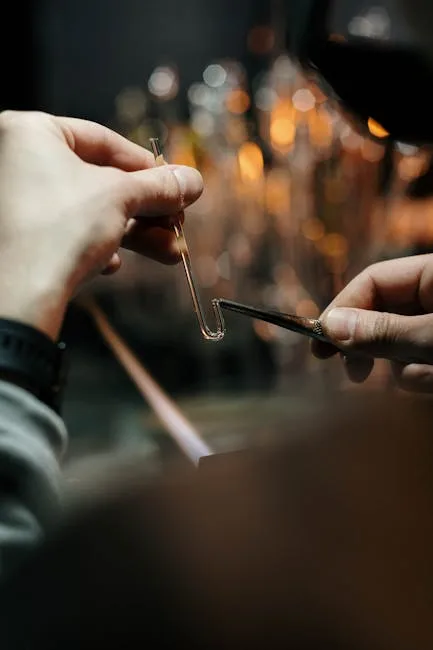
Murano: Where to Taste and Buy Blown Glass — A Detailed Route and Top Addresses
Murano has been synonymous with blown glass since the 13th century. For a full experience, start at the Museo del Vetro (Glass Museum), Fondamenta Giustinian 10, 30141 Murano, Venezia VE, Italy. The museum displays historical and contemporary pieces and helps you understand techniques like filigrana, murrina, sommerso and incalmo. Exact address: Museo del Vetro, Fondamenta Giustinian 10, 30141 Murano. Typical opening times: open Tuesday to Sunday, 10:30–17:00 (may be closed on Mondays), price: €8 for standard admission, €5 reduced (students/young people), free for children under 6. Check seasonal hours on the official site or on arrival.
After the museum, head to a few workshops where glass is still made in front of the public. For example:
- Vetreria Artistica Colleoni, Fondamenta dei Vetrai 12, 30141 Murano — workshop and shop. Hours: 09:30–18:00 daily. Free blowing demonstrations in the morning around 10:30. Indicative prices: small souvenirs €15–€40, exhibition pieces €120–€800 depending on size and complexity.
- Venini Showroom, Fondamenta dei Vetrai 16, 30141 Murano — showroom and sales. Hours: 10:00–18:00, closed Sunday. Designer pieces start around €200, artist vases €500–€5,000.
 Click here to book a glassblowing demonstration
Click here to Book a glassblowing demonstration in Murano
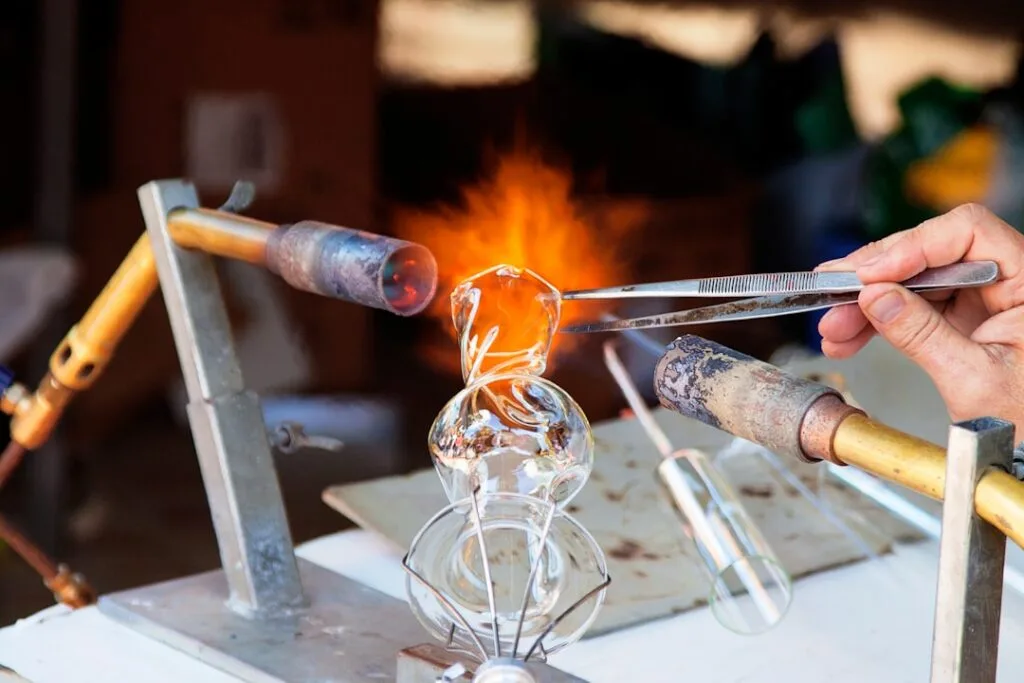
Practical tips for glass shopping:
- Ask for a certificate of authenticity that states « Vetro di Murano » — many reputable workshops provide a card or certified invoice.
- Observe the technique: a genuine blower works in front of you, the piece is hot, shiny and often numbered. Beware of shops selling « Murano-style » glass with no demonstration or clear origin.
- Prices: expect to pay more for rare techniques like filigrana (glass threads) or murrina (patterned canes). An authentic pendant can cost €30–€80, an artisanal vase €150–€1,000+.
- Transport: wrap your purchases carefully. Sellers may offer special packaging (€15–€40) or vacuum-sealed packing services for travel.
For a snack or a meal, try Trattoria alla Vecchia Pescheria, Campo Santo Stefano 30141 Murano (approximate address of the island’s central trattoria) — open 12:00–15:00 and 19:00–22:00; main courses €12–€22, seafood antipasti €8–€14. Try local classics: spaghetti alle vongole (clams), seppioline in umido (stewed cuttlefish) and baccalà mantecato, known for its creamy, salty texture.
Murano Glass Techniques and Terminology: Recognize Authenticity and Appreciate the Art
Understanding the terms and techniques will help you buy wisely and appreciate what you see. Here are the essential keywords:
- Murrina / Murrine: colorful patterns created by gathering and reworking glass canes (rods). Cross-sections of murrine reveal floral or geometric motifs.
- Filigrana: colored glass threads incorporated into the piece to trace delicate lines.
- Sommerso: a technique of layered clear and colored glass that creates depth effects.
- Incalmo: fusing two separately blown glass sections to create two distinct, joined colors without blending.
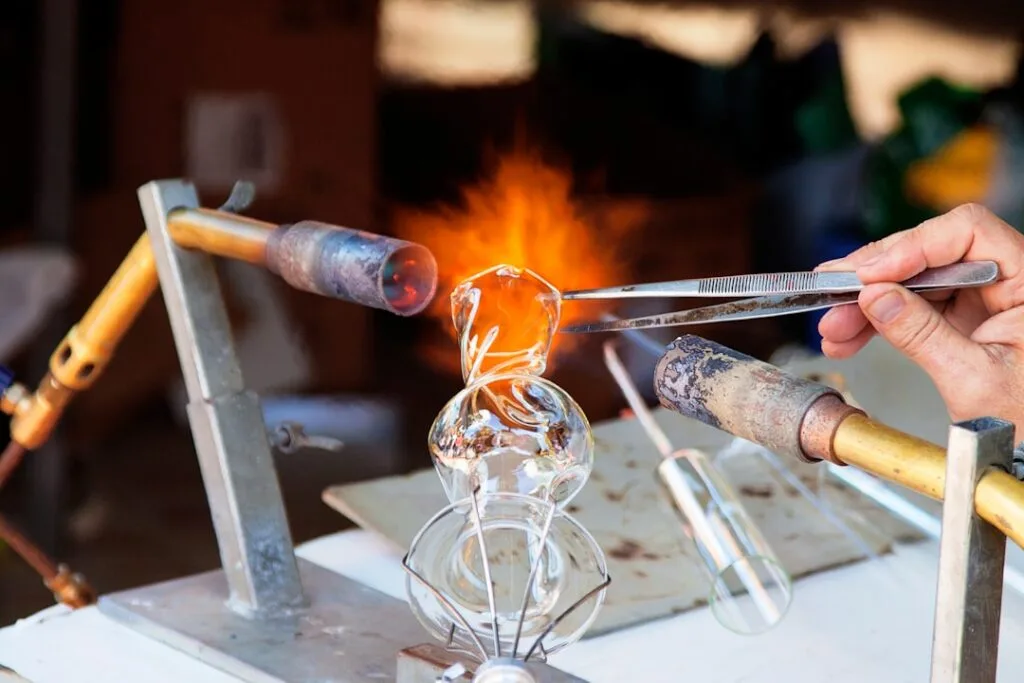
Demonstration workshops often offer explanations in Italian and English. Watch closely: a master glassblower works with a team — a « soffiatori » (blower) shapes the piece, an « assistente » holds it and supplies tools and glass. The clinking, quick gestures and the sound of heated metal are all part of the experience.
Price ranges and reference points:
- Pendants and small jewelry: €20–€80 depending on complexity.
- Medium vases (30–40 cm): €150–€600.
- Limited-edition artist pieces: €1,000–€10,000+.
Local tip: visit workshops just after opening (10:00–11:30) to see the hot stage when the glass is most malleable. Afternoons are often dedicated to finishing and polishing, less spectacular for live demonstrations.
Burano: Tasting Lagoon Flavors and Lace Workshops
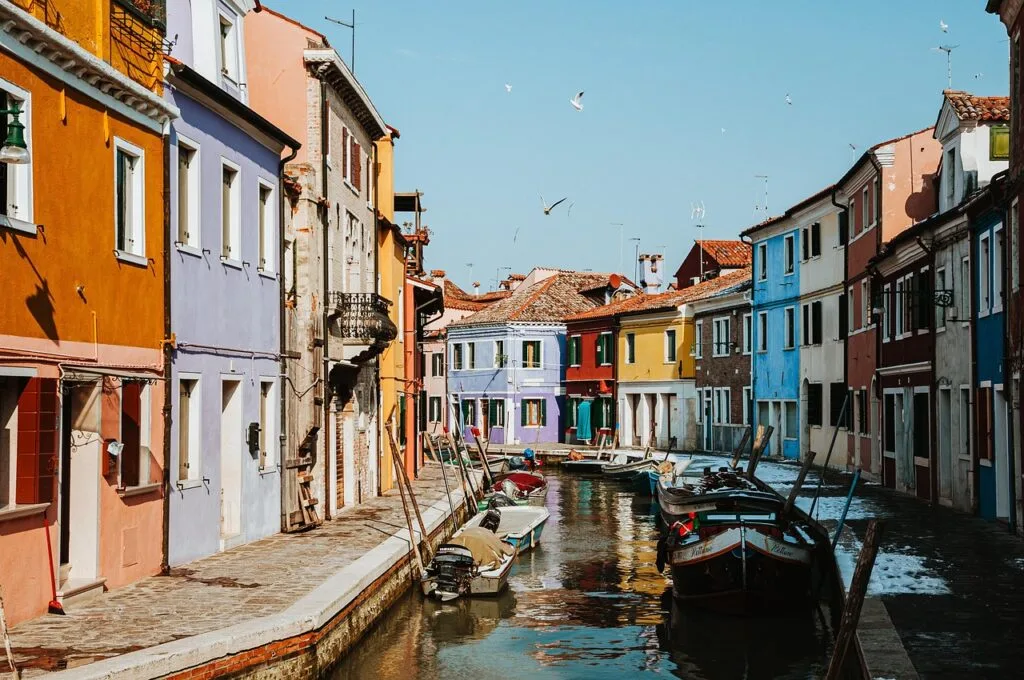
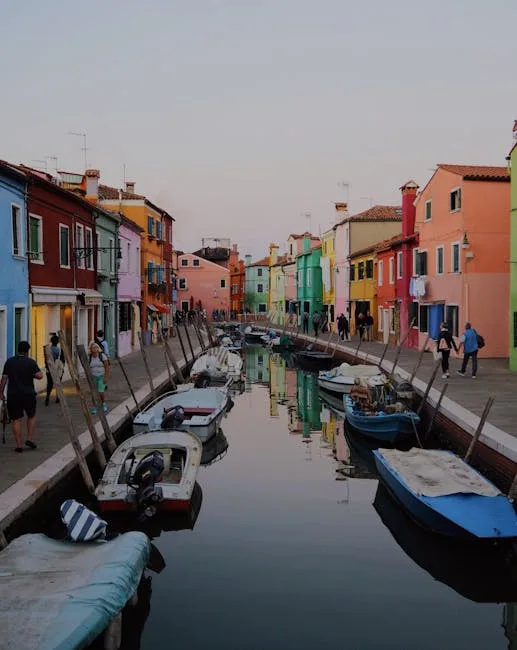
Burano is an explosion of color and flavor: its houses painted yellow, pink, green and blue frame alleys where the smell of grilled fish lures visitors to family-run trattorie. The island’s heart is Piazza Baldassare Galuppi, often called Piazza Galuppi. For lace, visit the Museo del Merletto, Piazza Galuppi 187, 30142 Burano — Address: Museo del Merletto, Piazza Galuppi 187, 30142 Burano. Typical hours: open 10:00–17:00 Tuesday to Sunday, price: €3–€5 depending on temporary exhibitions.
Click here to book a boat excursion to Murano, Burano and Torcello
Click here to Book a boat tour to Murano, Burano and Torcello
To sample local cuisine:
- Trattoria al Gatto Nero da Ruggero, Via San Mauro 166, 30142 Burano — Address: Via San Mauro 166, 30142 Burano. Hours: 12:00–15:00 and 19:00–22:30. Typical dishes: risotto di gò (goby fish risotto) €14–€18, fritto misto di pesce (mixed fried fish) €16–€24. Reservation recommended on weekends.
- Ristorante Da Romano, Via San Martino 221, 30142 Burano — highly regarded for risotto. Hours: 12:00–15:00 and 19:00–22:30. Menu prices €20–€45 depending on choices.
Burano is also the perfect place to try Venetian sweets: a coffee paired with a fritella (doughnut) or a bussolà (local shortbread) at one of the bakeries near the piazza. Expect to pay between €1.20–€2.50 for a coffee and €2–€4 for a traditional pastry.
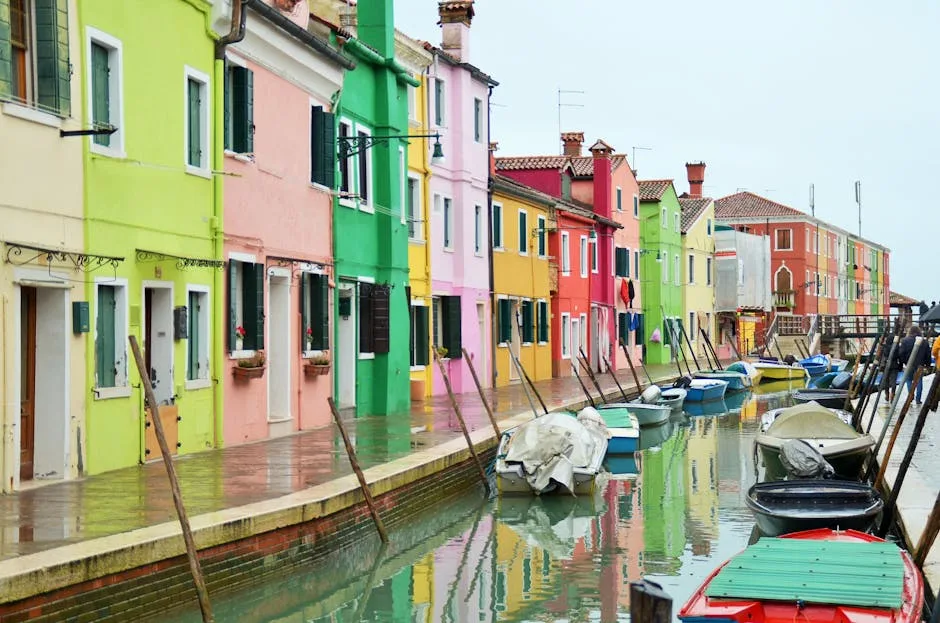
For lace, some legitimate shops offer signed pieces with a certificate of origin. Beware of souvenirs labeled « lace » but machine-made en masse. Handmade pieces are painstaking: a doily can take weeks to make and will cost between €40 for a small piece and several hundred euros for larger pieces or those rooted in tradition.
How to Recognize Genuine Burano Lace and Negotiate Smartly
Burano lace is made with the « punto in aria » (stitch in the air) technique that uses no solid backing: patterns are created with needles, threads and lots of patience. To distinguish a handmade piece:
- Look at the regularity: handmade lace has slight irregularities that show artisanal work; machine lace is often too uniform.
- Ask about the making process: a reputable shop can explain the time spent (hours/days), the technique and may show photos or certificates of the master lace maker.
- Insist on a detailed receipt stating « handmade Burano lace » for future recourse or for tax-free shopping if eligible (see local tax tips).
Price guidelines:
- Small pieces (napkins, doilies): €25–€80.
- Table runners and larger items: €120–€600 depending on density and size.
- Exceptional pieces (veils, monumental tablecloths): €700–€5,000+.
Negotiation and tips:
- Respect the value of the craft: don’t push for excessive discounts; a 5–10% compromise is acceptable in some shops.
- If you buy several pieces, ask for a bundled price; family-run shops may offer a discount for multiple purchases.
- Ask about international shipping — often available, sometimes safer than checking fragile items in luggage.
Transport, Practical Hours and How to Make the Most of Your Day — Local Tips
Getting to Murano and Burano is easy thanks to the ACTV vaporetto network. Here’s some practical info:
- ACTV vaporetto fares: single ticket ≈ €8 (valid 75 minutes on non-urban lines; fares subject to change), books of 10 tickets sometimes available at a reduced rate. Tickets sold at ACTV booths, tobacconists and ticket machines at stops.
- Useful lines: line 4.1 / 4.2 toward Murano (from Fondamenta Nuove or Ferrovia), line 12 to Burano (via Murano), line 3 for a more direct trip from Piazza San Marco to Murano at certain times. Check ACTV schedules via the official app or at the docks.
- First vaporetto early in the morning (seasonal): often around 05:30–06:00; the last return varies greatly with the seasonal timetable.
Planning:
- Start early: to enjoy glassblowing demos and avoid crowds, leave Venice before 10:00. Morning light is ideal for photos in Burano.
- Combine visits: Murano in the morning (museum + workshop + lunch), then vaporetto to Burano in the afternoon for lace and sunset on the colorful houses.
- Suggested duration: a full day for both islands if you’re short on time; otherwise dedicate a full day to each island for a deeper experience.
Recommended Experiences and Workshops — Learn While You Taste
To make your visit truly immersive, consider booking a hands-on workshop: some Murano furnaces offer introductory glassblowing classes (short sessions 60–90 minutes) under the supervision of a master glassblower. Indicative prices: €70–€150 per person depending on duration and complexity, sometimes including a small piece to take home.
Click here to book a beginner glassblowing workshop
Click here to Book a beginner glassblowing workshop in Murano
In Burano, lace workshops offer introductions to Burano stitch: short sessions 60–120 minutes where you’ll learn the basic gestures. Prices: €25–€60 per person. These workshops are often limited in capacity, so book in advance (especially in high season).
Gastronomy: reserve a table at a well-regarded trattoria for a fish-based lunch. Typical menu: antipasto di mare (€8–€14), primo (risotto or spaghetti) (€12–€18), secondo (fish of the day) (€15–€28), local wine by the glass (€4–€8). Tip: ask for the daily special (« piatto del giorno ») — often the best value.
Intangible souvenirs: bring home a handwritten postcard, or buy photographs from local artists. Small galleries around Piazza Galuppi sell prints (€10–€60) that tell the islands’ stories far better than any plastic souvenir.
Conclusion: A Sensory Route to Savor and Bring Home
Murano and Burano make a complete itinerary of art, history and table. The two islands offer complementary experiences: Murano immerses you in the heat and sparkle of glass, while Burano invites you to a colorful stroll punctuated by flavors and lace. By following the exact addresses and times given — Museo del Vetro, Fondamenta Giustinian 10, 30141 Murano; Museo del Merletto, Piazza Galuppi 187, 30142 Burano — and keeping the fares and practical tips in mind (ACTV vaporetto, demonstration hours, requests for certificates for glass and lace), you’ll turn a simple trip into a real collection of emotions and exceptional objects.
Remember that buying a Murano glass piece or a lace tablecloth is also buying a piece of history and craftsmanship passed down through generations. Respect the artisans, ask about origin and authenticity, pack your purchases carefully and, above all, let your senses guide you: taste perfectly made risotto, let Burano’s light make your sunset photos glow, and stand for a few minutes in front of a furnace to feel the warmth and hear the master glassblower’s breath.
In the end, whether you bring back a small murrina pendant for €30, a signed Venini vase for €1,200, or a lace tablecloth for €350, it will be your impressions — the feel of glass against your skin, the crunch of shared fried fish by the canal, the pattern of a lace piece — that linger. Plan, respect, taste and buy knowingly: Murano and Burano will welcome you generously with craftsmanship worth celebrating.