





INTRODUCTION
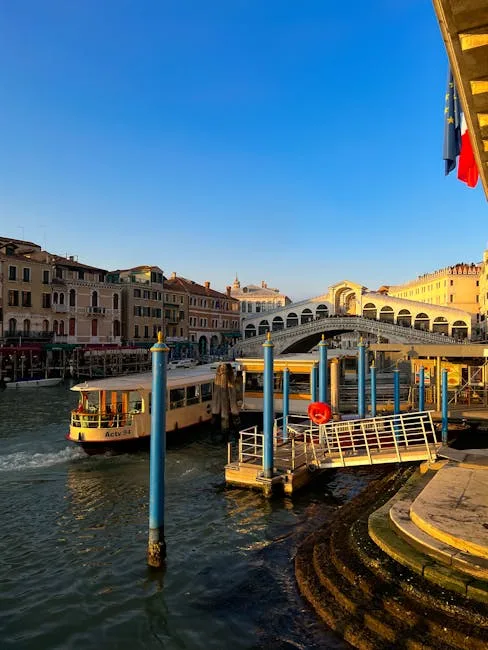
Venice is a city best discovered from the water: canals are its streets, bridges its crossroads, and the vaporetto its floating metro. If you’re planning a trip to Venice, one of the practical questions that always pops up is: should you buy an unlimited vaporetto pass or pay per ride? This choice affects not only your budget but also how you plan your days, the routes you take, and even the overall quality of your visit. In this introduction we’ll set the scene, introduce the main operators, describe what riding is like, and outline the financial and practical considerations so you can make an informed decision.
Venice’s public water transport is primarily operated by ACTV (Azienda del Consorzio Trasporti Veneziano). Vaporetto lines link the city’s main spots: Santa Lucia train station (stazione di Venezia Santa Lucia), Piazzale Roma, Rialto, Piazza San Marco, the Arsenale, as well as lagoon islands like Murano, Burano and the Lido. The vaporetto is both a local lifeline for Venetians and an essential tool for visitors who want to get around without having to buy a ticket for every single trip.
Unlimited passes usually come in 24-, 48-, 72-hour or weekly formats. They let you hop on any ACTV line without limit for the duration you choose. That’s liberating: you can get on and off at will, try different routes along the Grand Canal, or head out at dawn to photograph the city without worrying about the cost of each crossing. However, a pass isn’t always cost-effective: if you plan to stay in a single neighborhood and visit few islands, single tickets might be enough.
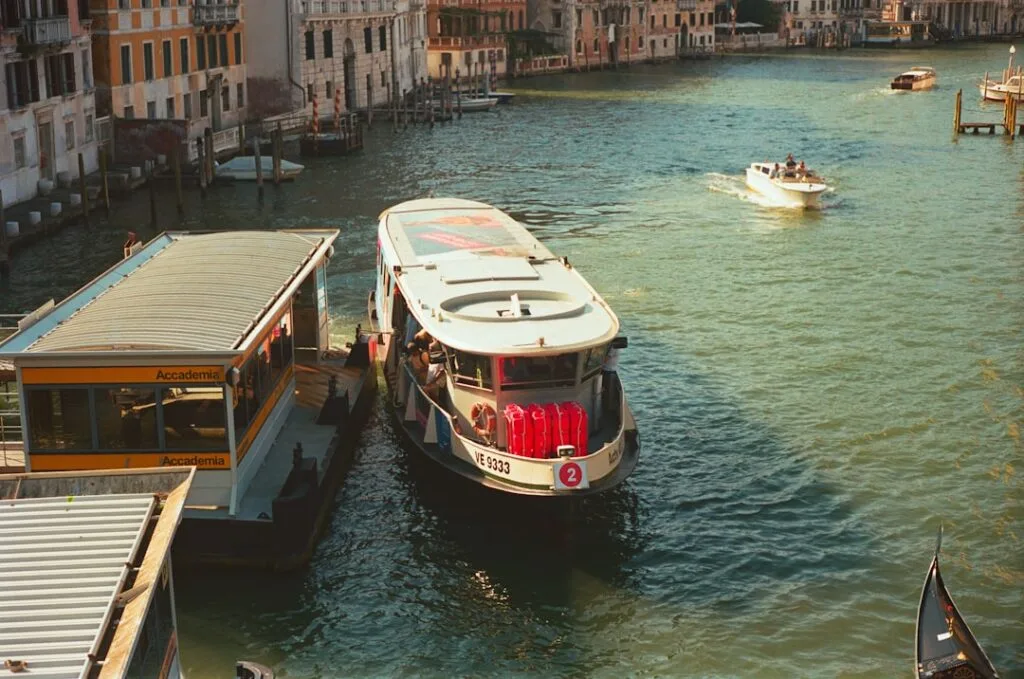
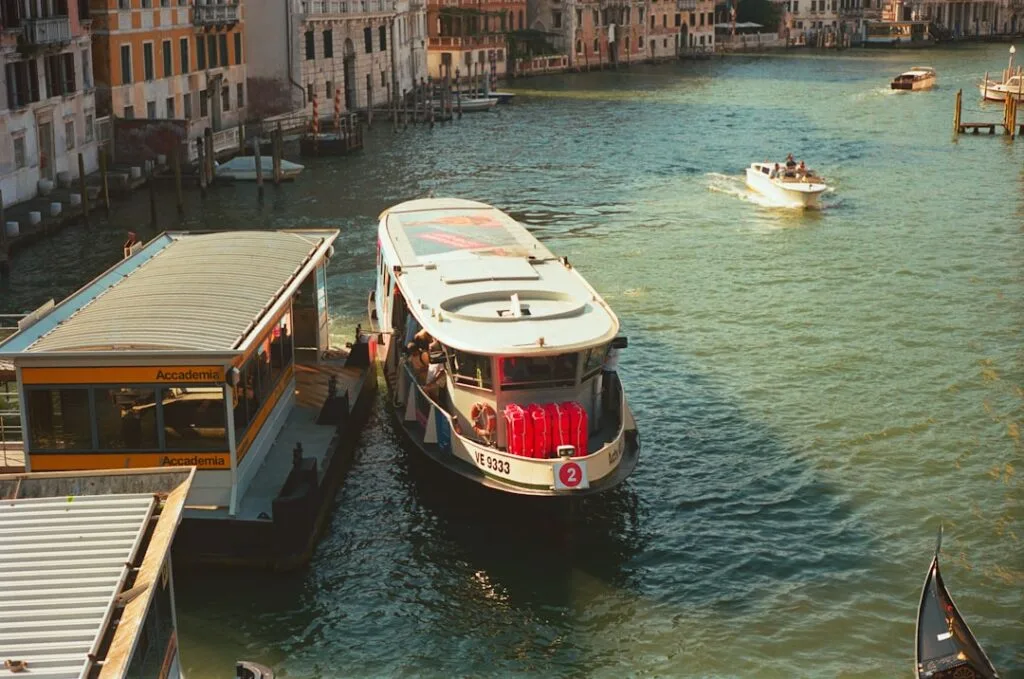
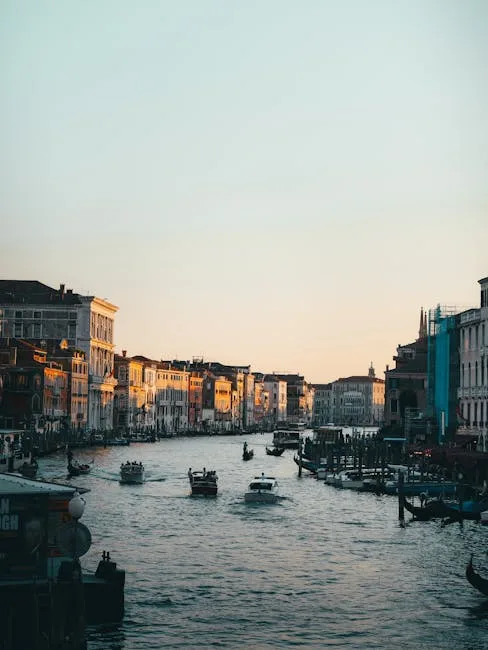
Beyond pure cost, there’s an experience factor. Riding the vaporetto changes your perspective: from line 1 or 2 on the Grand Canal you’ll catch sights like the Palazzo Barbarigo façade, the Ponte dell’Accademia, the Ca’ d’Oro and the outline of Teatro La Fenice in a way you simply can’t from the street. Stops can be tiny and tucked away: the « Rialto » stop sits near the Rialto market at the junction of narrow alleys, while « San Zaccaria » drops you almost at the foot of St. Mark’s Basilica. Knowing the exact names and opening times of sites makes transferring between vaporetto and visits much smoother.
 Click here to book a half-day Murano and Burano boat trip
Why Get an Unlimited Vaporetto Pass? Real Benefits
The biggest advantage is freedom of movement. With a 24-, 48- or 72-hour pass you can improvise: spend the morning at St. Mark’s Basilica (Piazza San Marco, 328, 30124 Venezia VE) then hop across to Murano for a glassblowing demo without worrying about extra fares. The basilica typically opens around 9:30 and closes around 17:15 (times vary by season and religious services); having a pass helps you line up visits and crossings more easily.
Another perk is the time you save on logistics. Buying a single ticket every time you board (a 75-minute ticket) means lining up at counters or ticket machines, especially in high season. A pass downloaded to your phone or picked up at a kiosk spares you those repeated steps and cuts the stress when making connections. Venezia Santa Lucia station (Piazzale Roma / S. Lucia) is a major hub; there, ACTV counters handle tourist passes.
Passes often make financial sense for active travelers: if you plan multiple trips between Piazzale Roma (Piazzale Roma, 30135 Venezia VE) and San Marco, want to cross to the Lido for the beach, then visit Murano and Burano, flat rates can be cheaper. For example (indicative): 24-hour pass ≈ €25, 48-hour ≈ €35, 72-hour ≈ €50, 7 days ≈ €80. By comparison, a single ACTV ticket usually costs €8 for 75 minutes. Do the math for your itinerary: four €8 rides already total €32, more than some 48-hour passes.
Click here to attend a Murano glassblowing demonstration
Drawbacks and Limits of the Pass: When It’s Not Worth It
The pass isn’t a cure-all. If your stay is concentrated in a small area — for example you’re based in Dorsoduro and plan to stick close to the Galleria dell’Accademia (Campo della Carità, 1050, 30123 Venezia VE) and the Peggy Guggenheim Collection (Palazzo Venier dei Leoni, Dorsoduro, 701, 30123 Venezia VE) — you can easily get around on foot and only use the vaporetto occasionally. In that case single tickets (or occasional water taxi transfers if you’re in a group) could be cheaper.
Another limitation: specific ferry services. Some connections, like Alilaguna services from Marco Polo airport (Venezia Tessera) to the historic center, aren’t always included in ACTV passes. Alilaguna sells its own tickets (for reference, an Alilaguna ticket from the airport costs between €8 and €15 depending on destination). Always check what the pass covers: it generally includes local ACTV lines but not private operators or special services.
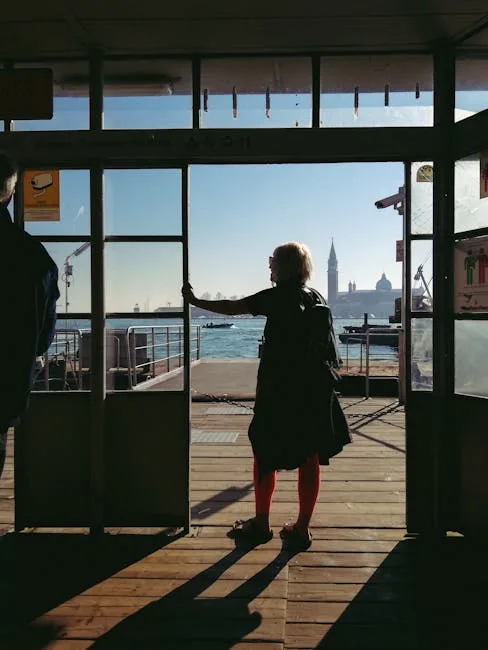
Finally, there’s the comfort factor: during busy periods vaporetti can be crowded, and boarding/disembarking takes time. A pass doesn’t guarantee a seat. If you prioritize comfort and speed, consider a private water taxi (prices vary; e.g., private transfer Piazzale Roma → San Marco ≈ €100–€140 depending on time and season). Likewise, if your itinerary includes only a few rides, the pass turns into an unnecessary extra cost.
How to Make the Most of a Vaporetto Pass: Routes and Practical Tips
To get the best value from a pass, plan a few strategic trips but leave room for spontaneity. For example, a typical 24-hour day with a pass might look like this: set off early from Stazione di Venezia Santa Lucia (Stazione di Venezia Santa Lucia, Piazzale Roma, 30121 Venezia VE) on line 1 along the Grand Canal to the Rialto stop (Rialto Market, Rialto, 30125 Venezia VE) to visit the Rialto market, then continue to San Marco (San Zaccaria stop) for the basilica and the Doge’s Palace (Piazza San Marco, 1, 30124 Venezia VE, usually open 9:00–19:00 depending on season). Finish with an afternoon hop to Murano on a fast line.
Concrete tips:
- Always validate your pass when boarding — some validators are on the pier. Controls are common and fines can be issued if your pass isn’t validated.
- Favor lines 1 and 2 along the Grand Canal: line 1 is scenic (stops at each station), while line 2 is faster and stops less often.
- Avoid peak times: early morning (6:30–9:30) and late afternoon (17:00–19:00) are often crowded. If you want photos without the crowds, try to leave before 8:00.
- Plan your return trips: check the last departures to Piazzale Roma or your hotel, especially if you’re out late. Some lines run less frequently at night.
If you have a 72-hour pass or a weekly card, take the chance to explore the outer islands. Burano (Via Galuppi, 201, 30142 Burano VE) is known for its colorful houses and lace-making; Murano is the glassblowing capital (Museo del Vetro, Fondamenta Giustinian, 8, 30141 Murano VE, opening times vary). The vaporetto then becomes not just transport but an attraction in its own right.
Click here to reserve your ticket for the Doge’s Palace
Practical Details: Where to Buy, Timetables, Useful Addresses
Where to buy your pass? You have several options:
- ACTV ticket offices: for example, the main ACTV counter is at Piazzale Roma, Piazzale Roma, 30135 Venezia VE. Opening times often run 6:00–22:00 depending on season.
- Stations and airports: ticket machines at Stazione di Venezia Santa Lucia (Piazzale Roma / Stazione di Santa Lucia, 30121 Venezia VE) sell single tickets and passes.
- Online: ACTV’s site or official resellers — handy to skip queues; sometimes you’ll need to pick up a physical card or show a QR code.
Opening hours and addresses for some places mentioned:
- St. Mark’s Basilica — Piazza San Marco, 328, 30124 Venezia VE. Approximate hours: 9:30–17:15 (closed during certain ceremonies). Entrance fees for special areas: €3 to €8 depending on exhibits.
- Doge’s Palace (Palazzo Ducale) — Piazza San Marco, 1, 30124 Venezia VE. Approximate hours: 9:00–19:00. Indicative price: combined ticket with the Correr Museum ≈ €25.
- Murano Museo del Vetro — Fondamenta Giustinian, 8, 30141 Murano VE. Approximate hours: 10:00–17:00. Entry fee: roughly €8–€12.
Click here to book your Doge’s Palace ticket
Budget and Comparison: Do the Math
It always comes down to numbers: how many journeys will you make? Suppose you buy a 48-hour pass at €35 (indicative). A single ACTV ticket costs €8 for 75 minutes. If you take five vaporetto rides in 48 hours, single tickets would cost €40, which already exceeds the pass. Conversely, if you only do two round trips between your hotel and the center, the cost with single tickets would be €32, close to the 48-hour pass price but without the flexibility.
A practical example of an itinerary that makes a 72-hour pass worth it:
- Day 1: arrival, line 1 Santa Lucia → Rialto → San Marco → visit St. Mark’s Basilica and the Doge’s Palace.
- Day 2: morning in Murano, afternoon in Burano (two round trips by vaporetto).
- Day 3: Lido for the beach, return in the evening.
This kind of plan easily generates more than six vaporetto rides, making a 72-hour or weekly pass a smart buy.
Click here to book a half-day trip to Murano and Burano
CONCLUSION
Choosing an unlimited vaporetto pass in Venice is a decision that mixes budget logic with travel style. For mobile travelers eager to explore Murano, Burano, the Grand Canal and outer neighborhoods without constraints, the pass provides valuable freedom: more spontaneity, fewer queues at ticket machines, and the ability to optimize your photo outings at sunrise or sunset. For a short stay focused only around St. Mark’s and the immediate surroundings, or for those who prefer to walk and savor the city’s alleys, the pass can prove unnecessary.
A few final recommendations:
- Before you go: estimate how many rides you’ll take and compare that to the pass price. Account for airport transfers (Alilaguna not always included).
- During your trip: favor lines 1 and 2 on the Grand Canal, leave early to avoid crowds, and always validate your pass.
- If in doubt: try a 24-hour pass first; it’s a good way to test whether you’ll get full use out of it for the following days.
Venice rewards those who explore it slowly and attentively: the vaporetto is more than transport, it’s a sensory experience — the lap of water against the hull, façades sliding by, the aromas of Venetian cooking at the Rialto market. Whether you’re for or against the unlimited pass, the key is to experience the city with curiosity and respect. Enjoy your trip to Venice, and may your vaporetto rides serve up memorable views of the Grand Canal and its treasures.