





Introduction: Venice’s soul in a single bite
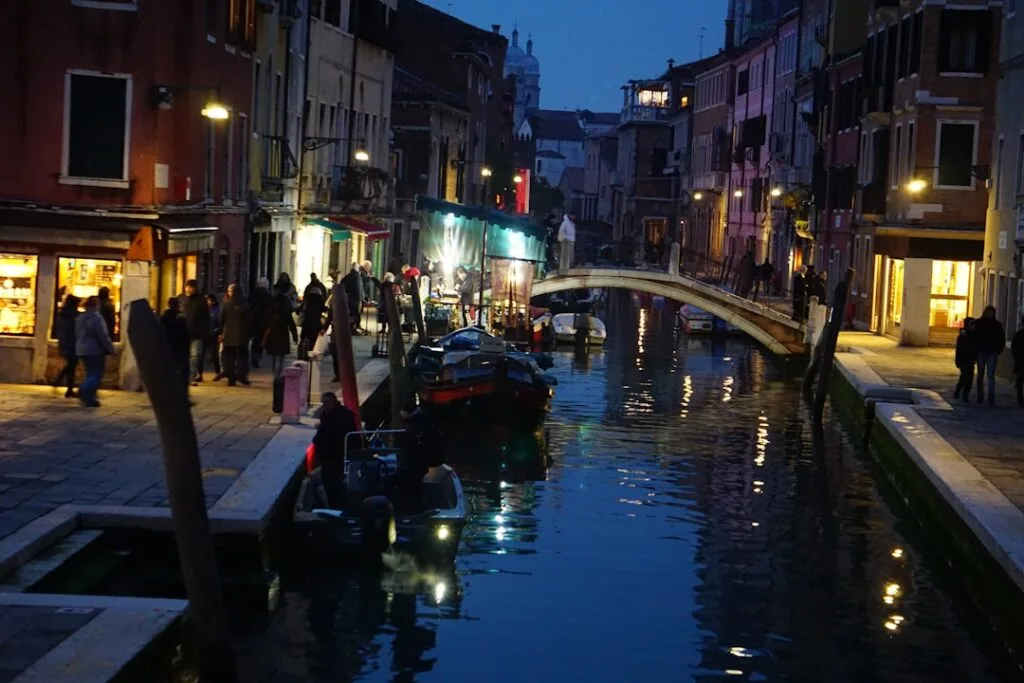
Venice first reveals itself when you lose your way in its narrow calli, cross stone bridges and breathe the salty air drifting through the canals. But to truly understand the Serenissima’s spirit, you need to stop into a bacaro, look up at the wooden shelves lined with glasses and cured meats, and taste cicchetti — those tiny bites that condense Venetian history, indulgence and conviviality. Cicchetti are more than snacks: they’re life stories, handed-down recipes, and produce from the lagoon and nearby mountains gathered on a slice of bread or a small skewer.
The cicchetti tradition goes back at least to the 16th century, alongside the rise of osterie and canteens where merchants and sailors would meet for a glass of wine between voyages. Over time these spots became social « stations » — the bacari — where people nibble standing up, talk business, swap gossip, celebrate or console one another. Today, while Venice is famous for Piazza San Marco and the Doge’s Palace, true locals know the city’s essence is tasted at the counter of a bacaro, over a plate of baccalà mantecato or sardina in saor.
In this article, we’ll explore legendary spots and practical tips for tasting cicchetti like a native: where to go, what to order, how much to budget, and how to tell the difference between a simple topped slice of bread and a little culinary masterpiece. I’ll take you to iconic addresses — Cantina Do Mori, La Bottega del Vino, the Rialto market — and detail prices, opening hours and tips to avoid tourist traps. You’ll also find sensory descriptions to imagine textures, aromas and flavor pairings, plus recommendations for matching cicchetti with the right wine or a perfectly balanced spritz.
Get ready to discover why Venetians elevate the cicchetto to the level of folk art, how seasonality and the market shape the day’s menu, and which small local customs — paying at the counter, choosing to stand, sharing a board — make this experience so vibrant. This taste journey isn’t limited to the palate: it includes the light on facades, the murmur of gondoliers, and the sometimes gruff but warm welcome from owners who know each regular by name. Put on comfortable shoes, bring your appetite and let the little plates guide you through Venice’s big story.
 Click here to Taste cicchetti and local wines with a guide

Must-visit bacari: addresses, hours and specialties
To taste genuine cicchetti in Venice, a few names keep coming up among locals and food lovers. Here’s a selection of bacari where tradition meets quality, with exact addresses, opening hours and an estimate of prices for each specialty.
- Cantina Do Mori — Calle dei Do Mori, 429, 30125 Venezia VE. Open daily from 10:00 to 20:00. Price guide: cicchetti from €1.50 to €4.00; a glass of house wine €2.50 to €4.00. Specialties: polpette (meatballs), filled tramezzini, baccalà mantecato served on crostini. Ambiance: dark wooden counter, crowded atmosphere, fast and traditional service.
- La Bottega del Vino — Calle dei Stagneri, 4689, 30125 Venezia VE (near the Rialto). Open 11:00 to 23:00 daily (closed on some holidays, check locally). Prices: cicchetti €2.00–€5.00, charcuterie boards €8.00–€15.00, spritz €3.50–€4.50. Specialties: selection of salumi, regional cheeses, crostini topped with foie gras or anchovies. Atmosphere: popular spot, often lively in the evenings.
- Osteria al Squero — Fondamenta Nani 992, 30123 Venezia VE (Dorsoduro, near the Squero di San Trovaso). Usually open 12:00–15:00 and 18:00–23:00; hours can vary on some days. Prices: cicchetti €2.50–€6.00, spritz €3.00; recommended: sarde in saor (sardines with onions and vinegar), smoked salmon crostini. View: terrace facing the gondola workshop, perfect for a sunset aperitif.
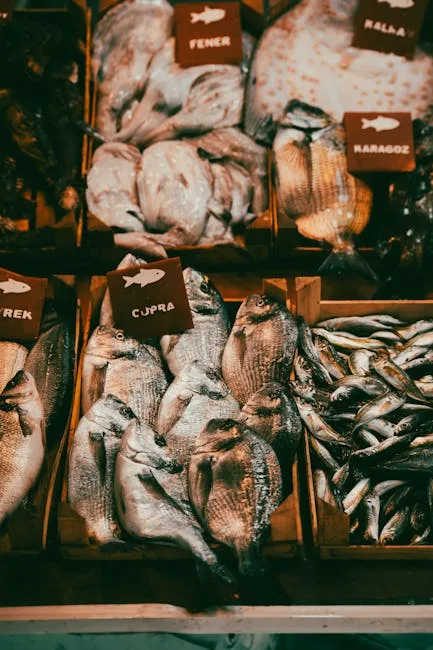
- Mercato di Rialto – Banco del Pesce — Campo della Pescheria, 30125 Venezia VE. The market runs Monday to Saturday, 7:30 to 13:00 (some stalls open earlier). Around the market, small stands and bacari offer ultra-fresh cicchetti: seafood crostini, polpetti (baby octopus), fish tartare depending on the catch. Prices: €2.00–€6.00 depending on freshness and complexity.

Click here to visit the Rialto market and join a cooking class
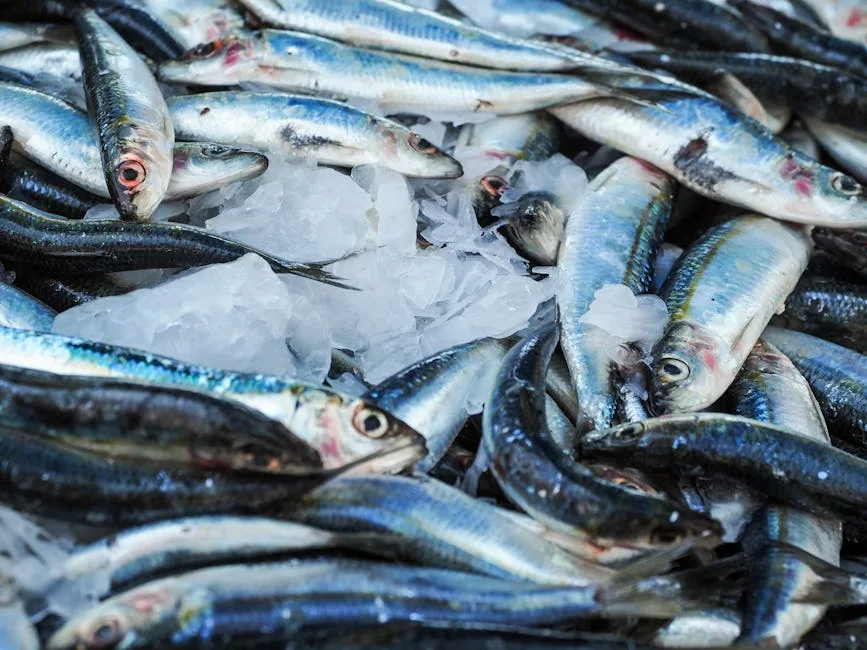
Practical tip: arrive early at the Rialto market for the freshest produce and fewer crowds, or go in the late afternoon for a more relaxed vibe and a pre-dinner aperitif.
The iconic cicchetti: recipes, textures and pairings
Understanding cicchetti means recognizing their categories: fish-based, cured meats and cheeses, fried items and prepared toasts. A must-try is baccalà mantecato — salt cod that’s been desalted and whipped with olive oil until it becomes a silky cream, often served on toasted bread or fried polenta. Its texture is airy, almost mousse-like, and it pairs beautifully with a glass of prosecco or a light local bianco.
Click here to taste cicchetti and local wines with a guide
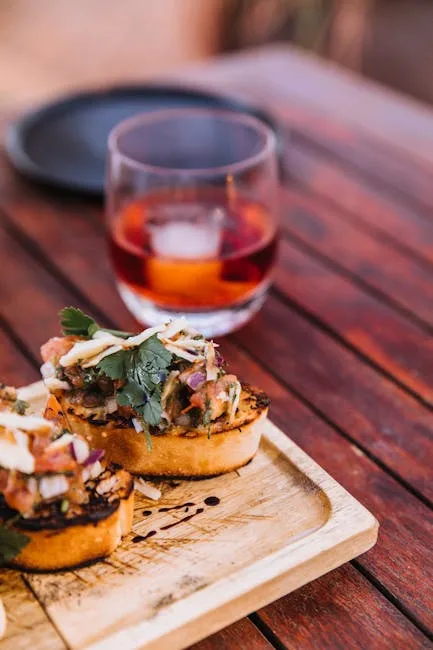
Sarde in saor embody Venice’s history: fried sardines marinated in vinegar, sweet caramelized onions and pine nuts. The acidity and sweetness contrast with the sardine’s crispy texture, making a balanced, deeply Venetian bite. This was once a preservation method for sailors. Try it with a dry Veneto white, like Pinot Grigio or Soave.
Polpette (meatballs) and fried treats (baby calamari, shrimp) bring a crunchy, comforting element. Crostini topped with marinated shrimp, tuna in oil, or foie gras represent the meeting of noble ingredients and simplicity. Finally, plates of salumi (Prosciutto di San Daniele, soppressa) and local cheeses (Asiago, Monte Veronese) are often served with olives and a slice of grilled polenta.
Pairing tip: think contrast — rich or fried cicchetti with lively, sparkling wines; acidic cicchetti (sarde in saor) with fresh, aromatic whites; cured meats with light reds or more structured local wines.
How to eat like a Venetian: etiquette, budget and tips
The unofficial first rule at a bacaro: be prepared to eat standing up or take a table if one’s available, but don’t hog the space. Cicchetti are enjoyed by helping yourself at the counter; sometimes they’re displayed on a tray, other times the bartender makes them to order. You usually pay at the counter at the end: say « un conto, per favore. »
Budget: expect around €8–€20 per person for a full aperitif (3–5 cicchetti + drink). Simple cicchetti start at about €1.50; more elaborate preparations (noble fish, foie gras) can reach €6 or more. A classic spritz generally costs between €3.00 and €5.00 depending on the bacaro.
Local tips:
- Avoid tourist traps around Piazza San Marco where prices are inflated — opt for neighborhoods like Cannaregio, Dorsoduro and San Polo for a more authentic experience.
- Savor cicchetti in small bites: order several pieces to share rather than a single large dish for yourself.
- Ask « cosa c’è oggi? » (what’s available today) to discover the daily specials based on the catch and deliveries.
- Respect the hours: many small bacari close between 14:00 and 17:00; 18:00–20:00 is the lively aperitif window.
Experiences and routes: half-day cicchetti circuits
For a half-day of exploration, here are two themed routes to mix tastes and views.
« Classic & Market » route (morning):
- Start at the Mercato di Rialto (Campo della Pescheria, 30125 Venezia VE) around 8:00 to watch the fish arrive.
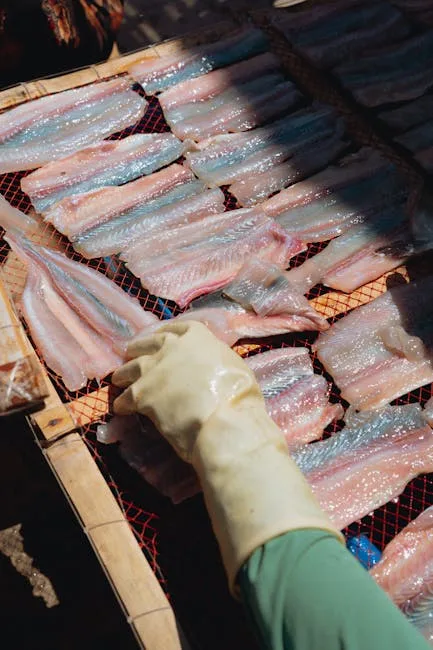
- Late breakfast: a fish crostino at a market stall (€2–€5) and a coffee on Via Mazzini.
- Cross the Ponte di Rialto and stop by La Bottega del Vino (Calle dei Stagneri, 4689) for a selection of cicchetti and a glass of wine (11:00–13:00).
« Dorsoduro at sunset » route (late afternoon):
- Wander through Dorsoduro to the Squero di San Trovaso and watch the gondoliers at work.
- Aperitif by the canal at Osteria al Squero (Fondamenta Nani 992): sarde in saor and a spritz at sunset (approx. €10–€15 for two cicchetti + a drink).
Click here to join the ultimate culinary tour with wine and spritz
Click here to join a cicchetti and spritz food tour
Conclusion: beyond cicchetti, an invitation to Venetian slow living
Cicchetti are much more than a tasting: they’re a gateway to the culture of sharing and conviviality that lives in Venice. Each bite tells a season, a market stall, a family kitchen or a blend of land-and-sea influences. Walking through the bacari, you’ll learn to recognize the hands that prepare the food, read shelves full of bottles, and judge the time of day by the light on a façade. You’ll experience a city lived at human scale, in small strokes, like a painter composing a large canvas.
Traveling to taste cicchetti also means accepting a certain rhythm: arrive early to enjoy the freshest ingredients, don’t rush, share plates, pay at the counter and strike up a conversation with the person behind the bar. The addresses mentioned — Cantina Do Mori, La Bottega del Vino, Osteria al Squero, the Rialto Market — are only landmarks. The important thing is to follow your nose, dare to ask « cosa c’è oggi » and sit, even standing, among the locals.
Finally, keep in mind that Venice changes with the tides, the seasons and the deliveries: a cicchetto enjoyed in summer won’t have the same intensity as one made in winter, and it’s precisely that variability that makes the experience so alive. Whether you’re a fan of fish, olives, cheeses or crunchy fried bites, the Serenissima has a little plate for you. So raise your glass — a spritz, a glass of prosecco or a local white — and let yourself be carried away by the secrets of Venetian cicchetti.

