





Introduction: why vaporetto safety matters in Venice
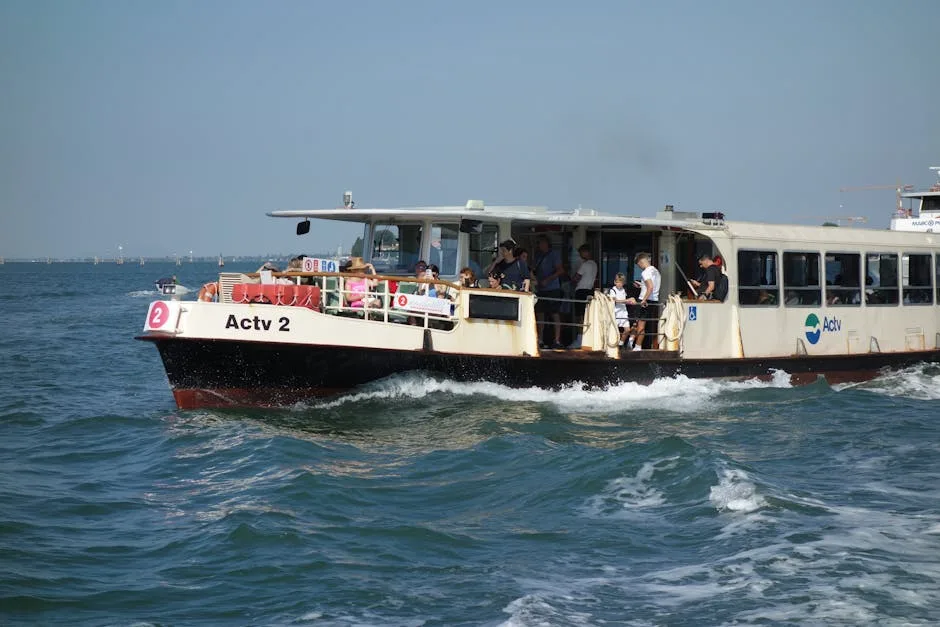
Venice is a city built on water — a maze of canals crossed daily by thousands of people and countless boats. The vaporetto — the public « waterbus » mainly run by ACTV — is one of the most used ways to get around for both locals and visitors. It links key spots like Stazione di Venezia Santa Lucia (Ferrovia, 30121 Venezia VE, Italy), Piazza San Marco (Piazza San Marco, 30124 Venezia VE), the Ponte di Rialto (Ponte di Rialto, 30125 Venezia VE), and nearby islands such as Murano, Burano and Lido.
Navigating such a busy network comes with specific risks: sudden movements during maneuvers, sometimes slippery pontoons, close proximity to other vessels, and rapidly changing weather conditions. Add peak-season crowds and the need to make connections, and you have plenty of situations that require caution. Knowing and following vaporetto safety rules not only helps prevent accidents but also makes travel more pleasant for everyone. This guide gives you clear rules, simple habits and local tips tailored to Venice, plus practical info (addresses, schedules, fares) to prepare your trips with confidence.
We cover: official on-board rules, what to do at stops and landings, how to behave in an emergency, tips for traveling with children and luggage, and specific recommendations for tricky conditions (acqua alta/high tide, strong wind, rain). We’ll also point out exact landmarks — for example the train station address Stazione di Venezia Santa Lucia (Ferrovia, 30121 Venezia VE) or the Piazza San Marco vaporetto stop near the « San Zaccaria » landing — to help you orient yourself.
One last tip before boarding: always check your ticket and timetable. At the time of writing a standard single ACTV ticket costs €7.50 for 75 minutes of travel (check ACTV for the most up-to-date fares). Tourist passes (24/48/72h) are available and can be economical if you plan to move around a lot. Above all, courtesy and a thoughtful attitude matter: give up seats for the elderly, let people get off before boarding, and keep your belongings close. You’ll avoid many hassles and help keep things running smoothly.
 Click here to book a Murano & Burano half-day boat tour

Official rules and instructions to know before boarding
Vaporetti are subject to specific safety rules set by the operator (ACTV) and local maritime authorities. Knowing these rules before you board will help you avoid surprises and ensure you follow instructions in case of an incident.
Tickets, validation and access
Before boarding you must have a valid ticket. Tickets can be electronic, paper, or through the ACTV app. A standard single ticket usually costs €7.50 for 75 minutes; 24/48/72-hour passes are offered for visitors (prices vary — check ACTV). Usual sales points:
- Biglietteria ACTV – Piazzale Roma: Piazzale Roma, 30135 Venezia VE — ticket office and machines. Approximate hours: 06:00–22:00 (seasonal hours, check locally).
- Stazione di Venezia Santa Lucia (ticket machines): Ferrovia, 30121 Venezia VE — accessible on arrival of trains, machines operate 24/7 for some fares.
- Mobile apps: ACTV (it’s recommended to validate before boarding).
Validating your ticket is mandatory: insert or scan your pass before you get on. At some stops validation happens at the pontoon entrance. Failing to validate can lead to a fine.
Click here to buy a City Pass for museums and transport

On-board conduct rules
Once on board, follow the posted instructions: stay behind safety lines, sit down when possible, and keep your luggage at your feet or on your lap. Passengers should avoid leaning on the boat’s edges, standing at the very front, or leaning over railings.
Prohibited behaviors include: smoking (including e-cigarettes), excessive alcohol consumption, and playing loud music without headphones. Non-compliance can lead to warnings or fines. If you’re traveling with a bicycle, check rules in advance: some lines allow bikes depending on availability (fees may apply).
Priority seating and assistance
Give priority to the elderly, pregnant people and travelers with children. Reserved seats (usually marked) should be kept free for those who need them. Crew members and drivers are trained to help when needed: don’t hesitate to ask them for information or basic medical assistance.
Safety when boarding and disembarking: behavior and practical tips
Vaporetto stops are often floating or fixed pontoons that change with the tide. Boarding and disembarking are the trickiest moments: differences in height between quay and boat, waves, or crowds can cause falls. Here are rules and tips to reduce risk.
First, wait until the boat is securely moored and the captain gives the signal before you move. Many rushed travelers push to be first — avoid that. Let people get off first, then board calmly. At peak times form a queue and respect the order.
Wear closed shoes with non-slip soles: pontoons and wooden gangways can be slippery, especially after rain or during acqua alta (high tide). If you’re carrying luggage, keep one hand free to hold a railing. For wheeled suitcases, lock the wheels and hold them close on stairs.
Local tip: at busy stops — Piazzale Roma, Stazione di Venezia Santa Lucia, Rialto, Piazza San Marco (San Zaccaria) — there are marked ramps or waiting areas. Look for signs saying « Imbarco » and « Sbarco ». The landings at San Zaccaria (near Piazza San Marco) and Fondamenta Nove (Fondamenta Nove, 30121 Venezia VE) are particularly tourist-heavy: anticipate your boarding or disembarkation by positioning yourself early.
Specific tips for families and people with reduced mobility
If you’re traveling with children, keep them within arm’s reach at all times and have them sit down if possible. Don’t let a child stand close to the edge. Fold strollers if space is tight; some lines offer a dedicated area but it can be limited. People with reduced mobility should use ramps and, if needed, ask ACTV staff for help: some stops are equipped for accessibility, but Venice’s layout can sometimes complicate access.

What to do in an emergency: procedures, numbers and basic first aid
Despite all precautions, incidents can happen. Knowing how to react quickly and calmly makes a big difference. Vaporetti are equipped with fire extinguishers, life jackets (usually stored) and crew trained for basic interventions. Here are the steps to follow in an emergency.
Fire or smoke on board
Alert the crew or the driver immediately. Use the alarm devices available (buttons or intercoms). If you spot a small fire and can intervene safely, use a nearby extinguisher. Evacuate following crew instructions and head for the nearest quay if the stop is close.
Injured person or medical emergency
Get the crew’s attention and, if you’re trained, offer help for CPR or first aid. Emergency numbers in Italy: 112 (European emergency number). For serious medical issues in the city you can contact Ospedale Civile SS. Giovanni e Paolo (Ospedale di Venezia), located at Castello, 6777, 30122 Venezia VE. Main switchboard: +39 041 529 1111 (verify before use). Always state your position clearly — e.g. « vaporetto line 1 between Stazione Santa Lucia and Rialto. »
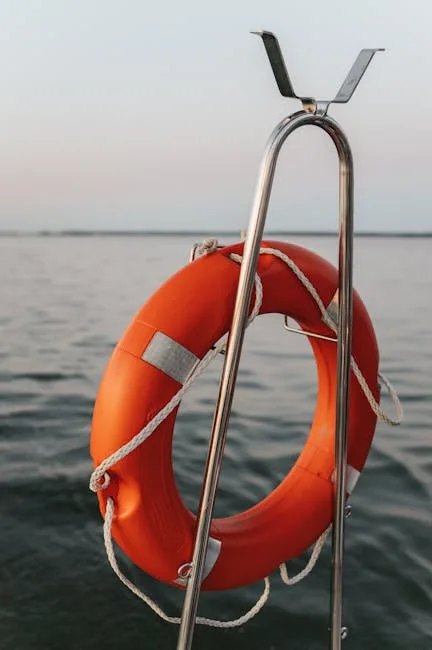
In the event of someone falling into the water, crew protocols prioritize overall safety: the boat will stop if possible, throw life rings and organize assistance. Alert the crew immediately. Do not jump into the water to rescue someone unless you are trained and equipped, as this can lead to more casualties.
Traveling in special conditions: acqua alta, strong wind and night travel
Venice experiences particular weather and sea conditions. Acqua alta (high tide) can flood quays and make some stops unusable. Sirocco or Bora winds affect navigation; at night visibility is reduced. Each situation calls for adapting your behavior.
During acqua alta: follow local information. Information boards, municipal websites (Comune di Venezia) and the ACTV app will indicate service changes: some stops may be diverted to higher landings or replacement buses may be arranged. Stops often affected include Piazza San Marco (San Zaccaria) and Fondamenta Nove. Wear waterproof shoes if you need to walk on raised walkways.
In strong winds: wait until the boat is stable before boarding. Maneuvers may be rougher. If services are cancelled, replacement boats or buses may be organized from Piazzale Roma (Piazzale Roma, 30135 Venezia VE) — stay in touch with ACTV information points for alternative routes.
At night: keep your belongings close, stick to well-lit areas and be cautious at quieter stops. Late-night services can be less regular; check the official ACTV timetable (available on their site or at ticket offices) before planning a late return.
Local tips and best practices for a smoother trip
Here’s a roundup of practical tips from locals and guides to optimize your safety and comfort when traveling by vaporetto.
- Plan your routes: know the main lines (line 1 runs along the Grand Canal, line 2 is faster on some stretches) and check schedules. Apps like « ACTV » or « Moovit » give real-time estimates.
- Pick the right seat: for a steadier ride sit in the middle of the boat rather than at the rear or front, especially in choppy water.
- Have your ticket ready: validate before boarding. If you make several trips a day, a day pass can be cost-effective — for example a 24-hour pass is around €25 depending on the season (check ACTV).
- Luggage and theft: keep bags closed and in sight. Pickpockets sometimes take advantage of crowded situations. Anti-theft bags and suitcase locks are recommended.
- Respect locals: don’t block access to landings, let people disembark before you board, speak quietly and follow signage.
- Tourist peak times: avoid line 1 during rush hours (morning 08:00–10:00, evening 17:00–19:00) if possible; take alternative lines or walk between nearby points to enjoy Venice’s alleys.
One last tip: always keep a paper map or a screenshot of your tickets and line map. Mobile coverage can be patchy along canals and on some islands.

Conclusion: travel responsibly and stay safe to fully enjoy Venice
Vaporetti are the lifeblood of Venice — a convenient, scenic and essential way to explore the lagoon, islands and iconic sights like Stazione di Venezia Santa Lucia (Ferrovia, 30121 Venezia VE), the Ponte di Rialto (Ponte di Rialto, 30125 Venezia VE) and Piazza San Marco (Piazza San Marco, 30124 Venezia VE). But like any public transport, they require attention, adherence to rules and a good dose of common sense. By following the simple advice here — ticket validation, orderly boarding, appropriate footwear, vigilance in acqua alta or wind, and knowing basic emergency measures — you’ll reduce risks and help create a calmer atmosphere for everyone.
Click here to book your Doge’s Palace ticket
Remember that practical information (prices, schedules, temporary closures) changes: check the official ACTV site or local information desks at Piazzale Roma or Stazione di Venezia Santa Lucia before you leave. In case of an incident, stay calm, report it to the crew quickly and follow their instructions. Vaporetti also offer unforgettable views of the Canal Grande, the Basilica di San Marco and the Palazzo Ducale — sights well worth arriving safely to enjoy.
Travel informed, respect fellow passengers and the crew, adapt your behavior to conditions, and let the magic of Venice work its charm: its canals, bridges and palaces will be even more beautiful when you can admire them safely and in peace.