





Introduction
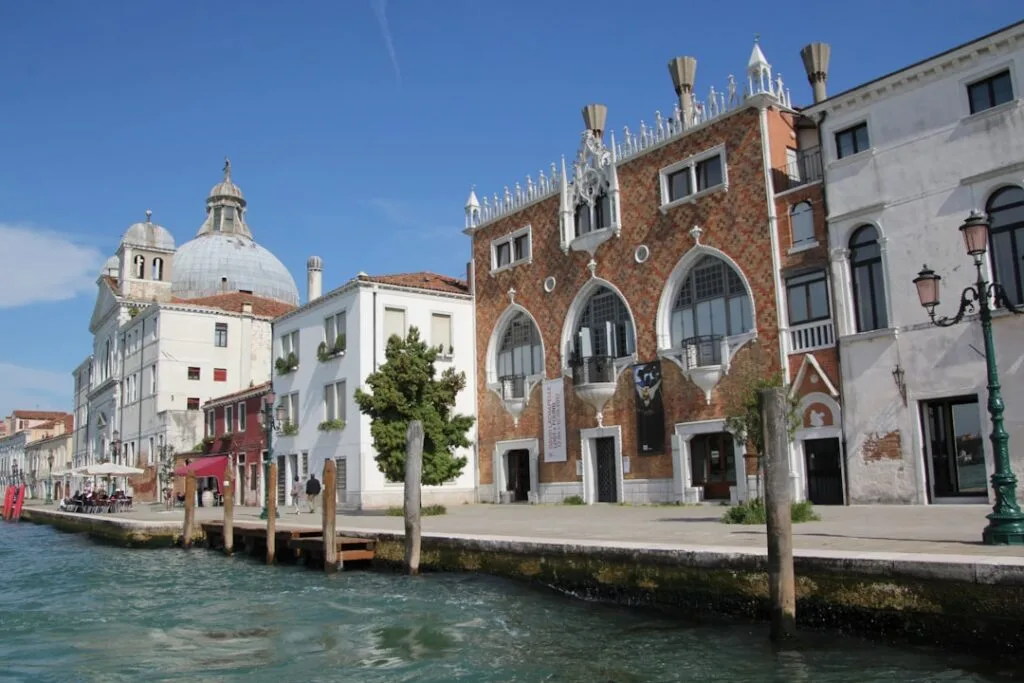
Venice is a city of legends, watery alleyways and artistic riches. Yet just a short vaporetto ride away, two islands offer a completely different experience: Murano, the birthplace of blown glass, and Burano, a tiny rainbow-hued paradise and lace-making stronghold. Seeing Murano and Burano in one day from Venice is a packed but rewarding experience — a microcosm of Venetian craft and island life that benefits from good planning to make the most of every minute. This guide walks you through the day step by step, from stepping off the vaporetto to visiting workshops and museums, pointing out the best photo spots and practical tips so you don’t miss a thing.
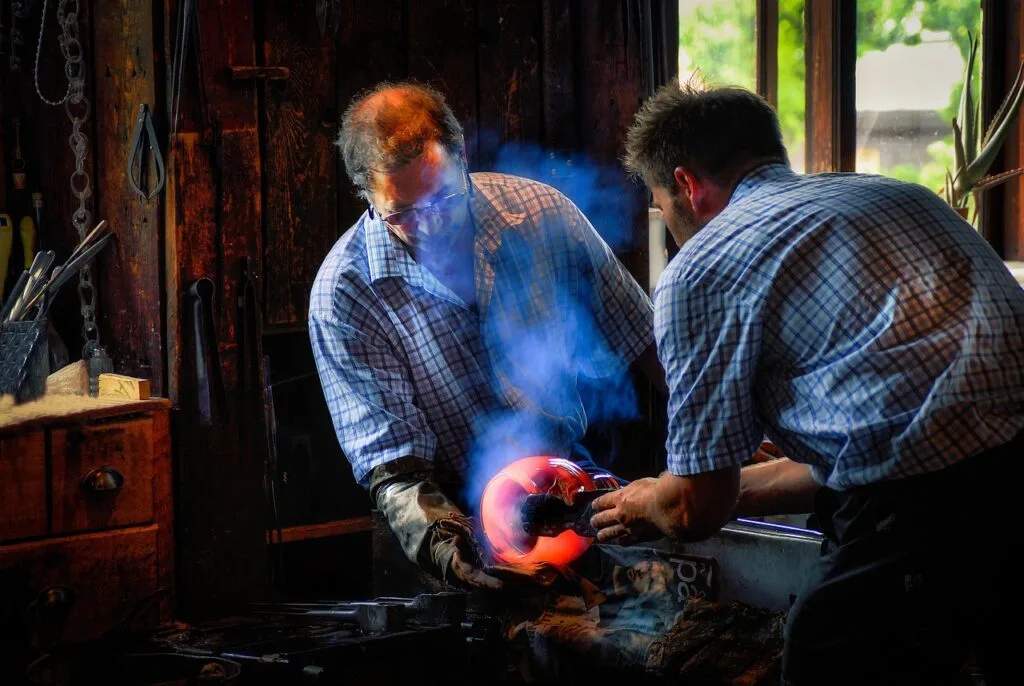
Starting early from central Venice — Piazzale Roma, Santa Lucia station or St. Mark’s Square — boosts your chances of catching live glassblowing demonstrations in Murano and avoiding the crowds on Burano’s quays. Since the 15th century Murano has concentrated Venetian glass production: its furnaces, master glassblowers and shops are the product of a centuries-old tradition. The Museo del Vetro conserves ancient and contemporary pieces and explains the evolution of techniques. A short walk away, active workshops stage live demonstrations where you can watch sand transform into a precious object under the hands of a maestro.
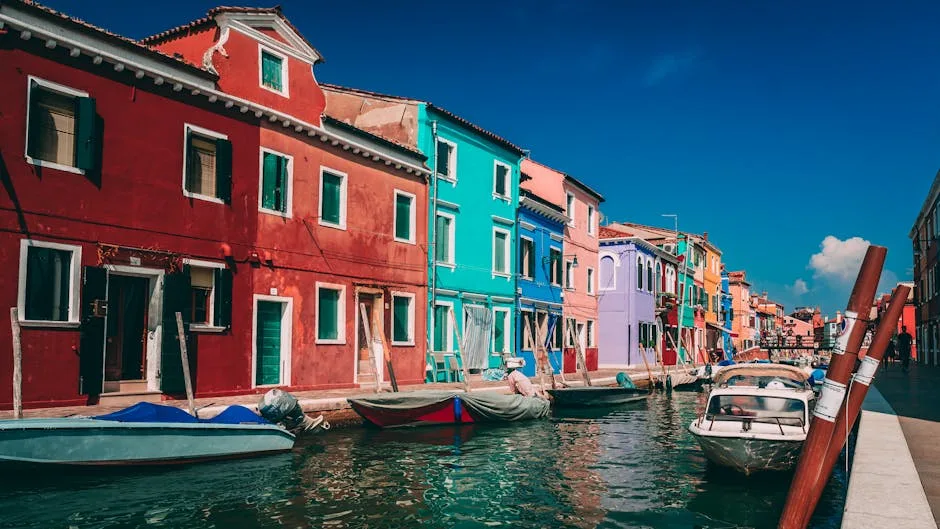
Burano, further northeast in the lagoon, is a striking contrast: houses painted in vivid hues, tranquil canals, small squares and picturesque bridges. Burano lace — once essential to European haute couture — is showcased at the Museo del Merletto and in artisan shops where pieces are still made by hand following traditional patterns. This isn’t just a photo walk: it’s an immersion in delicate crafts, island communities and a slower rhythm of life than on the main tourist islands.
In this comprehensive article you’ll find a realistic itinerary for doing Murano and Burano in one day, exact addresses (museums, churches, workshops, boarding points), indicative prices in euros, typical opening hours, immersive step-by-step descriptions, plus practical tips for transport, food, photography and buying craft items without getting ripped off. Practical information (hours, prices) is based on commonly published data from the venues but can change with the season; check official sites before you go.
Planning your day: tickets, schedules and a sample itinerary
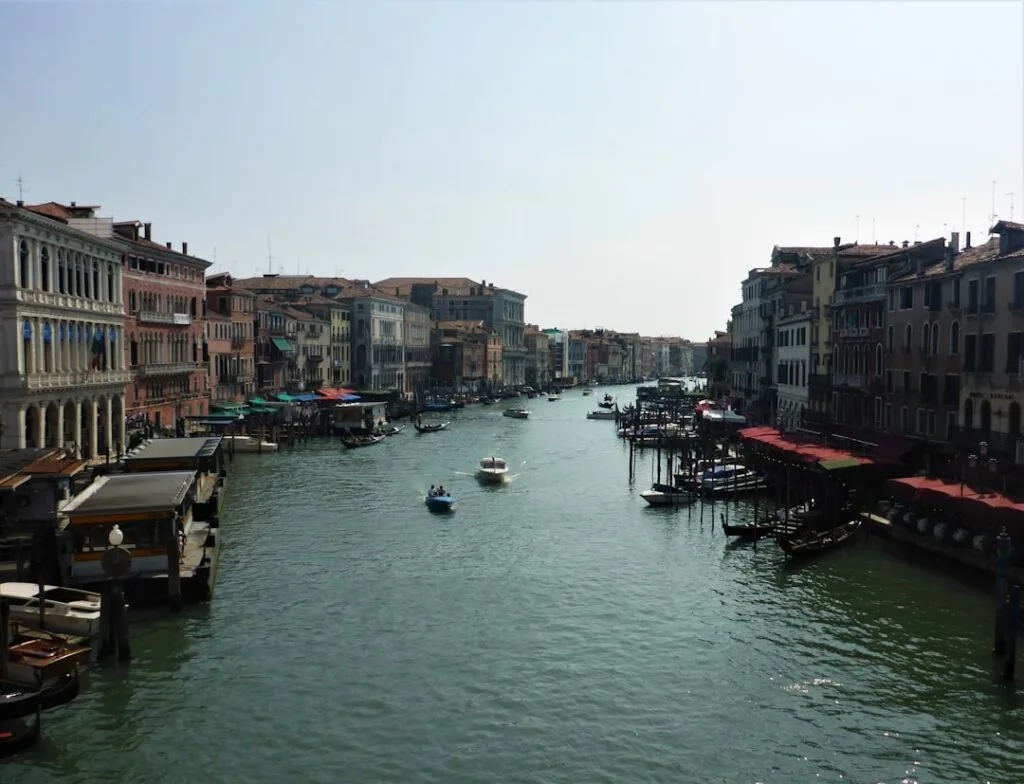
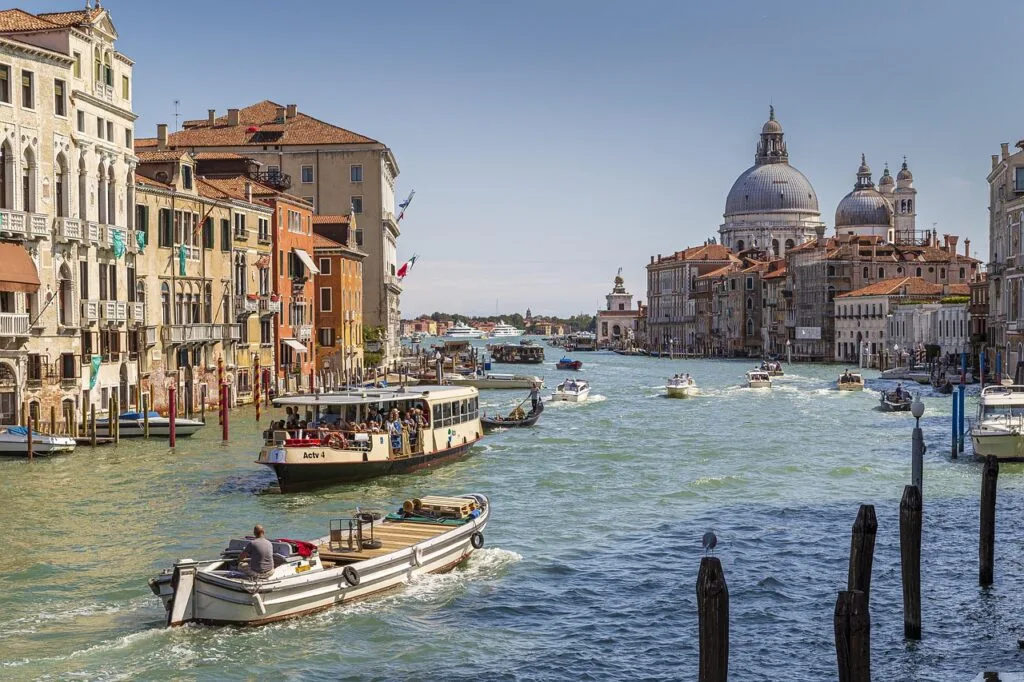
Tackling Murano and Burano in a single day needs simple but disciplined planning. Essentials to sort out: departure times, vaporetto tickets, how long to spend at each stop and a few backup spots for lunch or a coffee break. From most central Venice points (St. Mark’s Square, Santa Lucia railway station, Fondamenta Nove), the ACTV lines serve Murano and then connect on to Burano. The vaporetto ride to Murano usually takes 10–20 minutes depending on the line and your departure point; from Murano to Burano expect roughly 20–40 minutes including stops.
Tickets and prices: a single ACTV vaporetto ticket is typically around €8.00 per trip (indicative price — check current rates). If you plan multiple trips in a day, the ACTV 24-hour pass (valid on vaporetti and buses) is often cheaper. In 2024/2025, 24h/48h/72h passes were offered at variable prices — for example 24h ≈ €30.00 (indicative); check ACTV sales points or ticket machines before you leave.
Recommended sample itinerary:
- Leave early (8:00–9:00) from Venice to Murano (get off at Museo/Murano Colonna depending on the line).
- Visit the Museo del Vetro and watch a glassblowing demo (allow 1.5–2 hours).
- Stroll around Murano: Basilica dei Santi Maria e Donato, workshops and shops (about 1 hour).
- Take the vaporetto to Burano in late morning (aim to arrive before noon if possible).
- Lunch on Burano, wander the island and visit the Museo del Merletto and San Martino church (about 2 hours).
- Return to Venice in the late afternoon.
 Click here to book a half-day boat tour to Murano and Burano
Logistical tip: start with Murano if you’re leaving from central Venice; glassblowing demonstrations are often scheduled in the morning when the furnaces are hottest. Book museum tours or private demos where possible (some glassworks require reservations). Bring water, a hat and comfy shoes — the quays are cobbled and lanes can be narrow.
Murano: detailed route, addresses and must-see experiences
Famous for its glass, Murano is also an island of small squares, old churches and shops that still smell faintly of furnace and powdered sand. Here’s a 2–3 hour route that packs in the highlights.
Museo del Vetro (Museo del Vetro di Murano)
Address: Fondamenta Giustinian, 8, 30141 Murano VE, Italy.
Typical opening hours: usually open from 10:00 to 18:00 (closed some days off-season); check opening on the day you go.
Indicative price: €8.00–€10.00 for standard admission; discounts for students and seniors may apply seasonally.
Immersive description: the Museo del Vetro traces the history of Venetian glass from antiquity to the present day. The displays include Roman pieces, gilded glass, examples of mosaics and the famous filigree glass. Housed in the Palazzo Giustinian, the museum combines Venetian architecture with well-lit display cases. You’ll notice the warm scent of the material, the shine of polished pieces and the painstaking detail of the collections.
Tip: pair the museum visit with a demonstration at a nearby furnace — public demos usually last 20–30 minutes and cost between €8.00 and €15.00 if you want a souvenir made on the spot. One example of a studio offering demos is Vetreria Artistica Colleoni (locations vary on the island; ask locally).
Click here to join a glassblowing workshop in Murano
Basilica dei Santi Maria e Donato
Address: Campo Santi Maria e Donato, 30141 Murano VE, Italy.
Typical hours: generally open to the public in the mornings and in the afternoon for self-guided visits; masses and services follow the parish schedule.
Price: often free to enter for personal visits; donations are suggested for upkeep.
Description: this 12th-century basilica is a Roman-Byzantine gem, renowned for its ancient mosaic floor and understated façade. Inside, the light through stained glass highlights mosaics and a large medieval reliquary. The church’s silhouette, with its arches and bell tower, is typical of the small lagoon island ecclesiastical style.
Strolling and shopping: after the museum and church, wander along the fondamenta and side canals. Glass shops display contemporary creations alongside more tourist-focused items. Tip: favor workshops where you can watch production (ask for a receipt and the “certificazione”) and avoid souvenir shops near the quays if prices look suspiciously low — quality will suffer.
Burano: color, lace and the perfect lunch spot
A bit further out, Burano is a must for its vibrant atmosphere and craft traditions. The first thing that hits you is the color palette: pinks, yellows and turquoise reflecting in the water. Get your camera ready and be prepared to stroll narrow streets and cross charming little bridges.
Museo del Merletto (Museum of Lace)
Address: Museo del Merletto, Sestiere di Burano, 15, 30142 Burano VE, Italy.
Typical opening hours: often open from 10:00 to 17:00; closed some days off-season (check before you go).
Indicative price: €4.00–€6.00 standard admission (reduced rates possible).
Immersive description: the museum tells the story of Burano lace, from needlework in monastic workshops to commissions by European nobility. Displays show finely stitched doilies, collars and samples of needle lace. The history is tangible in the samples, patterns and technical drawings that reveal the patience behind this meticulous art.
Click here to book a boat trip to Murano and Burano
San Martino Church and its leaning bell tower:
Address: Chiesa di San Martino, Campo San Martino, 30142 Burano VE, Italy.
Hours: open according to services; visits usually possible during the day.
Description: the parish church of San Martino features a slightly tilted bell tower, an iconic image of Burano. Inside, paintings and a baroque altar tell the local religious story. The campanile often provides perfect photographic angles for capturing the colorful façades around it.
Lunch: Burano’s cuisine highlights fish and rice. For an authentic meal, look for a restaurant away from the small main harbor where prices tend to spike. A cuttlefish risotto or a fresh fish plate with a glass of local wine is a great way to soak up the lagoon tradition. Tip: in high season reserve a table between 12:00 and 13:30.
Practical tips, safety and buying crafts
Getting around between Venice, Murano and Burano seems straightforward but there are practical rules to keep in mind: watch vaporetto schedules, manage your time at each stop and be cautious when shopping. Here are local tips that make a difference.
- Tickets and validation: always validate your ACTV ticket before boarding the vaporetto. Tickets may be checked on board; fines for non-validated tickets can be steep.
- Vaporetto schedules: check the ACTV app or the timetables at stops. Some lines run less frequently in the evening and off-season.
- Safety: the islands are generally safe. Keep an eye on your belongings near the quays and when stops are crowded.
- Buying crafts: for Murano glass, ask for a certificate of authenticity (Vetro Artistico Murano). For lace, favor shops that show work in progress or sell signed pieces. Be wary of very cheap items that imitate local techniques without the quality.
- Time budget: allow at least 2–3 hours per island if you want to visit museums and see a demonstration; 1 hour is usually too short.
Photography: the best light for photos is morning for Murano (soft light on furnaces and façades) and mid-afternoon for Burano (saturated colors). Respect artisans’ and residents’ privacy; ask permission before taking close-up photos of someone working.
Sample times and price summary (check before you go)
To help organize your day, here’s a quick recap of the mentioned places and approximate practical info. Important reminder: these details may change; always check official sites or call ahead.
- Museo del Vetro, Fondamenta Giustinian, 8, 30141 Murano VE — Typical hours: 10:00–18:00 — Price: €8.00–€10.00.
- Basilica dei Santi Maria e Donato, Campo Santi Maria e Donato, 30141 Murano VE — Self-guided visits, donations suggested — Hours per services.
- Museo del Merletto, Sestiere di Burano, 15, 30142 Burano VE — Typical hours: 10:00–17:00 — Price: €4.00–€6.00.
- Chiesa di San Martino, Campo San Martino, 30142 Burano VE — Visits depend on parish schedule.
- ACTV vaporetto — single ticket ≈ €8.00 (indicative); 24h pass ≈ €30.00 (confirm current pricing).

If it rains: focus on museums and indoor demonstrations; bring a lightweight raincoat. In summer: sunscreen, a hat and water. In winter: layers and waterproof shoes.
Conclusion
Visiting Murano and Burano in one day from Venice is a rich experience that’s perfectly doable with the right planning. By setting out early, prioritizing glass demonstrations and museum visits, you can combine Murano’s millennia-old glass history with Burano’s colorful artisan charm without rushing unnecessarily. The key addresses — Museo del Vetro (Fondamenta Giustinian, 8), Basilica dei Santi Maria e Donato (Campo Santi Maria e Donato) in Murano, and Museo del Merletto (Sestiere di Burano, 15) and Chiesa di San Martino (Campo San Martino) in Burano — form the backbone of a successful itinerary.
Beyond monuments and museums, it’s the small moments that linger: the heat of a furnace, the crisp snip of scissors on lace, the reflection of a pink house in still water, the taste of a seafood risotto eaten on a canal-side terrace. Every glass object or lace piece you buy becomes a tangible link to endangered crafts celebrated by these small communities.
Finally, remember that the mentioned hours and prices are indicative: always check updates before your trip. Favor studios that welcome visitors, ask for authenticity certificates with purchases and respect local life. With a little preparation, your Murano–Burano day will leave you with unforgettable images and objects that tell a story. Buon viaggio e buona scoperta!