





Introduction
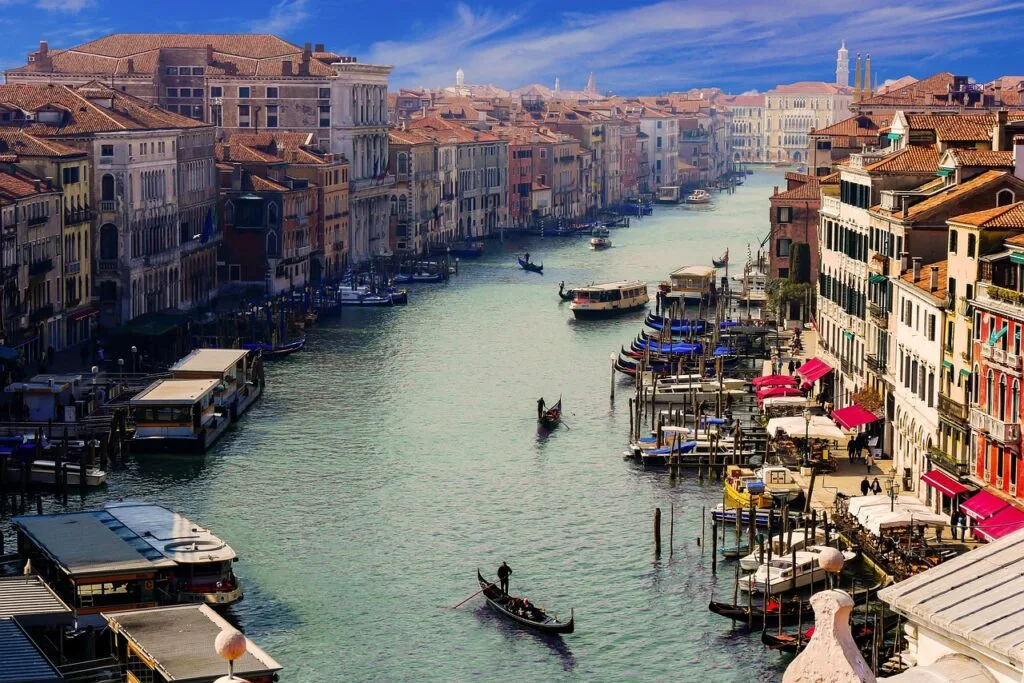
Venice is a city best discovered from the water. Beyond the romantic gondolas and the official vaporetti, a network of traditional crossings — the traghetti — preserves an authentic, everyday way to hop across the Grand Canal. These simple ferries, steered by a standing boatman with a pole or oar, are not only a practical and inexpensive way to get from bank to bank but also a private window onto views that locals cherish. In this article, we set out to explore Venice’s historic traghetto lines and the nearby curiosities: monuments, tucked-away corners, exact addresses, fares, typical schedules and useful tips to get the most out of each crossing.
The traghetto is at once a relic from a time when waterways ruled transport and a sensory experience: the slap of water against the hull, the salty lagoon air, the panorama of time-worn façades. Trips are short — often under a minute — but they leave lasting impressions. They bring travelers close to emblematic spots like the Ponte di Rialto, the Basilica di Santa Maria della Salute or La Pietà, and to anonymous passages where everyday Venetian life unfolds along the fondamenta (quays) and in the calli (narrow streets).
Below you’ll find detailed descriptions of the most iconic traghetti (Rialto, Accademia, Santa Maria del Giglio and others), nearby sights not to miss, full addresses, usual hours and prices in euros. Each section also includes practical advice: when to walk instead, what time of day gives the best light for photos, how to buy or prepare your ticket, and how to combine a traghetto crossing with visits to famous sites like the Doge’s Palace or the Gallerie dell’Accademia.
Traghetti are a great way to escape the tourist crush while enjoying a truly Venetian experience. Whether they serve as daily transport for locals or a curiosity for visitors, each crossing tells a little story of Venice: markets, religious processions, deliveries by boat, marble-adorned façades, small artisan workshops. This guide will help you plan your routes, spot the must-see places around embarkation points and understand the cultural and practical importance of these ferries. We’ll also add recommendations for photographing, eating and getting around without stress: precise addresses like the Basilica di Santa Maria della Salute (Dorsoduro, 1, 30123 Venezia VE) and tips on ACTV tickets and local etiquette.
Traghetto di Rialto and Its Historic Neighbourhood
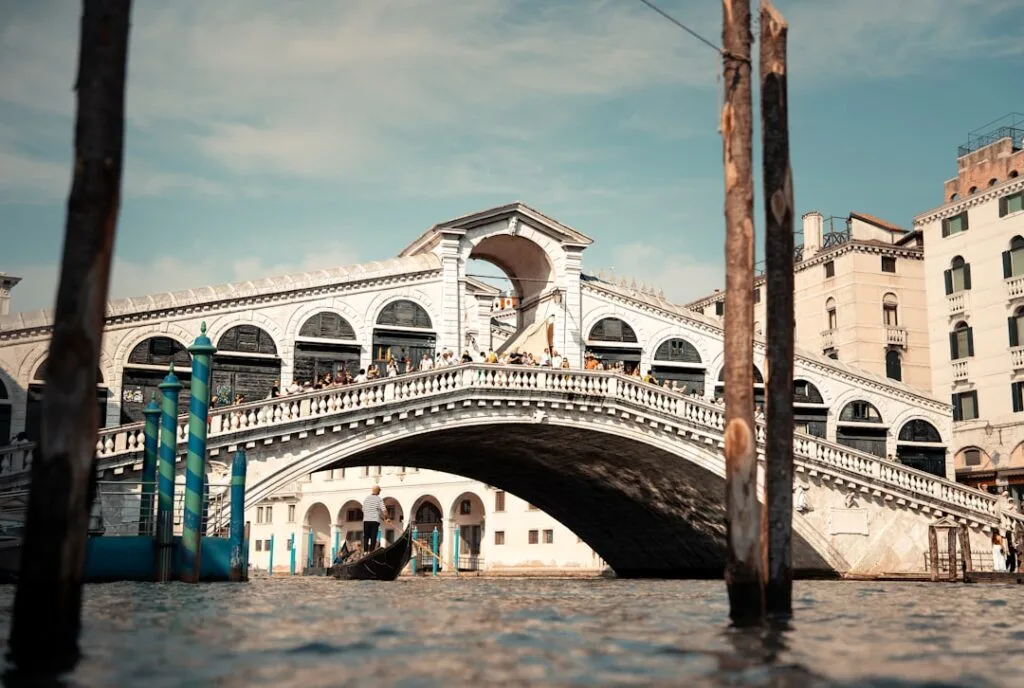
The most famous traghetto is probably the one by the Ponte di Rialto. It links the north and south banks right next to the Rialto market and the eponymous bridge, one of Venice’s icons. The Ponte di Rialto (Rialto Bridge) sits on Riva del Ferro / Sestiere San Polo, 30125 Venezia VE and the traghetto is usually found on the fondamenta close to the market’s bancaiole (stallholders).
Exact address for the traghetto: Fondamenta San Giacomo, 30125 Venezia VE (approximate landing spot depending on where the boat ties up). Price: around €2.00 per crossing (single flat fare, cash accepted; check current ACTV rates). Typical hours: roughly 9:00–19:00 in high season, with more frequent runs in the morning and late afternoon; in low season crossings can be less regular. Times may vary with the weather and local festivities (Carnival, Festa della Sensa).
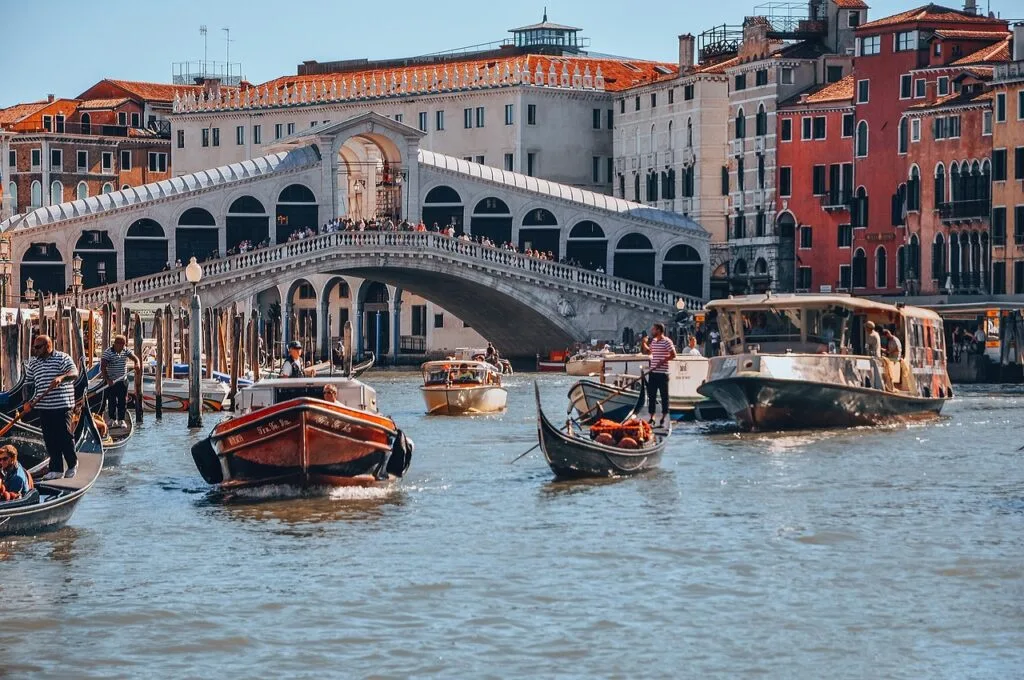
Immersive description: boarding the traghetto near Rialto, you pass under the watchful presence of the bridge, between stone shopfronts and tiny souvenir stores. The trip gives a unique perspective on the mercato di Rialto (Mercato di Rialto, Campo de la Pescaria, 30125 Venezia VE), where stalls of fish, produce and spices paint a lively tableau. Shouts from the vendors and the colors of nets and crates add to the authenticity. The crossing drops you off just steps from the Ponte di Rialto, so you can dive straight into exploring the market, the bridge and the adjoining narrow lanes.
Practical tips: avoid peak hours (11:00–15:00) if you want a quieter crossing and better photos. Early morning offers soft light ideal for capturing the warm tones of the palaces. If you’re traveling with luggage, choose the ponte or a vaporetto which provide more space. Don’t forget to check the weather: during an alta marea (high tide), some fondamenta may be partially flooded.
 Click here to book an exclusive Rialto market tour
Exact address for the traghetto: Fondamenta San Giacomo, 30125 Venezia VE (approximate landing spot depending on where the boat ties up). Price: around €2.00 per crossing (single flat fare, cash accepted; check current ACTV rates). Typical hours: roughly 9:00–19:00 in high season, with more frequent runs in the morning and late afternoon; in low season crossings can be less regular. Times may vary with the weather and local festivities (Carnival, Festa della Sensa).
Immersive description: boarding the traghetto near Rialto, you pass under the watchful presence of the bridge, between stone shopfronts and tiny souvenir stores. The trip gives a unique perspective on the mercato di Rialto (Mercato di Rialto, Campo de la Pescaria, 30125 Venezia VE), where stalls of fish, produce and spices paint a lively tableau. Shouts from the vendors and the colors of nets and crates add to the authenticity. The crossing drops you off just steps from the Ponte di Rialto, so you can dive straight into exploring the market, the bridge and the adjoining narrow lanes.
Practical tips: avoid peak hours (11:00–15:00) if you want a quieter crossing and better photos. Early morning offers soft light ideal for capturing the warm tones of the palaces. If you’re traveling with luggage, choose the ponte or a vaporetto which provide more space. Don’t forget to check the weather: during an alta marea (high tide), some fondamenta may be partially flooded.
Traghetto Accademia: Art and Views Toward the Salute
The Accademia traghetto is especially popular with art lovers as it’s right by the Gallerie dell’Accademia (Campo della Carità, Dorsoduro, 1050, 30123 Venezia VE) and the famous Ponte dell’Accademia. The crossing point also gives easy access to the Basilica di Santa Maria della Salute (Punta della Dogana / Salute, Dorsoduro, 1, 30123 Venezia VE) and the Peggy Guggenheim Foundation.
Traghetto address: Fondamenta Zattere, 30123 Venezia VE (Dorsoduro side, near Accademia). Price: around €2.00 per crossing. Hours: generally 9:00–18:30; in summer services may run until 20:00. As with other lines, it’s wise to confirm local times on-site or via ACTV/infopoints.
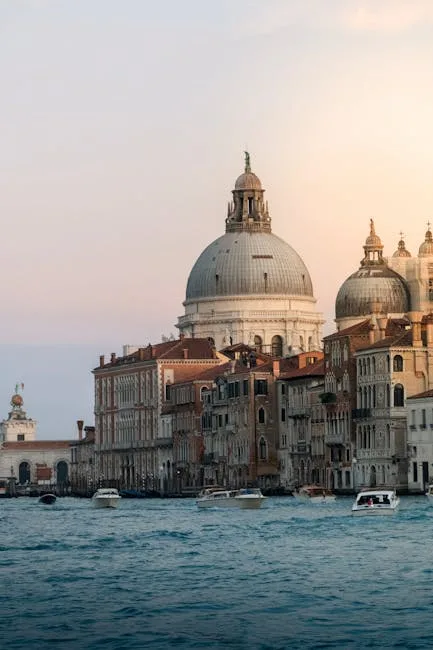
Immersive description: boarding from the Accademia traghetto plunges you into a visual sequence where rooftops and domes mingle with the canal’s ripples. When you step off, turn towards the haunting silhouette of the Basilica di Santa Maria della Salute, built in the 17th century as an ex-voto for the end of the plague: its white dome cuts against the blue sky and scatters light across the water. The walk toward the Galleria dell’Accademia takes you past artisan workshops, specialist bookshops and cafés with terraces overlooking the Grand Canal.
Nearby: the Peggy Guggenheim Collection (Palazzo Venier dei Leoni, Dorsoduro, 701-704, 30123 Venezia VE) is a short walk away; indicative entry price: €16.00, hours: 10:00–18:00 (closed Tuesdays; check before you go). For more classical works, the Gallerie dell’Accademia houses paintings by Bellini, Titian and Veronese — indicative price: €12.00–€15.00, hours: 8:15–19:15 depending on the season. Buy tickets online to skip the queues.
Practical tips: if you want to photograph the Salute’s dome, wait for golden hour (late afternoon) for warm tones. The lanes around Accademia are narrow: wear comfortable shoes and be mindful of barge deliveries that can block the fondamenta at certain times.
Click here to buy a ticket for the Peggy Guggenheim

Traghetto address: Fondamenta Zattere, 30123 Venezia VE (Dorsoduro side, near Accademia). Price: around €2.00 per crossing. Hours: generally 9:00–18:30; in summer services may run until 20:00. As with other lines, it’s wise to confirm local times on-site or via ACTV/infopoints.
Immersive description: boarding from the Accademia traghetto plunges you into a visual sequence where rooftops and domes mingle with the canal’s ripples. When you step off, turn towards the haunting silhouette of the Basilica di Santa Maria della Salute, built in the 17th century as an ex-voto for the end of the plague: its white dome cuts against the blue sky and scatters light across the water. The walk toward the Galleria dell’Accademia takes you past artisan workshops, specialist bookshops and cafés with terraces overlooking the Grand Canal.
Minor Traghetti: Santa Maria del Giglio, San Samuele and San Toma
Beyond the better-known crossings, Venice has several “minor” traghetti serving residential areas and offering access to lesser-visited gems. Among them: the traghetto di Santa Maria del Giglio (near Teatro La Fenice), the traghetto di San Samuele (between Dorsoduro and San Marco) and the traghetto di San Toma (near Ca’ Foscari University).
Addresses and practical details:
- Traghetto di Santa Maria del Giglio — Approximate address: Calle del Teatro La Fenice, 30124 Venezia VE; Price: €2.00; Hours: 9:00–18:30.
- Traghetto di San Samuele — Address: Fondamenta San Samuele, 30124 Venezia VE; Price: €2.00; Hours: 9:30–19:00.
- Traghetto di San Toma — Address: Fondamenta San Toma, 30121 Venezia VE (near Università Ca’ Foscari); Price: €2.00; Hours: 8:30–19:00.
Immersive description: these short crossings bring you close to everyday scenes: women returning from the market with bags, delivery people mooring their cargo, teenagers dashing off to school. The traghetto di Santa Maria del Giglio, for example, sits near the Teatro La Fenice (Campo San Fantin, 1965, 30124 Venezia VE) whose gilded façade and interior are worth a visit; guided tour prices vary, often around €9.00–€12.00, and opening times depend on performances and tours.
Practical tips: these crossings are perfect for travelers wanting to dodge the classic tourist routes. They’re handy for hopping on and off quickly without backtracking. For photographers, these quieter runs let you capture authentic street scenes with historic backdrops, away from the crowds.
Click here to book a guided tour of Teatro La Fenice
Curiosities Around Disembarkation Points: Markets, Workshops and the Fondamenta
Every traghetto landing is a doorway to curiosities often overlooked by standard tourist routes. Near the crossing points you’ll find historic markets, artisan workshops, small churches and fondamenta where Venetian life unfolds. Here are some specific places to explore after a crossing.
Places and addresses:
- Mercato di Rialto (Pescaria, Campo della Pescaria, 30125 Venezia VE) — Hours: usually 7:00–14:00; price: free to enter, purchases vary by stall.
- Scuola Grande di San Rocco (Calle San Polo, 3052, 30125 Venezia VE) — Address: San Rocco, 3052, 30125 Venezia VE; Hours: 9:30–17:30; Price: €9.00–€10.00.
- Campo Santa Margherita (Dorsoduro, 30123 Venezia VE) — A lively square with cafés and night markets; free access.
- Arsenale di Venezia (Arsenale, Castello, 30122 Venezia VE) — Historic naval area; some parts open to the public during exhibitions; hours and prices vary.
Immersive descriptions: stroll along the fondamenta after you step off: façades reveal different eras, from Gothic houses to Renaissance palaces. Scents shift from freshly ground coffee to the briny tang of fish stalls. Jewellery makers and mask-makers’ workshops (often in the Sestiere di San Polo and Dorsoduro) display windows and works-in-progress, offering a peek at authentic local craftsmanship.
Local tips: favor the morning for the Rialto market when fish are freshest and the activity is at its peak. Carry cash for purchases at small vendors; many still don’t accept cards. Learn a few basic Italian words (hello « buongiorno », thank you « grazie »): it opens doors and often earns a warmer reception.
Click here to join a Venetian mask workshop
Practical Tips for Traveling by Traghetto: Tickets, Safety and Etiquette
Getting around by traghetto takes a bit of planning. Here’s a practical guide to buying tickets, staying safe and respecting local customs so you can experience crossings like a local.
Tickets and fares: most traghetti apply a fixed fare of around €2.00 per crossing (indicative price). Some routes may accept card payments via a mobile terminal, but cash is often preferred. ACTV passes and subscriptions (Venice’s public transport network) may not be valid on all traditional boats — check before boarding. Generally you can pay directly to the boatman or at a small kiosk near the embarkation point.
Safety and boarding: traghetti are small craft; when boarding or disembarking, watch for movement from waves and passing boats. Access points can be slippery in winter or during high tide. Parents should keep children close. Follow the boatman’s instructions; crossings may be suspended in storms or heavy swell.
Local manners: don’t block traffic when you get on; let people off before you step on. Avoid intrusive photos of locals. If you buy local products, try to have exact change. Finally, remember these crossings serve Venetians every day: a smile and a quick “grazie” go much further than a loud, drawn-out conversation.
Photo tip: for great shots, avoid midday when the light is harsh. Golden hour and blue hour bring warm tones and magical reflections on the water. Small crossings often give you close-up angles on doors, knockers and stone plaques — vary your framing and depth of field.
Conclusion
Venice’s historic traghetto is more than a simple way to cross the Grand Canal: it’s a cultural, sensory experience — a communion with a city of water and stone. Each crossing, whether near the Ponte di Rialto, the Accademia or one of the smaller points like Santa Maria del Giglio, opens onto a microcosm where everyday life and heritage meet. In seconds you can move from a bustling square to a silent street, from a fragrant market to artisan workshops, living a moment that concentrates the essence of Venice.
To make the most of these moments, come prepared: carry small change for crossings (about €2.00 per trip), check local schedules (services vary by season, high water and events) and plan visits to nearby monuments. The addresses mentioned — Basilica di Santa Maria della Salute (Punta della Dogana / Salute, Dorsoduro, 1, 30123 Venezia VE), Gallerie dell’Accademia (Campo della Carità, 1050, 30123 Venezia VE), Ponte di Rialto (Riva del Ferro / San Polo, 30125 Venezia VE), Palazzo Ducale (Piazza San Marco, 1, 30124 Venezia VE) and Peggy Guggenheim Collection (Palazzo Venier dei Leoni, Dorsoduro, 701-704, 30123 Venezia VE) — will serve as excellent stopping points to extend the experience.
Finally, let yourself be carried by the slowness and poetry of the crossings. Take time to listen, observe architectural details and port activities, and greet the boatmen who often pass down centuries of know-how. By venturing off the beaten path via the traghetti, you’ll discover intimate, living, ever-changing Venices — and you’ll leave with images and memories that no guidebook or tourist photo can fully convey.
Click here to book a skip-the-line ticket for the Doge’s Palace