





Introduction: Why choose a 5-day slow-travel stay in Venice
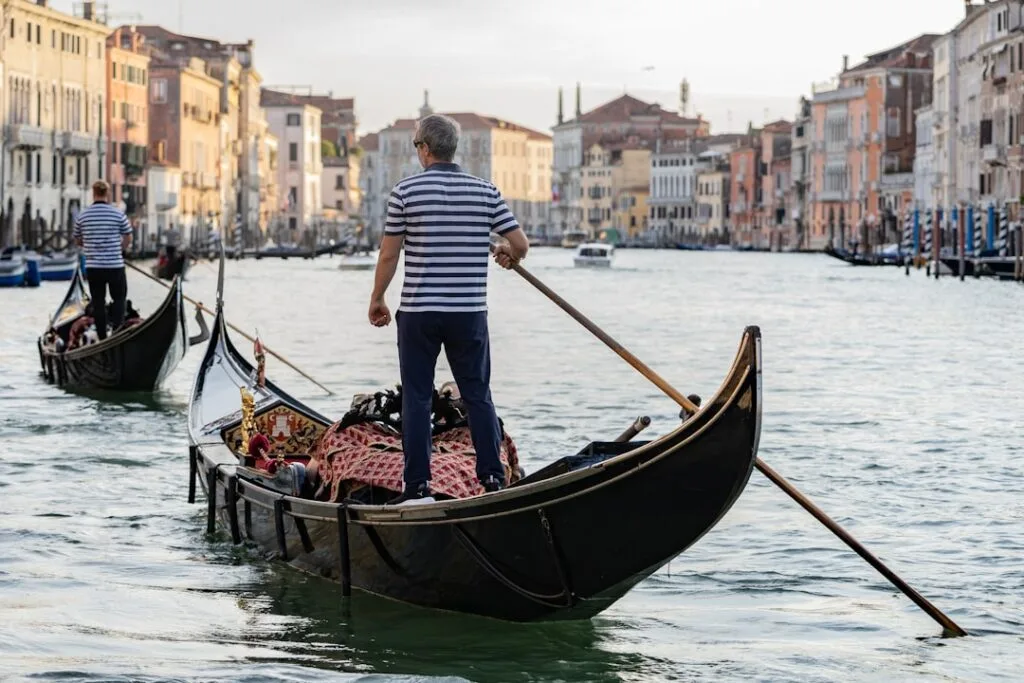
Venice isn’t a city to rush through. Built on a lagoon and woven from canals and narrow alleys, it’s best explored on foot or by slow boat, with curiosity and attention. A five-day slow travel itinerary lets you step away from ticking off sights and instead sink into the unhurried rhythm of terrace cafés, morning markets, artisan workshops and sunsets over the Grand Canal. Five days is enough to see the essentials without hurrying: sip a spritz while watching gondolas glide by, listen to campanile bells, and let the maze of calli (alleys) surprise you.
Rather than racing from Machine—Basilica—Bridge without looking around, this plan gives you long stretches at key spots: wander around Piazza San Marco at dawn, take your time climbing the Campanile for morning light, have coffee at Caffè Florian and watch the world go by, then lose yourself in Dorsoduro or Cannaregio. It also includes day trips to nearby islands (Murano, Burano, Torcello) to better understand Venice’s relationship with water and traditional crafts like glassblowing and lace.
Slow travel also means practical choices: favor the vaporetto (water bus) for short crossings, buy the right vaporetto ticket or pass, book certain visits in advance (Doge’s Palace, St. Mark’s Basilica) to skip lines, but most importantly leave open blocks of time to follow your whims—an unexpectedly discovered gallery, a restaurant recommended by a local, an artisan’s workshop. The goal isn’t to exhaust the city but to retain it. After five days you’ll have an intimate map of Venice: places visited in depth, memorable flavors, and the feeling of having lived the city rather than just snapped photos of it on the go.
 Click here to buy a Venice City Pass with museums included
Click here to book priority access to the Doge’s Palace
This detailed guide will give you exact addresses, opening hours, price indications in euros and local practical tips for each day. It’s designed for travelers who want to feel Venice: hear gondoliers’ songs on a canal, watch a master glassblower in Murano, eat a simple but excellent meal in a neighborhood osteria, and linger at the Accademia so the paintings have room to breathe. Bring good walking shoes, a jacket for the lagoon breeze and the willingness to take your time. Let’s begin.
Day 1: Piazza San Marco, the Basilica and the historic core
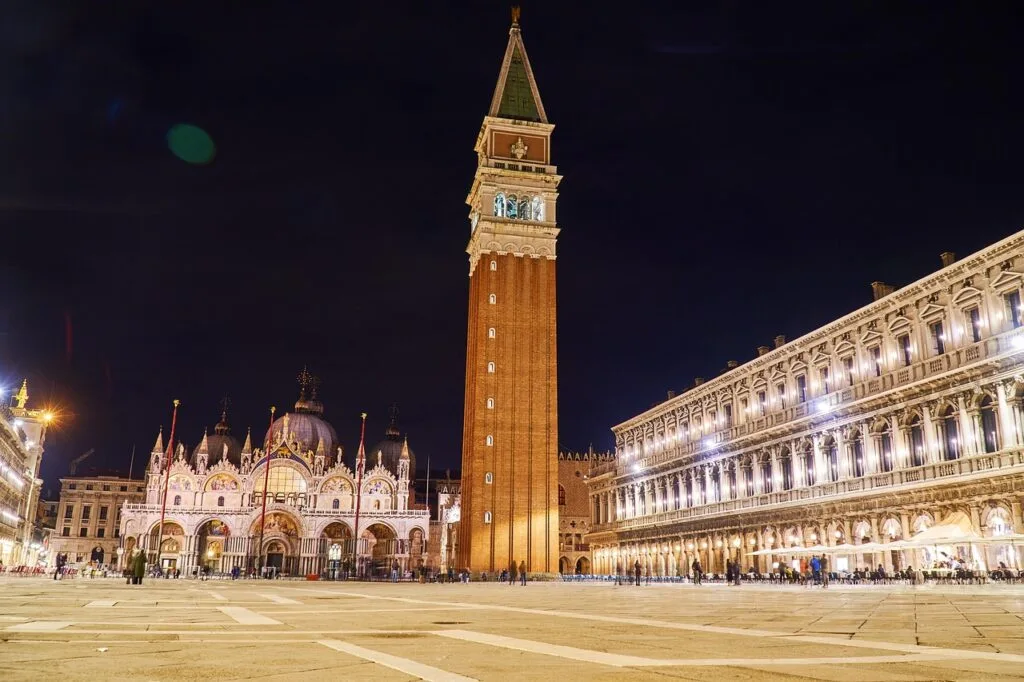
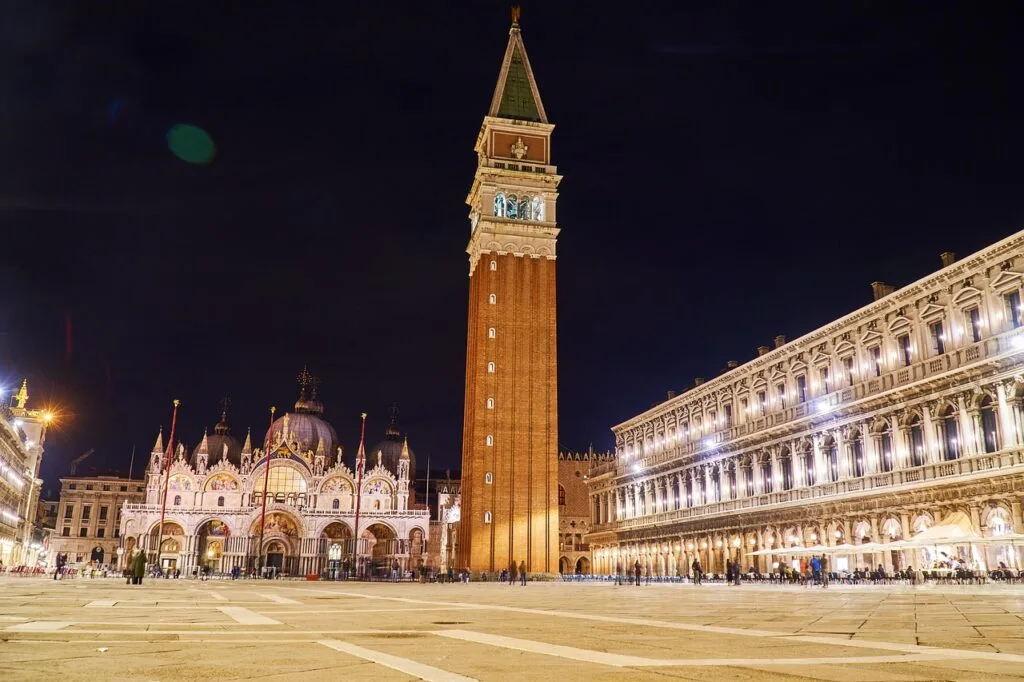
Start your stay in the heart of the city: Piazza San Marco (Piazza San Marco, 30124 Venezia VE). At dawn the square is nearly empty and the light brings out mosaics and columns. Walk around to spot the Basilica di San Marco (Piazza San Marco, 328, 30124 Venezia VE). Hours: usually 9:30–17:00 (times vary with masses and seasons; entry to the basilica itself is free, but access to museum areas and the terrace is paid). Price indications: museum areas and terrace around €8–€10 depending on options; booking online is recommended to avoid queues.
Right next door, the Palazzo Ducale (Doge’s Palace) (Piazza San Marco, 1, 30124 Venezia VE) is essential for understanding the political and artistic history of the Serenissima. Hours: 9:00–19:00; price: combined ticket with Museo Correr and Museo Archeologico typically around €25–€30 (reduced rates for students and seniors). Inside, don’t miss the Scala dei Giganti, the Sala del Maggior Consiglio and the Ponte dei Sospiri (Bridge of Sighs). Slow-travel tip: prefer a late afternoon visit for the light on the gilded rooms and smaller crowds.
For lunch, look for a less touristy osteria in the Castello neighborhood, for example Osteria Ai Promessi Sposi (Calle degli Oresi), or try a cicchetteria to sample Venetian tapas (cicchetti) from €2–€4 each. Spend a relaxed afternoon at the Museo Correr (Piazza San Marco, 52) to learn the city’s history, then have coffee at the Caffè Florian (Piazza San Marco, 56) if your budget allows (table coffee around €7–€15 depending on seating).
- Practical tip: buy skip-the-line tickets online for the Basilica and the Doge’s Palace.
- Transport: walking on the first day helps memorize landmarks; avoid the vaporetto in the historic center.
- Safety/price note: be aware of high prices in the square—table service coffee bills can be surprising.
Click here to book priority access to St. Mark’s Basilica
Day 2: Rialto, the markets and the Grand Canal by vaporetto
On day two, adopt a market-and-water pace. Morning: head to the Ponte di Rialto (Rialto Bridge) (Sestiere San Polo) for the view over the Grand Canal and to photograph palace façades. Under the bridge the Mercato di Rialto (Ruga degli Oresi, 30125 Venezia VE) comes alive early: fresh fish, local produce and spices. Market hours: generally 7:00–13:00; ideal for breakfast or a snack.
Cross over for a light seafood lunch at a trattoria near the market—fish dishes run between €12–€25. In the afternoon, hop on an ACTV vaporetto along the Grand Canal: there are many stops and routes; a single ticket (limited validity) is roughly €8 for 75 minutes; 24-hour passes around €25 (prices change—check the ACTV site). The ride gives a unique perspective on the city’s rhythm, its old palaces and colorful façades.
Click here to take a one-hour Grand Canal boat tour
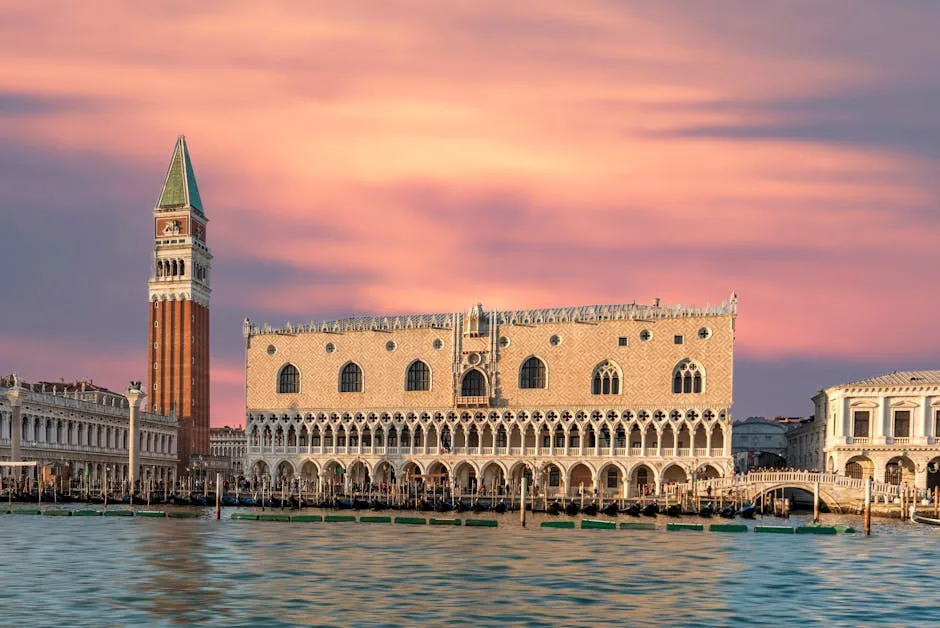
Then visit the San Polo district and its small churches, or head up toward Teatro La Fenice (Campo San Fantin, 1965, 30124 Venezia VE) for a guided tour (tour hours 10:30–17:30; entrance about €12–€15) and, if possible, attend an opera or concert in the evening. End the day with a relaxed dinner in a bacaro (wine bar) to sample cicchetti and a spritz: cicchetti typically €3–€6 each, spritz €3–€7.
Click here to visit Teatro La Fenice with an expert guide
- Practical tip: buy your vaporetto ticket in advance if you plan multiple rides in a day.
- Note: vaporetti run frequently but can be crowded at peak times (8:00–9:30 and 17:00–19:00).
Day 3: Dorsoduro, Gallerie dell’Accademia and the Peggy Guggenheim Collection
Dorsoduro is the university-and-gallery neighborhood—perfect for a slow day centered on art. Start at Palazzo Venier dei Leoni, home to the Peggy Guggenheim Collection (Dorsoduro, 701-704, 30123 Venezia VE). Hours: usually 10:00–18:00; price: about €14–€16. The collection, housed in a palace on the Grand Canal, mixes modern paintings and sculptures in an intimate garden setting. Enjoy a coffee on the terrace.
Click here to book your skip-the-line ticket for the Peggy Guggenheim Collection
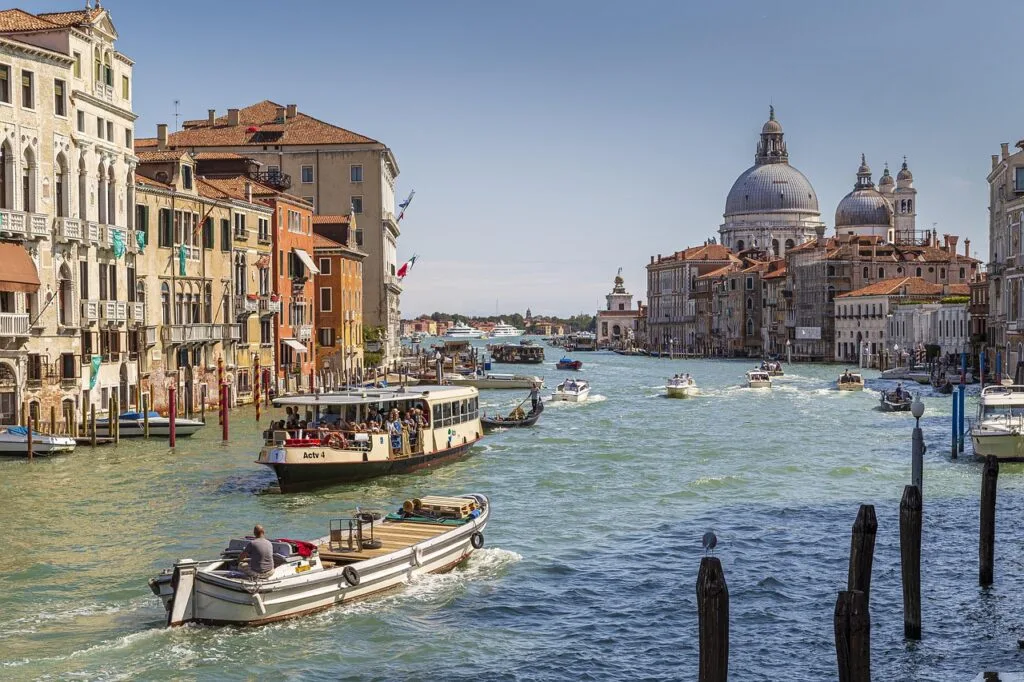
Walk next to the Gallerie dell’Accademia (Campo della Carità, 1050, 30123 Venezia VE) which houses Venetian masterpieces by Bellini, Tiepolo and Titian. Hours: 8:15–19:15 (variable); price: about €12–€15. Take your time: lingering with a single painting is a true slow-travel pleasure. Between visits, stop for cicchetti in a Dorsoduro osteria.
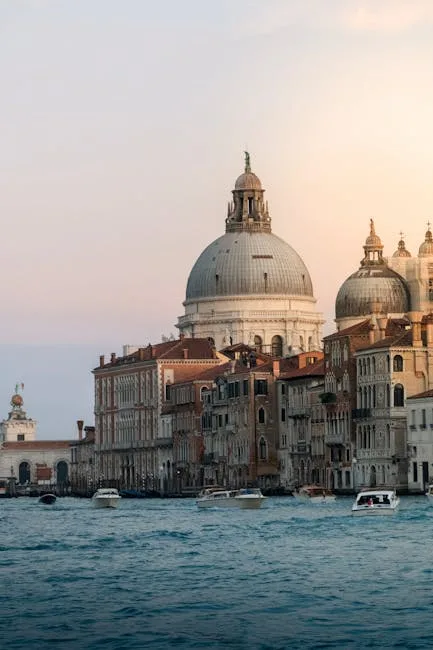
In the afternoon, stroll along the Fondamenta Zattere toward the Basilica di Santa Maria della Salute (Punta della Dogana area) for classic photo views of the Salute’s tip and the lagoon. Practical tip: Dorsoduro is ideal for long pauses in artist cafés, local markets and artisans’ shops. In the evening, reserve a table at a family-run trattoria to try traditional dishes such as risotto al nero di seppia (squid ink risotto).
- Practical tip: Gallerie dell’Accademia and the Peggy Guggenheim often offer audio guides; reserve ahead to avoid waits.
- Remember: walking through Dorsoduro reveals many workshops and small private galleries that open in the late afternoon.
Day 4: Island trips – Murano, Burano and Torcello
Dedicated to the lagoon, this fourth day takes you away from the crowds of the center. Take the vaporetto to Murano (isola di Murano). Visit the Museo del Vetro (Fondamenta Giustinian, 10, 30141 Murano VE) to understand the art of glassblowing. Hours: often 10:00–17:00; price: around €10–€12. Watch a glassblowing demonstration in a local furnace (demos free or workshops paid, roughly €15–€50 depending on length).
Click here to join a Murano glassblowing workshop for beginners
Next head to Burano, famous for its colorful houses and Burano lace. Walk along Via Baldassarre Galuppi to photograph the façades and try the island’s famous cookie, the bussolà. Lunch: seafood and local dishes at an island osteria, budget €15–€30. End the visit at Torcello where the Basilica di Santa Maria Assunta (Piazza Santa Maria Assunta, 15, 30142 Torcello VE) offers Byzantine mosaics and a rural, peaceful atmosphere. Hours: usually 9:00–17:00; entry is often a small contribution for site upkeep, around €5–€8.
Click here to book a boat trip to Murano and Burano
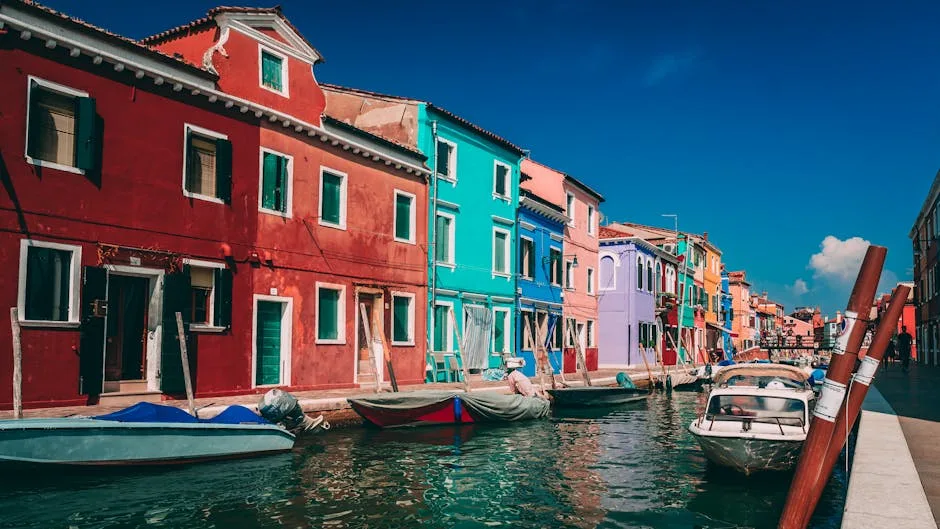
Slow-travel tip: leave time to sit on a bench, watch island life and talk with an artisan. Fast tours that hit all three islands in a morning miss the soul of these places; prefer a full day to savor each island.
- Transport: a day vaporetto pass or separate tickets depending on your plan; check the timetables of regular lines.
- Photo tip: the best light for Burano is often late afternoon, when the colors warm up.
Day 5: Cannaregio, the Jewish Ghetto and a gentle finish
To finish gently, explore the calm authenticity of Cannaregio. Start at the Ghetto di Venezia (Fondamenta del Ghetto Nuovo), the birthplace of Venice’s Jewish community. Visit the Musèo Ebraico (Ghetto Nuovo; check the address at the entrance) and the synagogues (often open by appointment or as part of guided visits; prices vary, often €10–€15 for a guided tour).
Click here to book a walking tour of the Jewish Ghetto and a synagogue visit
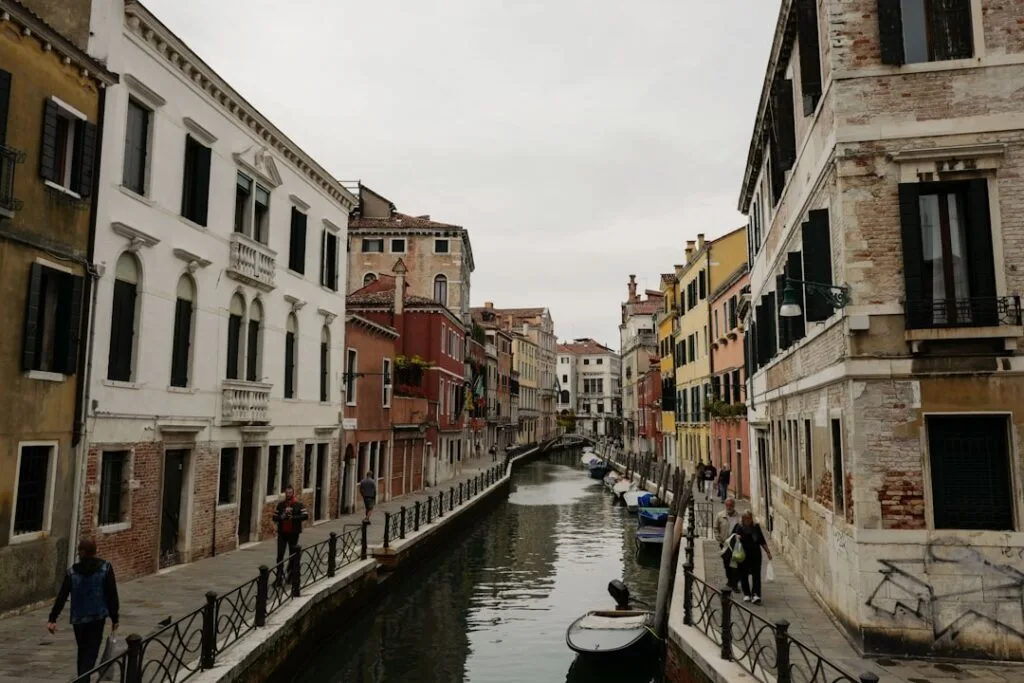
Have lunch in a Cannaregio osteria to taste neighborhood cooking away from tourist flows. In the afternoon, wander along the Fondamenta Misericordia and let yourself be drawn to old bookshops, small artisan workshops and cafés. Don’t miss the Chiesa di Santa Maria dei Miracoli (Calle dei Miracoli) for a short visit: its polychrome marble is a often-overlooked gem.
Late afternoon, return slowly to your favorite neighborhood for a final aperitif by a canal, or book a short private sunset cruise if the budget allows (prices vary from about €50–€150 depending on duration and season). Slow-travel tip: dedicate your last evening to a long, unhurried meal of local produce and Venetian wine to lock the city’s flavors in your memory.
- Practical tip: avoid restaurants very close to tourist hotspots; in Cannaregio prices are often fairer and quality better.
- Local souvenir: buy a small handmade item (Murano-style glass or Burano lace) directly from an artisan, not a generic souvenir shop.
Conclusion: Leaving Venice having truly experienced the city
A five-day slow-travel trip in Venice gives you time to weave memories rather than just snap quick photos. You’ll see the must-sees—Piazza San Marco, St. Mark’s Basilica, Palazzo Ducale—but more importantly you’ll count steps between bridges, sample cicchetti in the sun, watch a glassblower shape a piece in Murano, and let your gaze wander over Burano’s colors. This pace also lets you adapt each day to the weather or your mood: extend a museum morning if it rains, or spend a sunny afternoon cruising the Grand Canal.
Essential practical points to remember: always check official opening hours (sites and museums sometimes change hours seasonally), consider booking the most in-demand visits, and choose the vaporetto ticket that matches your number of trips. Budget-wise, leave a margin (a coffee in San Marco costs more; a guided Doge’s Palace tour is pricier but enriches the experience). For comfort, pack good walking shoes, a windproof jacket, and a light bag for souvenirs.
When you return home you won’t just take postcards—you’ll take a feeling: that you let the city show you its corners, its artisans and its waterways. Venice asks for respect and slowness. By choosing slow travel you honor its rhythm, and you’ll leave not with a crossed-off list but with an intimate map of places that spoke to you. Happy planning and buon viaggio—may your five days in Venice be full of chosen slow moments and wonderful discoveries.
Click here to book a private 30-minute gondola ride on the Grand Canal