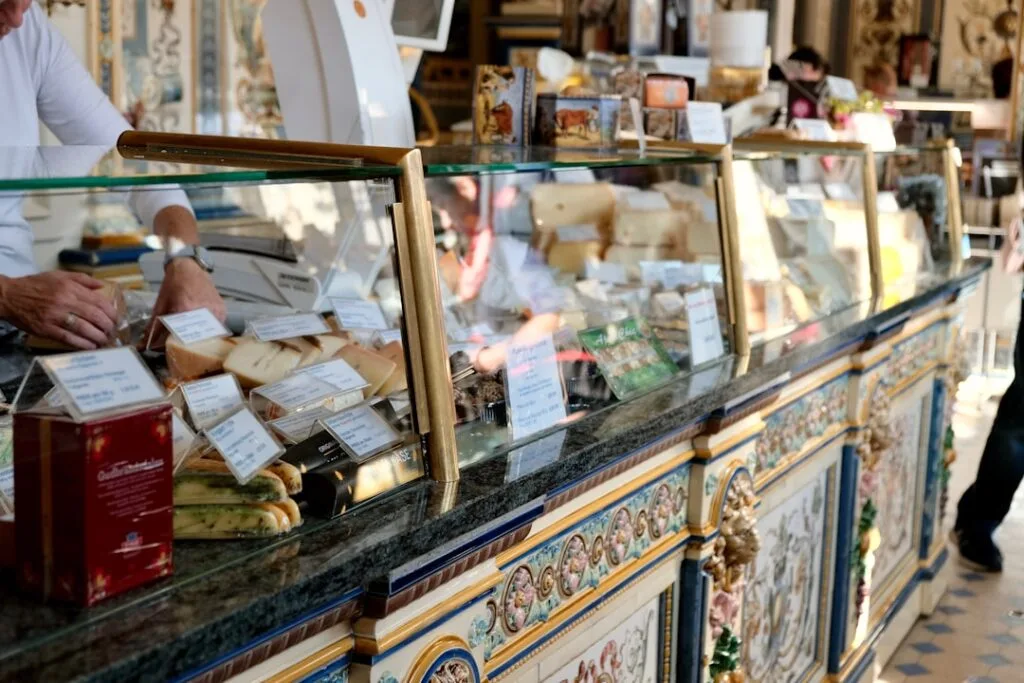






Introduction: The cicchetto — small plate, big journey
Venice is more than gondolas and the soaring silhouette of the Basilica di San Marco; it’s a city of little pleasures, bustling counters and bites that tell the story of sailors, merchants and inventive cooks. The bacaro — the Venetian name for a small bite typically served in bacari (tiny wine bars) — sits at the heart of this culinary culture. Here you don’t just dine: you taste, you move, you share, and you build a different sense of time — a string of micro discoveries that acts as an emotional guide for anyone wanting to understand Venice from the inside out.
The idea behind the Venetian tasting format is simple and joyful: hop between bacari, try a few cicchetti at each spot, sip a glass of wine (an ombra of local wine) and soak in the constant murmur of conversation. Cicchetti can be hot or cold, savory or sweet, as simple as a slice of bread rubbed with garlic and topped with anchovies, or as elaborate as a mini artichoke and pecorino tartlet. It’s an affordable, social way to eat — you share, chat, compare flavors, and above all you learn about the city by following its tastes.
This guide will walk you through a tasting route: names and exact addresses to help you find your way, prices in euros to set expectations, opening hours to avoid locked doors, and local tips to make the most of the experience. You’ll find immersive descriptions of landmarks like the Piazza San Marco and the Ponte di Rialto, but more importantly a selection of bacari where the cicchetto becomes a ritual. We’ll also cover the technique of “ombra e cicheti” (a glass of wine and a bite), how to pair each cicchetti with an appropriate Venetian wine, and practical tips: how to navigate the calli (narrow streets), how to pay, and when to go to avoid queues.
Whether you’re a curious food lover, a traveler short on time, or a local hunting for new flavor spots, the Venetian tasting format is a sensory route that invites sharing. Be ready to jot down a few names, follow the addresses, and above all let your senses decide. Venice’s menu is alive — and the cicchetto is its language.
 Click here to Book a cicchetti and wine tasting
Where to start: a cicchetti route around must-see monuments
For a first immersion, pick a starting point near the most famous monuments so you can combine sightseeing and tasting. Begin at the Piazza San Marco (Piazza San Marco, 30124 Venezia VE) — the historic heart and an easy reference point — then head to the lively San Polo neighborhood where many traditional bacari cluster. The proximity of the landmarks lets you hop between stops without wasting time on transport.
Click here to discover Venice’s cicchetti and wine
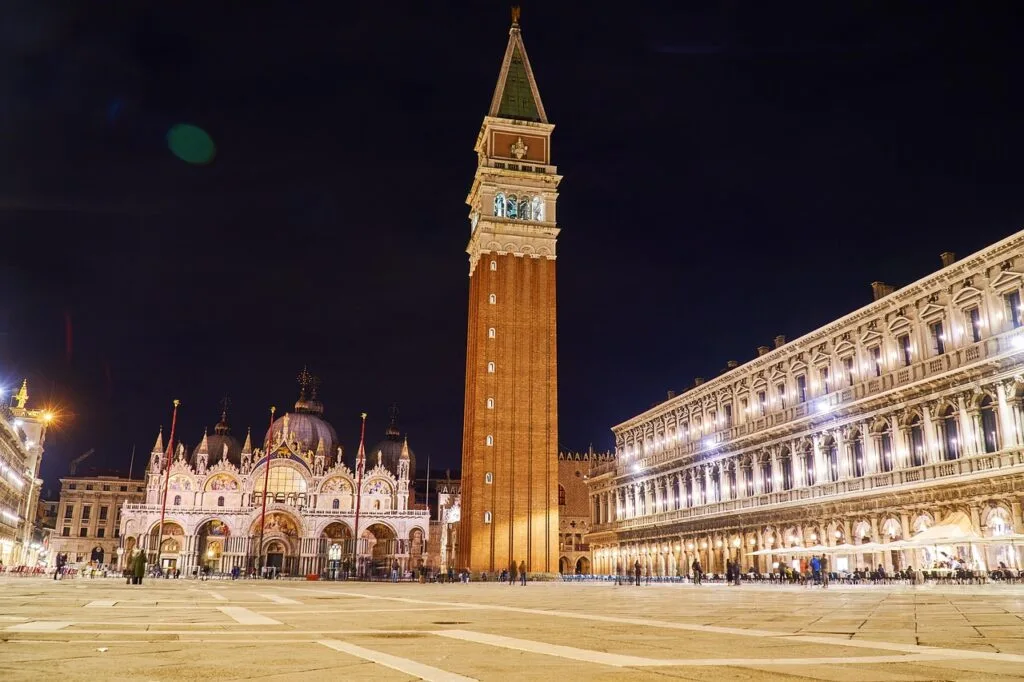
After visiting the Basilica di San Marco (Piazza San Marco, 328, 30124 Venezia VE; opening hours: 9:30–17:00; basilica entry: from €3.00 depending on sections) and the Palazzo Ducale / Doge’s Palace (Piazza San Marco, 1, 30124 Venezia VE; opening hours: 9:00–19:00; combined museum ticket from €25.00), make your way to the market and bridge that have shaped Venetian life: the Ponte di Rialto (Ponte di Rialto, Sestiere San Polo, 30125 Venezia VE). The Rialto Bridge has been both symbol and commercial hub for centuries. The area is full of bacari and osterie serving classic cicchetti — baccalà mantecato (creamy cod), sarde in saor (sardines with onions and vinegar), polpette (meatballs) — usually priced between €2.00 and €5.50 each.
Click here to Skip the line at the Doge’s Palace
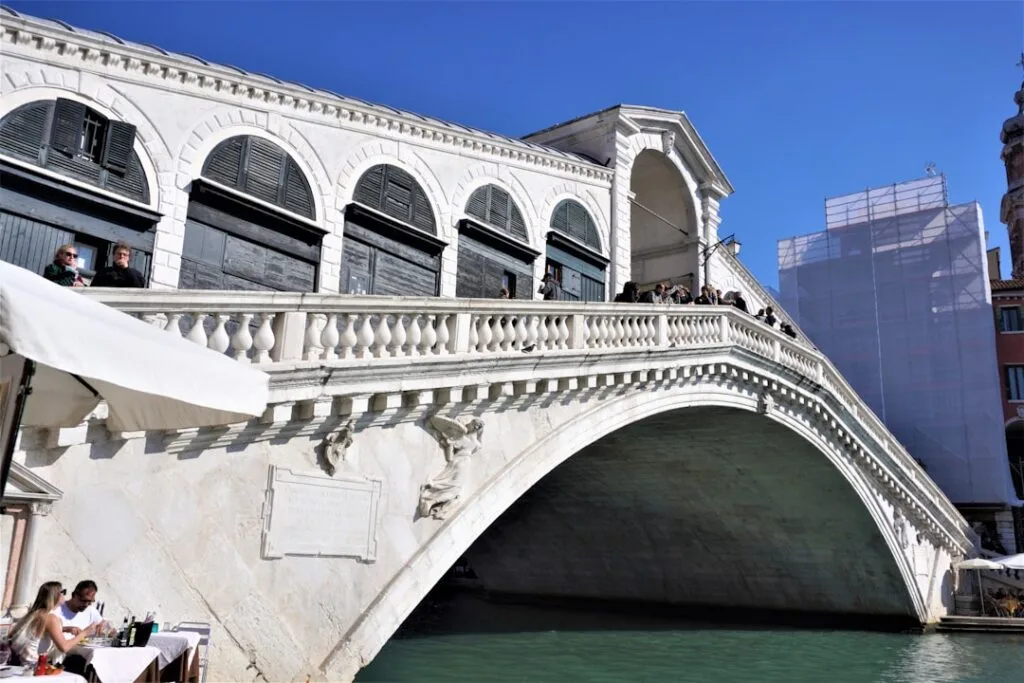
Practical tip: go early in the morning to visit the basilica and palace before the crowds, then plan your cicchetti break for aperitivo time (between 17:00 and 19:30), when bars fill their trays with small wonders and the wine flows. The recommended spots around Rialto for a first scouting are easy to find using the calli (streets) shown on local maps — and don’t forget: in many bacari the price is displayed near the counter or calculated at the counter case (per cicchetto).
Iconic bacari and exact addresses for an authentic tasting
A few establishments hold a special place in the soul of the cicchetti scene. Here are concrete addresses to visit, with hours and indicative prices. These places capture the spirit of the bacaro: narrow counters, a local clientele, fresh small plates and wine by the glass.
- Cantina Do Mori — Ruga Do Mori 429, 30125 Venezia VE. Hours: 10:00–20:00 (closed some Sunday evenings). Prices: cicchetti from €2.00; glass of wine from €1.50. Vibe: one of the oldest bacari, wooden walls, traditional dishes like baccalà cicchetti or polpette. Tip: arrive early to snag a spot at the bar and watch the locals.
- All’Arco — Calle dell’Arco 441, 30125 Venezia VE. Hours: 11:00–22:30 (closed on Monday). Prices: cicchetti €2.50–€4.50; spritz €3.50–€6.00. Vibe: tiny counter, specialties of seafood and Venetian cured meats. Must-try: cod liver crostini and small cuttlefish skewers.
- Osteria al Squero — Fondamenta Nani 992/994, 30123 Venezia VE (near the Squero di San Trovaso). Hours: 12:00–15:00 and 18:00–23:00. Prices: cicchetti €3.00–€6.00; hot cicchetti around €5.00–€8.00. Vibe: canal-side terrace, perfect for watching gondoliers and the traditional boatyard.
Click here to explore the Cicchetti street on a walking tour
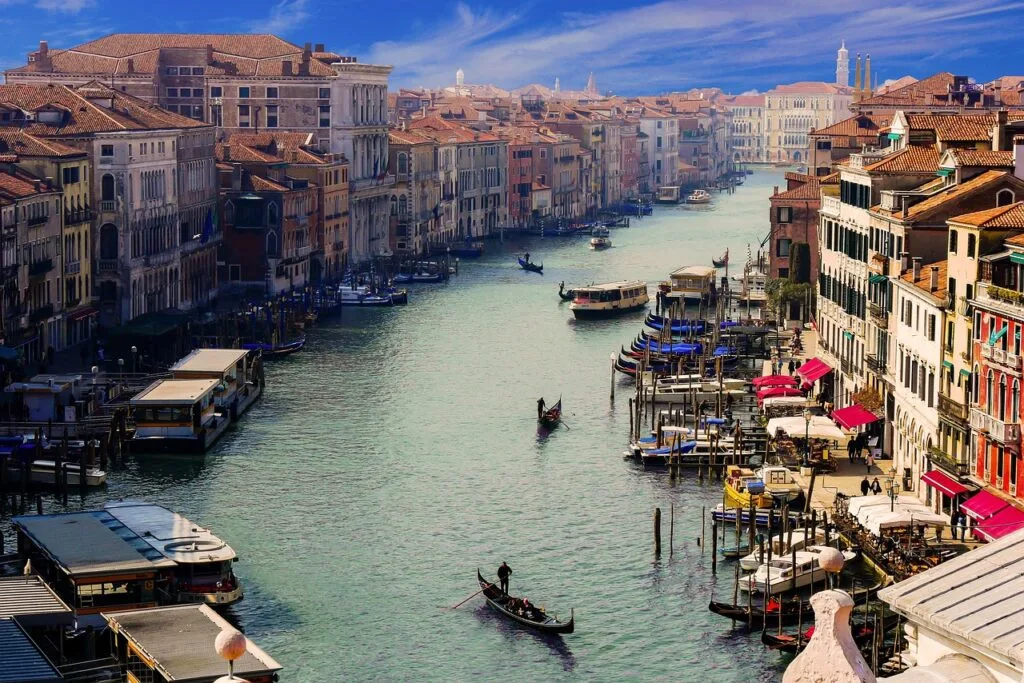
Local practical note: in most bacari you pay at the counter — take a ticket or ask for the bill before leaving. If a place is tiny and crowded, adapt: grab a cicchetto, order a glass, eat standing by the counter; it’s all part of the ritual.
Tasting techniques: building a Venetian mini-portion menu
The Venetian tasting format follows a greedy but simple logic: balance salty/sweet, hot/cold, sea/land, contrasting textures. The goal is to assemble around 6 to 10 cicchetti for a full meal, each bite averaging €2.00–€5.50. With a reasonable budget (about €25–€40 per person), you can taste a great variety.
Click here to taste Prosecco in the Prosecco hills
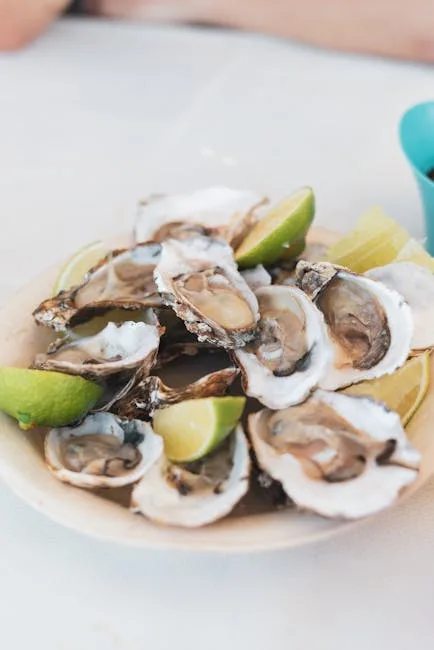
Example tasting progression:
- Cold starter: crostini with baccalà mantecato (€2.50–€3.50) paired with a glass of Prosecco (€4.00–€6.00) to open the palate.
- From the sea: sarde in saor (€3.00–€4.50) and seppie in nero (squid in ink) or mini fish polpette (€3.50–€5.00).
- From the land: a plate of Venetian salumi, prosciutto and provoletta (€4.00–€6.50), perfect with a glass of Merlot or Raboso (€2.50–€4.50).
- Warm comfort: mini risotto or hot croquettes (€4.00–€6.00).
- Dessert: small frittele (doughnuts) or sweet tramezzini (€2.50–€4.00) with a coffee or a local sweet wine.
Pairing tips: local wines like Prosecco di Valdobbiadene, Lison Pramaggiore or red wines from the Veneto pair beautifully with cicchetti. Ask the server for a suggestion: in most bacari they’ll offer you an “ombra” (a small glass of wine) that fits perfectly.
Local practical tips: logistics, etiquette and eco-friendly habits
Blending into Venice’s rhythm also means respecting a few customs and handy tips so your cicchetti crawl goes smoothly.
- Finding your way: bring a paper map or a screenshot of the calli: the maze of narrow streets is confusing and mobile reception can be unreliable. Pin down fixed landmarks like the Ponte di Rialto or the Piazza San Marco (Piazza San Marco, 30124 Venezia VE).
- Hours: many bacari open around 10:00–11:00 for lunch service, close in the afternoon, then reopen for aperitivo (17:00–23:00). Exact hours vary by season; in high season expect extended opening times.
- Payment: cash or card: more and more places accept cards, but having change (small coins and notes) is handy for quick purchases. Indicative prices: cicchetti €2.00–€6.50; glass of wine €1.50–€6.00; a full tasting tour €25–€40 per person depending on appetite.
- Etiquette: stand at the counter if space is tight, avoid taking a table for too long without ordering more. Be polite: a simple “grazie” and a smile often gets you the best tips.
- Eco-friendly habits: favor pre-plated cicchetti over packaged items, refuse disposable tableware if the place offers glass or real ceramics, and avoid buying unnecessary plastic. Venice suffers from overtourism; every small gesture helps.
Finally, respect nighttime quiet hours in residential areas: Venice is lived-in and locals appreciate calm after 23:00. If you plan a late crawl, stick to the tourist canal zones rather than narrow residential calli.
Conclusion: Cicchetto as a key to the city
The cicchetto is much more than a takeaway bite: it’s a key to entering daily life in Venice. By embracing the tasting format you give yourself the freedom to sample without commitment, to take a seat at a random counter, to chat with Venetians and make fleeting but rich connections. Each cicchetto tells a story — of a fish, a nearby farm, a lagoon wine — and assembling a series of small plates is like painting a gustatory portrait of the city.
In practice, follow the addresses suggested, honor local hours and pace, and budget €25–€40 per person for a rewarding crawl. Don’t forget courtesy rules and the importance of an eco-conscious approach: less packaging, more sharing. And above all, let your senses pick the cicchetti: sight, smell and the server’s welcome are often better indicators than any guide.
Venice is best savored in small bites: a basilica vista, the reflection of a bridge on the water, a slice of crusty bread, a chilled glass of prosecco. The tasting format invites you to slow down, savor every moment and turn a simple walk into an unforgettable culinary exploration. Enjoy your tasting and discover La Serenissima, one bite at a time.