





Introduction
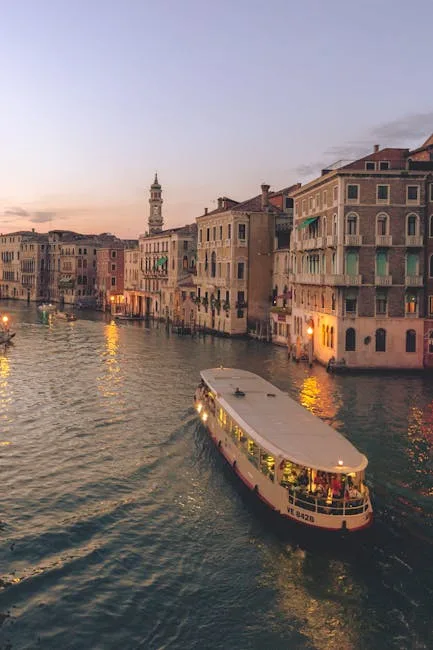
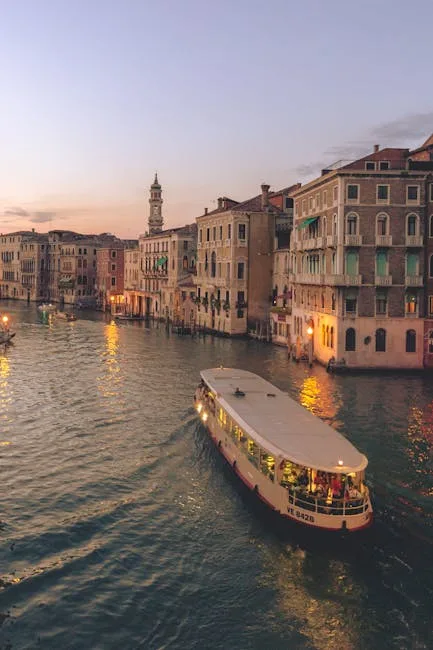
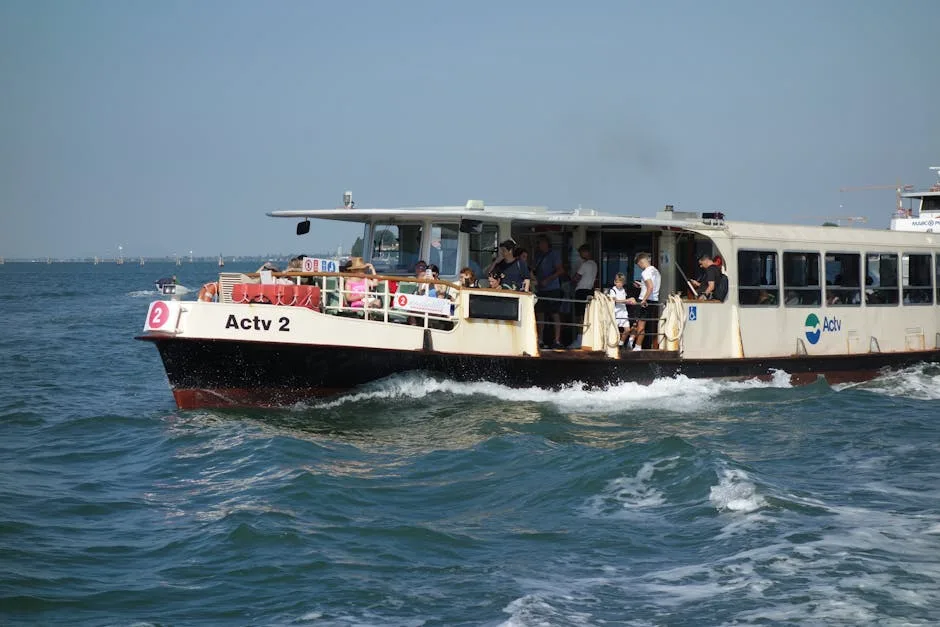
Venice is a city where water replaces streets and every boat ride feels like a scene from a movie. The vaporetti — those water buses run mainly by ACTV (Azienda del Consorzio Trasporti Veneziano) — are the lifeblood of getting around the lagoon, linking Piazzale Roma, Stazione di Venezia Santa Lucia, St. Mark’s Square (Piazza San Marco), the island of Murano, the island of Burano, the Lido and much more. Yet behind the still charm of palaces and bridges lie pitfalls for the hurried traveler: confusing fares, opportunistic sellers, forgotten validations, surprise ticket inspections. This guide, written for the curious and cautious visitor, walks you through not only navigating the lagoon but also the maze of fares and scams surrounding the vaporetti.
We’ll go over the key stops and monuments, their exact addresses, official sales points, typical prices (in euros) for the most-used tickets, and useful opening hours. You’ll learn how to spot fake vendors, understand ticket types (single, day pass, Venezia Unica), use the validators on board and at the docks, and identify risky situations — like the too-good-to-be-true offers commonly seen near Piazza San Marco or just outside Stazione di Venezia Santa Lucia.
Beyond the numbers, I’ll offer immersive descriptions: picture the queue at a vaporetto platform in a light rain, smell the sea by the Canale della Giudecca, imagine the vaporetto approaching Murano at sunset. Those images are both for pleasure and for awareness: knowing what to expect greatly lowers the chance of falling for a scam. Finally, you’ll find practical local tips — how to pay safely, where to buy official tickets, and what to do if a controller asks to see your ticket during the crossing.
Before you head out, keep in mind that official fares and schedules can change. The prices listed here match those published by the main operators (ACTV, Alilaguna) and the information available at publication. Once you’re in the city, always check official signage, ticket machines, the “Venezia Unica Point” counters, and the ACTV website or app for the latest updates. With a bit of prep, you’ll enjoy Venice without stress or financial surprises.
Here’s a detailed, practical guide to help you avoid traps and navigate the lagoon like a local.
 Click here to book a half-day Murano and Burano boat trip
Understanding Official Tickets and Where to Buy Them
The first rule to avoid scams is simple: don’t buy tickets from unauthorized sellers. Official transport tickets for the vaporetti are mainly issued by ACTV (Azienda del Consorzio Trasporti Veneziano) and, for airport connections, by Alilaguna. The Venezia Unica system centralizes the sale of many tourist and transport services and operates official « Venezia Unica Point » sales counters. Here are the main options:
- ACTV single ticket: valid for 75 minutes on ACTV lines (urban transport only). Price: €8.00 (indicative official rate). It must be validated in the yellow validator at the dock or on board before boarding.
- ACTV 24-hour pass: popular with tourists who take several trips in one day. Indicative price: €25.00 (check current rates). Valid for 24 hours from first validation.
- 48-hour and 72-hour passes: handy for a short stay. Indicative prices: 48h = €35.00, 72h = €50.00 (confirm on the ACTV site).
- 7-day pass: ideal for a longer stay; indicative price: €80.00 (verify before buying).
- Alilaguna (Marco Polo airport): Alilaguna lines link Aeroporto di Venezia Marco Polo with the historic center. Price: about €15.00 per trip (varies by line).
Addresses and official sales points:
- Venezia Unica Point – Piazzale Roma: Piazzale Roma, 30121 Venezia VE. Opening hours: typically 08:00–19:00 (seasonal variations possible). Sells passes, provides tourist info and booking help.
- Venezia Unica Point – Stazione di Venezia Santa Lucia: Piazzale della Stazione, 30121 Venezia VE (just outside the train station). Hours: generally 07:30–20:00.
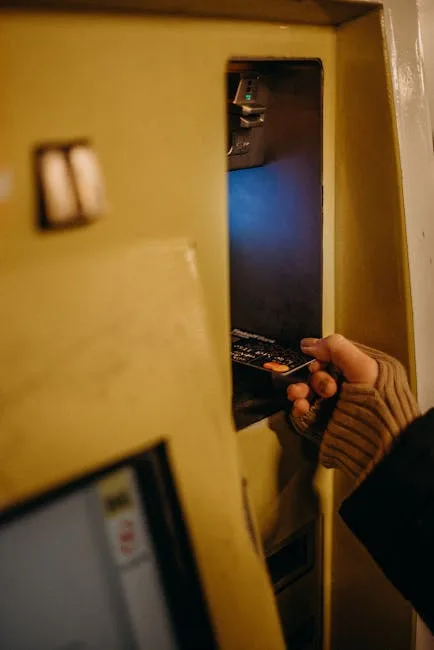
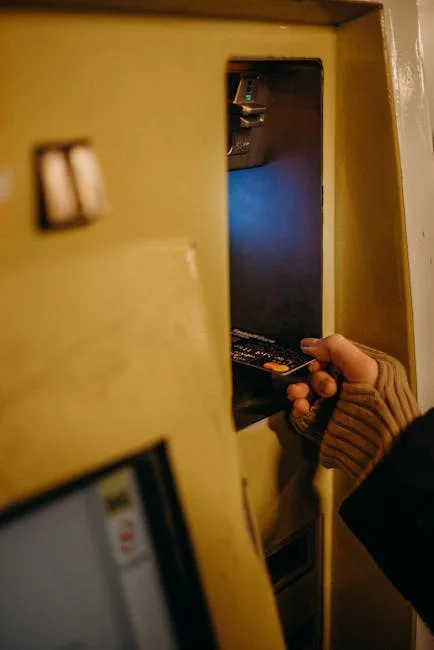
- ACTV Ticket Machines: ticket machines are at all main docks (Piazza San Marco, Rialto, Fondamenta Nove). Available 24/7; acceptance of cards and cash varies by machine.
- ACTV Ticket Office – Piazzale Roma: information and ticket sales. Address: Piazzale Roma, 30121 Venezia VE. Indicative hours: 08:00–18:30.
Practical tips:
- Use official counters or the ACTV/Venezia Unica app to avoid fake tickets.
- Keep your receipt and ticket until the end of your trip: inspectors often ask to see a validated proof of travel.
- The validators are yellow and sometimes located at the dock; if you board without validating, be prepared for a fine if there’s an inspection.
- Machines don’t always accept foreign cards without a PIN; keep some cash (euros) handy in case of a machine issue.
Click here to book a Venice City Pass for museums and public transport
Main Lines, Stops and Landmarks You Should Know
Knowing the lines and strategic stops saves you from paying for unnecessary trips or falling for shady offers. Here’s a selection of must-know stops, with exact addresses and immersive descriptions:
- Piazzale Roma — Address: Piazzale Roma, 30121 Venezia VE. This is the main land arrival point in Venice (parking and buses). The ACTV dock here is often crowded: watch your luggage and buy tickets before boarding. Hours: dock accessible 24/7, tourist counter usually 08:00–19:00.
- Stazione di Venezia Santa Lucia — Address: Piazzale della Stazione, 30121 Venezia VE. The main train station exit with a large ACTV dock. Crowds coming off trains are a classic target for informal sellers: don’t buy “discount” tickets from people on the street.
- Piazza San Marco (San Zaccaria stop) — Address: Piazza San Marco, 30124 Venezia VE. Central stop for St. Mark’s Square, the Basilica of San Marco (Piazza San Marco, 328, 30124 Venezia VE) and the Doge’s Palace (Piazza San Marco, 1, 30124 Venezia VE). The platforms are picturesque but busy: buy tickets in advance if you can.
- Punta della Dogana / Accademia Museum — Stop: Accademia. Museum address: Campo della Carità, 1050, 30123 Venezia VE. The view along the Grand Canal from the vaporetto at sunset is exceptional.
- Murano Faro / Glass Museum (Museo del Vetro) — Address: Museo del Vetro, Fondamenta Giustinian, 8, 30141 Murano VE. The crossing to Murano reveals glassblowing furnaces and workshops. Tickets for private “glass demo + vaporetto” tours sold on the spot can hide extra undisclosed fees: ask for a written price.
- Burano — Stop: Burano. Town address: Fondamenta Galuppi, 30142 Burano VE. Famous for its colorful houses and lace, Burano draws street sellers offering “combined tickets”: be wary.
- Lido di Venezia — Stops: Lido S.M.Egidio / Lido S.M. Elisabetta. Address: Lungomare Gabriele D’Annunzio, 30126 Lido VE. Very popular in summer for the beach and the Venice Film Festival (La Biennale). Private shuttle offers at high prices are often suggested at dock exits.
Noting these stops and their exact addresses lets you compare offers, check the consistency of information, and spot fraudulent proposals that are often vague about which places are actually served.
Click here to book a Murano boat tour with a glassblowing demonstration
Click here to book skip-the-line tickets for the Doge’s Palace

Common Scams and How to Avoid Them
In Venice, vaporetto-related scams take several forms: fake tickets, “private” transfer offers, unofficial inspectors, and surcharges for luggage or instruments. Here are the most frequent scams and concrete steps to dodge them:
- Fake tickets or illegally recharged cards: Some sellers offer “unvalidated” tickets or rechargeable cards they claim to top up. Always buy from an official machine, a Venezia Unica counter, or the ACTV app. If you buy a card, demand a paper receipt and test it on a validator in front of the seller.
- “Private vaporetto” deals at rock-bottom prices: People sometimes offer private transfers to join groups. These boats are often uninsured and may demand extra payment en route. Stick with registered companies (ACTV, Alilaguna, or operators listed on Venezia Unica).
- Unofficial inspectors: Official inspectors wear ACTV uniforms and a visible badge. If someone asks you to pay without showing ID, refuse and ask to see their badge or go to the dock where an ACTV office is often located.
- Luggage or bike surcharges: Rules for luggage and bikes are clearly posted on the ACTV site; most urban vaporetti don’t readily accept bikes. Don’t pay a surcharge demanded by another passenger — check official rules at the ticket office.
- “Ticket + tour” fares without details: Vendors sometimes sell “ticket + glass demo” packages for Murano at an attractive price, then force purchases to access the demo or add hidden fees. Ask for a written breakdown of what’s included before buying.
Recommended behavior if you’re approached:
- Never give in to pressure: calmly say you’ll buy at the official counter.
- Photograph badges or suspicious documents and keep all payment proof if you think you’ve been scammed.
- Report any scam attempts immediately to ACTV staff or the local police (Polizia Locale – Comune di Venezia).
Click here to book a private Murano and Burano boat tour
Validation, Inspections and Fines: What You’re Facing
Validation: a simple but crucial step. The yellow validators on docks or on board must be used as you board. Hold your ticket or Venezia Unica card to the reader until you hear a beep or see the screen confirm validation. Without validation, even if you bought a ticket, you’re considered to be traveling without a valid fare.
Inspections: controllers can board at any time. They show an official badge and ask to see your validated ticket. Controls are frequent on tourist-heavy lines like San Zaccaria–Piazza San Marco and on routes to Murano and Burano during high season.
Fines: traveling without a validated ticket exposes you to a monetary penalty. Amounts vary with local rules and the severity of the infraction; as a rough guide, and per local directives, fines can range from around sixty euros to several hundred euros. Amounts change and late-payment surcharges may apply if you don’t pay on the spot. If you receive a fine, ask for written documentation, the inspector’s name and ID number, and keep all purchase receipts if you plan to contest the charge.
What to do if you’re issued a fine:
- Stay calm and request the written procedure and a receipt.
- If you’ve just bought a ticket but forgot to validate, explain the situation and show the purchase receipt. Sometimes a bit of leniency is possible, but it’s not guaranteed.
- To contest a fine, contact the « Comando Polizia Locale » office in Venice or follow the procedure indicated on the citation (this usually involves sending documents and can take several weeks).
Practical Local Tips for a Smooth Ride
Here are tested, practical tips from travelers and locals to optimize your vaporetto trips and avoid unpleasant surprises:
- Buy before you board: if the line is long, allow an extra 10–15 minutes to buy and validate your ticket. Ticket machines accept cards and cash, but some models may reject certain foreign cards.
- Use the ACTV or Venezia Unica app: often the safest way to buy and store digital tickets. Keep a screenshot of your ticket or purchase receipt.
- Avoid local rush hours: mornings (07:30–09:30) and late afternoons (17:00–19:00) are crowded. If traveling with luggage, consider less direct lines or off-peak times.
- Luggage and strollers: board at designated areas and inform the captain if needed. Large suitcases may be refused on certain lines.
- Night services: there are night lines (NOCTURNI) with reduced schedules. Fares are usually the same, but inspections can be more frequent at night; keep your ticket visible.
- Don’t buy from hawkers: impostors may promise “official tickets” at station exits. Demand an official receipt and verify the sales point.
- Compare airport options: Alilaguna offers direct lines from Marco Polo; for groups or heavy luggage, weigh the cost of a private water taxi (very expensive) versus Alilaguna + vaporetto.
Finally, adopt the mindset of an informed traveler: check details the day before travel, keep a digital copy of your tickets, and have a map of Venice and your hotel address handy to verify that a vendor’s proposed stops make sense. Also, don’t forget a few tricks for taking photos from the boat without fuss.
Conclusion
Venice is a one-of-a-kind city where every vaporetto crossing opens a window onto centuries of history, architecture and lagoon life. But that magic also attracts opportunists. Armed with the information shared here — precise addresses for sales points, indicative euro prices, general opening hours, immersive descriptions of docks and monuments, plus a checklist of scams and how to avoid them — you can greatly reduce the risk of being cheated. Remember the three golden rules: buy tickets through official channels (ACTV, Venezia Unica, Alilaguna), always validate before boarding, and keep proof of purchase until your trip is over.
If you travel during high season, plan ahead: pick a pass that fits your stay, book online when possible, and favor less busy times to enjoy the views and take photos without stress. When in doubt, approach an official ticket counter or an ACTV agent — it’s better to lose a few minutes than lose dozens of euros to fines or unnecessary purchases from middlemen. If a situation seems unclear, always ask for written proof — for tourists, a receipt can make all the difference in a later dispute.
Above all, keep an open mind: despite the risk of scams, most journeys go smoothly and the vaporetti remain one of the most picturesque and practical ways to explore Venice. With the right precautions, you’ll be free to focus on the beauty of St. Mark’s Basilica, the reflections of palaces on the Grand Canal, Murano’s glass workshops and Burano’s colorful houses — while avoiding unwelcome surprises. Safe travels and smooth sailing in La Serenissima!