





Introduction: Venice offbeat, along the water and its secrets
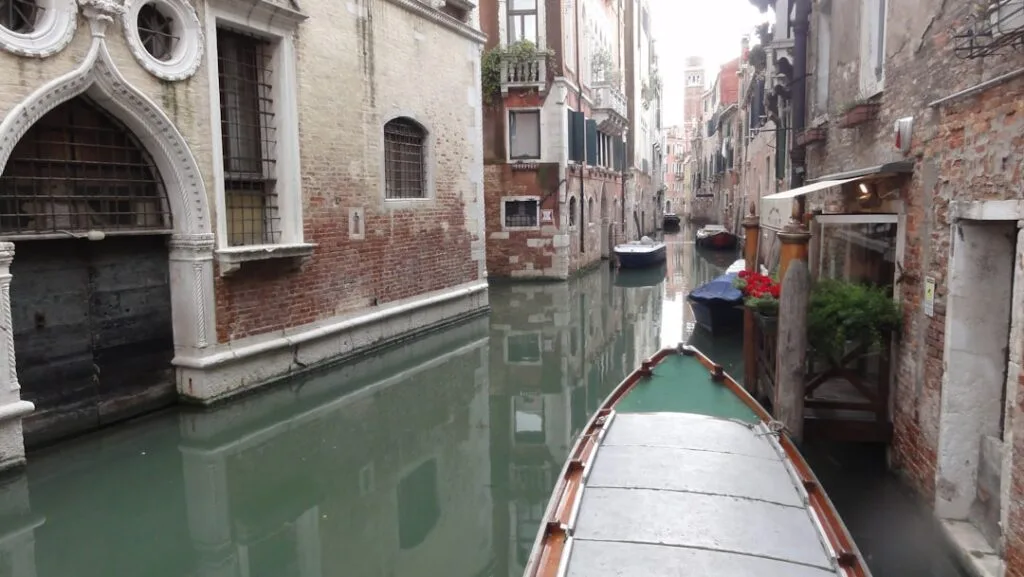
Venice is a poem of water, a city that breathes to the rhythm of waves and gondoliers’ songs. Yet most visitors know the city through two or three iconic images: St. Mark’s Square, the Rialto Bridge, and a gondola on the Grand Canal at golden hour. While undeniably sublime, those views only tell a tiny part of Venice’s soul. To discover the city’s intimacy you must learn to glide differently, to take gondola routes that avoid the crowds and reveal neighborhoods where time seems frozen. This piece takes you off the beaten path along « secret routes » that trace little-known palaces, fishing hamlets, silent churches and hanging gardens behind anonymous walls.
Traveling by gondola away from the tourists isn’t just about route; it’s a way of seeing. It turns a ride into a sensory experience: the smell of wood and pitch, the oar’s lap against old walls, façades crisply mirrored in the water, the creak of a door at the end of a corte. On these secondary waterways the city shows details invisible from dry land: inscriptions carved on pilasters, traces of frescoes behind grilles, tiny glass shops that open only for locals, and ivy-draped fronts. The routes I suggest are designed for traditional gondolas (two to six people depending on booking) but also suit small private boats or local barchette.
Before boarding, a few practical notes. Official shared gondola prices are usually around 80 € for 30 minutes by day and 100 € in the evening (indicative rates, depending on season and local negotiation). For a private gondola (up to six people), expect roughly 120–160 € for 30 minutes. Opening hours for the places and monuments mentioned can change with the season; I give typical times but always check before you go. Finally, local etiquette matters: respect silence in residential areas, avoid loud singing in narrow canals, and if you want to photograph private interiors, ask permission.
This guide includes detailed routes, exact addresses of points of interest, opening hours and practical tips for negotiating, boarding and fully enjoying each segment of the ride. The goal: to give you a Venetian experience beyond the photos mass-posted on social networks. Expect discoveries—churches that seem to rise from a water maze, Renaissance palaces tucked into calli until now unnoticed, and fondamente where a fisherman’s dinner is enjoyed in companionable silence. Let’s embark.
Route 1 — Canale dei Santi and Dorsoduro’s secret shore
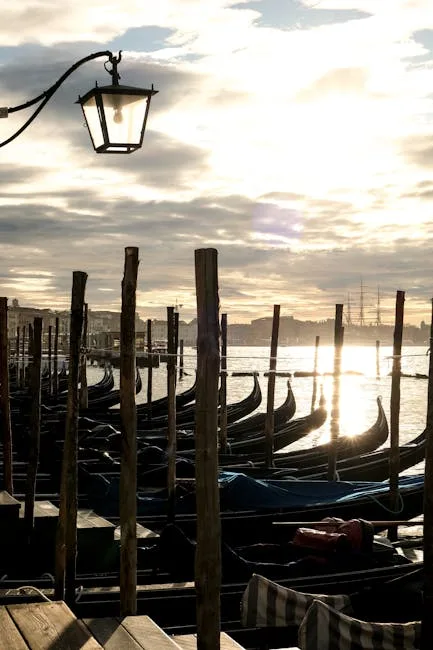
Begin your ride near the Punta della Dogana (Fondamenta Salizada, Dorsoduro, 30123 Venezia VE), the old customs house turned contemporary art center, ideally placed to visualize the triangle between the Punta, the basilica and the Grand Canal. From the Punta, follow the Canale dei Santi, a network of narrow canals that skirt the courtyards of palaces and glass workshops. This passage is often ignored by tourist gondolas that prefer the Grand Canal, which guarantees you peace and intimate views.
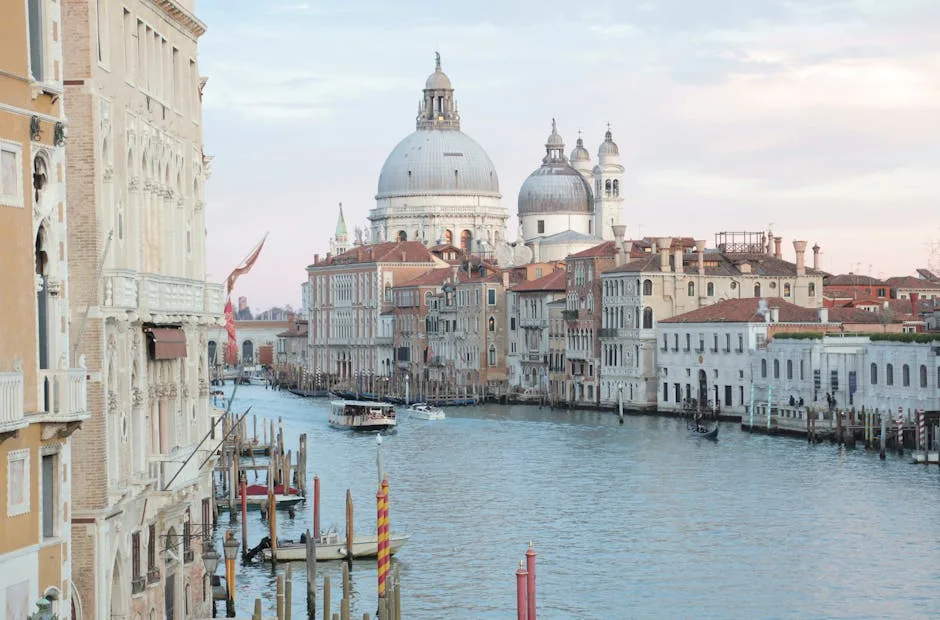
Along the water you’ll pass the Basilica di Santa Maria della Salute (Dorsoduro, 1, 30123 Venezia VE — opening: daily 9:00–12:00 and 15:00–18:00; masses and offices to check locally). This Baroque church, visible from the water, offers a striking sculptural panorama: white domes, statues and a forecourt that reflects perfectly in low waters. If you want a short visit, disembark at Campo della Salute and go in — hours vary by season, and entry to the nave is usually free, with a suggested donation for access to the artworks.
 Click here to book a private gondola ride off the beaten path
Continue toward the Scuola Grande di San Rocco (Calle del Pistor, San Polo, 3052, 30125 Venezia VE — opening: 9:30–17:45; indicative price: 8–10 €). From the water the side façade reveals weathered stones and small projecting balconies. The Scuola is famous for Tintoretto’s cycle of paintings and can be visited after a short walk from the San Trovaso landing. Note: the Scuola often closes early; check updated hours before planning your stop.
Local practical tips for this route: preferably leave early morning (between 7:30 and 9:30) to enjoy low light and near-absolute calm. Negotiate the fare before boarding: offer 80 € for half an hour during the day if you’re private, or share the cost with other passengers for a longer ride. Bring a small bottle of water but avoid eating on board to respect the gondoliers’ cleanliness. Finally, ask the gondolier to stop discreetly at the Chiesa di San Giorgio dei Greci (Calle dei Greci, Castello, 4822, 30122 Venezia VE) if you want to glimpse its lesser-known Byzantine bell tower from the canal.
Route 2 — Intimate Cannaregio: the Jewish Ghetto and forgotten palazzi
The Cannaregio district is a treasure of small waterways, quiet fondamenta (quays) and historic synagogues. Start your crossing at the Ponte delle Guglie (Fondamenta degli Ormesini, 30121 Venezia VE), which offers a convenient landing away from the crowds. From there head to the Ghetto Nuovo and the Ghetto Vecchio, historic sections of the first European ghetto. You can disembark to visit the Sinagoga Canton (Fondamenta Gerriera, Cannaregio, 30121 Venezia VE — hours variable, visit with a local guide; indicative guided tour price: 12–15 €).
Along the Rio della Misericordia you’ll spot sailors’ houses and small botteghe (workshops) still in use. The calm is tangible, conversations drift from open windows, and tiny restaurantini serve seafood in private courtyards. Don’t miss the Palazzo Labia (Calle Valier, Cannaregio, 30121 Venezia VE — visits by request; opening hours vary), a baroque palace less visible from the Grand Canal but whose Gian Battista Tiepolo frescoes are worth the stop.
Click here to book a walking tour of the Jewish ghetto

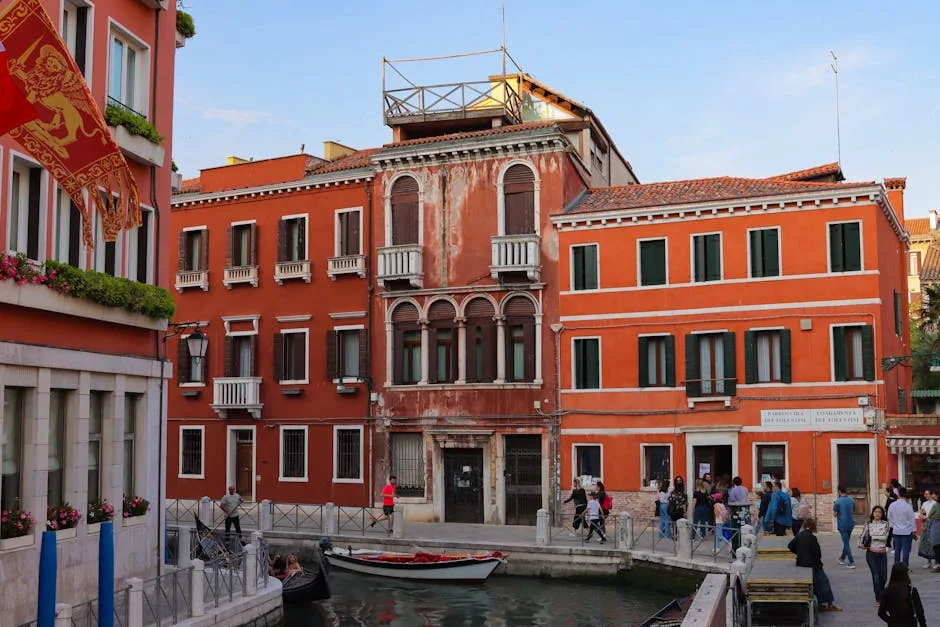
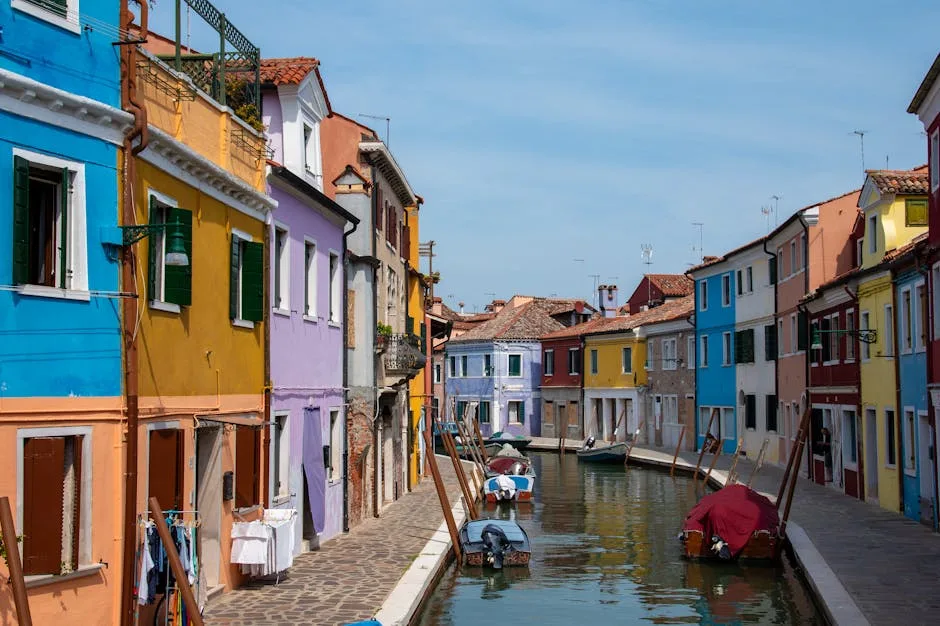
One of the most photogenic passages is the Rio dei Mendicanti, behind the Ospedale dei Mendicanti (Calle dei Mendicanti, San Marco, 30124 Venezia VE — hours: vary with events; façade visible from the water). Low arcades and colorful façades reflect in the water, creating a living painting. If you fancy a quiet coffee or spritz, stop at the Bar Pasticceria Tonolo (Corte San Pantalon, 3762, 30121 Venezia VE — hours: 7:00–19:00; specialties: pastries and coffee), located near a picturesque calle where locals gather.
Practical tips for Cannaregio: if you want a guided ghetto tour, book in advance (especially in high season). Local gondoliers in Cannaregio know these corners well; pick one who speaks English or French if you prefer in-person commentary. Beware of low bridge clearances on some calli: the gondolier may need to duck the gondola — it adds charm but requires some coordination. Finally, respect places of worship by staying discreet and covering your shoulders if you stop to enter a synagogue or church.
Recommended experiences in gondolas and small boats
In summer, crowd pressure and monument opening times mean you should choose an early or late navigation window; off-season, check reduced hours and boat frequency. These suggestions favor calm routes suited to small boats to avoid the busiest congestion points.
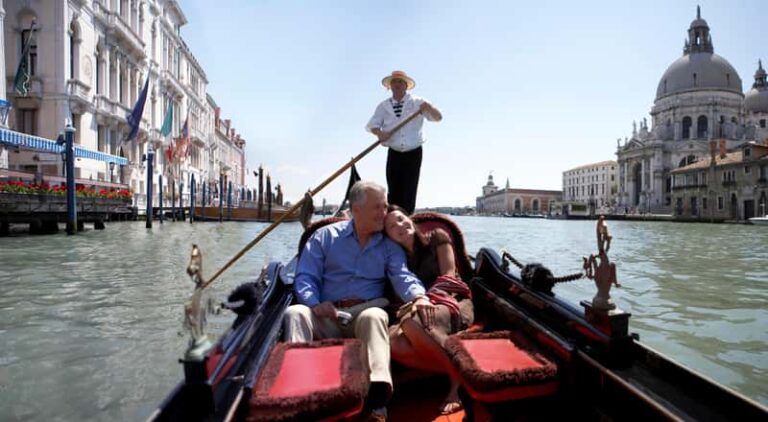
1. Private gondola off the beaten path
Short private ride focusing on the secondary canals of San Polo and Dorsoduro. Ideal for those who want silence, spontaneous stops, and close-up views of baroque façades without heading back to the Grand Canal.
- ⏱️ Duration: 30–120 minutes
- 🚩 Departure: Meeting point varies by option
- 💡 Highlight: Access to secondary canals and discreet stops
- 🗣️ Languages: Italian, English
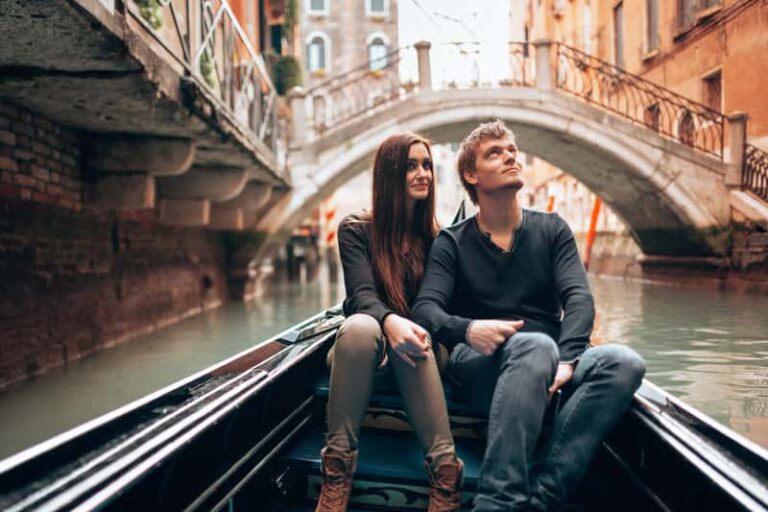
2. Gondola photo session
Professional photo session from a gondola: route chosen for photogenic backdrops and polished shots. Suited to couples and small groups who want a crafted keepsake without selfies.
- ⏱️ Duration: 1.5 hours
- 🚩 Departure: Meet in front of Café Florian
- 🎟️ Included: Retouched photos (delivered within 48 h)
- 🗣️ Languages: Italian, French, English, Spanish
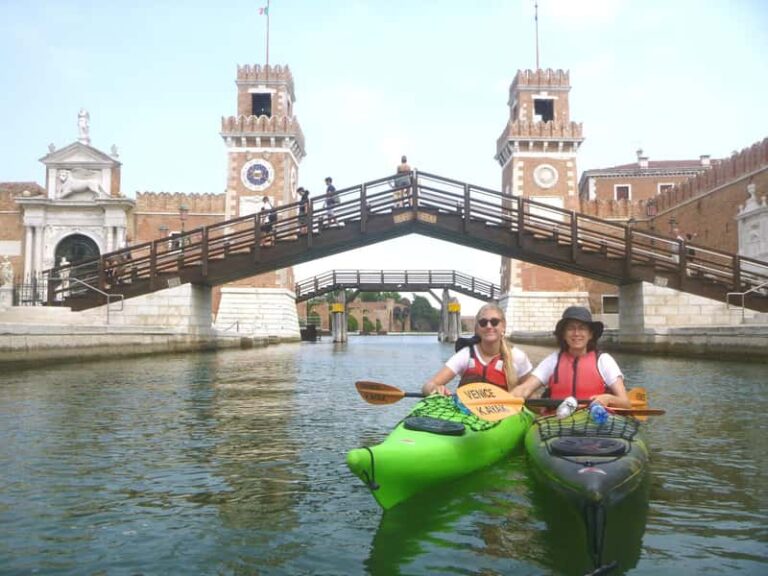
3. Guided kayak through hidden canals
An active, quiet option to reach the narrowest nooks: you glide under low arches and along fondamente inaccessible to large gondolas, guided by a local.
- ⏱️ Duration: 2 hours
- 🚩 Departure: Base in Cannaregio
- 🥾 Level: Accessible, light effort
- 💡 Highlight: Explore canals off-limits to big boats
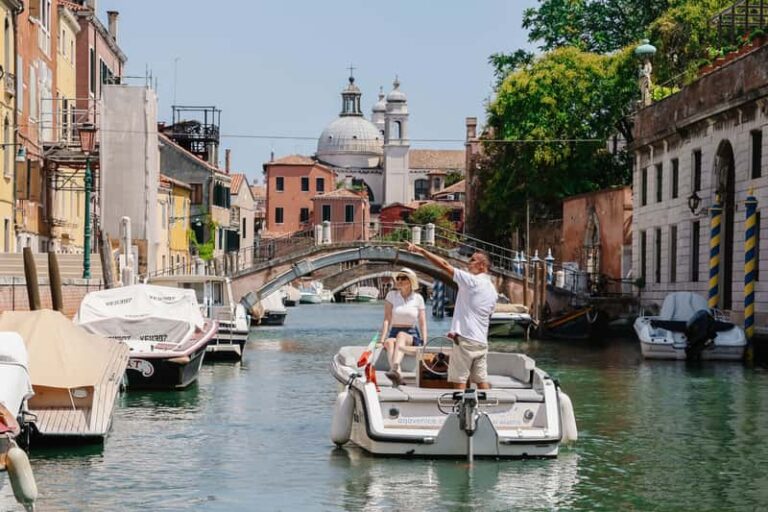
4. Electric boat for secret canals
Silent, comfortable cruise on secondary waterways, suited to small groups seeking comfort and local stories without the hustle of tourist zones.
- ⏱️ Duration: 1.5 hours
- 🛥️ Format: Comfortable private group
- 🍹 Included: Private tasting option (depending on package)
- 🚤 Transport : Bateau électrique
Itinéraire 3 — Fondamenta Nove à San Michele : sépultures et serenità
Depuis Fondamenta Nove (Campo Dei Morti, Cannaregio, 30121 Venezia VE), embarquez vers le nord-est pour un itinéraire chargé d’histoire. L’itinéraire traverse des passages où l’eau devient presque un foyer de mémoire : vous longerez l’île de San Michele, le cimetière de Venise, dont les cyprès se dressent comme des gardiens silencieux. L’île est située à l’adresse Isola di San Michele, 30121 Venezia VE — accessible en vaporetto (ligne 4.1/4.2) mais vue en entier depuis une gondole offre un relief émotionnel différent.
En continuant, vous passerez devant le port du Arsenale (Arsenale, Castello, 30122 Venezia VE — visite extérieurs; certains chantiers ouverts lors de la Biennale), ancien cœur militaire et naval de la République de Venise. Depuis l’eau, l’Arsenale dévoile une enfilade de portes et de murs crénelés, ponctuée par la silhouette d’anciennes grilles de chantiers. Les gondoliers connaissent des raccourcis qui longent les anciens docks, vous offrant des vues qu’aucune carte postale ne montre.

Après l’Arsenale, bifurquez vers des canaux qui bordent des ateliers d’artisans à Castello et rejoignez des petites églises comme la Chiesa di San Zaccaria (Piazza San Marco, 5882, 30124 Venezia VE — horaires : 9:30–17:30; prix : généralement gratuit pour l’entrée à la nef), qui, vue depuis le canal, révèle un campanile et une façade moins ostentatoire que d’autres églises mais d’une grande élégance. Le contraste entre les cimetières, les docks et les églises rend cet itinéraire particulièrement contemplatif — idéal pour les voyageurs en quête de recueillement et de photographies chargées d’émotion.
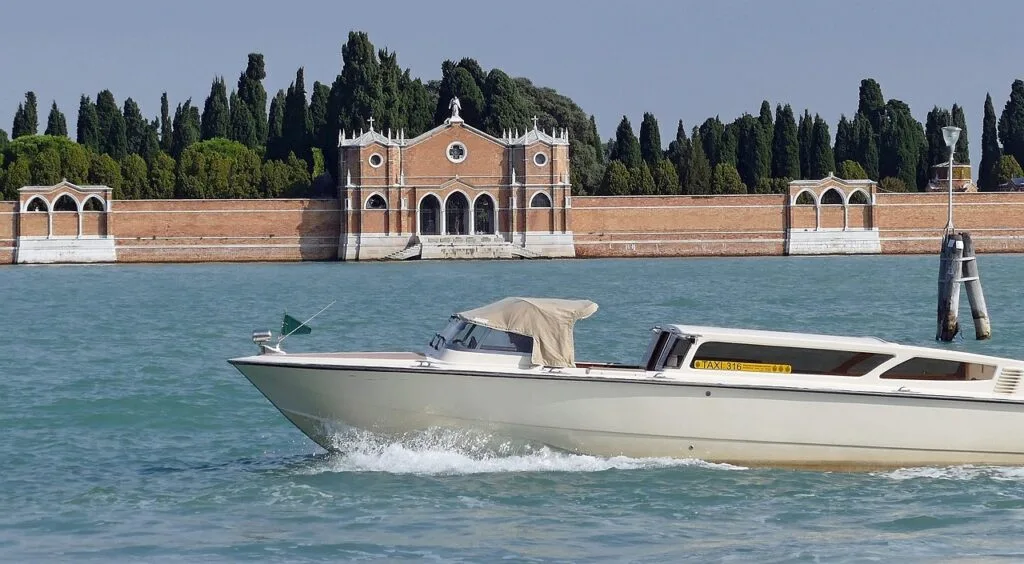
Conseils pratiques : partez en fin d’après-midi pour capter la lumière sur les cyprès de San Michele et les murs de l’Arsenale. Si vous souhaitez visiter le cimetière, sachez qu’il ferme souvent à 18:00 ; vérifiez les horaires à l’avance. Sur l’eau, gardez un rythme lent et demandez au gondolier d’expliquer les noms des îles et des portes que vous voyez : la plupart connaissent l’histoire de la marine vénitienne et apprécient de partager des anecdotes sur les familles patriciennes enterrées à San Michele. Enfin, si vous avez des questions historiques, prévoyez un guide imprimé ou une application pour identifier les tombes les plus célèbres.
Itinéraire 4 — Les jardins cachés et les palais de la Giudecca
La Giudecca est souvent perçue comme une barre côtière séparée par le canal de la Giudecca, mais elle renferme des jardins et des palais qui n’apparaissent pas dans les circuits classiques. Embarquez depuis la Riva degli Schiavoni (Piazza San Marco seafront, 30124 Venezia VE) et traversez le canal de la Giudecca. Après quelques minutes, vous apercevrez la longue façade de la Chiesa del Santissimo Redentore (Isola della Giudecca, ingresso: Riva degli Schiavoni, 30133 Venezia VE — ouverture : 9:00–19:00; messe et festivités spéciales pendant la Festa del Redentore en juillet). Sa silhouette blanche et ses arcs rythment l’approche.
Restez du côté sud de l’île et glissez vers des canaux internes bordés de jardins privés et d’anciens ateliers de fabrication de margarita en bois. Vous découvrirez le Palazzo Giustinian (Giudecca, exact address varies; many palazzi are private) avec ses arcades et ses petites loggias, ainsi que des entrées dérobées vers des jardins suspendus où poussent figuiers et agrumes. Ces jardins sont souvent invisibles depuis la ville principale, mais depuis la gondole, une grille entrouverte ou un escalier en pierre vous fait deviner un jardin secret, parfois accessible lors de visites organisées.

Un arrêt conseillé : le Giardino della Fondazione Giorgio Cini (Isola di San Giorgio Maggiore, 8, 30124 Venezia VE — horaires : 10:00–18:00; prix d’entrée variable lors d’expositions). Bien que situé sur l’île voisine de San Giorgio Maggiore, il est rapidement accessible depuis la Giudecca et offre une belle transition entre jardins et vues sur la lagune. À la tombée du jour, la Giudecca propose des panoramas sur la silhouette de la Basilique San Marco et le campanile, parfaits pour une photo intime sans la cohue des quais centraux.
Cliquer ici pour explorer l’île de San Giorgio avec audioguide
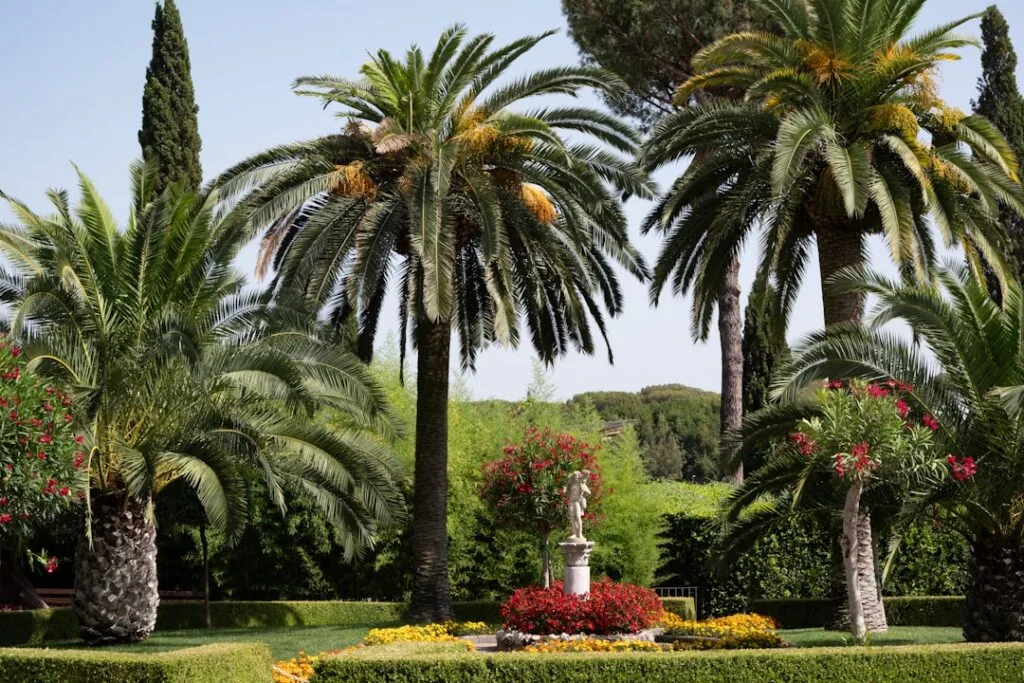
Conseils pratiques : la Giudecca mérite une exploration en fin de journée, quand les ouvriers d’ateliers ferment leurs portes et que les habitants sortent pour un dernier verre. Emmenez un insectifuge léger si vous naviguez près des jardins au crépuscule. Pour des réservations, contactez des gondoliers basés sur la Giudecca : ils auront souvent des tarifs légèrement plus bas car ils évitent le transit sur le Grand Canal. Enfin, sachez qu’un certain nombre de palais sont privés ; demandez la permission poliment si vous souhaitez prendre des photos rapprochées du jardin ou franchir une entrée.
Itinéraire 5 — Course vers l’île de Burano et ses canaux tranquilles
Bien que Burano soit connue pour ses maisons colorées et attire des foules en journée, il existe des bras d’eau et des recoins que peu de touristes parcourent. Embarquez tôt depuis Fondamenta dei Ormesini à Cannaregio et dirigez-vous vers la lagune nord-est, en traversant des chenaux moins fréquentés qui longent des palazzi isolés. À votre arrivée à Burano (Isola di Burano, 30142 Venezia VE), contournez le centre principal pour explorer des canaux latéraux où la vie quotidienne se déroule : enfants qui jouent, retraités qui raccommodent des filets, et petites trattorie familiales.
Visit the Chiesa di San Martino Vescovo (Piazza Galuppi, 30142 Burano VE — hours: 9:00–17:00; leaning bell tower visible from the shore) and stroll along the fondamenta that circle the island. The houses are undeniably photogenic, but look for the small inner courtyards around Calle dei Busi and Calle dei Carbonai: you’ll often find artisans at work. Have lunch at Trattoria da Romano (Via Giudecca, 1, 30142 Burano VE — hours: 12:00–15:00, 19:00–22:00; recommended dish: risotto di pesce; average price per person: 20–35 €) for an authentic meal away from the most touristy spots.
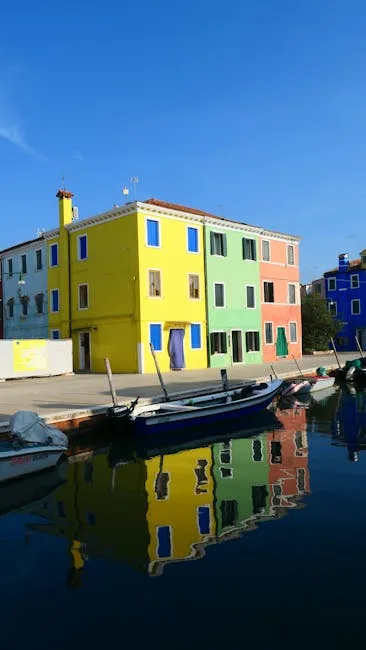
Practical tips: if you plan a gondola crossing to Burano, negotiate a daily rate or a private tour that lets you explore the island at your own pace (expect around 200–350 € for a half‑day depending on distance and number of passengers). Bring comfortable shoes and a hat: the light on Burano’s façades can be strong and bright. To avoid crowds, schedule your visit outside weekends and the 10:00–16:00 window. Finally, respect private property: many of the colorful façades are homes and deserve a respectful distance when photographing.
Click here to book a Murano and Burano tour
General practical tips for getting off the beaten path
1) Booking and bargaining: before boarding, ask for the exact price and duration — the usual practice is to agree on a fixed duration (30, 45, 60 minutes) and a price. Indicative rates: 80 € for 30 minutes in daytime (shared gondola), 100–120 € for 30 minutes in the evening, and 120–200 € for a private one‑hour trip depending on the route. For long inter-island crossings (e.g., Venice → Burano), expect daily rates around 200–350 €.
2) Pick the right time: early morning (7:00–9:30) and late evening (after 19:00) are the best slots to avoid crowds and get soft light. Midday hours (11:00–16:00) should be avoided in high season, except in winter when the city is quieter. In case of high tide (acqua alta), some routes may be altered: always follow the gondolier’s advice.
3) Safety and comfort: keep your backpacks against you and avoid heavy items that could unbalance the gondola. Private landings and small fondamenta often have slippery steps; wear shoes with non-slip soles. If you’re prone to seasickness, ask the gondolier to keep a very slow speed and avoid busy vaporetto passages.
4) Language and communication: many gondoliers speak English, fewer speak French. Learn a few Italian phrases to ease interactions: « per favore » (please), « quanto costa? » (how much does it cost?), « possiamo fermarci qui? » (can we stop here?). For a narrated experience, book a local multilingual guide who can board or meet you at landing points.
5) Respect and responsibility: life in Venice is fragile — keep noise down in residential areas, don’t throw waste into the water, and avoid loud behavior that disturbs daily life. If you pass in front of a private house, slow down and avoid pointing your camera at open windows without permission. Finally, if you use drones for aerial shots, check local regulations: many areas are off-limits without a permit.
Conclusion: a Venice revealed at the pace of the oar
Venice truly reveals itself when you accept navigating differently, away from routes made for crowds. The gondola itineraries here offer a range of experiences: from contemplation at the graves of San Michele, to the intimacy of Cannaregio’s fondamenta, to the secret gardens of the Giudecca and the colorful canals of Burano. Each route offers another way to listen to the city — an attention made of cast shadows, plaster highlights, lapping water and half‑voiced conversations. These rides are not just tourist strolls; they are invitations to slowness, observation and respect.
In practice, the key to a great experience is preparation: know the hours and addresses of the places you want to see, clearly agree your fare with the gondolier, travel at the right times, and keep local etiquette in mind. Prices mentioned in this piece are guidelines; reality can vary by season, events like the Biennale or Carnival, and the policies of independent gondoliers or companies. In any case, favor clarity and courtesy in your dealings — a firm handshake, a smile and a sincere « grazie » often open unexpected doors, even memorable conversations with locals or artisans.
If you dream of a more intimate Venice, start by choosing an itinerary that matches your mood: contemplative for cemeteries and churches, curious for Cannaregio and its hidden palaces, bucolic for the Giudecca and its gardens. Pack practical items (camera battery pack, water bottle, comfortable shoes), and leave room for the unexpected: a slightly open jetty, a local fête, an artisan inviting you to taste a piece of pane. Venice’s true riches are in those in‑between spaces, those silences between two lapping sounds where the city seems to speak to you softly.
Ultimately, a gondola away from the tourists is far more than a simple ride — it’s a ritual, a way to share a unique moment with the lagoon. Respect the places, stay curious, and you’ll leave Venice not only with stunning images, but with the memory of a city that let you, for a moment, be its confidant. Buon viaggio e buona navigazione.