





Introduction: the art of taking your time between glass and lace
Venice is often experienced at breakneck speed: tight itineraries, must-see checklists, queues at St. Mark’s Basilica or the Doge’s Palace. Yet just a few vaporetto stops away, two islands capture the joy of aimless wandering better than any guidebook: Murano and Burano. These neighboring isles form a complementary pair — Murano, the glassblowing capital with shimmering workshops and age-old furnaces; Burano, the island of painted houses and the delicate craft of lace. A slow day here isn’t about packing in as many sights as possible; it’s about savoring each texture, every flash of light, the relaxed pace of local conversations and the gentle rhythm of the canals.
Picture this: you set off in the morning from the Piazzetta San Marco, slipping away from the crowds, board an ACTV vaporetto as Venice shrinks behind you, breathe the salty air and listen to the water lapping. In Murano, linger in front of a glassworks where molten red glass becomes a flower or a bird, stroll the fondamenta lined with old shops, and stop for coffee at a tiny bar frequented by artisans. In Burano, let the scent of fresh fish whet your appetite, get delightfully lost in a colorful maze where every façade has its carefully chosen hue, and watch a woman at work on a crocheted tablecloth — her movements precise, almost meditative.
This introduction sets the tone: a slow day is a sensory one. It invites you to pause, to watch a glassblower shape a bead, to feel the lagoon breeze on a bridge, to sit on a trattoria terrace and savor sarde in saor or a squid ink risotto. It’s also a lesson in local geography: Murano and Burano are small societies where the names of artisans, the firing times of the forni (furnaces) and local festivals shape daily life. In this guide, I offer a relaxed route — with addresses, opening hours, prices and practical tips — to turn your outing into a memorable experience. Whether you’re a photographer chasing light, a craft lover or simply a traveler who needs to unwind, follow this walk designed to fit the pace of the islands.
 Click here to book a Murano and Burano tour

Murano: the breath of glass — iconic spots and exact addresses
Murano has been synonymous with blown glass since the 13th century. On arrival, the logical first stop is the Museo del Vetro (Glass Museum) to get context on the history and techniques before wandering into the workshops.
Click here to book entry tickets to the Glass Museum
Museo del Vetro (Glass Museum)
Address: Museo del Vetro, Fondamenta Giustinian 8, 30141 Venezia VE, Italy.
Opening hours: usually Tuesday to Sunday 10:00–17:00 (closed Monday), but check the official site for seasonal variations.
Price: adult ticket around €11, reduced fare about €6–€8 (students, seniors); audio guides or guided tours available for a supplement. The museum displays historical pieces and contemporary glass — from Byzantine mosaics to 18th-century Venetian flacons.
As you leave, walk toward the historic workshops along the Fondamenta dei Vetrai. Several studios open their doors to the public and offer free or paid demonstrations: for example, Vetreria Artistica Colleoni (Fondamenta dei Vetrai) and other well-known glassmakers. Many workshops display a « dimostrazione » (demonstration) sign and have pieces for sale. Expect to pay between €15 and €60 for small souvenirs; larger handcrafted works climb in price quickly.
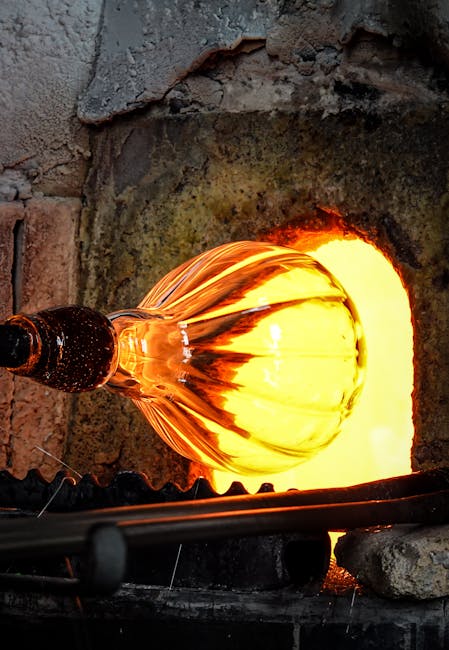
One highlight is visiting a traditional furnace. These demos reveal the fragility of the process: glowing red glass is gathered, blown, stretched and shaped on the rod in a choreographed dance of heat. The experience is visual and tactile — the glass’s clarity, the brilliance of colors and the sun’s reflections on the water play off one another.
Click here to book a glass factory visit

Practical tips for Murano: aim for the morning to avoid tour groups that arrive on cruise shuttle runs. Wear comfortable shoes — the fondamenta (quays) are cobbled and can be uneven. If you plan to buy a piece, ask for a certificate of authenticity (« certificato di autenticità ») and favor workshops that welcome the public over purely tourist shops. Artisans will often explain techniques in English or French; a little Italian like « Grazie » always goes a long way.
Food stops and cafés in Murano: where to eat and grab a coffee
A slow day in Murano naturally includes tasting breaks. After visiting the workshops, settle into a local bar for a caffè corretto or a cappuccino. Waterside terraces give you views of the artisans’ small boats and the occasional passing gondolier.
Practical recommendation: Bar da Nino (Fondamenta Navagero, 12, 30141 Murano) is a friendly little bar where locals often grab their espresso; watch for the line of artisans at the counter in the morning. For a simple, authentic lunch, Trattoria Busa alla Torre (Fondamenta San Giovanni, 9, 30141 Murano) serves local fish dishes: sarde in saor, bigoli alle seppie, risotto di pesce. Hours: typically 12:00–15:00 / 19:00–22:30. Prices: main courses from €12 to €22.
For a more formal meal, Ristorante Vecchia Murano (Calle Giustinian, 45, 30141 Murano) offers refined Venetian cuisine, with main dishes in the range of €20–€35. If you’re after a sweet snack, try the local biscuits with an espresso — perfect on a waterside pause.
Local tip: avoid menus written only in English in the most touristy spots if you want a more authentic experience — ask the server for the « piatti del giorno » (daily specials). Fish is often ultra-fresh; if you have allergies, say it in Italian: « Ho un’allergia a… ». Also note that standing at the bar is usually cheaper than sitting at a table.
Crossing to Burano: the journey as part of the day
The link between Murano and Burano runs via ACTV vaporetto (line 12 or line 4.2 depending on the season), or a combination of lines. The ride takes about 30 to 45 minutes depending on route and stops. Tickets: single ACTV ticket ≈ €8 (valid for 75 minutes for a single journey), but if you’ll be out for several hours or returning in the evening, a 24-hour pass is often worth it (approx. €25, indicative). Always check official ACTV fares before you go.
While crossing the lagoon, slow down and enjoy how the light shifts: sunlight glittering on the water, fishermen’s silhouettes, small boats. It’s an ideal moment for photography or for unfolding a map and simply relaxing.
Crossing tip: sit on the starboard side (right) if you depart from the southeast of Murano to get better views of the lagoon and, occasionally, Venice’s skyline. Buy your ticket before boarding at the kiosk or via the ACTV app to avoid queues. Keep a bottle of water and a windbreaker handy — lagoon breezes can be chilly even on sunny days.
Click here to book a half-day boat trip to Murano and Burano
Burano: color, lace and peaceful squares
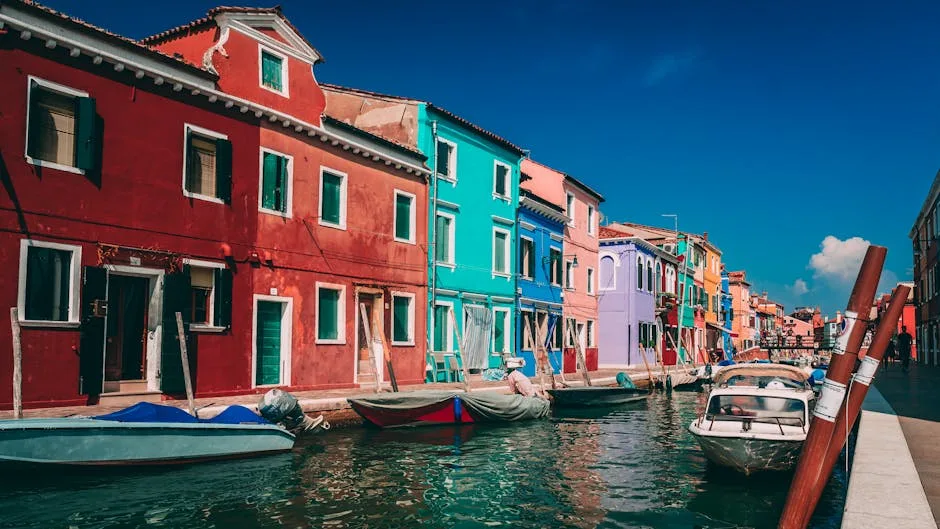
Burano is the opposite of hurried sightseeing. The island is famous for its painted façades and lace-making tradition. Start your visit at Piazza Galuppi, the social heart of the island, where cafés cluster and the slightly leaning bell tower of the Chiesa di San Martino Vescovo stands.
Chiesa di San Martino Vescovo and Piazza Galuppi
Address: Piazza Galuppi, 30142 Burano VE, Italy (island center).
The Chiesa di San Martino (St. Martin’s Church) is recognizable by its slightly tilted bell tower and houses a crucifix attributed to Giambattista Tiepolo. The church and square make an ideal base for people-watching: fishermen, parents with strollers and artisans meeting up.
Click here to book a Murano, Burano and Torcello tour
Next, head to the Museo del Merletto (Lace Museum) to learn the history of Burano lace. Address: Museo del Merletto, Corte Dell’Arsenale, 2, 30142 Burano VE, Italy. Hours: usually Tuesday to Sunday 10:00–17:00, closed Monday (check seasonal schedules). Price: adult entry around €3–€6 (a modest fee for a niche museum), sometimes included in combined tickets with other local museums.
Burano lace is still made by hand using bobbins and needles in family-run ateliers. You’ll often spot older women (and sometimes young apprentices) working at the doors of houses or in small shop-workshops. Don’t be shy about asking permission before taking close-up photographs of their work.

Practical tips for Burano: wander without a fixed plan. Side alleys often offer the most photogenic compositions — pastel houses and quiet canals reflecting the colors back at you. Buy lace from reputable shops and ask for a certificate of authenticity if you’re investing in an expensive piece. For an affordable keepsake, choose hand-embroidered doilies or handkerchiefs.
Tasty moments and dining spots in Burano
Burano has a small but excellent food scene focused on fresh fish and friendly hospitality. To sample local cooking, here are two places still rooted in tradition.
- Trattoria da Romano — address: Calle de Mezzo, 30142 Burano. Hours: typically 12:00–15:00 / 19:00–22:30. Specialty: risotto di gò (risotto with local fish). Prices: main dishes between €14 and €28. Famous for its risotto and for having been a hangout for local artists.
- Osteria al Fureghin — address: Via San Mauro, 217, 30142 Burano. Simple, tasty fish dishes with a daily menu often available. Average prices: €12–€25.
Tip: bussolà and esse (local biscuits) are traditional Burano treats — perfect with an afternoon espresso. If you’re on a tight budget, choose the smaller trattorie and avoid places sitting directly on the most photographed squares, which often charge tourist prices.
Final practical tips for a successful slow day
To wrap up the day, here are practical local and logistical tips to keep your experience smooth and memorable:
- Vaporetto tickets: buy ACTV tickets in advance (machines, ticket offices or the official app). A single ticket costs about €8 and is valid for 75 minutes; a 24-hour pass can be worth it if you plan several trips.
- Opening hours: museums and workshops often close between 17:00 and 18:00; plan glass demos in the morning and the Museo del Merletto in the afternoon. Restaurants open for lunch and reopen in the evening; plan a coffee break between 15:00 and 17:00 — a prime time for soft light on the façades.
- Cash: carry some euros for small shops and cafés; some workshops accept cards, but not all. Traveler’s checks and some foreign cards may be refused.
- Clothing: comfortable shoes and a light windbreaker. In summer, a hat and sunscreen; in winter, dress in layers — lagoon breezes can feel colder than in the city proper.
- Photography: respect artisans — ask before photographing handwork. Mornings and late afternoons provide the best light for capturing façade colors and glass reflections.
- Local respect: don’t climb on bridge edges for photos — it inconveniences residents and can be dangerous. Keep voices low on the fondamenta in the evening so as not to disturb locals.
Conclusion: slowness as the key to rediscovered authenticity
A slow day in Murano and Burano is an antidote to the hurry of modern travel. Rather than ticking off landmarks, you step into workshops, watch skilled hands at work, taste local dishes, listen to bells and the water’s murmur. Murano dazzles with molten glass, teaches you a millennia-old technique and offers objects that tell a story. Burano, with its colorful houses and fine lace, immerses you in a domestic aesthetic where every street composes a palette.
By respecting opening times and keeping a few practical addresses handy (Museo del Vetro, Fondamenta Giustinian 8; Museo del Merletto, Corte Dell’Arsenale 2; Trattoria da Romano, Calle de Mezzo), you can turn a simple excursion into a day of learning and wonder. The prices mentioned (museum entries, vaporetto tickets, dishes) give a rough idea for planning, but it’s always smart to check up-to-date fees and seasonal schedules before you leave.
Finally, the best tip for enjoying Murano and Burano is intentional slowing: turn off notifications, walk without a map for a while, talk with an artisan or shopkeeper, sit facing a canal and let the moment wash over you. You’ll leave not just with photos and purchases, but with a lasting sense of calm — proof that the best way to visit Venice is not to rush, but to learn how to linger.