





Introduction
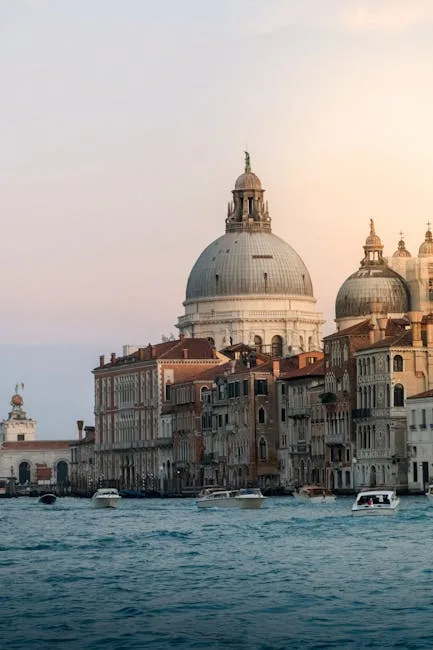
Venice is a postcard-perfect city of waterways and centuries-old stone. But behind the romantic clichés lie practical realities that directly affect your travel budget: the lagoon’s unpredictable weather, seasonal tourist flows, fluctuating transport and accommodation prices, and occasional events (Carnival, the Biennale, the Venice Film Festival) that can spike costs overnight. Understanding how weather and expenses interact — when to save and when it’s worth spending a little more to avoid hassles — is key to planning a trip that’s both enjoyable and wallet-friendly.
In a city built on water, climate shapes everything. Winter often brings acqua alta (high tides) that make walking around harder and may force you to buy waterproof boots or rely on raised walkways. Summer brings heat waves, crowded streets and peak hotel and restaurant prices. Between those extremes, spring and autumn usually offer mild weather and softer rates — but you still need to understand the details: which days to visit ticketed attractions, how to plan vaporetto (ACTV waterbus) journeys, where to stay to avoid pricey airport shuttles from Venezia Marco Polo Airport (Aeroporto di Venezia « Marco Polo », Via Galileo Galilei, 30, 30173 Tessera VE), and when to book so you don’t miss discounts.
This article walks you through it step by step: how to tweak your dates based on weather forecasts and local events, which sights to favor in low season to save money without losing the experience, how to manage transport and accommodation to cut costs, and which expenses are worth it (for instance, paying for a skip-the-line ticket to avoid hours standing in the rain). We’ll also list exact addresses, typical opening hours and price ranges in euros for main monuments and transport, plus local practical tips — how to read a tide board, where to buy aqua alta protection, and how to haggle or avoid tourist surcharges.
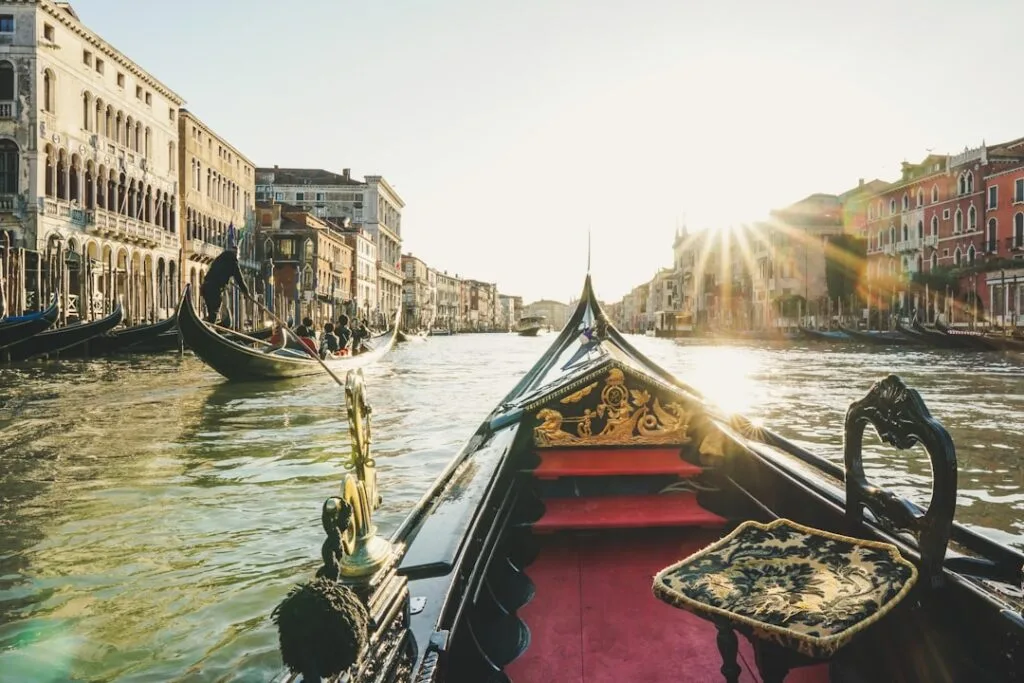
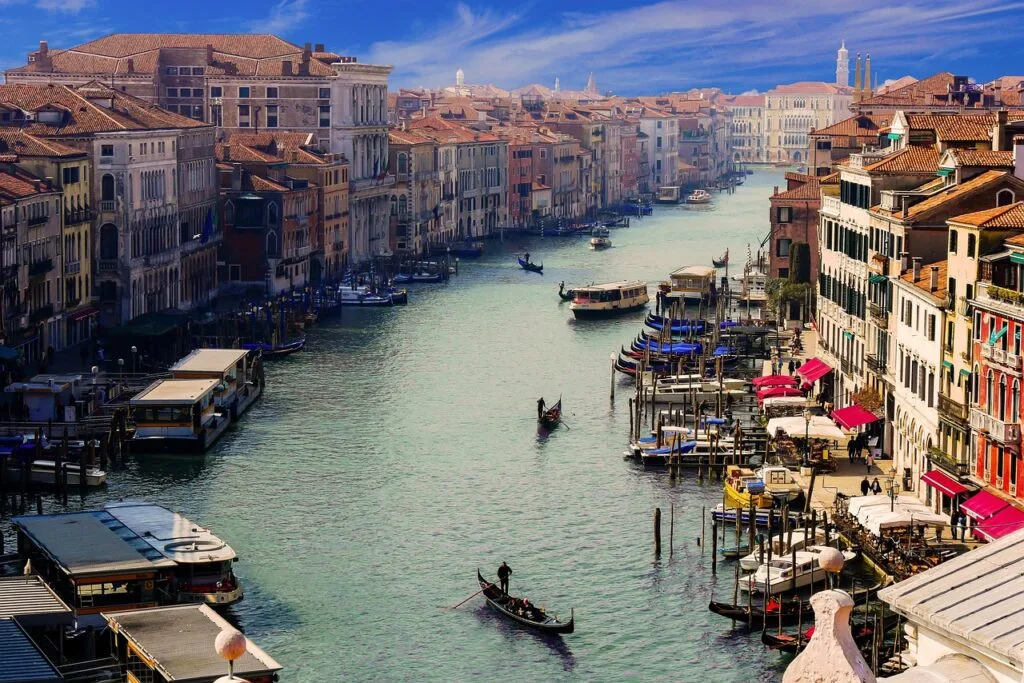
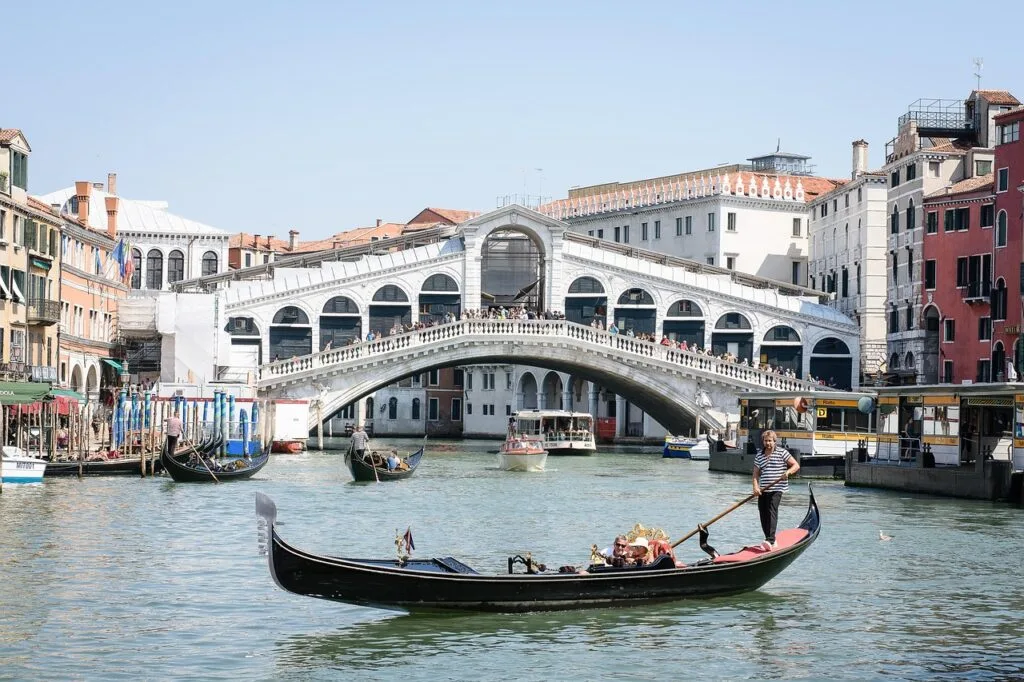
Finally, you’ll find lots of concrete, immersive tips: rise at dawn at the Piazzetta San Marco to watch the first boats slip through the mist, spot a gondolier pulling a gondola at sunset near the Rialto Bridge, or duck into a cozy osteria when a fine rain turns the calle into mirrors. Each suggestion includes geographic reference points (exact addresses), times and approximate prices (remembering that some fees vary by season and temporary exhibitions), so you can build a smart itinerary that balances weather and budget.
When to Visit Venice by Weather: Seasons, Pros and Cons
To optimize your budget you first need to know when to go. Venice has four distinct seasons that affect crowds and prices.
– Spring (March to May): spring is one of the best windows for a weather/price compromise. Temperatures usually range from 10 °C to 20 °C, days get longer and rainfall is moderate. Accommodations are often cheaper than in summer, especially in March–April. Pros: fewer crowds than July–August, blooming gardens, and beautiful morning light for photos. Cons: Easter weekends can push prices up, and late acqua alta episodes are still possible.
– Summer (June to August): high tourist season. Hot (25–35 °C) and humid. Hotel, restaurant and excursion prices rise sharply, especially in July–August and for events like the Festa del Redentore. Pros: extended activities, longer museum hours, lots of cultural options. Cons: dense crowds, long lines, and hotel rates that often push basic rooms above €150–300 per night in peak July.
– Autumn (September to November): another great compromise similar to spring. September is especially pleasant: temperatures still mild (15–25 °C), tides more predictable and crowds thin out after mid-September. November can be wet and sees more frequent acqua alta; however you’ll often find the best hotel deals then. Budget tip: aim for late autumn to catch discounts if you can handle more unpredictable weather.
– Winter (December to February): low season, except for Christmas and Venice Carnival (dates vary, often in February). Hotel rates often drop by up to 40% compared to summer. Weather is cold and damp, with high aqua alta risk between October and January. Pros: big savings on lodging, intimate Venetian atmospheres, shorter lines at museums. Cons: some outdoor activities are less appealing and some hotels or restaurants may reduce hours.
Practical tips:
- Watch the acqua alta forecasts: the official Comune di Venezia website and the « Venezia Unica » app issue tide alerts. When an alert is active, raised walkways (passerelle) are set up in Piazza San Marco and other main routes.
- Book ahead in low season if you plan to travel during Carnival or the Film Festival — hotels raise rates even in winter.
- Avoid July–August if you’re on a tight budget; favor September–October or March–April for softer prices and good weather.
Must-see Monuments: Prices, Opening Hours and Money-Saving Tips
Visiting Venice’s major attractions takes a sizable chunk of the cultural budget. Here are practical details and tips to save time and money.
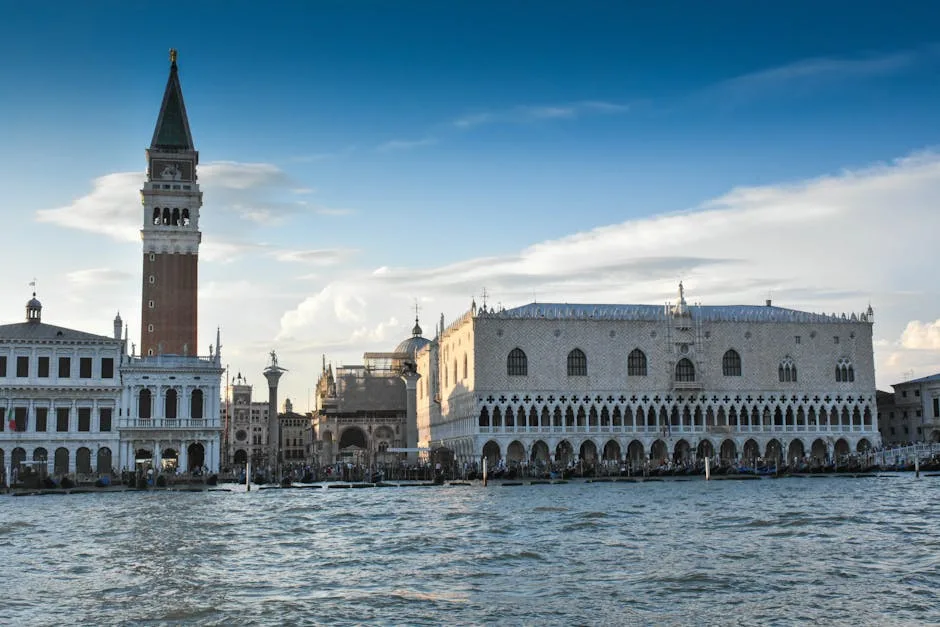
St Mark’s Basilica (Basilica di San Marco)
Address: Piazza San Marco, 328, 30100 Venezia VE, Italy.
Typical hours: generally open 9:30–17:00 (varies by season; some mornings reserved for religious services).
Price: entry to the main narthex is usually free, but access to the Museo di San Marco, the Pala d’Oro (gold altarpiece) and the terrace/balcony is ticketed: around €5–8 for the museum/terrace and €2–7 for the Pala d’Oro depending on combined tickets. Prices vary; a skip-the-line Pala d’Oro ticket can add €4–10.
Tips:
- Get there early in the morning (or late afternoon in low season) to avoid queues and crowds; the morning light makes the visit magical.
- Buy combined tickets online to skip the lines — it can be worth the small extra fee for saving time and staying dry in bad weather.
- Dress appropriately: shoulders and knees must be covered to enter.
 Click here to book your ticket for St Mark’s Basilica and the Campanile

Tips:
- The combined ticket is worthwhile if you plan to visit several museums on St Mark’s Square.
- Consider the “itinerario segreto” (secret itinerary) or the prison circuit only if you’re into history: extras typically cost €6–12 but offer unique perspectives on the palace.
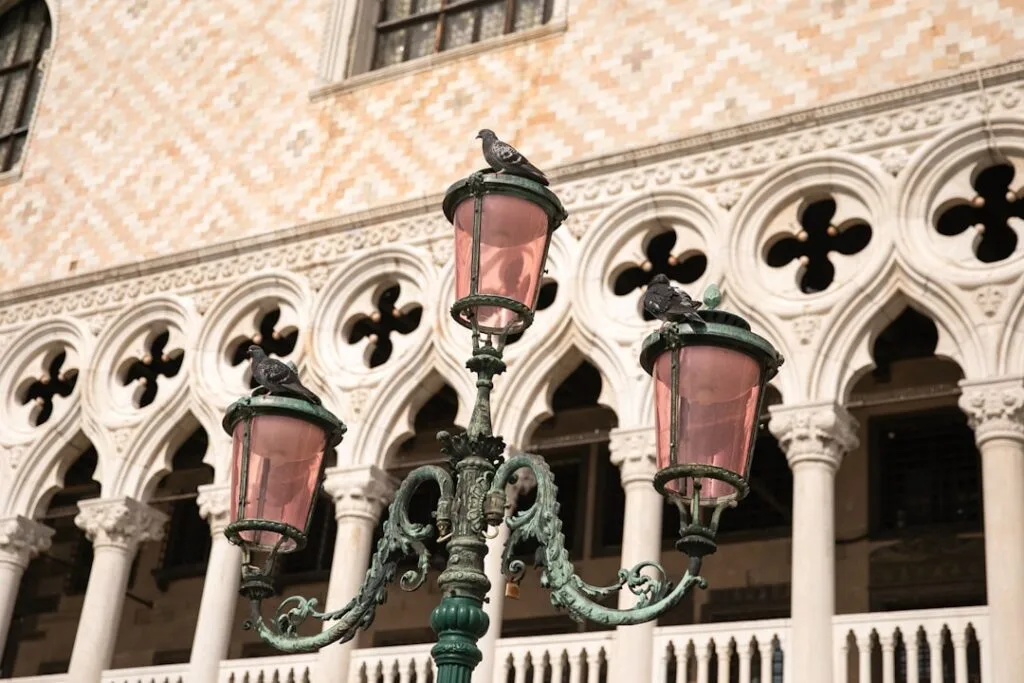
Doge’s Palace (Palazzo Ducale)
Address: Piazza San Marco, 1, 30124 Venezia VE, Italy.
Typical hours: usually 8:30–19:00 (varies by season).
Price: the combined « Musei di Piazza San Marco » ticket (Doge’s Palace, Museo Correr, National Archaeological Museum, Marciana National Library) is around €28 for adults; reduced rates for youth/students and some free admissions apply.
Tips:
- The combined ticket makes sense if you plan to see several museums on St Mark’s Square.
- Take the secret itinerary or prison tour if you want in-depth history — expect to pay an extra €6–12 for those options.
Click here to book priority access to the Doge’s Palace
Click here to purchase a Venice City Pass with museums
Tips:
- Visit on a weekday and early in the morning to enjoy quieter rooms.
- If you’ll see many museums, consider a « Venice Museum Pass » or a Venezia Unica card which can sometimes offer discounts.
Getting Around the Lagoon: Vaporetto, Gondolas and Daily Savings
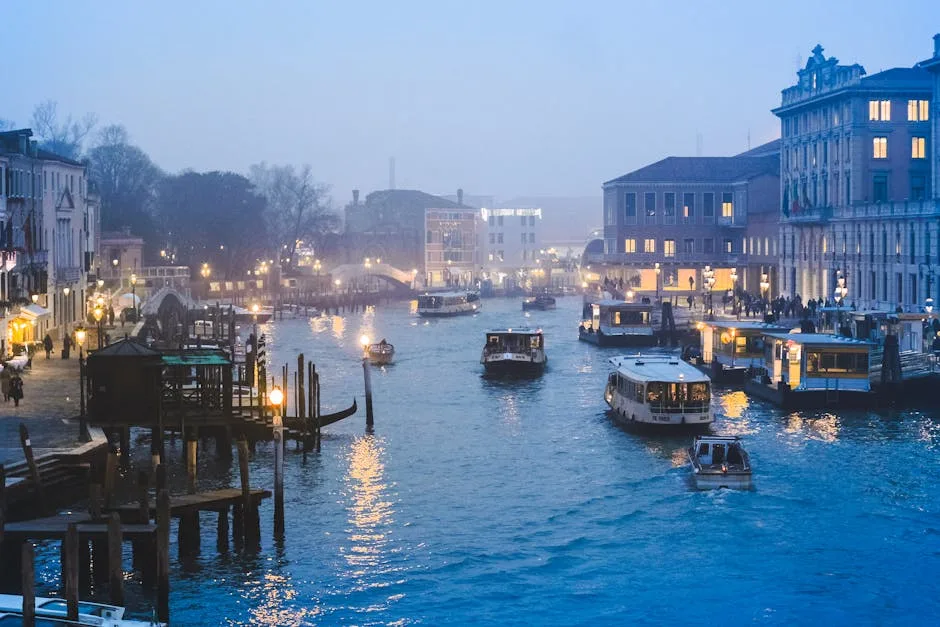
Getting around Venice is a balancing act between comfort, speed and cost. Main options are walking, the vaporetto (ACTV waterbus), express vaporetto services to the airport/ferries, and gondolas/traghetti for specific crossings.
ACTV Vaporetto (public service) — key info:
– Purchase and prices (indicative, check before you travel): single ACTV ticket (75 minutes) about €9.00 (2024 rate), 10-ride booklets sometimes available at a reduced price depending on the period. Time passes: 24 hours €26.00, 48 hours €34.00, 72 hours €42.00, 7 days €65.00. These passes are worth it if you plan multiple trips per day (a round trip can exceed €18 without a pass).
– Operating hours: most lines run from early morning (5:00–6:00) until midnight; main lines (Line 1, 2) have high frequency, while routes to Murano/Burano/Torcello follow more limited schedules. Night services exist but are less frequent. Check ACTV real-time timetables at stops or via the official ACTV app.
Gondola and traghetto:
– Tourist gondola (30–40 minutes): the standard shared gondola price is about €80.00 for 30 minutes during the day (rates increase at night: ~€100–120). For a private gondola expect to pay according to time and distance. Make sure the gondolier starts the meter and that the price is clear before boarding.
– Traghetto (traditional canal ferry, an economical alternative to a gondola): very cheap, usually €2.00–3.00 per crossing. It’s a great local way to save money while experiencing something authentic.
Click here to book a gondola ride along the Grand Canal
Local practical tips:
- If you plan more than 3 trips a day, buy a 24/48/72-hour pass: it usually pays off and frees you from buying single tickets.
- For Marco Polo Airport (Aeroporto di Venezia « Marco Polo », Via Galileo Galilei, 30, 30173 Tessera VE), you can take the ATVO/ACTV bus or the Alilaguna vaporetto: Alilaguna tickets are around €15–18 one-way, ATVO bus ~€8–10. Compare price and travel time: the vaporetto drops you in the lagoon but takes longer.
- Favor walking for short trips: Venice is compact and walking lets you discover quieter alleys while saving on transport.
Accommodation and Eating: Strategies to Save Without Missing Out
Lodging and food are the two biggest expenses. Here are concrete strategies and neighborhood benchmarks to balance comfort and budget.
Where to sleep? Benchmarks and price ranges (indicative):
– San Marco (Piazza San Marco and surroundings): very central but expensive — 3-star hotels roughly €120–250 per night in low/shoulder season, much higher in peak season. Example: Caffè Florian (Piazza San Marco 57) is a historic café rather than a hotel; expect to pay around €8–15 for an espresso served at a table. (Typical hours 9:00–00:00; check locally).
– Dorsoduro (near the Gallerie dell’Accademia and Peggy Guggenheim): good quality/price balance, rooms €70–160 in low/shoulder season.
– Cannaregio and Castello: more local neighborhoods, often cheaper (€50–120 per night) and well-served by vaporetti.
– Lido di Venezia: beachside hotels, variable prices; interesting off-season.
Click here to book a street food cicchetti tour
Money-saving tips:
- Book accommodation with a kitchenette if you want to cut food costs: buying local ingredients at the market (Mercato di Rialto, Ruga degli Oresi, Sestiere San Polo) can save a lot.
- Avoid restaurants on Piazza San Marco and along the Grand Canal if your budget is tight: a café there can cost €8–12 and a simple main dish €20–30; head into calmer sestieri (neighborhoods) for meals priced €10–18.
- Look for trattorie and osterie, or a cicchetteria (small plates bar) to try cicchetti (Venetian tapas) at €1–4 each — a great way to taste local food without overspending.
Concrete example: an affordable yet authentic dinner
A cicchetteria near the Rialto Market (check small signs around Campo San Giacometto) often offers 3–4 cicchetti and a glass of wine for around €12–18. By comparison, a touristy canal-side dinner can cost €35–60 per person.
Events, High Season and Tricks to Avoid Surcharges
Certain cultural events transform Venice: Carnival, the Art Biennale, the Architecture Biennale and the Venice Film Festival are prime examples. These events can push hotel and flight prices up significantly, often months ahead.
Practical data:
- Carnival of Venice: dates vary (usually February); hotels and restaurants raise prices, especially near San Marco.
- Venice Biennale (Art): every two years (odd years), large international crowds and higher rates; pavilion tickets (Giardini, Arsenale) often cost €20–30 depending on the exhibition.
- Venice Film Festival (Mostra): late August/early September on the Lido; hotel rates on the Lido and in the city center rise notably.
Click here to book a Carnival cruise in Venice

Local Practical Tips: Aqua Alta Protection, Safety and Small Savings
A few simple actions, concrete addresses and bits of knowledge will save you unnecessary spending and headaches.
Protecting yourself from acqua alta:
- Shoes: bring waterproof boots or buy disposable overshoes locally (sold at some kiosks and convenience stores). Price guide: basic boots €15–30, disposable overshoes around €2–5 per pair.
- Raised walkways: the city installs pedestrian walkways (called passerelle pedonali) on main routes like Piazza San Marco — follow official signage. During acqua alta, avoid the lower lanes along secondary canals.
- Helpful apps: « Venezia Unica » and Comune di Venezia tide alerts for acqua alta and public services.
Click here to book a skip-the-line Doge’s Palace & St Mark’s tour
Safety and common scams:
- Beware of restaurants that display attractive prices outside but add large « service » or « cover » charges: check the menu carefully before you go in. Cover charges can be €2–5 per person, sometimes more in tourist areas.
- For gondolas, clearly agree the price and duration before boarding. Night rides are typically more expensive than daytime ones.
- Avoid unlicensed private taxis outside Venezia Santa Lucia station; prefer official water taxis or the vaporetto for transparent fares. Water taxis can cost €100–150 depending on the route; compare with Alilaguna/ATVO from the airport.
Smart small savings:
- Buy major attraction tickets in advance online (Doge’s Palace, museums on St Mark’s Square) to avoid queues and sometimes get promotional rates.
- Use traghetti to cross the Grand Canal (€2–3) instead of a gondola for an authentic, low-cost experience.
- Favor street food and markets for light meals: a fresh fish sandwich near the Rialto Market can cost €6–10.
Sample Day Itineraries by Budget and Weather
Here are three one-day itinerary suggestions tailored to weather and wallet.
1) Smart-budget itinerary — cool/overcast day (spring/autumn, low tide):
– Morning: arrive at Stazione di Venezia Santa Lucia (Fondamenta Santa Lucia, 30121 Venezia VE). Walk to the Ponte di Rialto (Ponte di Rialto, Sestiere San Polo, 30125 Venezia VE). Breakfast at a local caffetteria (espresso €1–2 at the counter, €3–5 at a table).
– Mid-morning: cross on a traghetto (€2–3) for an inexpensive Grand Canal photo. Exterior visit to Chiesa di San Giacomo di Rialto and the Mercato di Rialto.
– Afternoon: Gallerie dell’Accademia (ticket ~€12–15); finish at the Peggy Guggenheim Collection (Palazzo Venier dei Leoni, Dorsoduro 701, 30123 Venezia VE; entry ~€14–15) if you’re into modern art. Dinner in a Dorsoduro osteria (main dishes €12–18).
Click here to book a skip-the-line ticket for the Peggy Guggenheim
2) Comfort itinerary — sunny day (summer):
– Morning: early visit to St Mark’s Basilica (arrive at opening, buy Pala d’Oro access €5–8 online for skip-the-line). Keep tourist café time short. Then visit the Doge’s Palace (combined ticket ~€28) with the prisons circuit option (+€6–12).
– Afternoon: vaporetto Line 1 along the Grand Canal (single ticket €9 or 24h pass €26 if you’ll make multiple trips). Gelato break, stroll over the Ponte dell’Accademia. Evening: gondola if the budget allows (~€80–100) for an unforgettable sunset.
3) Low-cost but memorable — winter day with aqua alta risk:
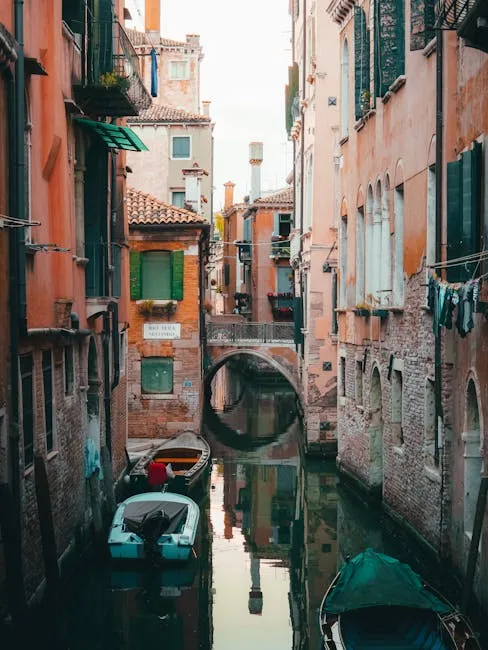
– Morning: covered market and local breakfast; indoor visit to Santa Maria della Salute (Punta della Dogana / Basilica di Santa Maria della Salute, Dorsoduro, 30123 Venezia VE) if open, otherwise a photo stroll from the Ponte dell’Accademia.
– Afternoon: explore Cannaregio and Castello, sample cicchetti, visit small churches and covered passages. Evening: a baroque music concert in a converted palazzo (ticket prices vary, often €20–35).
Click here to book your ticket for Vivaldi’s Four Seasons concert

Conclusion
Venice requires a bit of strategy to balance weather and budget. Your travel dates determine both comfort and total cost: favor spring and autumn for the best compromise, winter for low rates if you accept damp weather and higher aqua alta risk, and summer only if your budget is flexible and you enjoy the tourist buzz. Knowing standard prices (vaporetto ~€9 single ticket, 24h pass ~€26, museum tickets €12–28 depending on the site, gondola ~€80–100 for 30 minutes) will help you anticipate and allocate expenses without surprises.
Practically speaking, simple rules often save money: walk instead of taking the vaporetto for short trips, prefer cicchetterie and markets for meals, buy skip-the-line tickets if the weather threatens long waits in the rain, and stay informed about tide alerts via the « Venezia Unica » app and official Comune di Venezia signage. Also note that booking accommodation away from Biennale or Carnival dates can save you dozens of euros per night.
Finally, remember that some expenses are worth it: a vaporetto ride can save precious time, and a skip-the-line ticket can spare you half a day stuck in the rain. Venice is above all a city to experience: adapt your plans to the day’s weather, embrace the little surprises that are part of lagoon life, and turn them into opportunities — discovering a historic café like Caffè Florian or lingering in an osteria when the sky opens can be the most economical and rewarding choices of all.