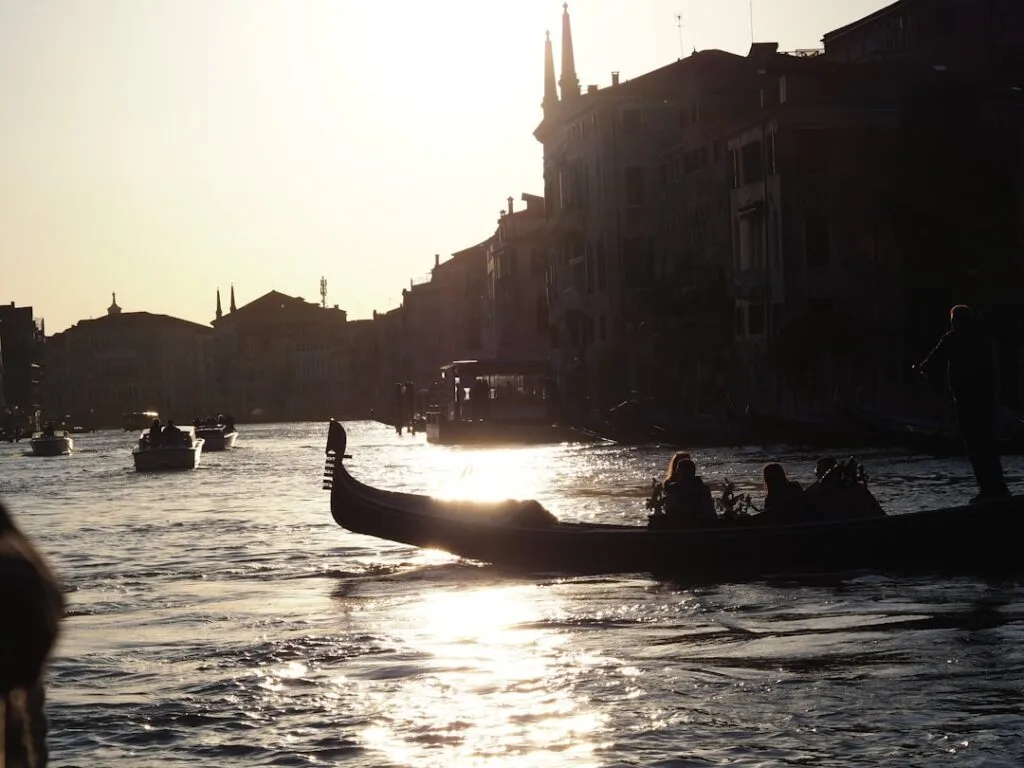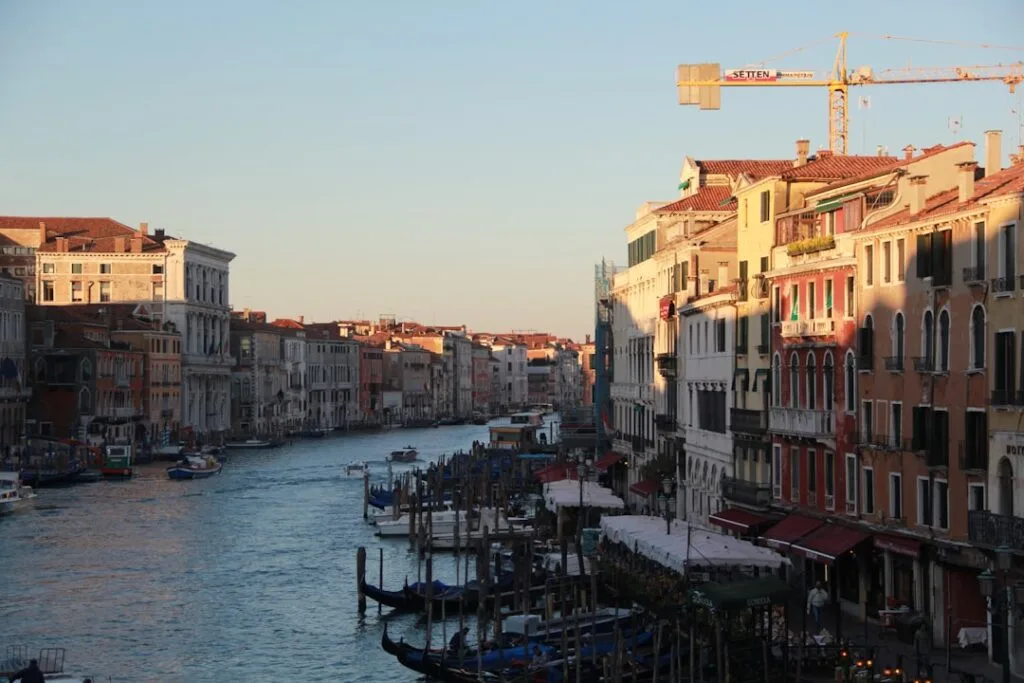






Introduction — Walking and cycling around Venice: why you should tailor routes to the weather
Venice is often thought of as a city to be savored on foot, wandering its alleys, bridges and canals at an unhurried pace. But the lagoon and lowlands that cradle the Serenissima offer a wide range of walking and cycling routes that really shine when you plan them according to seasonal weather. Strolling the Riva degli Schiavoni at dawn before the vaporetto and crowds arrive gives a rare sense of intimacy; cycling the Litoranea Veneta along the beaches of the Lido and Pellestrina can turn an ordinary day into a full immersion of sea, salt and birds. In this article I share concrete routes, exact addresses, opening hours and prices in euros, plus practical seasonal tips so your hikes and bike rides around Venice are enjoyable and safe.
Venice and its lagoon are more than just Piazza San Marco and the Rialto Bridge: they form an archipelago — Murano, Burano, Torcello — and coastal strips like the Lido di Venezia and the Cavallino-Treporti peninsula that are perfect for cycling or hiking. Routes change a lot with the weather: in summer plan early departures to avoid heat and late-afternoon storms; in spring and fall enjoy colors, salt pans and bird migrations; in winter you’ll need to account for high water (acqua alta) that can flood parts of the city, making walking routes harder but sometimes more dramatic and photogenic.
This article gives you detailed routes — full place names, exact addresses, prices, opening hours and local practical advice — for walking and cycling around Venice depending on seasonal weather. Recommendations include urban strolls (Piazza San Marco, Basilica di San Marco, Palazzo Ducale), coastal loops (Lido di Venezia, Pellestrina), island hops (Murano, Burano, Torcello) and nature outings (Parco Regionale del Delta del Po and the Northern Lagoon reserve). Each section includes tips on clothing, gear, safety and the best departure time to avoid crowds or bad weather. You’ll also find practical info on transport fares, bike rentals and local assistance to help you plan efficiently.
Always carry a map (paper or offline), a waterproof layer if showers are likely, and remember to book certain visits in high season. Museum and vaporetto timetables can change, and local events (Festa del Redentore, the Venice Biennale) can affect access to some routes. In the following sections you’ll find vivid route descriptions with visual suggestions to help you picture each stage. Happy planning — and above all: embrace Venetian slowness to turn every walk into a discovery.
 Click here to discover Murano and Burano by boat
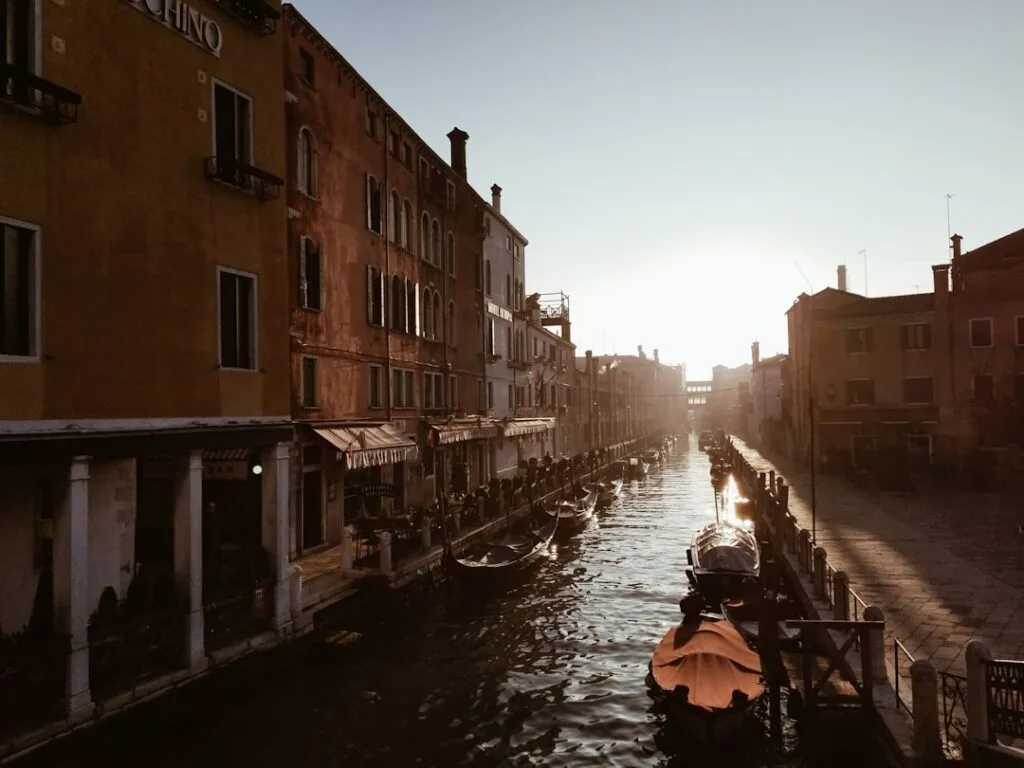
Must-do walks in the historic center — Piazza San Marco, the basilica and the secret waterfronts
The best way to explore Venice on foot is to start with its iconic spots, then deliberately lose yourself in the calli (narrow streets) and campi (small squares). Below are the key points with addresses and practical info.
Piazza San Marco and its main monuments
Piazza San Marco (Piazza San Marco, 30124 Venezia VE, Italy) is the tourist heart of Venice, flanked by the Palazzo Ducale and the Basilica di San Marco. The basilica, famous for its Byzantine mosaics, is located at Basilica di San Marco, Piazza San Marco, 328, 30124 Venezia VE. Hours: generally open from 9:30 to 17:00 (sometimes closed 12:00–14:00 for religious events). Fees: main entry to the basilica is often free, but visiting the Museo Marciano and the Pala d’Oro is paid — expect about €3 to €7 for side chapels and small museums; the Pala d’Oro costs around €5. In high season it’s highly recommended to buy skip-the-line tickets.
Click here to book priority access to St. Mark’s Basilica
The Palazzo Ducale (Doge’s Palace) is at Piazza San Marco, 1, 30124 Venezia VE. Hours: usually 8:30–19:00 (seasonal changes possible). Tickets: combined ticket with the Correr Museum and the Marciana is roughly €25 for adults (price varies). A visit takes you through the Doges’ chambers, the prisons and the famous Bridge of Sighs.
Click here to book your Doge’s Palace tour

The Palazzo Ducale (Doge’s Palace) is at Piazza San Marco, 1, 30124 Venezia VE. Hours: usually 8:30–19:00 (seasonal changes possible). Tickets: combined ticket with the Correr Museum and the Marciana is roughly €25 for adults (price varies). A visit takes you through the Doges’ chambers, the prisons and the famous Bridge of Sighs.
Side streets and waterfronts: Dorsoduro, Cannaregio and the Fondamenta delle Zattere
After the busy tourist area head to Dorsoduro (access via the Ponte dell’Accademia) for a peaceful walk along the canals and art galleries. Recommended address: Gallerie dell’Accademia, Campo della Carità, 1050, 30123 Venezia VE. Hours: 8:15–19:15 (closed Mondays in some seasons). Ticket: around €12–€15. The Fondamenta delle Zattere along the Giudecca Canal is perfect for a sunset stroll, with cafés and gelato stands on the quay.
In the Cannaregio district wander the Fondamenta della Misericordia and the Fondamenta degli Ormesini. A recommended stop: Ghetto di Venezia, Campo del Ghetto Nuovo, 30121 Venezia VE, the historic Jewish quarter. Private museums and synagogues have variable hours; plan about €5–€10 to visit the Jewish museums.
Practical tips for pedestrians
- Shoes: choose closed, waterproof shoes with non-slip soles — many cobbles and wet passages.
- Acqua alta: during high water (mainly autumn–winter) bring boots or know where the temporary raised walkways (passerelle) are located. Local authorities publish updated maps on the Comune di Venezia website.
- Timing: leave early when it’s hot in summer; if a storm hits, take shelter in a church or café and avoid wet metal bridges.
- Prices and bookings: for Basilica di San Marco and Palazzo Ducale book online in high season to avoid long queues.
The lagoon islands and cycle routes — Murano, Burano, Torcello and the Lido–Pellestrina crossing
Venice’s lagoon is made up of islands reachable by vaporetto (ACTV water-bus) and some ferries. Some islands are perfect for cycling, others better on foot — here’s how to mix bikes and boats depending on the weather.
Murano — glassmaking and easy walks
Murano (Ferry stop: Murano Colonna, 30141 Murano VE) is famous for its glass workshops. Useful address: Museo del Vetro, Fondamenta Giustinian, 8, 30141 Murano VE. Hours: 10:00–17:00 (seasonal). Price: museum ticket roughly €7–€10. Workshops often open in the morning; expect a demonstration, sometimes free, with finished pieces for sale. Murano is easy to walk around; cycling is less common but possible on the wider bridges linking islets.
Click here to join a glassblowing workshop
Burano and Torcello — color, lace and calm
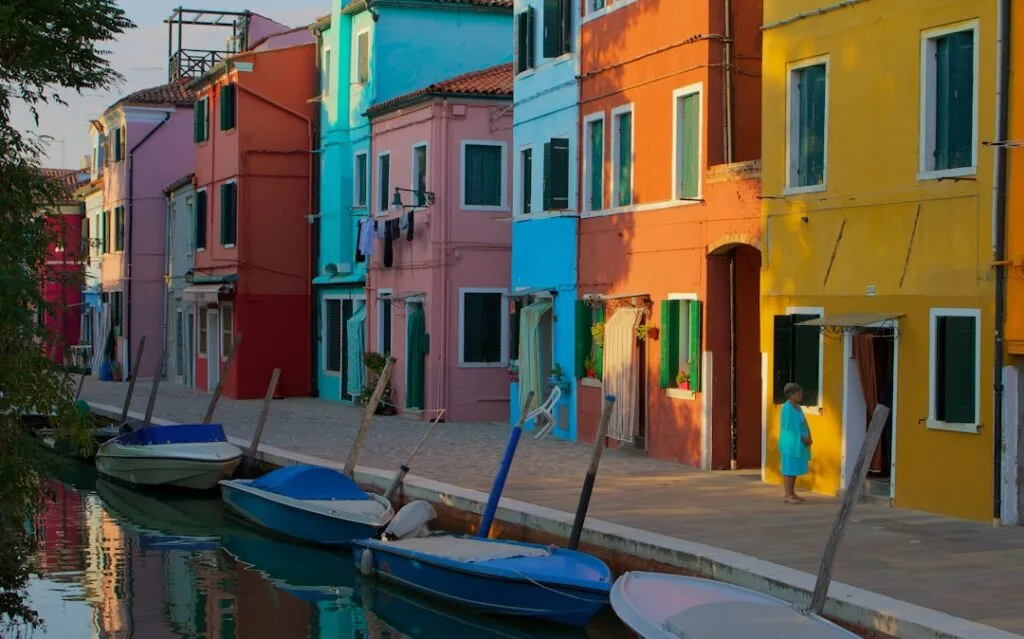
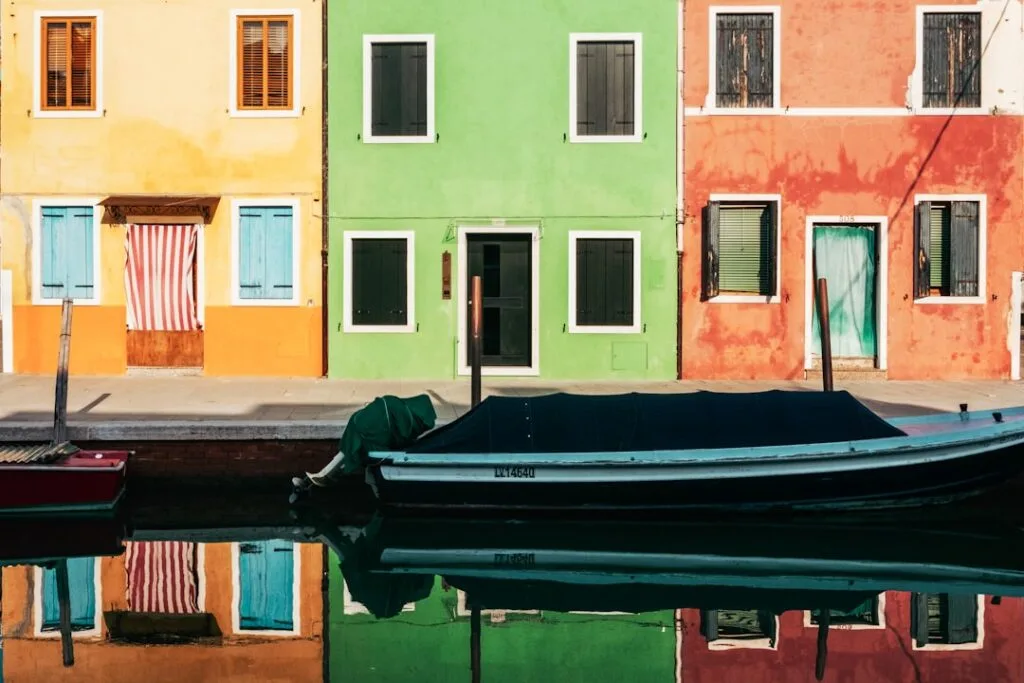
Burano (Ferry stop: Burano, 30142 Burano VE) is known for its brightly painted houses and lace tradition. Handy address: Museo del Merletto, Via Galuppi, 221, 30142 Burano VE. Hours: 10:00–16:00 (check off-season). Price: around €5–€8. Walking around the canals is perfect for photography, especially under overcast skies when the colors really pop.
Torcello (Ferry stop: Torcello) offers an almost rural experience. Don’t miss the Basilica di Santa Maria Assunta, Isola Torcello, 30142 Torcello VE with its ancient mosaics. Hours: usually 9:00–18:00, but limited in low season. Price: about €3–€6. Torcello is ideal for slow hikes, best enjoyed on dry or slightly misty days for a mysterious atmosphere.
Click here to visit Murano, Burano and Torcello by boat
Lido di Venezia and Pellestrina — bike lanes and beaches
The Lido di Venezia (Viale Santa Maria Elisabetta, 30126 Lido VE) is a long barrier island with dedicated bike lanes. Bike rental example: Venice Bike Rental, Lungomare Guglielmo Marconi, 46, 30126 Lido VE. Rental hours: typically 9:00–19:00 in high season. Rental prices: basic bike around €12–€18/day; e-bike roughly €35–€50/day. The ACTV ferry to the Lido from Ferrovia (Venezia Santa Lucia) or Piazza San Marco costs a standard ACTV ticket, about €8.50 (valid 75 minutes).
The coastline between Lido and Pellestrina features a long cycling route along the Litoranea Veneta. The Strada Provinciale SR 11 and its cycle-friendly variant let you pedal for tens of kilometers between beaches, lagoons and fishing villages. Pellestrina is narrower and more exposed to wind, great on calm sunny days; avoid strong bora winds that make the area challenging.
Click here to book a private beach day from St. Mark’s
Practical tips for combining bikes and vaporetto
- Transporting bikes: some vaporetti allow folding bikes for free; non-folding bikes are sometimes banned or charged a special fee. Check with ACTV (Azienda del Consorzio Trasporti Veneziani). Single vaporetto ticket: around €8.50 (75 minutes). ACTV day pass: about €25–€30.
- Rental: book in high season. Choose hybrid bikes for mixed terrain; bring a sturdy lock and a waterproof pannier for your gear.
- Weather: in summer set off early; in autumn rainfall increases — carry a windbreaker and rain cover. If there’s an acqua alta alert some coastal routes remain usable but squares and low areas may be flooded.
Inland cycling routes — Cavallino-Treporti, Parco Naturale della Laguna Nord and coastal roads
If you want long bike rides away from narrow alleys head to the eastern coast of the lagoon: Cavallino-Treporti, Punta Sabbioni and the Northern Lagoon reserve offer miles of paths and sea views. These routes are particularly pleasant in spring and autumn when the light is soft and winds milder.
Cavallino-Treporti and Punta Sabbioni
Cavallino-Treporti (Comune di Cavallino-Treporti, Piazza N. Tommaseo, 1, 30013 Cavallino-Treporti VE) is a long spit of land separating the lagoon from the Adriatic Sea. From here you can reach Punta Sabbioni (Piazza San Marco/terminal ferry: Punta Sabbioni) and catch connections to Jesolo or return to Venice. A largely rideable path runs along the coast past campsites, beaches and birdwatching points. Many local rentals and tourist offices offer maps and advice.
Practical point: e-bike rental at Il Nido Cicli, Via Roma, 45, 30013 Cavallino-Treporti VE. Hours: 8:30–19:30 in season. Price: e-bikes around €30–€45/day. On-site bike repair services and B&Bs are often available.
The Parco Naturale della Laguna Nord protects vast wetlands and mudflats, ideal for birdwatching and peaceful hikes. Recommended access: Centro Visitatori del Parco, Via Dolo, 2, 30010 Cavallino-Treporti VE (access point may vary). Trails are mostly flat; some sections get muddy after heavy rain — bring boots or waterproof hiking shoes.
Click here to book a fast cruise from Punta Sabbioni
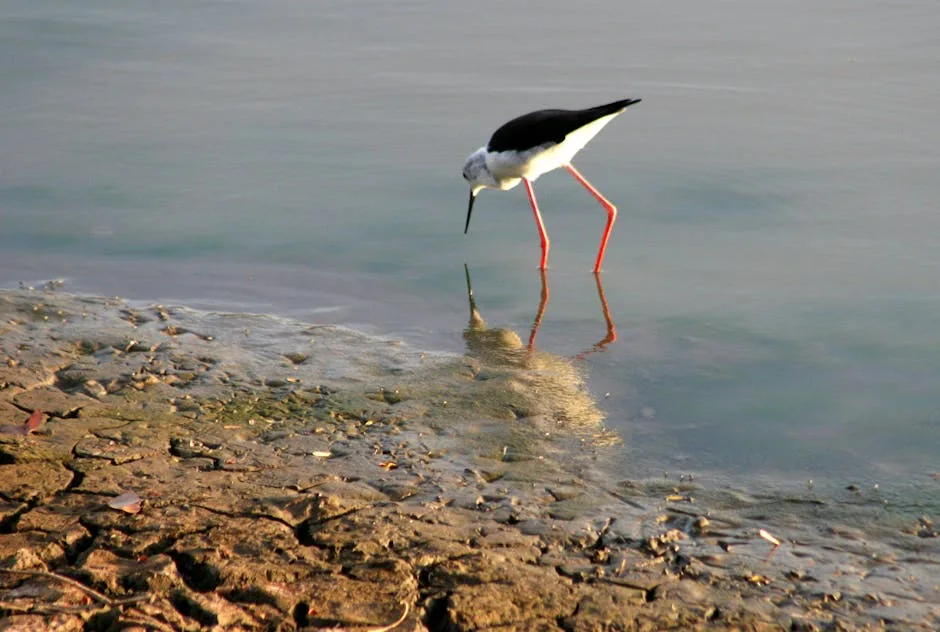
Tips: bring binoculars, a bird guide, and respect protected areas. Small-group guided birdwatching tours are often offered in spring during migrations, with fares varying (about €10–€25 per person depending on duration).
Safety and equipment recommendations
- Helmet: strongly recommended, especially on exposed coastal roads.
- Hydration and sun protection: sunscreen, sunglasses and a hat are essential in summer.
- Repair kit: patch kit, pump and multitool; bike shops are limited outside major towns.
- Planning: bring a paper map and a power bank; mobile coverage can be patchy in parts of the lagoon.
Seasonal tips — what to pack and expect in spring, summer, autumn and winter
The lagoon changes dramatically month to month. Here’s a practical seasonal guide to get the most from your hikes and bike outings around Venice.
Spring (March–May)
Spring is one of the best seasons for hiking and cycling. Temperatures are mild (usually 10°C–20°C in April/May), salt pans start to green and bird migrations create exceptional watching opportunities. Gear: a light waterproof jacket, a thin thermal layer for mornings, waterproof hiking shoes. Roads are generally clear but you can still get rainy days.
Recommended routes: Parco Naturale della Laguna Nord, Cavallino-Treporti, an early-morning bike loop around the Lido to catch first light on the Adriatic. For island visits favor Murano and Burano on a Tuesday or Thursday to avoid weekend crowds. After a day of riding, plan a seafood dinner at a local trattoria; recommended spot on the Lido: Trattoria Andri, Via Sandro Gallo, 22, 30126 Lido VE (hours 12:00–15:00 and 19:00–23:00; main dishes roughly €12–€25).
Summer (June–August)
Summer brings heat, long days and occasional late-afternoon storms. Very early starts are recommended to beat the heat and crowds (for example 6:30–8:00). Hydration, sunscreen, cap and sunglasses are essential; wear breathable clothing and consider light gaiters for dust on some tracks.
Recommended routes: Lido di Venezia for beaches and the bike lane, Pellestrina for long coastal rides. Avoid walking through congested central Venice at midday — choose seaside or open natural areas instead. Book bike rentals and museum tickets (Palazzo Ducale and Gallerie dell’Accademia) in advance.
Autumn (September–November)
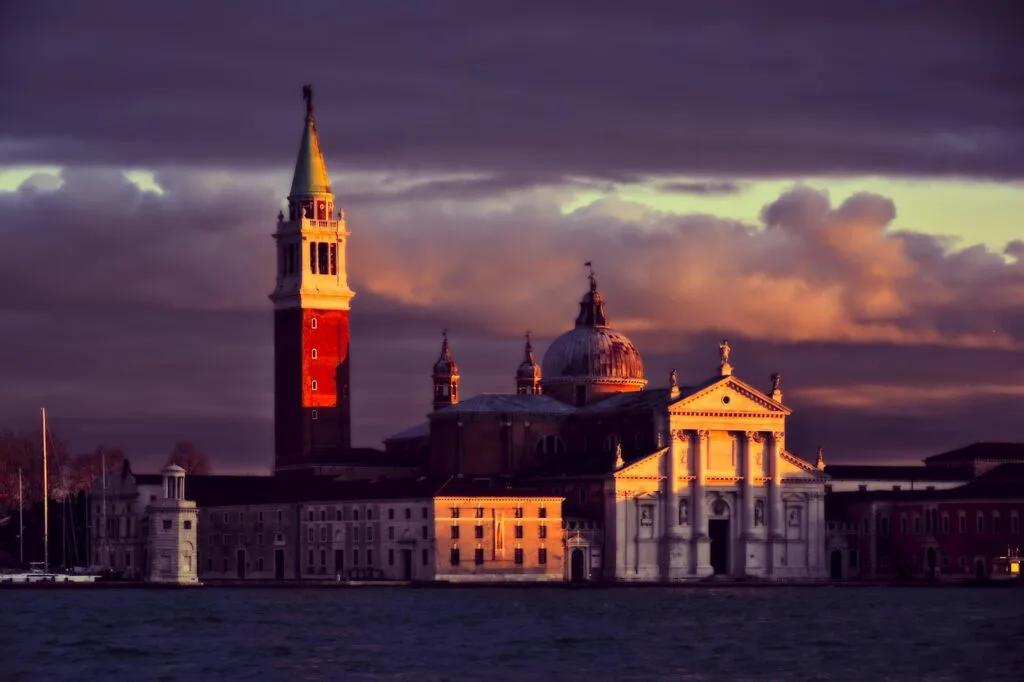
Autumn is a great time for light, colors and fewer tourists. However, it’s also when acqua alta becomes more likely: watch forecasts and the Comune di Venezia alerts. Bring tall waterproof boots if you travel in November.
Recommended routes: photo outings on Torcello and Burano on misty mornings; walks on the lagoon walkways after low tide. If acqua alta hits, favor higher routes (main bridges, elevated streets) and consult the passerelle map provided by the tourist office.
Winter (December–February)
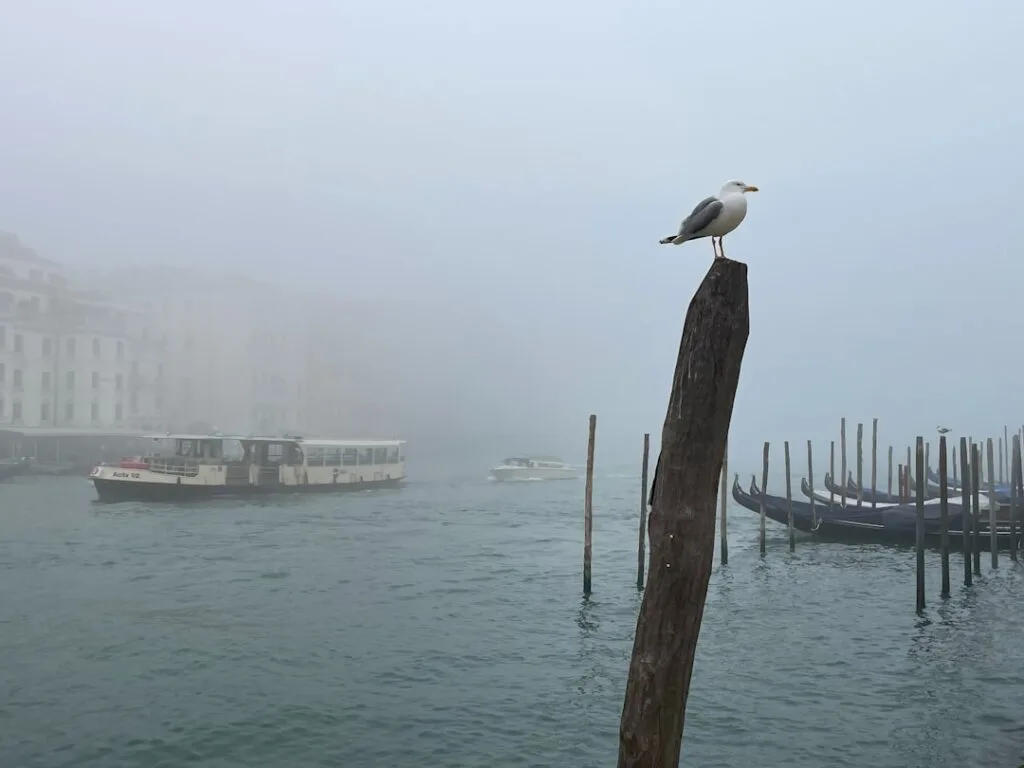
Winter is the most unexpected time to visit Venice: foggy atmosphere, low light and often lower prices. But be ready for acqua alta and damp cold (temperatures often between 0°C and 10°C). Many attractions shorten their hours. Urban walks are still possible with boots, warm layers and a waterproof coat.
Recommended routes: early-morning walks at Piazza San Marco — when water rises the temporary walkways are installed and the atmosphere is very photogenic — or head toward the lagoon if water levels permit. Museums like the Palazzo Ducale and the Basilica di San Marco make great indoor refuges between outdoor outings. Check opening times: in winter Palazzo Ducale may open 8:30–17:00; basilica 9:30–16:00. Budget for boots or rentals if needed (single-use waterproof overshoes are sometimes sold at entrances to flooded areas).
Conclusion — Plan around the weather, and savor Venetian slowness
Venice and its lagoon offer an extraordinary palette of experiences for walkers and cyclists, as long as you adapt your plans to the weather and the area’s particularities. From the historic core — Piazza San Marco, Basilica di San Marco, Palazzo Ducale — to colorful islands like Burano and Murano, and coastal paths on the Lido, Pellestrina and Cavallino-Treporti, every route has its strengths and constraints. The prices listed (museums, rentals, vaporetto tickets) give you a budgeting baseline: expect about €8.50 for a single vaporetto ticket, €12–€18 for a standard daily bike rental, and roughly €25 for a daily ACTV pass depending on season. Opening hours vary, especially in low season — check online before you go.
Practical recap: start early to avoid summer heat and crowds, bring layers and boots for autumn/winter, and always carry a rain cover and a bike repair kit. Book the most popular visits in advance (Palazzo Ducale, Gallerie dell’Accademia, Museo del Vetro). Use local rental services (for example Venice Bike Rental on the Lido, Il Nido Cicli in Cavallino) and keep payment methods ready for small purchases.
Finally, remember that Venice is also discovered by slowing down: an unexpected detour into a campo, a coffee break on a fondamenta, or a sunset by the canal can be as rewarding as its most famous monuments. Adapt your itinerary to the weather to make the most of each season, stay flexible and curious — and you’ll leave with memories of light, water and silence that only the lagoon can offer.