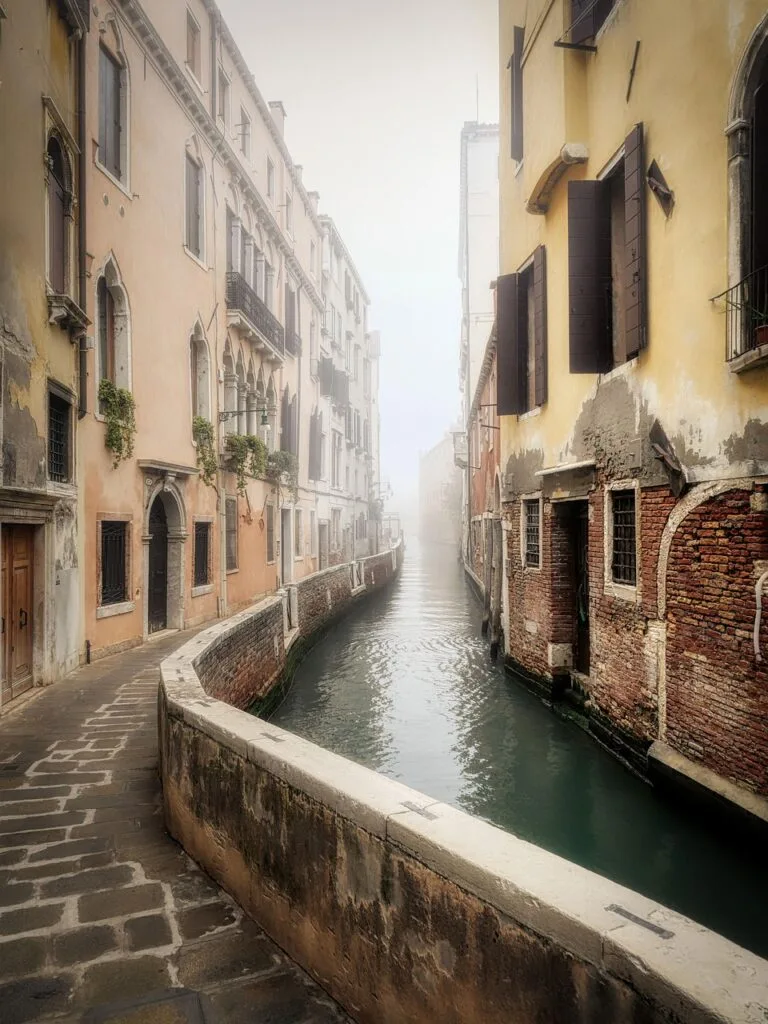






Introduction — Hidden canals: walks away from the crowds in Venice
Venice often evokes a crowded St. Mark’s Square, gondolas on the Grand Canal and long queues to visit the Doge’s Palace. Yet Venice’s true magic appears when you leave tourist trails and wander into the quiet twists of forgotten canals, tranquil fondamenta and small squares where Venetian life follows its age-old rhythm. This article is a guide for curious walkers seeking hidden canals and offbeat strolls — walking routes, discreet bridges, local boats and precise landmarks so your exploration is immersive, safe and memorable.
I offer detailed descriptions of lesser-known alleyways and canals, exact starting addresses, practical times and prices (transport, crossings and a few visits), plus local tips to avoid peak tourist traps. The suggested walks focus on Cannaregio, Dorsoduro, Castello and the Giudecca — areas where, just meters from famous sites, narrow canals lined with colorful façades, artisan workshops, small squero (gondola yards) and quays where older Venetians still fish at dawn hide away.
Beyond routes, you’ll find practical recommendations: best times of day to walk (sunrise or late afternoon), how to use traghetti or the vaporetto without breaking the bank (fares and tips for buying tickets), and local etiquette — respect residents, avoid sitting on private steps, keep noise down and don’t leave trash. Walks are designed to be doable on foot in 2–4 hours, but each can become a half-day with stops at cafés, churches and workshops.
Each section also includes visual cues, with suggested photographic angles to better capture the atmosphere, and image markers to help you picture the places before you go. Whether you’re a photographer, urban hiker or traveler seeking authenticity, this guide takes you off the beaten path to discover an intimate Venice — the hidden canals where every turn tells a story.
Walk 1 — Intimate Cannaregio: between fondamenta and small gondolas
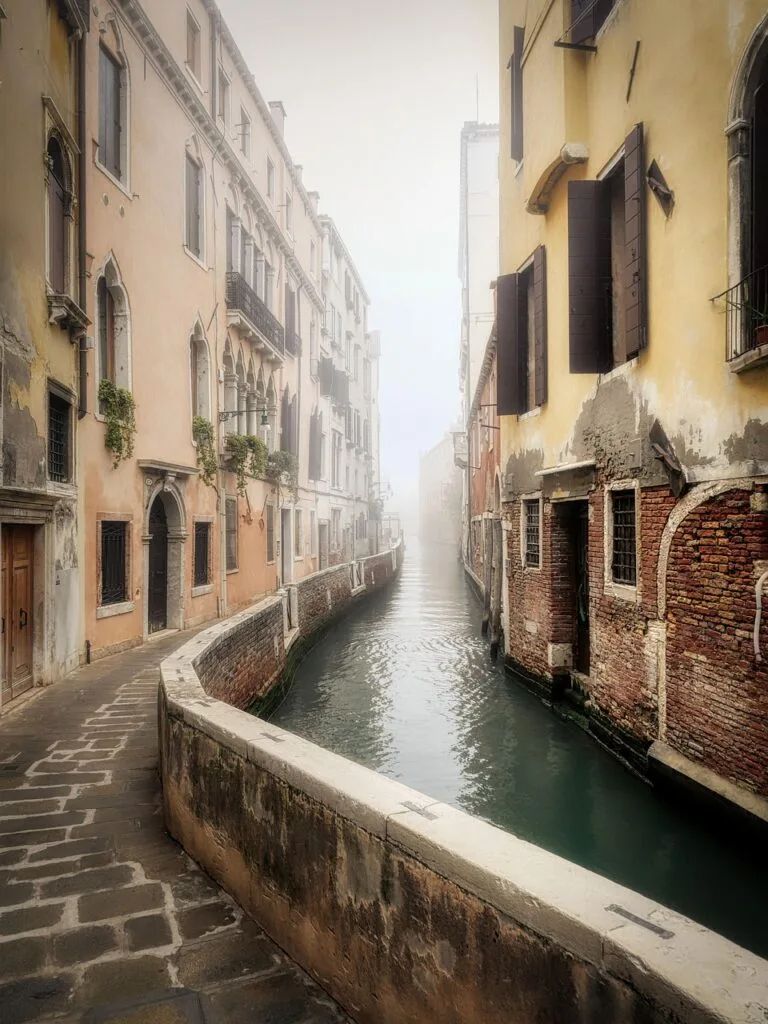
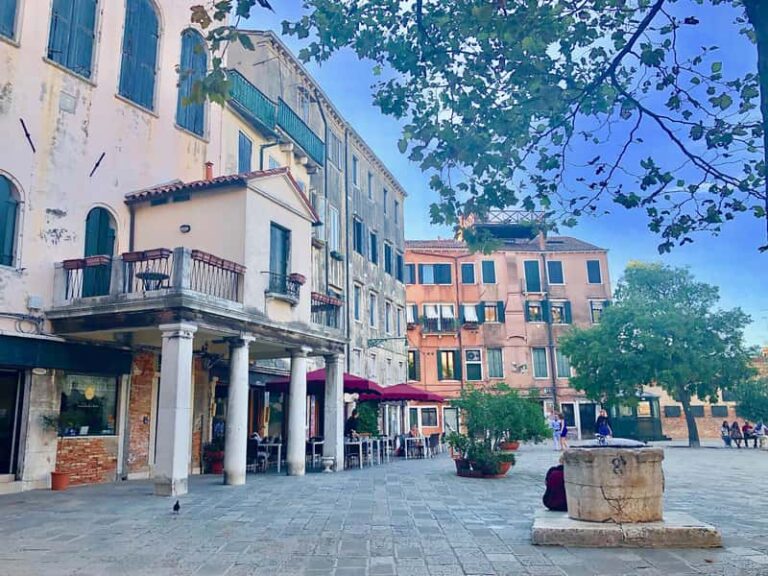
Cannaregio is the largest district of the historic center and one of the best preserved from mass tourism. For a first crowd-free stroll, start at the Fondamenta della Misericordia (address: Fondamenta della Misericordia, 30121 Venezia VE), a street along a quiet canal lined with bars and osterie where locals take their aperitivo. Head north toward the Ghetto Nuovo (Campo del Ghetto Nuovo, 30121 Venezia VE), but don’t go in immediately: turn right to follow the Rio di San Girolamo, between low houses and workshops.
A highlight is crossing the small wooden bridge that leads to the Fondamenta dei Mori: here, peeling façades, vegetable crates and fishing boats create a scene worthy of a painting. Then take Calle degli Ormesini and reach the calm of the Rio de le Vele, where you’ll often spot gondoliers preparing boats in corners less visible than the big squero.
Practical information:
- Start point: Fondamenta della Misericordia, 30121 Venezia VE.
- Access: ACTV vaporetto lines 4.1/4.2/5 to the Ca’ d’Oro or Fondamenta Nuove stops.
- Vaporetto price: single ACTV ticket ~ €8,00 (90-minute validity) — check ACTV ticket office for current rates.
- Hours: ideal walk between 07:00–10:00 or 17:00–20:00 to avoid peak times.
Local tips: walk slowly, peek into small inner courtyards (campielli) and watch for artisan signs — tapestries, bookbinders and jewelers. If you want coffee, try Pasticceria Tonolo (Calle dei Preti, 30121 Venezia VE) — home pastries and a favorite of regulars. For photography, favor morning light that kisses ochre and pink façades. Avoid sitting on private windowsills and respect narrow passages.
 Click here to book a walking tour of the ghetto and Cannaregio
Walk 2 — Dorsoduro and its artisan canals: from the Squero di San Trovaso to the Zattere
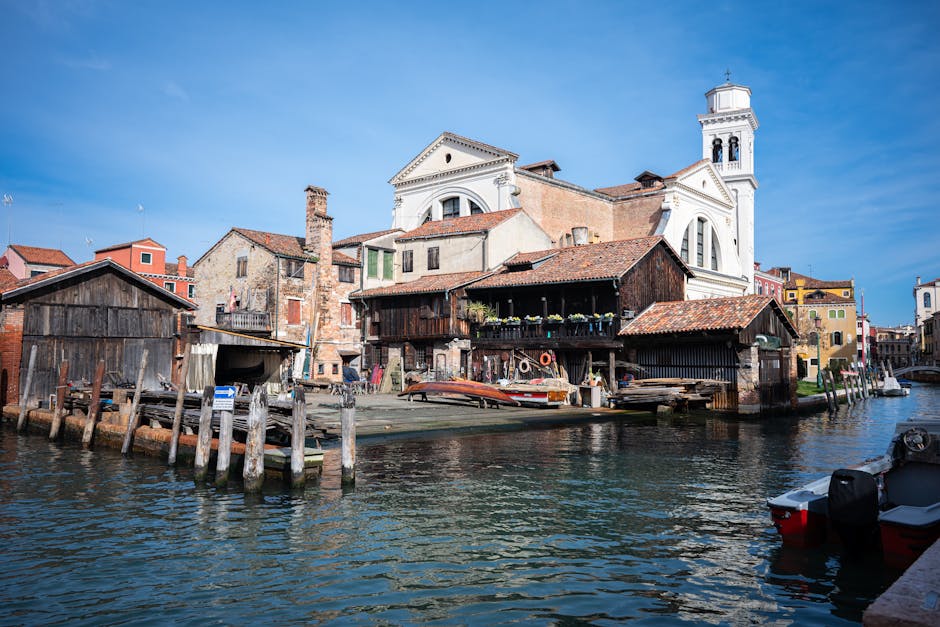
Dorsoduro is a neighborhood of artists, students and workshops where discreet canals meet peaceful squares. Start at the Squero di San Trovaso (address: Calle del Pestrin, 3913, Dorsoduro 30123 Venezia VE), one of the last traditional gondola yards still active. Here you’ll see gondolas being built and repaired; the smell of resin, the sound of tools and rows of boats make for an authentic spectacle. Note: the squero is private property — you can observe from the fondamenta but respect the artisans’ space.
From there, follow the Rio San Trovaso south, pass under the Ponte San Trovaso and head to the Zattere (Fondamenta delle Zattere al Ponte Longo, 30123 Venezia VE). The Zattere is a long promenade along the south bank of the Giudecca canal — ideal for a sunset pause. Along the way, note the Chiesa di San Sebastiano (Calle dei Preti, 3020 Dorsoduro, 30123 Venezia VE), a church rich in Paolo Veronese paintings (entry varies with exhibitions).
Practical information:
- Start point: Squero di San Trovaso, Calle del Pestrin, 3913, Dorsoduro 30123 Venezia VE.
- Access: ACTV vaporetto lines 1/2 to the Ca’ Rezzonico or Zattere.
- Hours: Squero visible from 08:00 to 18:00 from the outside; workshops open sporadically — check with the local authority for guided visits.
- Prices: free access to the fondamenta; nearby museums and churches may charge varying entry fees (expect between €3,00 and €12,00 depending on the site).
Practical tips: wear sturdy shoes — the fondamenta are often uneven. To cross to the Giudecca, take vaporetto line 2 at Zattere (ACTV single ticket ~ €8,00) or hunt down a local traghetto for a quick, cheap hop. At dusk Zattere offers stunning views of Giudecca and its old industrial villas — a perfect spot for a spritz in a less touristy osteria.
Click here to discover Venice’s hidden treasures with a guide
Pick a canal outing
Allow 1 to 2 hours and a budget from €25 to €140 depending on the option.
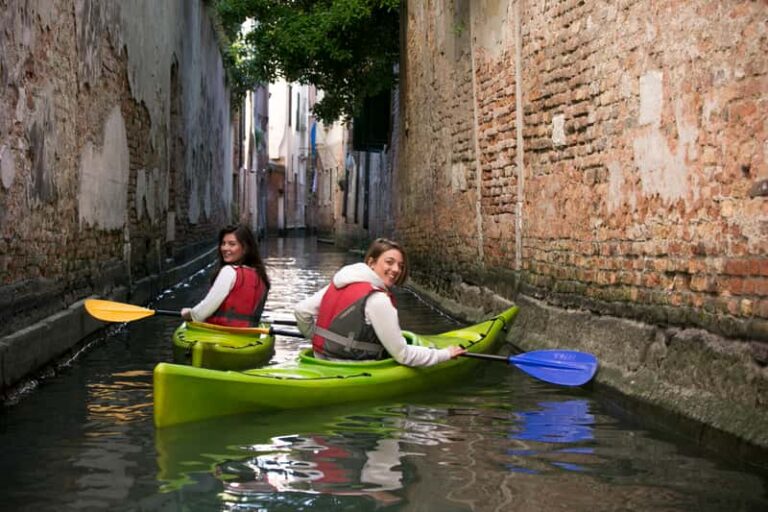
1. Kayak along the rii
Experience Venice silently from the water: guided kayaks that decode the rii and narrow canals, offered during the day, at sunset or at night for very different light and moods.
- ⏱️ Duration: 1 hour
- 🚤 Transport: Departure from various points depending on the option (see confirmation)
- 👥 Format: Guided group, equipment provided
- 💡 Highlight: Access to canals hidden from the quays
- 🗣️ Languages: English, Italian
2. Private walk in Cannaregio
An intimate, focused stroll with a local guide: façades, Tintoretto stories, and a visit through the Jewish Ghetto away from tourist flows to grasp the neighborhood’s soul.
- ⏱️ Duration: 2 hours
- 🚩 Start: Variable meeting point (confirmed at booking)
- 👥 Format: Private tour
- 🗣️ Languages: French, Italian, German, English, Spanish
- 💡 Highlight: Historical approach and access to local stories
3. Secret Venice on foot
A neighborhood walk to feel the lived-in city: bacari, inner courtyards, the Acqua Alta bookshop and markets, designed for small groups and local interactions.
- ⏱️ Duration: 2 hours
- 📍 Start: Near St. Mark’s Square (details provided at booking)
- 👥 Group: Small group
- ❌ Not included: Individual entries and refreshments
- 🗣️ Languages: English, Urdu, Hindi
Walk 3 — Secret Castello: marine alleys and forgotten small gardens
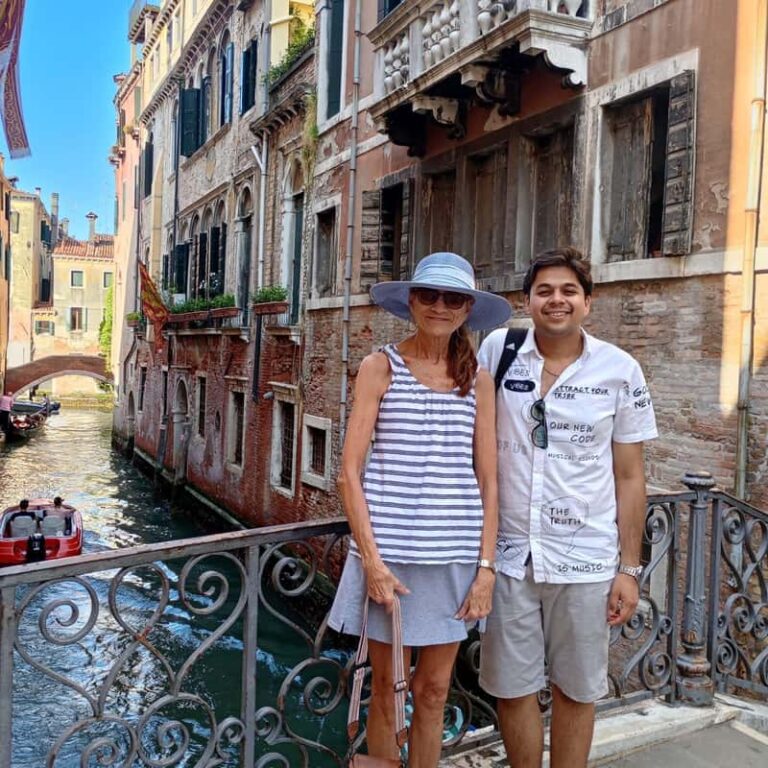
Castello is the largest of Venice’s sestieri and hides unexpected corners. Start your walk at Parco delle Rimembranze (Riva degli Schiavoni, 30122 Venezia VE near the Giardini Pubblici), but avoid the crowded Riva and head east along the Rio de la Sensa. Follow little-used fondamenta that pass old clinics and maritime workshops. You’ll find small squares like Campo Santa Maria Formosa (Santa Maria Formosa, 30122 Venezia VE) — less touristy than St. Mark’s but rich in architectural history.
Walk down to the Rio dei Mendicanti then turn toward the Fondamenta de le Zattere de la Cà di Dio, where hidden gardens and urban vegetable plots dot the promenade. One note: the Chiesa della Madonna dell’Orto (Campo Madonna dell’Orto, Cannaregio/ Castello border, 30121 Venezia VE) — resting place with works by Tintoretto — opens in the mornings and often in the afternoons; check local times before visiting.
Practical information:
- Starting point: Parco delle Rimembranze / Giardini Pubblici, Riva degli Schiavoni, 30122 Venezia VE.
- Getting there: ACTV vaporetto lines 1/2 to the Giardini or Arsenale stops.
- Opening hours: the gardens and fondamenta are freely accessible 24/7; churches and museums have their own hours (check local notices).
- Costs: free to stroll; church or special exhibition entries between €3,00 and €10,00.
Local tips: Castello still hosts shipyards and workshops — respect private property signs. For an authentic, budget-friendly meal, look for a local bacaro (cicchetti bar) like Osteria Al Portego (fondamenta near the Arsenale) where cicchetti usually cost between €1,50 and €4,00. If you photograph, seek house reflections in narrow canals early morning: low light gives a painterly effect. Finally, bring water; small shops often close between 13:00 and 16:00.
Walk 4 — Giudecca and Sacca Fisola: industrial shores and lagoon panoramas
The island of Giudecca offers a striking contrast to central Venice: abandoned factories, industrial villas, wide quays and direct views of the Grand Canal. Start at the Giudecca Palanca stop (Fondamenta della Zattere al Ponte Longo), follow the shore to the Chiesa del Santissimo Redentore (Riva dei Sette Martiri, Isola della Giudecca, 30133 Venezia VE), Palladio’s baroque masterpiece with splendid lagoon views. The Festa del Redentore livens the island in July, but off-season the peace is complete.
Then head to Sacca Fisola (address: Sacca Fisola, 30133 Venezia VE), a 20th-century residential neighborhood with wide streets and calm canals — popular with Venetian families. The walk along Giudecca’s north shore, on the Canale della Giudecca side, gives a full perspective of Venice’s skyline, ideal for panoramic photography fans.
Practical information:
- Starting point: vaporetto stop Giudecca Palanca or Redentore.
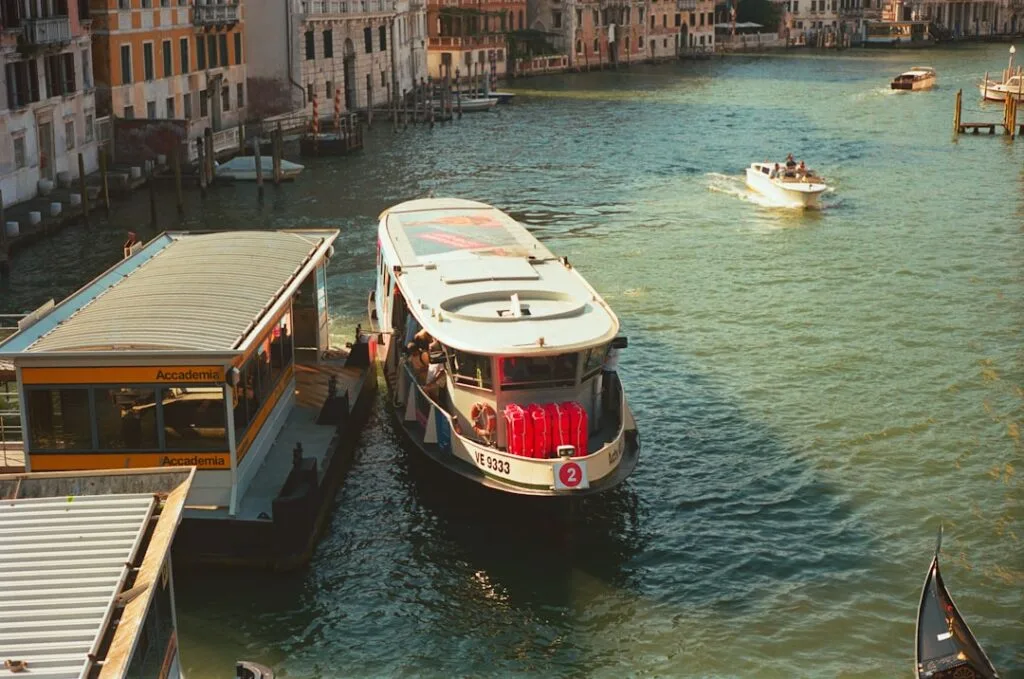
- Access: ACTV vaporetto line 2 from Tronchetto or San Marco — single ticket ~ €8,00. Line 4.2 also serves Giudecca at regular times.
- Opening hours: quays and promenades are open all day; the Redentore church has variable visiting hours (usually 09:00–12:00 and 15:00–18:00).
- Costs: outdoor walking is free; guided tours of the church may have a fee (varies).
Practical tips: the vaporetto crossing offers great views but for a more authentic and cheaper experience look for the traghetti (small ferries) that cross the Canale della Giudecca. Traghetti near Sant’Elena or Zattere cross in minutes; a local traghetto ticket often costs far less than a full vaporetto ride (outside ACTV coverage) — expect about €2,00–€3,00 depending on line and year. Bring wind protection in winter: the exposed shore can be chilly. For food, try a family trattoria like Locanda Radical Chic (Riva degli Schiavoni area on Giudecca) serving reasonably priced fish dishes — cicchetti and mains between €6,00 and €18,00.
General practical tips for your canal walks
To make the most of off-the-beaten-path walks, follow these local, practical recommendations:
- Best times: sunrise (06:00–09:00) for empty canals and soft light; late afternoon (17:00–20:00) for warm colors and calmer activity.
- Transport tickets: buy ACTV tickets in advance at tobacconists (Tabaccheria) or machines: single ticket ~ €8,00 (valid 90 min). Consider day passes if you take the vaporetto multiple times (24h, 48h passes — prices vary via official ACTV sales).
- Traghetti: to cross quickly without detours, look for local traghetti (e.g., near Zattere, Sant’Angelo). Approximate fare €2,00–€3,00 depending on line; cash payment is often accepted aboard.
- Gear: comfortable shoes, reusable water bottle (public refill points available), sunscreen in summer and a windbreaker in shoulder seasons.
- Local respect: avoid eating on private steps, don’t leave litter, speak softly near homes and respect “proprietà privata” signs.
- Safety: canals can be slippery after rain; avoid narrow stairways when crowded. Carry an offline map or download one (Google Maps offline or MAPS.ME) as mobile coverage can be limited in some alleys.
Small useful glossary:
- Fondamenta: quay — the canal edge where you walk.
- Rio: secondary canal, often narrow and calm.
- Sestieri: the six historic districts of Venice (Cannaregio, Castello, Dorsoduro, San Polo, Santa Croce, San Marco).
Click here to buy a City Pass for Venice and museums
Conclusion — Embracing Venice’s quiet, sustainable side
Venice rewards those who linger off the beaten path. Hidden canals and peaceful fondamenta reveal another side of la Serenissima: craftsmen at work, families hanging laundry, squares where time flows slowly. The suggested walks — intimate Cannaregio, artisanal Dorsoduro, secret Castello and panoramic Giudecca — are routes designed to bring you closer to the local soul without sacrificing comfort or safety.
By following the practical tips (recommended times, vaporetto and traghetto fares, departure addresses and rules of respect), you’ll discover corners most visitors never see. This kind of exploration supports more sustainable tourism: fewer crowds, more spending at local shops, and greater care for living heritage. Also, deliberately getting lost in Venice is often the best way to understand it — every bridge, rio and campiello tells a story of trade, faith and adaptation to the water.
To prepare for your next visit, note the mentioned addresses (Squero di San Trovaso — Calle del Pestrin 3913, Fondamenta della Misericordia, Fondamenta delle Zattere al Ponte Longo, Parco delle Rimembranze / Giardini Pubblici) and keep a paper map alongside your phone. Favor walks early morning or late afternoon, respect the quiet of residential neighborhoods and support artisans and small businesses. Venice is fragile; by choosing routes away from the crowds you help preserve its unique character and enjoy an authentic, memorable experience.
Happy walks along the hidden canals — may your steps lead you to unexpected reflections and clever encounters with the Venice only the most curious take the time to love.