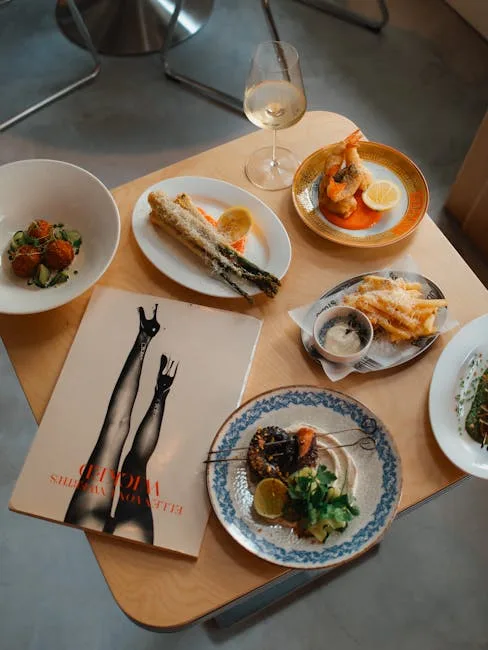






Introduction: The soul of Venice’s bacari
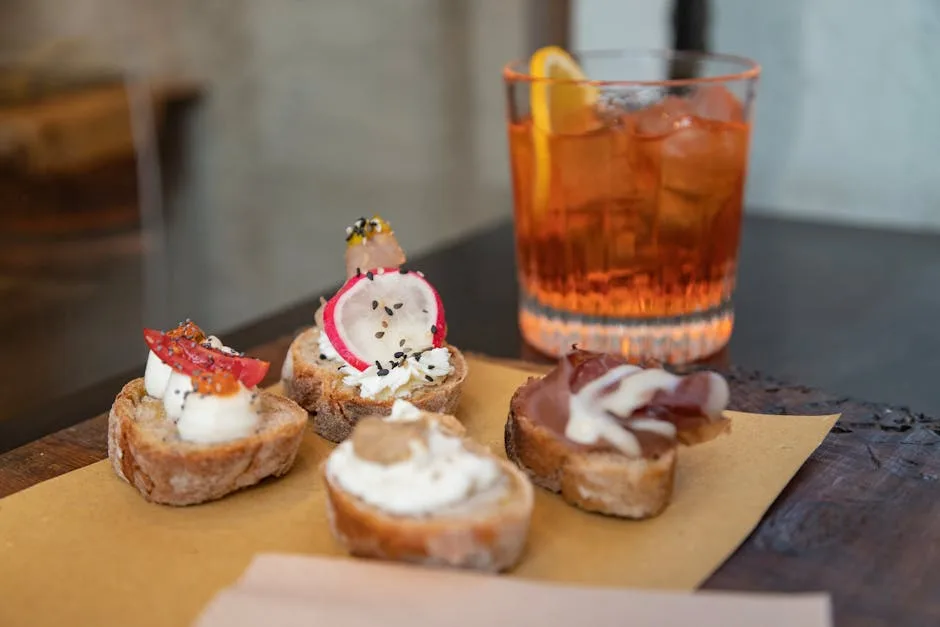
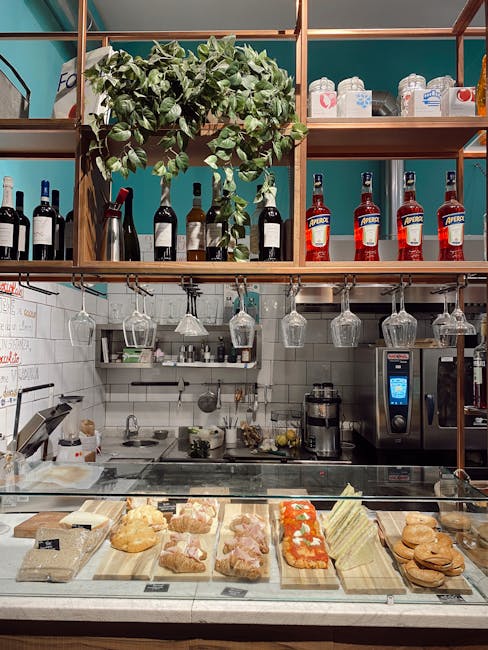
Venice is not just a city of palaces and canals: it’s also a collection of tiny, lively addresses where the city’s popular truth plays out every day. The bacari, those small traditional bars serving cicchetti (Venetian tapas) and wine at the counter, embody this intimate Venice. Step through a bacaro’s door and you leave the postcard behind to enter Venetians’ daily life: hurried chats between neighbors, shared laughter after the morning market, fishermen toasting after a day on the lagoon. The cicchetti – sardines, polpette, crostini, baccalà mantecato, small skewers – offer a tasteful snapshot of the region, simple yet refined, always accompanied by a glass of local wine, often prosecco, soave or a Veneto red.
This piece offers a deep dive into Venice’s historic bacari: full names, exact addresses, indicative prices in euros, opening hours, sensory descriptions and practical tips to make the most of each stop. We’ll wander from the alleys near the Rialto to quieter fondamenta, and through areas around Campo Santa Margherita and San Polo. Each selected bacaro is described immersively so you can imagine the scent of toasted bread, the pop of a cork and the low light of a late afternoon on a time-polished wooden counter.
Why focus on historic bacari? Because they’re social and gastronomic markers: some date back to the 15th century and have hosted merchants, sailors, artisans and writers. They often serve cicchetti made from family recipes, sometimes unchanged for generations. For the curious traveler, visiting these places is a respectful, joyful form of tourism: taste, listen and watch. You’ll learn to order “ombra e cichetti” (a glass of wine and snacks), favor the counter over a table, and decode local dynamics (the queue, the turn-taking to order, payment habits).
Before the guided tour of historic bacari, a few general tips: favor these times to avoid tourist hordes – late morning after 10:30 and late afternoon between 16:00 and 19:00; carry small bills in cash (many small places don’t always accept cards for tiny purchases); respect the space: the counter is a spot for passing through, don’t camp for five hours with one drink; and be curious—ask the server which cicchetto is freshest that day. These basic rules will help you get the best out of an experience that’s both sociable and authentic.
 Click here to book a food tour with cicchetti and wine
Click here to join the ultimate food tour with spritz
Cantina Do Mori — one of the oldest bacari
Full name: Cantina Do Mori
Address: Calle dei Do Mori, 429, 30125 Venezia VE, Italy
Opening hours: open Monday to Saturday, 10:30 – 20:30; closed Sunday (hours may vary in high season)
Indicative prices: cicchetti €1.50 to €3.00; glass of wine €1.50 to €3.00; specialty plates €6.50 to €12.00.
Cantina Do Mori is often mentioned as one of Venice’s oldest bacari, a place where you can feel history in the walls. Located a stone’s throw from the Rialto Market, it’s ideal for a stop after browsing the fish and fruit stalls. The wooden counter, worn smooth by decades of use, is perfect for trying baccalà mantecato on crostini or sarde in saor. The lighting is warm, the crowd a mix of hurried locals and returning visitors, generation after generation.
Practical tips: arrive early if you want a spot at the counter, especially at meal times. Cicchetti are sold by the piece: expect around €1.50 for a simple crostino, €2.50 for a more generous portion. Wines by the glass are simple but well chosen to match the house dishes. Note the space is small: avoid large luggage and respect the flow around the bar.
All’Arco — cicchetti and conversation
Full name: All’Arco
Address: Calle dell’Arco, sestiere San Polo, 3809, 30125 Venezia VE, Italy (near Campo San Giacomo di Rialto)
Opening hours: open every day 11:00 – 22:00 (occasional closures for local festivals)
Indicative prices: cicchetti €1.50 to €4.00; ombra (glass of wine) €1.50 to €3.50; small plates €7.00 to €14.00.
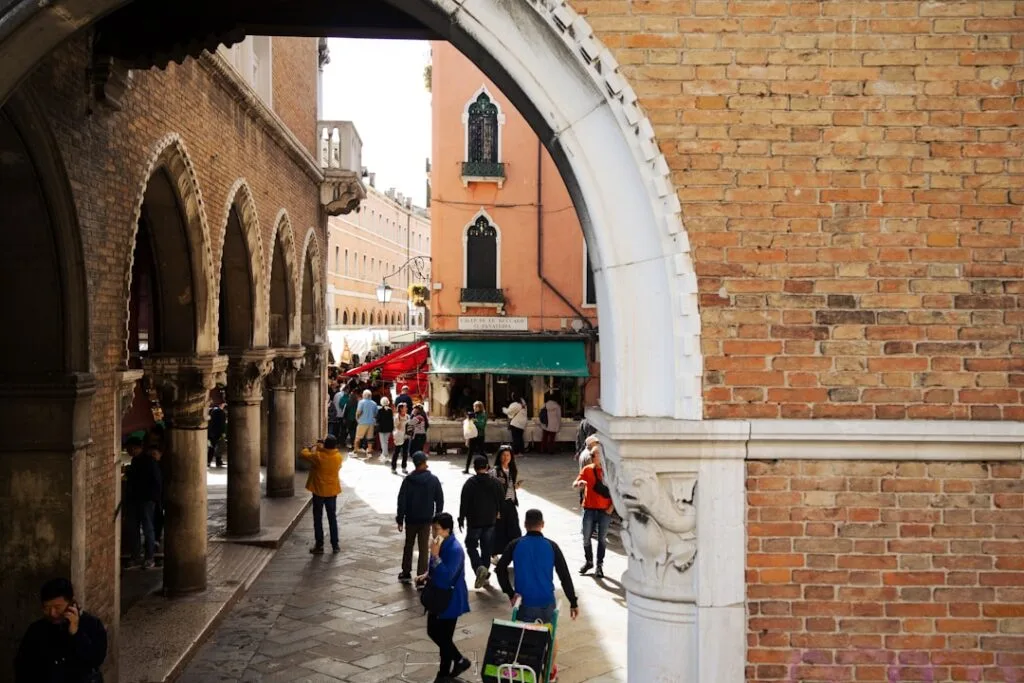
All’Arco is famous for its loud, joyful atmosphere: people come for traditional cicchetti and conversation. The place is small but generous, with a long counter and a few standing tables out front. Popular cicchetti include fish liver crostini, grilled calamari skewers, and the occasional panino con la porchetta. The staff are direct and quick; you order at the counter and take away or eat standing, which encourages exchanges between regulars and newcomers.
Practical tips: ask the server for a recommended selection of the day. If you’re with a group, order different cicchetti and share to taste more dishes. All’Arco gets very busy in the evening: favor late afternoon for a calmer service. The place accepts cards but it’s best to have a few euros in cash for small purchases. Finally, don’t hesitate to strike up a conversation with a local; residents are often happy to point you to less touristy bacari.
Click here to book a Cicchetti street food tour
Recommended experiences in historic bacari
In high season bacari can fill up fast: favor off-peak times (late morning or late afternoon) and keep a few euros in small bills to make counter orders easier.
Guided tours are useful to learn the customs — who orders, who shares, how to taste — but pick the format (day, evening, small group) based on your mood: lively atmosphere or a more intimate stroll.
1. Classic food tour (Rialto)
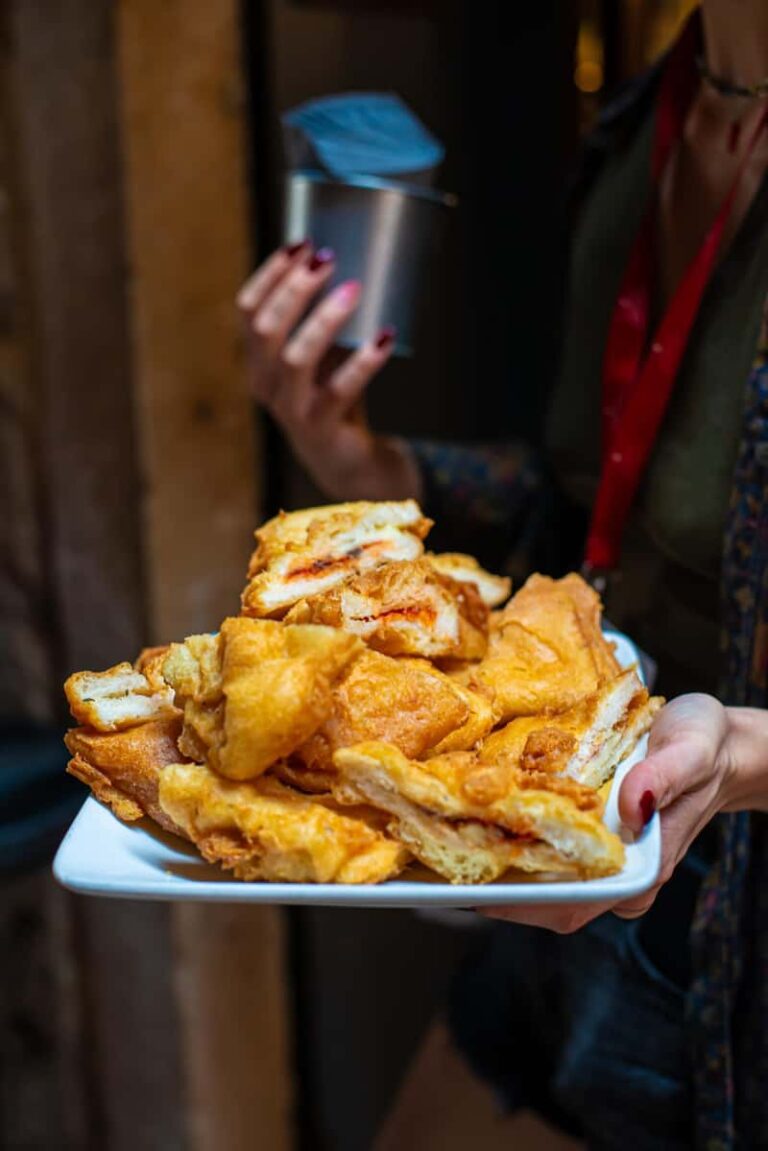
Guided walking route from Rialto: 15 tastings across three neighborhoods, with a glass of wine at each stop. Ideal to spot must-visit bacari and understand the culture of the ombra and cicchetti.
- ⏱️ Duration: 3 hours
- 🚩 Meeting point: Campo San Giacomo di Rialto (fountain)
- 💡 Highlight: Varied tastings and historical context explained
- 🗣️ Languages: English
- 🚶 Format: Small-group walking tour
2. Evening stroll through the bacari
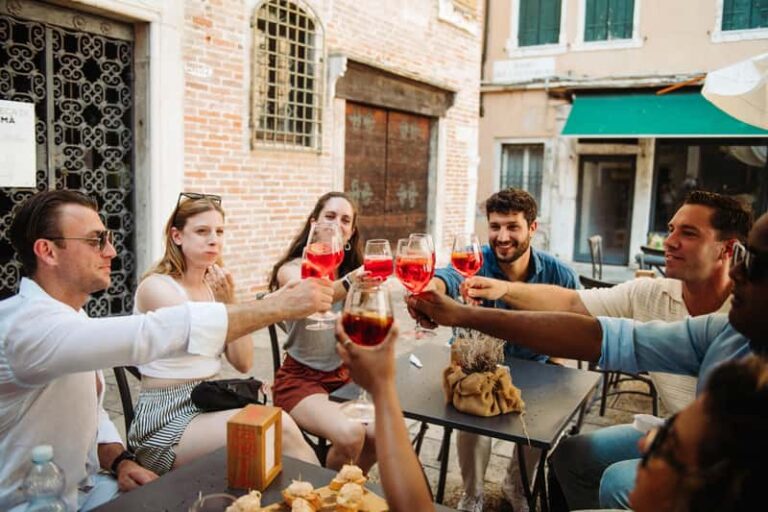
Sunset route in San Polo and Dorsoduro: 7 tastings and 4 drinks in hidden bacari. Designed for those who want to avoid crowds and taste family-run spots in the evening.
- ⏱️ Duration: 3 hours
- 🌅 Time: Departure at sunset
- 🥂 Included: 4 local drinks and 7 tastings
- 👥 Group: Small group (intimate vibe)
- 🚶 Format: Guided walking stroll
Al Merca and the Campo San Giacomo market
Full name: Al Merca – Bacaro del Mercato
Address: Campo San Giacomo di Rialto, 307, 30125 Venezia VE, Italy (in the heart of the Rialto market)
Opening hours: open Monday to Saturday 09:00 – 19:00; closed Sunday (hours may change during holidays)
Indicative prices: sandwiches and cicchetti €1.20 to €4.50; glass of wine €1.20 to €3.50; platters €8.00 to €16.00.
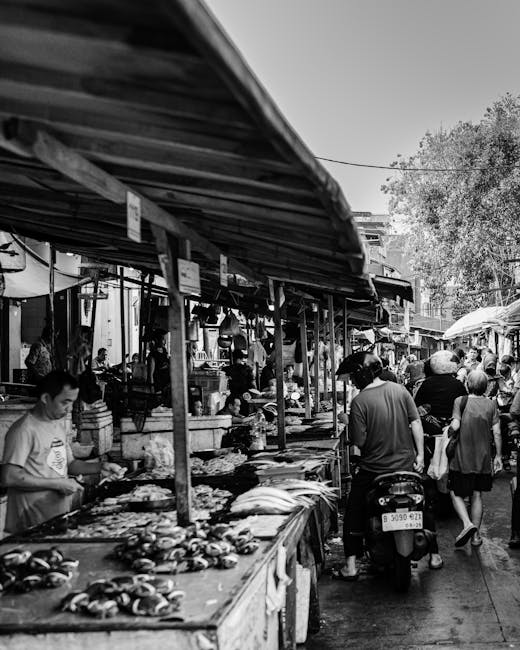
Al Merca is a bacaro made for passing trade: perfect for a quick stop while wandering the Rialto market. Expect a simple but excellent offering: prosciutto sandwiches, anchovy cicchetti, and sometimes seasonal specials featuring the catch of the day. The format is very informal — large windows or a small counter onto the Campo make it easy to snack on the go. The location is ideal for lunch or an aperitif just before crossing the fish market.
Practical tip: if you visit the market early, combine a stop at the Mercato di Rialto (Rialto Fish Market) with Al Merca; the fish is often very fresh and you can ask the vendors questions. Prices are especially attractive — the “ombra e ciccheti” culture is strong here: a glass of wine and one or two cicchetti are often enough for a local-style snack. Watch out for market peak hours when you may need to wait to order.
Osteria al Squero — view over the boatyard
Full name: Osteria al Squero
Address: Fondamenta Nani, 992A, Dorsoduro, 30123 Venezia VE, Italy (near the Squero di San Trovaso)
Opening hours: open daily 12:00 – 23:00 (varies by season)
Indicative prices: cicchetti €2.00 to €5.00; plates €8.00 to €18.00; glass of wine €2.00 to €4.50.
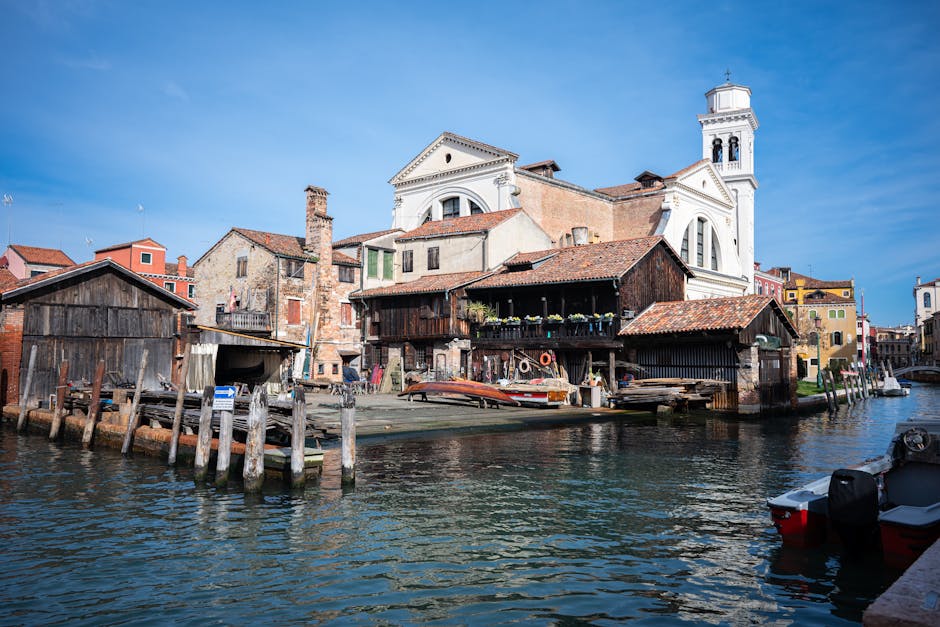
Osteria al Squero owes its charm to its position in front of one of Venice’s last traditional boatyards, the Squero di San Trovaso. You can still see gondolas and boats lined up, and the view of wooden boatbuilding creates an authentic atmosphere. The cicchetti often highlight local seafood, with thoughtful preparations and relaxed service. The osteria also offers small plates for those who want to sit and enjoy a light meal facing the canal activity.
Practical tip: sit on the terrace when weather allows to enjoy the boatyard view. Photographers particularly love this spot at sunset; arrive a little early to catch the light. Reserve if you’re coming with a group in the evening: seating is limited. Budget for a typical aperitif (3–4 cicchetti + 1 drink): about €10 to €18 per person.
Bacaro Risorto and the family recipes
Full name : Bacaro Risorto – Trattoria e Cicchetteria
Address : Calle della Rampa, 15, Castello, 30122 Venezia VE, Italy (near Campo Santa Maria Formosa)
Opening hours : open Tuesday–Sunday 11:30 – 23:00; closed Monday (hours may vary during holidays)
Indicative prices : cicchetti €2.00–€4.50; hot dishes €10.00–€20.00; glass of wine €2.00–€5.00.
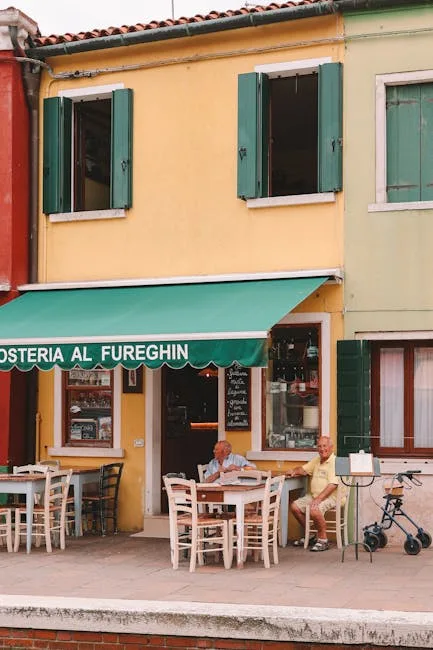
Bacaro Risorto is one of those places where home cooking remains the heart of the experience. Here cicchetti recipes are handed down and change with the seasons: Venetian meatballs, small portions of seafood risotto, and tuna tartare when fresh fish is available. The interior is cozy, with checkered tablecloths on a few small tables and a welcoming counter. Regulars often chat with the staff, which adds to the sense of belonging.
Practical tips: if you want something authentic, ask for the daily specialty. Bacaro Risorto is friendly to small groups, and some evenings reservations are wise. Portions are often generous for a bacaro, so adapt your orders if you plan to graze at other places. Also, don’t hesitate to ask for a local bottle; the staff can steer you toward regional wines less known than Prosecco, like some Valpolicella reds.
Practical tips for a successful bacaro crawl
Visiting the bacari requires a bit of cultural learning. Here are concrete, practical tips to fully enjoy the experience:
- Recommended times : favor late morning (10:30–12:30) or late afternoon (16:00–19:00) to avoid the lunch and dinner tourist crowds.
- How to order : order at the counter (“un’ombra e due cicchetti, per favore”) and pay quickly: many places ask for payment when ordering or when you leave the bar.
- Budget : expect €8–€20 per person for a full aperitif with 3–4 cicchetti and 1–2 glasses of wine, depending on the venue and your appetite.
- Language : a simple “per favore” and “grazie” will do; if unsure about a dish, ask “Che cos’è quello?” for a description.
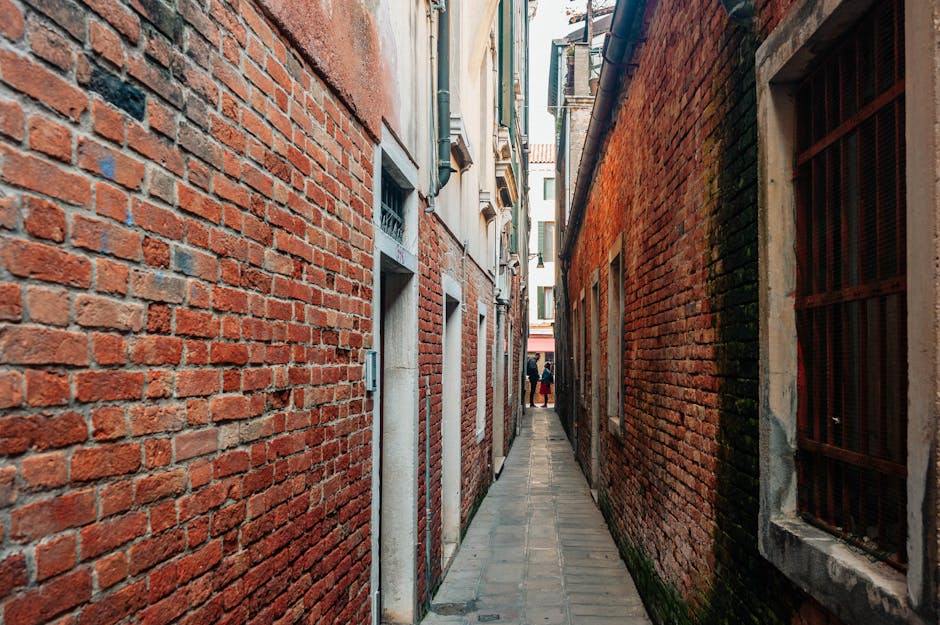
- Transport : bacari are spread out; walk: it’s often the quickest way between nearby spots. Wear comfortable shoes for the cobbled alleys.
- Local respect : avoid taking intrusive photos near customers, don’t hog the counter and don’t leave litter: cleanliness matters in these small spots.
- Allergies and preferences : mention any allergy immediately (seafood, gluten): many recipes are based on fish and bread.
Recommended bacaro route (2–3 hours)
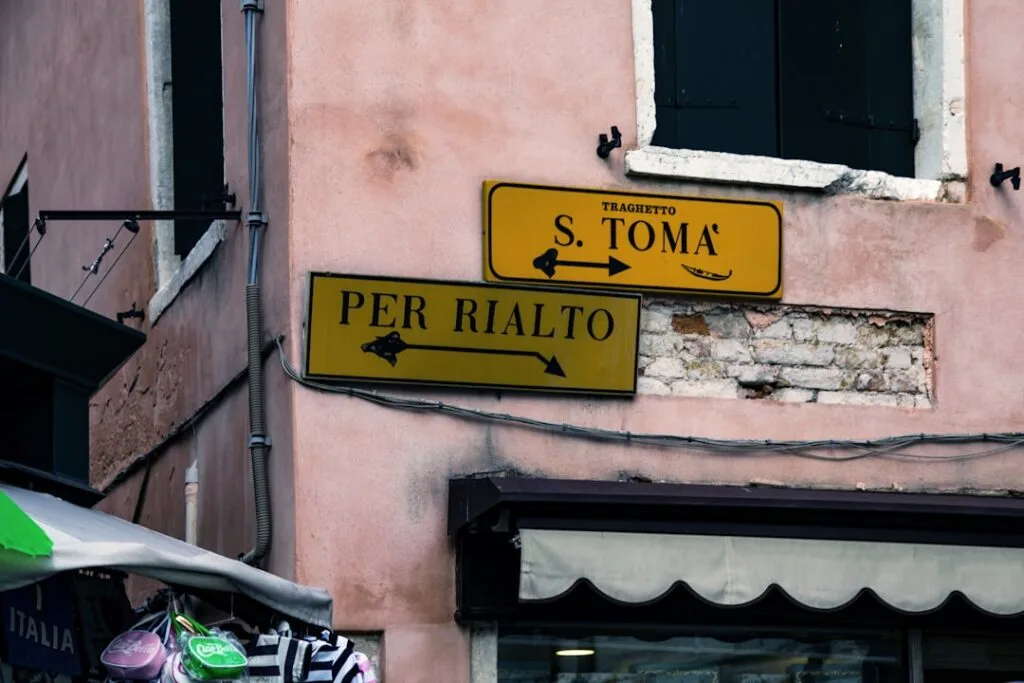
A simple route for a first immersion: start at the Mercato di Rialto, stop at Cantina Do Mori (Calle dei Do Mori, 429) for a baccalà and a glass, continue to All’Arco (Calle dell’Arco, near Campo San Giacomo) to taste several cicchetti, then cross to Al Merca (Campo San Giacomo di Rialto, 307) for a quick snack. Finish at Osteria al Squero (Fondamenta Nani, 992A) for a contemplative moment facing the squero at sunset. This sequence offers variety, freshness and a logical geographic progression.
Conclusion: the bacaro as a school of Venetian slowness
Venice’s historic bacari aren’t just places to eat: they are schools of slowness and conviviality. In a few bites and a glass of wine you learn to read the city differently: through its flavors, habits and sense of community. These places—whether Cantina Do Mori in the heart of Rialto, the bustle of All’Arco or the unique view from Osteria al Squero—offer a range of experiences where authenticity matters more than spectacle. You discover local recipes, handed-down gestures, and familiar voices that return season after season.
Visiting the bacari is also a form of responsible tourism: you support local, often family-run businesses that keep culinary and social traditions alive. The amounts spent (a few euros per cicchetto, a glass for €1.50–€4.50) have a direct impact on artisans, fishermen and small teams. Also, the sociability at the counter is a form of linguistic and cultural learning — a few Italian phrases and a smile will usually get you included in the conversation.
To wrap up, let curiosity lead: try cicchetti outside the most touristy areas, ask the server for the day’s specialties, and accept the invitation to share a counter with locals. Respect the codes (pay when ordering, avoid getting in the way of service) and enjoy the simple wonder of these places. When you leave, you’ll take with you sensations: the crunch of a crostino, the freshness of an anchovy, the warmth of wine in a small glass, and above all the memory of Venice experienced at human scale, far from postcards, to the rhythm of conversations and small plates.