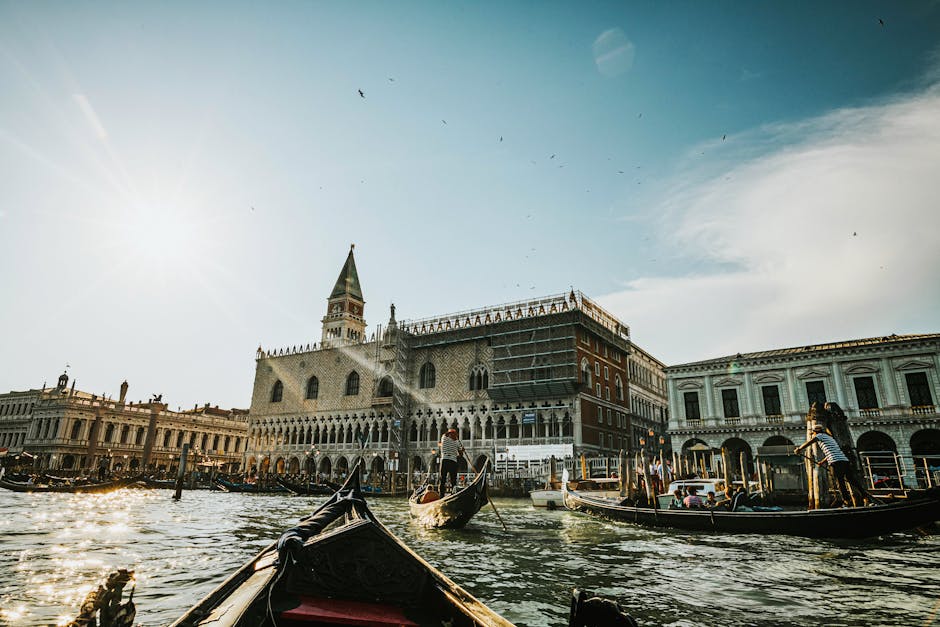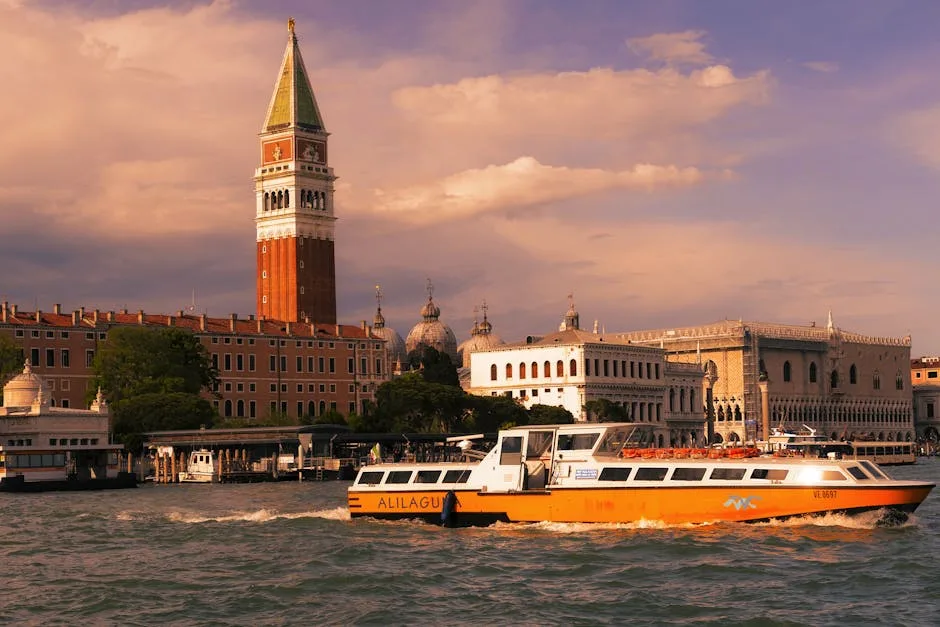






Introduction: Updated vaporetto schedules — why this guide is essential for visiting Venice
Venice is an open-air museum where every trip becomes part of the experience. The vaporetto — the city’s water bus — is the backbone of Venetian public transport: it links historic neighborhoods, nearby islands like Murano, Burano and the Lido, and offers scenic crossings along the Grand Canal. But for the unprepared traveler, deciphering routes, stops, timetables and fares can quickly turn a day into a source of frustration. This article aims to give you a practical, up-to-date overview of vaporetto schedules, main lines, ticket outlets and validation rules, plus local tips to make your journeys smoother.
Over the years, ACTV (Azienda del Consorzio Trasporti Veneziano) has adjusted services and frequencies based on seasonality, tourist demand and local events (Festa del Redentore, the Biennale, Carnival). Timetables posted at the docks can be accurate, but there are variations — extra services in summer, reduced frequencies at night, and temporary stop changes in cases of alta marea (high tides) or maintenance work. Understanding these nuances can save you from waiting 30 to 60 minutes by a canal, missing a boat to Murano, or paying a premium for an emergency water taxi.
This guide provides concrete information: exact addresses of ACTV ticket offices and counters, indicative fares in euros (including multi-day options), typical schedules for tourist and connector lines, and immersive descriptions of key stops. You’ll also find useful tips — best time slots to photograph the Grand Canal, how to read the timetable boards, alternatives to the vaporetto (traghetto, gondola, water taxi), and precautions in case of alta marea. I’ve included image markers to help you visualize the places and plan your photo album.
Before diving into line-by-line details, remember two principles: 1) always check the official ACTV website (actv.ve.it) and mobile apps before you leave, since schedules can change on the day; 2) think about flexibility: a 24-, 48- or 72-hour pass can be good value if you plan multiple crossings, especially for excursions to Murano (famous for glassblowing), Burano (colorful houses and lace), or the Lido (beaches and cinema). This guide will walk you through choosing the right ticket, where to validate it, and how to interpret “updated” schedules so you can get the most out of your stay in Venice.
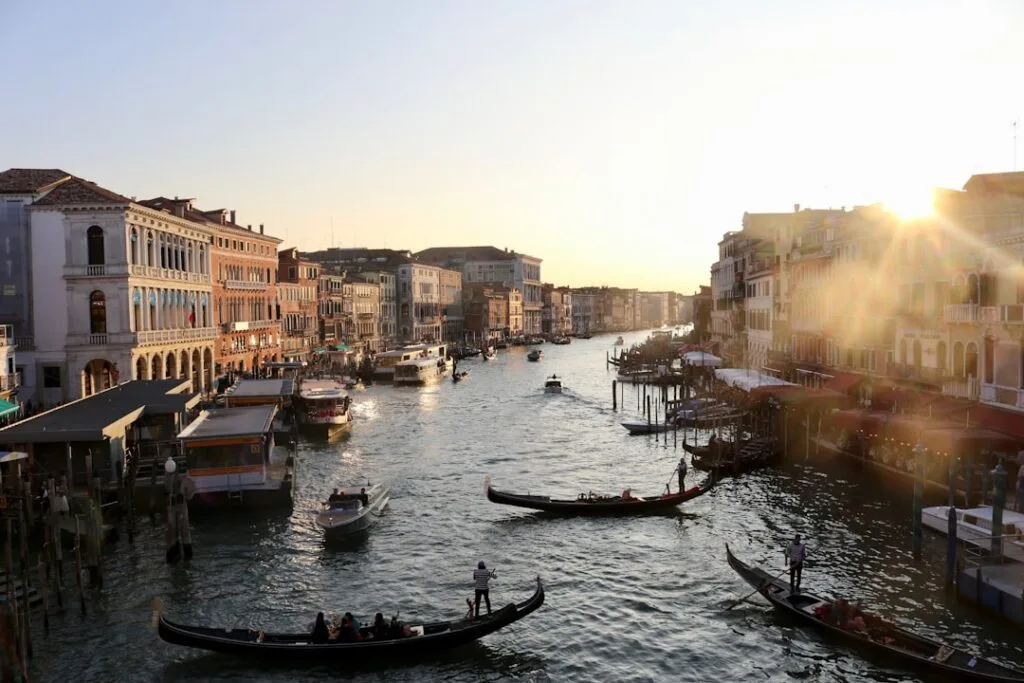
Understanding the ACTV network and reading updated timetables
Venice’s public transport network is mainly run by ACTV, which operates the vaporetti, land buses on the mainland (Piazzale Roma) and certain special services. Published timetables are available on the official site actv.ve.it, on boards at the docks and in mobile apps like « AVM Venezia » or « ACTV ». The timetable boards show the line (e.g. Linea 1, Linea 2), the final destination, the validity period (summer/winter schedules) and intermediate stops. Note: a single line can have multiple variants (e.g. Linea 2 direct to Rialto or via the Giudecca) — always check the final destination displayed on the boat.
Typical schedules and codes to know:
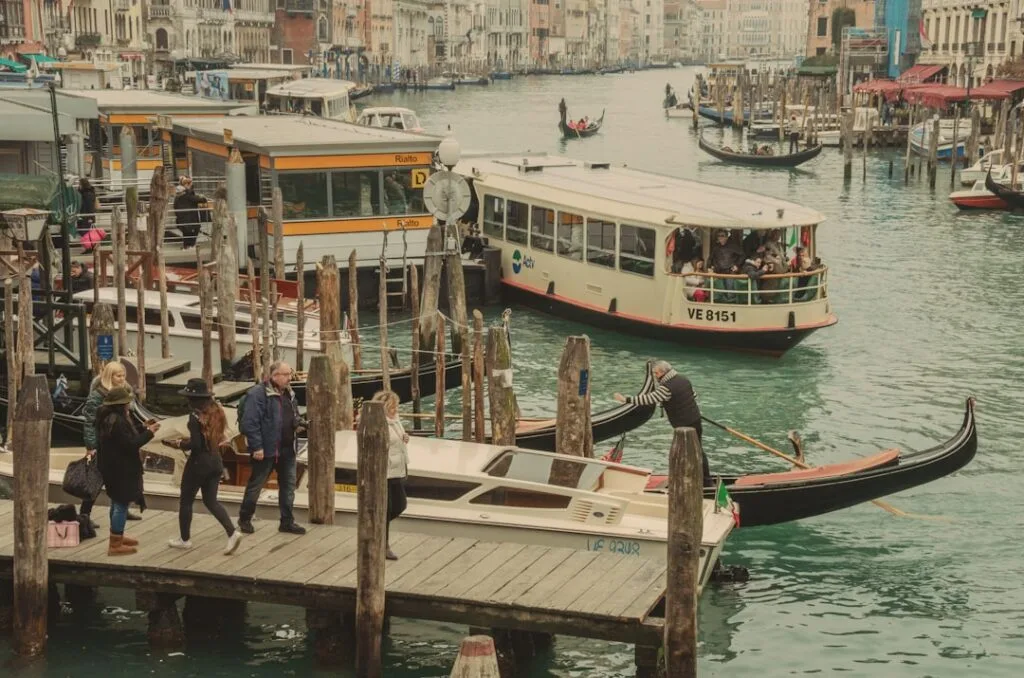
- Linea 1 (Public service, Grand Canal): runs continuously with varying frequency. Operates as a tourist route with stops at Piazzale Roma, Ferrovia (Venezia Santa Lucia), Rialto (Ponte di Rialto), San Marco (San Zaccaria) and Lido. Frequencies are usually 10–20 minutes in high season and 15–30 minutes off-season.
- Linea 2: faster, offers direct links Piazzale Roma – San Marco or Piazzale Roma – Lido, often used to save time. Similar frequency to Linea 1 but with fewer stops.
- Island lines: Linee 3, 4.1, 4.2, 5.1, 5.2 serve Murano, Burano and Torcello with lower frequencies (30–60 minutes depending on season).
- Night services: reduced overnight services (often prefixed with « N ») covering routes like Piazzale Roma – Zattere – Lido, running at limited frequency.
How to read a timetable board: columns show the departure time from the dock, the frequency (e.g. « ogni 10 min » = every 10 min), and sometimes the approximate travel time to the final destination. Some docks have digital displays showing the wait time in minutes for each boat. If there’s no electronic board, look for the metal board with printed seasonal sheets — those can be outdated, which is why a mobile app is useful.
Interruptions: in case of alta marea (high tide) or exceptional events, special services or diversions are implemented. For example, during an unusually high tide, some stations near Piazza San Marco might be closed and a temporary pontoon moved. ACTV ticket offices and official boards will announce these changes; also follow ACTV’s official Twitter and Facebook accounts for real-time updates.
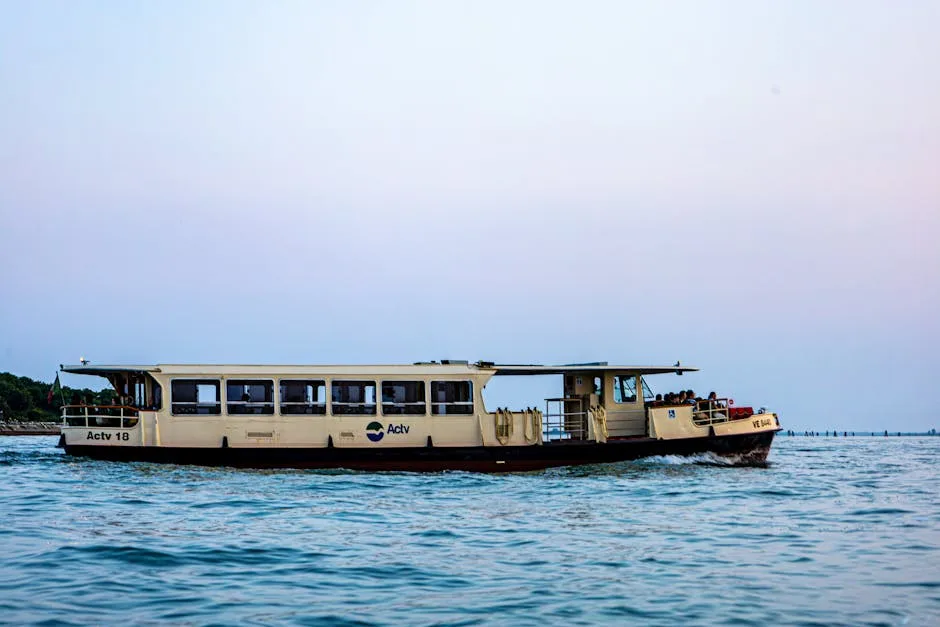
Main lines, frequencies and indicative schedules (Grand Canal, Murano, Burano, Lido)
Here’s an overview of the most useful lines for visitors, with indicative schedules and practical tips. These times are examples reflecting high-season frequencies; always check ACTV for the day’s exact timetable.
Linea 1 — Piazzale Roma / Ferrovia (Venezia Santa Lucia) → Rialto → San Zaccaria (Piazza San Marco)
Frequency: roughly every 10–20 minutes during the day in high season, 15–30 minutes off-season. First departures early in the morning (around 05:30–06:00); last evening departures vary by dock (usually around 23:00–00:00). Linea 1 is slow but scenic: it runs the length of the Grand Canal and offers fantastic views of the Ca’ d’Oro (Fondamenta Contarini), the Ponte di Rialto, Palazzo Barbarigo and the Basilica di Santa Maria della Salute.
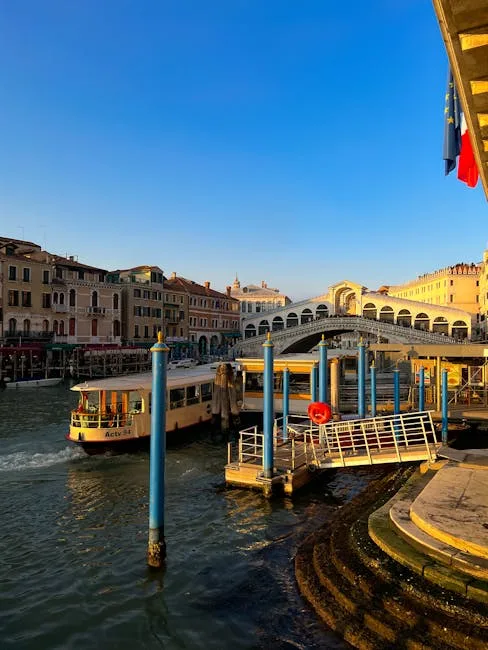
Linea 2 — Fast link Piazzale Roma → San Zaccaria / Lido
Frequency: every 10–20 minutes during the day. This line is the most convenient if you need to cross the Canal quickly, because it makes fewer stops. Note: some Linea 2 boats serve the Giudecca or go straight to the Lido — check the sign on the boat.
Murano / Burano lines (4.1, 4.2, 5.1, 5.2, 12 etc.)
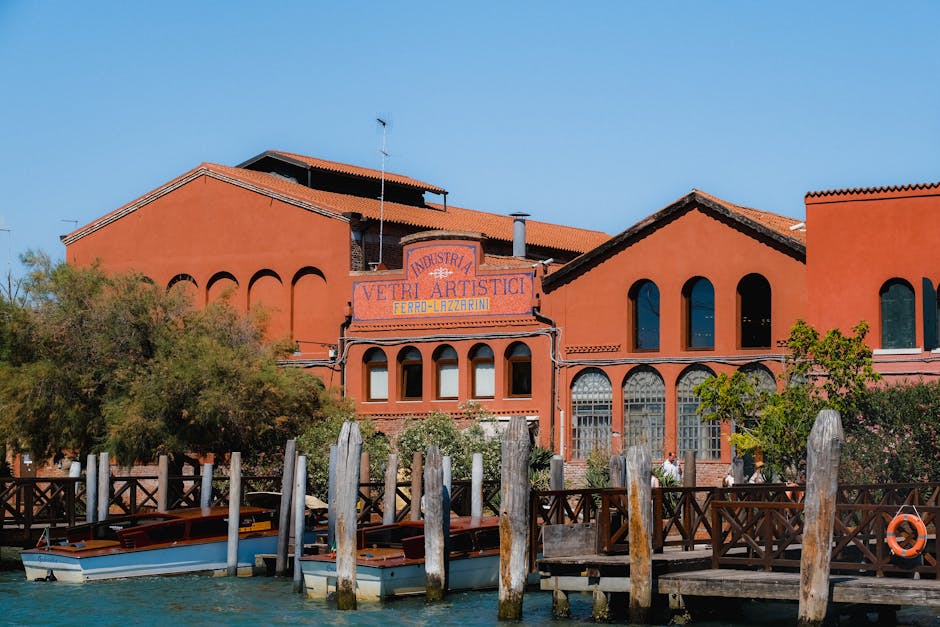
Example: Piazzale Roma → Ferrovia → Murano Colonna (Glass Museum); travel time about 25–35 minutes depending on stops. Frequency: 30–60 minutes. Burano (via Fondamente Nove) is often served by line 12; plan for 45–60 minutes depending on connections. These services run less frequently in the evening; the last vaporetto to Murano or Burano can be early (around 20:00–22:00), so plan your return and check the final departures.
Lido (line 1/5.1/5.2 depending on variants)
The Lido di Venezia is served directly from San Zaccaria or Piazzale Roma. Approximate travel time: 20–30 minutes. The Lido is ideal for a beach escape (Spiaggia di Venezia, Lungomare Guglielmo Marconi). Ferries and vaporetti are more frequent in summer and around events like the Venice Film Festival (late August–early September).
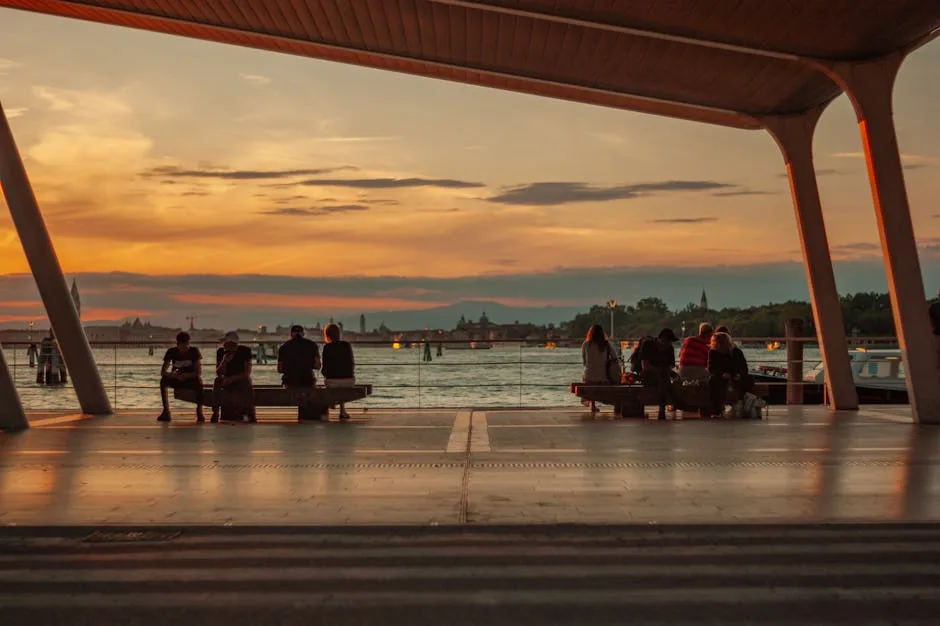
Photo tip: early morning (between 07:00 and 09:00) the light on the Grand Canal is soft and the quays are less crowded — perfect for photos without the crowds. Sunset views of the Basilica di Santa Maria della Salute from a vaporetto heading to San Zaccaria are magical but popular — try to get a spot on the upper deck if possible.
Tickets, passes, validation: where to buy, addresses and indicative prices
Before boarding, you must have a valid ticket. Here are the main ticket options, sales locations with addresses and indicative prices in euros. Fares change occasionally: check actv.ve.it or ACTV offices for updates.
Ticket options:
- Single ticket: indicative price €3.50 — valid for 75 minutes from validation (allows a one-way change). Good for one or two occasional crossings.
- 24-hour pass: indicative price €20.00 — unlimited access to ACTV vaporetti and buses for 24 hours from first validation.
- 48-hour pass: indicative price €30.00.
- 72-hour pass: indicative price €40.00.
- Alilaguna (airport service): Marco Polo → Venice (San Marco, Rialto, Fondamente Nove depending on line): indicative price €8.00 one way.
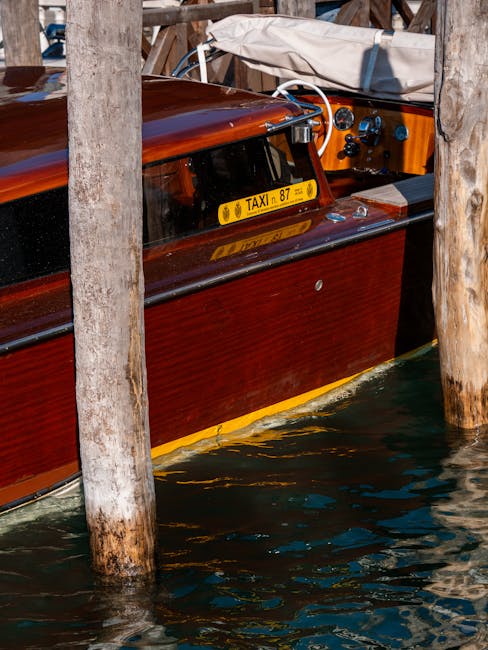
- Water taxi: private transfers from the airport to the center start at around €120.00 (rates vary; base fare + per-passenger charge). Shared water taxis or shuttles start at around €35–50.
- Gondola: classic ride about 30 minutes for roughly €80.00 daytime (regulated rates; supplements apply at night or for special requests).
Useful sales points and ticket offices:
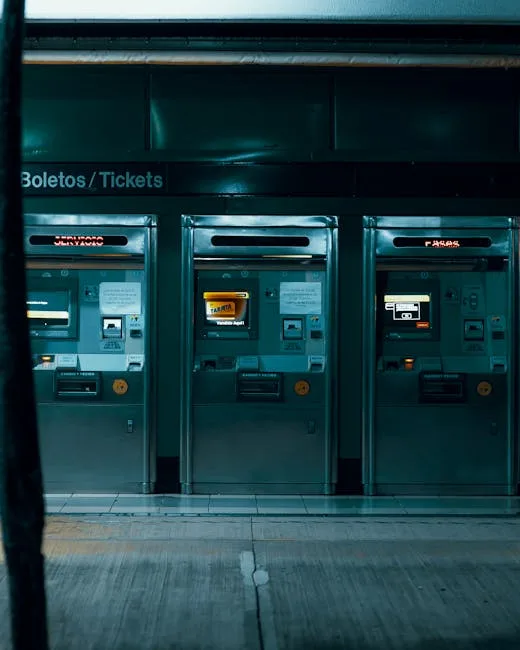
- ACTV ticket office Piazzale Roma (main terminal) — Address: Piazzale Roma, 30135 Venezia VE. Indicative hours: 06:00 – 20:00. Sells tickets, passes and provides information. Ticket machines available 24/7 at the dock.
- Venezia Santa Lucia (Station) — Address: Piazza della Stazione, 30121 Venezia VE. Ticket offices and machines. Station opening hours: ticket counters often open early and late, machines available 24/7.
- Alilaguna Office – Marco Polo Airport — Address: Venice Marco Polo Airport, Via Galileo Galilei, 30173 Tessera VE. Hours: generally 06:00 – 22:00 to match flight connections.
- Tourist information point at Piazza San Marco — Address: Piazza San Marco, 30124 Venezia VE, near the Museo Correr. Hours: 09:00 – 19:00 (varies by season).
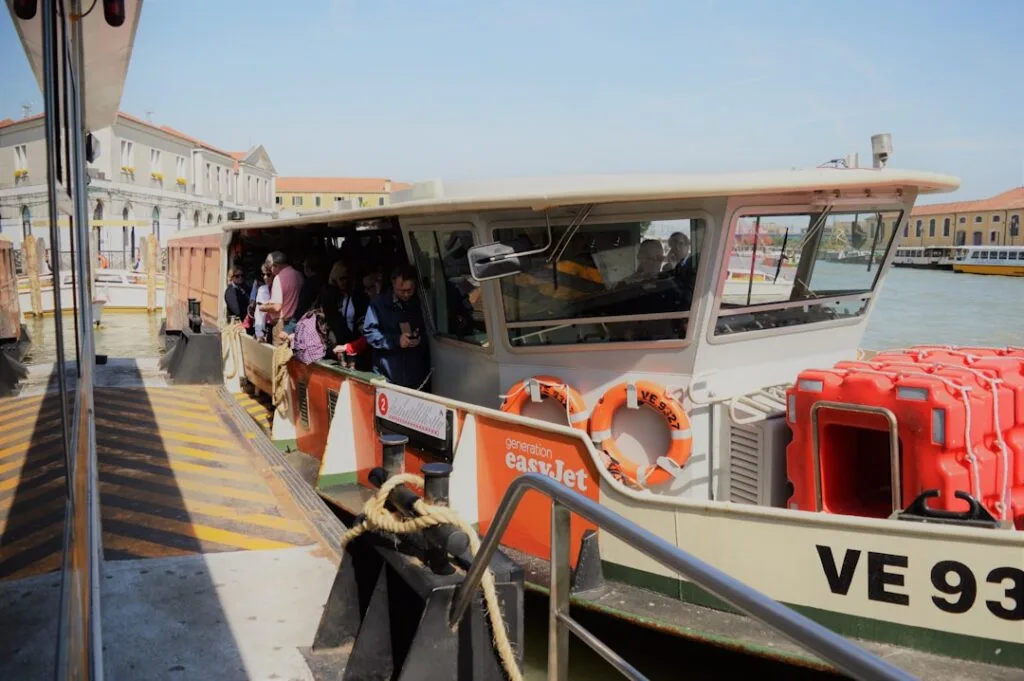
Validation: validate your ticket immediately when boarding the vaporetto at the yellow/blue validators (electronic machines). If you have a pass card, insert or tap it depending on the validator type. Controls are frequent and fines can be high (around €50–100 or more); keep your ticket until you exit — failing to validate can lead to penalties.
Key stations, addresses and times of tourist interest
Knowing the main stations and their locations helps you plan stops. Here are the most convenient piers for monuments and must-see places, with addresses and tips.
Ferrovia — Venezia Santa Lucia (train station)
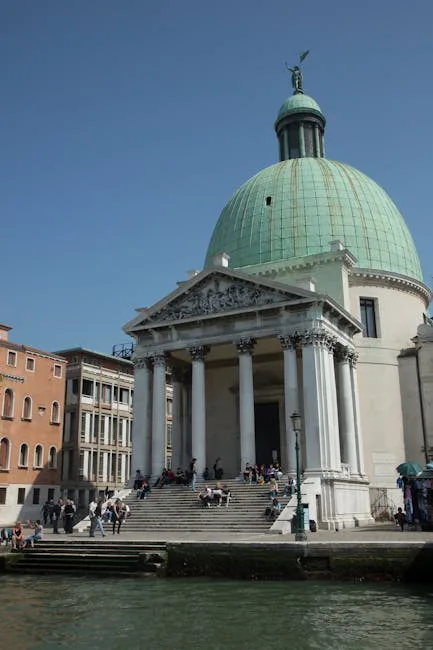
Address: Piazza della Stazione, 30121 Venezia VE. Hours: station open 24/7, ACTV ticket counters and machines at the docks (hours vary). Immersive description: stepping out of the station you’re immediately facing the Grand Canal; on the left is the fondamenta San Simeon Piccolo and its domed church, on the right the Cannaregio neighborhood leading to Fondamenta Nuove. Tip: if you arrive early, take a Linea 1 vaporetto for a scenic first glimpse of the Grand Canal.
San Zaccaria / Piazza San Marco
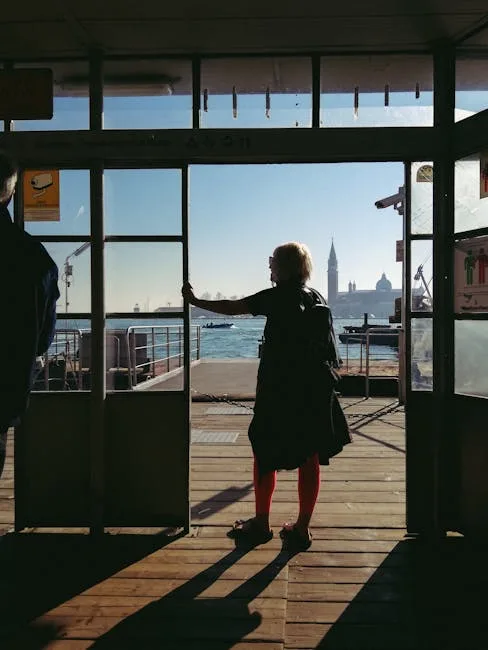
Address: Riva degli Schiavoni, 30122 Venezia VE (San Zaccaria stop). Hours: continuous service depending on the lines, busiest early morning and late afternoon. Description: a perfect stop for St. Mark’s Basilica (Piazza San Marco, 30124 Venezia VE), the Doge’s Palace (Piazza San Marco, 30124 Venezia VE) and the Campanile. Tip: the quays near the Dogana da Mar offer great views over the lagoon and the Punta della Dogana.
Ponte di Rialto (Rialto Bridge)
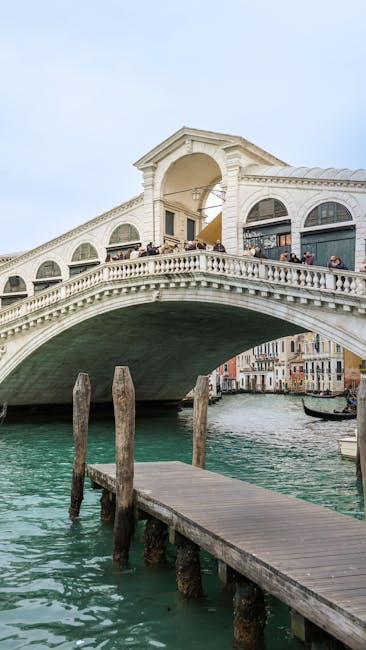
Address: Ponte di Rialto, Sestiere San Polo, 30125 Venezia VE (Rialto vaporetto stop). Hours: many boats call here, especially during the day. Description: a handy stop for the Rialto market (Mercato di Rialto, Campo San Giacomo, 30125 Venezia VE), the fish and produce stalls, and artisan shops. Tip: visit early in the morning to avoid the crowds and see the fish market in action.
Piazzale Roma
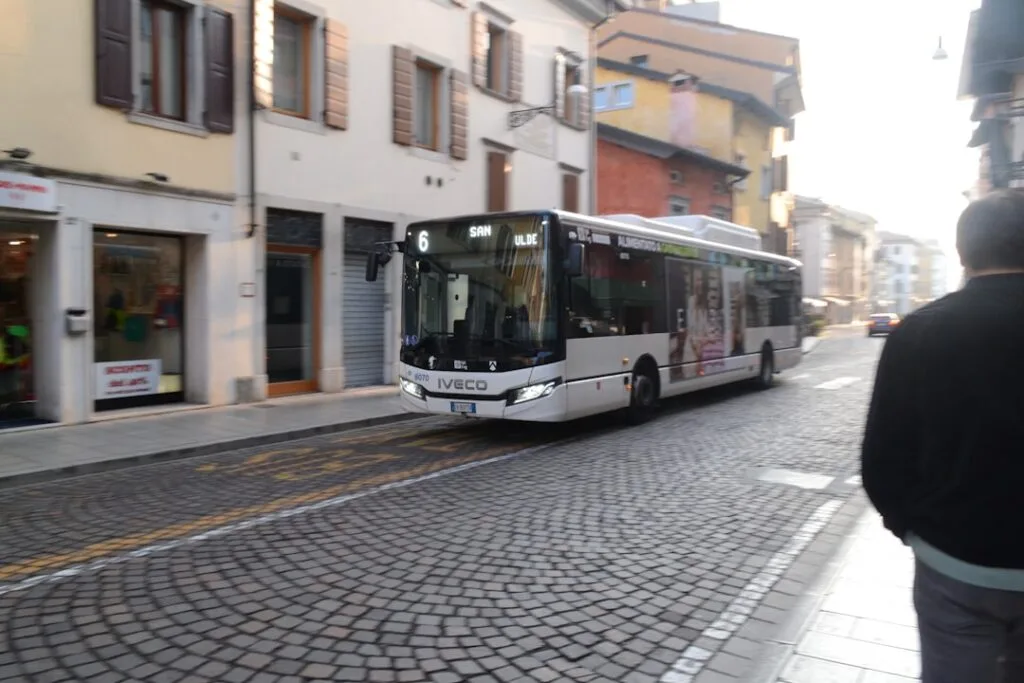
Address: Piazzale Roma, 30135 Venezia VE. Hours: bus terminus and boat parking, ACTV ticket office open early. Description: the main land gateway to Venice, links to intercity buses and taxis. Tip: if you have a lot of luggage, use Piazzale Roma for an easy transfer to your hotel or station, and book a water taxi if you’re loaded and want door-to-door service.
Local practical tips: optimization, safety and alternatives to the vaporetto
To get the most out of your vaporetto trips, adopt these local tips tried and tested by travelers and residents.
Planning and timing:
- Avoid local rush hours (08:00–09:30 and 17:00–19:00) if you can: vaporetti are full of commuters and seats are scarce.
- If you want a steady standing spot, board at the rear of the boat; for photos, head to the central upper deck (when the boat has one) or the right-hand side for Grand Canal views heading towards San Marco.
- Have cash or your pass ready before you reach the turnstiles: during busy periods the line at the machine can take time.
Safety and comfort:
- Keep your bags in front of you and under control: pickpockets take advantage of crowded movements.
- In case of alta marea (high tide), bring lightweight waterproof shoes or foldable boots; some quays can be partially submerged. Temporary wooden walkways are sometimes installed at La Piazzetta San Marco — follow signage and avoid areas closed off by barriers.
- If you’re traveling with children or people with reduced mobility, check accessibility: some docks have ramps and some do not. Major stations like Piazzale Roma and Ferrovia offer better accessible connections.
Alternatives to the vaporetto:
- Traghetto: short, inexpensive crossings (around €2.00), operating between certain points of the Grand Canal (e.g. near the Ponte di Rialto). Great for a local experience and to avoid a long walk around.
- Water taxi: pricier but private and quick, useful for door-to-door transfers with luggage (starting around €120 depending on distance and time).
- Gondolas: for a romantic souvenir, regulated fares around €80 for 30 minutes; better suited to secondary canals than to crossing the Grand Canal.
Eco-friendly practices: favor vaporetti to limit your carbon footprint, don’t toss rubbish into the canals, and respect no-landing zones (kayaks and SUPs must follow local rules). Modern vaporetti emit less pollution, but preserving the lagoon also depends on visitors’ behavior.
In case of emergency, events and useful resources
Venice is generally safe, but unexpected events like transport strikes, high tides (alta marea), accidents or demonstrations can disrupt services. Here are numbers and addresses to know, plus resources to stay informed in real time.
Contacts and resources:
- ACTV Customer Service — Informazioni ACTV: phone +39 041 275 0711 (indicative number). Main ticket office address: Piazzale Roma, 30135 Venezia VE.
- Polizia Locale Venezia — local emergencies: dial 113 for the police in Italy (or 112 for European emergency numbers). Main police station: Campo San Polo, 30125 Venezia VE.
- Port of Venice (harbor authority) for maritime incidents: Ufficio Porto, Calle del Traghetto, 30100 Venezia VE (contact details may vary).
- Useful sites: actv.ve.it for timetables and disruption notices; veneziaunica.it for official tourist passes; municipal sites for local alerts.
In case of strikes: follow ACTV’s official announcements and the boards at the stations. Authorities often publish replacement services or reduced timetables for essential routes. If you absolutely must catch a flight, allow extra margin and arrange an alternative (water taxi or private transfer).
Travel insurance: consider insurance that covers cancellations/transfers in case of extreme weather or transport disruptions. Keep digital and printed copies of your bookings and hotel contacts to facilitate coordination in an emergency.
Conclusion: master the vaporetto schedules for a successful Venetian experience
Getting familiar with vaporetto schedules and how the system works is one of the keys to fully enjoying Venice. This guide has given you an overview of the main lines (Linea 1, Linea 2), connections to Murano, Burano and the Lido, ticket office addresses (Piazzale Roma, Venezia Santa Lucia, Alilaguna at the airport), indicative fares for tickets and passes in euros, and practical tips to optimize your travel. Remember: schedules can change with the seasons, special events and maritime conditions, so check real-time information via the official ACTV website or the mobile app.
Plan your most important journeys in advance (for example, an early-morning trip to Murano to watch the glassblowers at work) and use an appropriate pass if you’ll be making many crossings. Always validate your ticket when boarding, keep an eye on digital displays and, if in doubt, ask ACTV staff at the docks or ticket offices. For photographers and panorama lovers, schedule crossings early in the morning or at sunset to capture the magical light on the Grand Canal and the palace facades like the Doge’s Palace (Piazza San Marco, 30124 Venezia VE) or the Ca’ d’Oro (Fondamenta Santa Sofia, 30121 Venezia VE).
Finally, adopt respectful gestures toward the lagoon: don’t feed the birds, use the bins provided, and follow instructions during alta marea. Venice is a fragile gem; by using the vaporetto wisely and following local rules you’ll help preserve this unique city while enjoying an unforgettable experience. Safe travels, and savor every crossing — they’re an integral part of Venice’s magic.