





Introduction
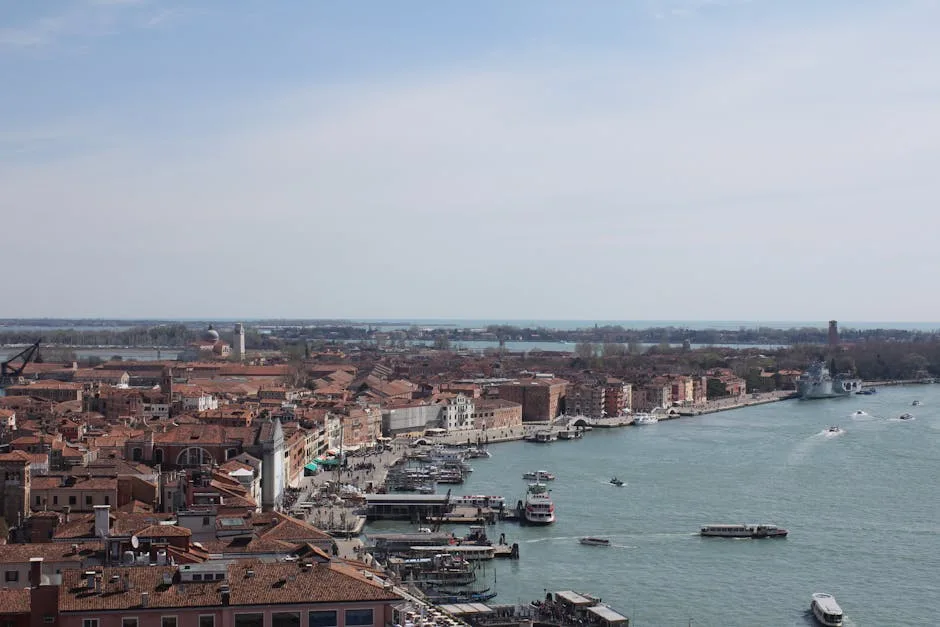
Venice is one of those cities made for slow wandering — lifting your eyes to colorful façades, listening to water lapping against ancient foundations. Seeing Venice in a single day requires tight planning and smart choices: you won’t see everything, but you can experience the essentials — iconic landmarks, winding alleys full of history, and the views that make the city unique. This condensed day should mix art, history, watery scenery, and local flavors. To make it work, plan your route around opening hours, buy skip‑the‑line tickets in advance for some sites, and use practical tricks to save time on the ground.
Venice is compact but labyrinthine. Distances may be short in kilometers but long in minutes if you get lost in the calli (narrow streets) or take the wrong bacino (water crossing). The tourist heart sits around St. Mark’s Square (Piazza San Marco) and the Grand Canal (Canal Grande), where most major monuments cluster. A typical day often follows a logical loop: start early at the basilica to beat the crowds, walk through the Doge’s Palace, follow the Grand Canal to the Rialto Bridge, then visit two key museums and finish with sunset views from Punta della Dogana or the Accademia Bridge. The idea is not to rush everything, but to alternate short visits with deeper moments: a chapel, a museum room, a market, a coffee or gelato break on a banco della pietà.
This guide “See Venice in One Day: Top 10 Must‑See Sights” gives you an efficient, detailed route with exact addresses, practical info (opening hours, indicative prices in euros), immersive descriptions and on‑the‑ground tips — how to avoid queues, which tickets to prebook, where to take the best photos and which vaporetto or walking routes to favor. I picked ten spots that together give a full reading of Venice: from the Byzantine splendor of St. Mark’s Basilica to the modern reflections at the Peggy Guggenheim, plus the bridges and squares that make Venice beat. Each section includes precise tips to optimize your time and enjoy authentic experiences — grab a tramezzino near the Rialto, watch the gondoliers at work, or climb the Campanile terrace for an overview.
Before you go, a few general recommendations: start early (or arrive the night before if you can), buy major tickets online (Doge’s Palace, Gallerie dell’Accademia, Peggy Guggenheim), wear comfortable shoes and take a paper map or an offline app (signage can sometimes be sparse). Finally, respect local customs (avoid eating standing on Piazza San Marco, follow « No Sitting » signs and private area notices) and allow time for the unexpected: Venice is full of charming surprises worth stopping for.
1. St. Mark’s Basilica (Basilica di San Marco)
Address: Piazza San Marco, 328, 30124 Venezia VE, Italy.
Opening hours: typically 9:30 – 17:00 (check holiday hours and religious ceremonies).
Price: entry to the nave is free; access to the Basilica Museum and Terrace, and to the Pala d’Oro retable, costs between €5 and €6 depending on the combination chosen.
St. Mark’s Basilica is one of Venice’s most iconic monuments. Its Byzantine façade, studded with golden mosaics and precious marble, signals the wealth and cosmopolitan reach of the Venetian Republic. Stepping inside is like entering a luminous jewel box where mosaics cover the vaults and retell biblical scenes through shifting light. Don’t miss the Pala d’Oro, a gold altarpiece set with gems, and the loggia of the horses — reproductions are on display, while the originals can sometimes be seen at the Marciano Museum.
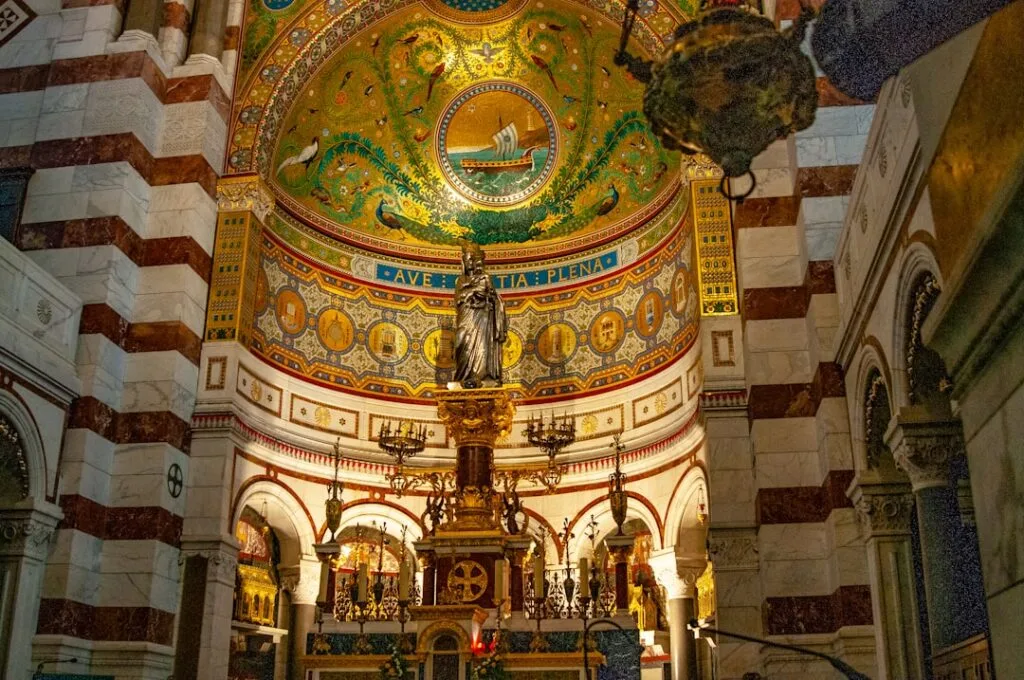
Practical tips: arrive at opening time or book a timed skip‑the‑line slot online to avoid waiting; dress modestly (no shorts or bare shoulders for entry to a religious site); go up to the basilica terrace for an up‑close view of the square and a panoramic shot of the Piazzetta. If you have access to an audio guide, use it: the mosaics’ storytelling and iconographic chronology benefit a lot from explanation.
2. Doge’s Palace (Palazzo Ducale)
Address: Piazza San Marco, 1, 30124 Venezia VE, Italy.
Opening hours: 9:00 – 19:00 (last entry often one hour before closing).
Price: standard ticket around €25 – €30 (the « Musei di Piazza San Marco » pass including the Correr Museum and others can be in the €25 – €30 range).
The Doge’s Palace is the symbol of political and judicial authority of the Serenissima Republic. Walking through its state rooms (Council Chambers, Sala del Maggior Consiglio), you grasp the scale of Venetian power: monumental paintings by Titian, Veronese and Tintoretto, gilded ceilings, and ornate carvings. Also visit the prisons, reached via the famous Bridge of Sighs (Ponte dei Sospiri), where Casanova famously escaped in the 18th century.
Practical tips: book a skip‑the‑line ticket online to save time. Allow at least 1h30 to 2h for a full visit including the prisons. Bring a guidebook or audio guide to understand the decorative cycles and the functions of each room. If you’re short on time, focus on the Scala d’Oro, the Sala del Collegio and the Sala del Maggior Consiglio for a faithful impression of the Republic’s splendor.
3. Rialto Bridge (Ponte di Rialto) and Rialto Market
Address: Ponte di Rialto, Sestiere San Polo, 30125 Venezia VE, Italy.
Hours: the bridge is accessible 24/7; Rialto Market (Mercato di Rialto): fish stalls in the morning 7:00 – 13:00, food market hours vary, some shops open until 18:00-19:00.
Price: free (market items cost according to purchases).
The Rialto Bridge has been the city’s commercial heart for centuries. From the balustrade you get the best views of the Grand Canal lined with patrician palaces. Under and around the bridge spreads the historic market: fish stalls, fruits, vegetables and spices — a burst of colors and smells in the morning. It’s the perfect spot for a snack, a cicchetto (Venetian small plate) or capturing the morning bustle on camera.
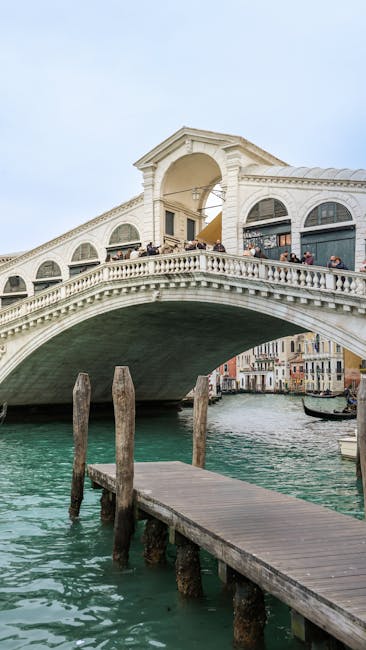
Practical tips: visit the market early (7:00 – 9:30) to avoid tourist crowds. If you want a culinary souvenir, buy artisan preserves or sardines in oil. To dodge tourist shop lines, cross the bridge using the side walkways and explore the San Polo alleys to find authentic bacari (cicchetto bars). Watch out for pickpockets on the bridge when it’s busy.
4. Grand Canal (Canal Grande) by vaporetto
Recommended departure: Stazione Santa Lucia (Ferrovia), 30121 Venezia VE, or the « Piazza San Marco » stop for a full traverse.
Hours: ACTV vaporetti run from around 5:00 to midnight; main lines (1 and 2) vary.
Price: single vaporetto ticket about €8 (valid 75 minutes); 24h passes roughly €20 – €30 depending on the offer.
The Grand Canal is Venice’s backbone: riding its banks on a vaporetto (the local water bus) is essential to grasp the city’s scale and architecture. Renaissance and Baroque palaces follow one another like an open‑air museum — Ca’ d’Oro, Ca’ Rezzonico, Ca’ Foscari, and many more. Line 1 offers a slower, more panoramic ride ideal for photos; line 2 is faster.
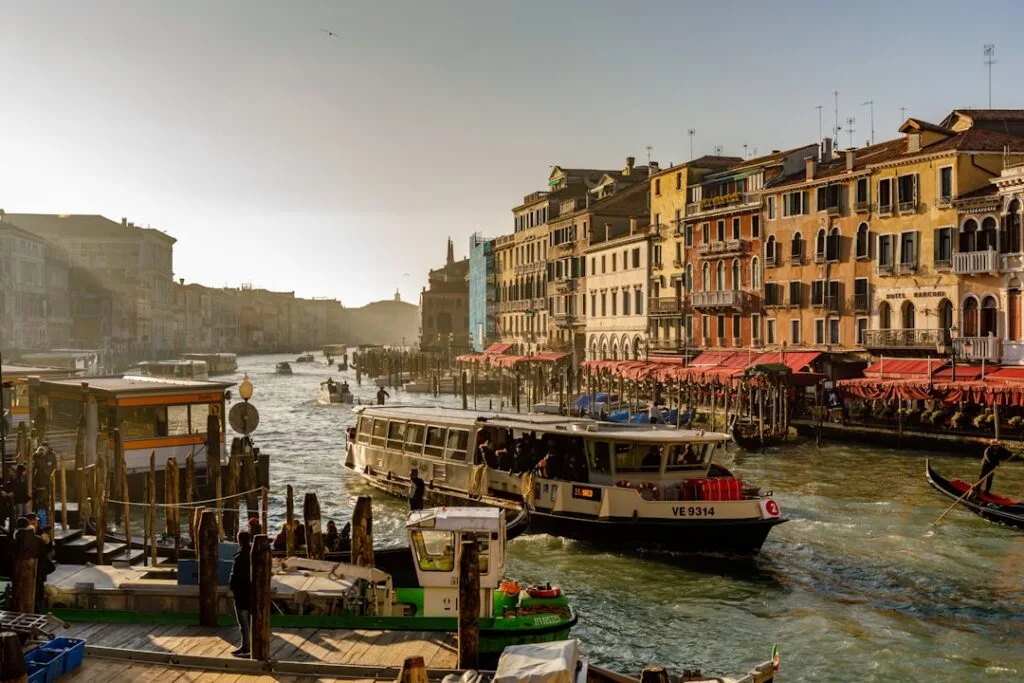
Practical tips: take vaporetto line 1 for a long scenic trip (allow 40–50 minutes to cross). Sit on the upper deck for the best photo angles. If your time is limited, a short roundtrip from the train station to the Rialto Bridge will already give you a great sense of the canal. Buy your vaporetto pass in advance if you plan multiple rides.
5. Gallerie dell’Accademia
Address: Campo della Carità, 1050, 30123 Venezia VE, Italy.
Hours: typically 8:15 – 19:15 (closed on some Mondays; check the official calendar).
Price: standard ticket around €12 – €15 (reduced rates for students and young people).
The Gallerie dell’Accademia houses the finest collection of Venetian painting: works by Bellini, Carpaccio, Giorgione, Titian, Veronese and Tintoretto. It’s the place to understand the evolution of color and light in Venetian art, from late Gothic through the Baroque. The rooms are laid out to follow a chronological progression that makes sense even if you’re not an art historian.
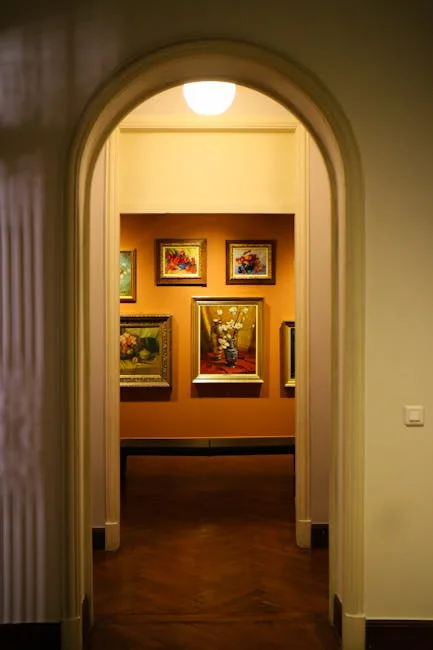
Practical tips: book online to avoid the line. If short on time, focus on the masterpieces: La Tempesta (Giorgione), Venus of Urbino (Titian) and Veronese’s cycles. Allocate about 1h30 for a comfortable visit. The nearby Accademia Bridge offers a great view of the Grand Canal for photos after your visit.
6. Peggy Guggenheim Collection
Address: Palazzo Venier dei Leoni, Dorsoduro, 701, 30123 Venezia VE, Italy.
Hours: 10:00 – 18:00 (closed Tuesdays; check dates and hours by season).
Price: standard ticket around €15 (reduced rates for youth/students).
Housed in a palace on the Grand Canal, the Peggy Guggenheim Collection presents a remarkable selection of modern and avant‑garde art: Picasso, Dalí, Pollock, Kandinsky, and sculptures in the garden. The contrast with more classical museums provides an essential contemporary breath in a Venetian day. The visit blends sumptuous interiors with a quiet garden perfect for a contemplative break.
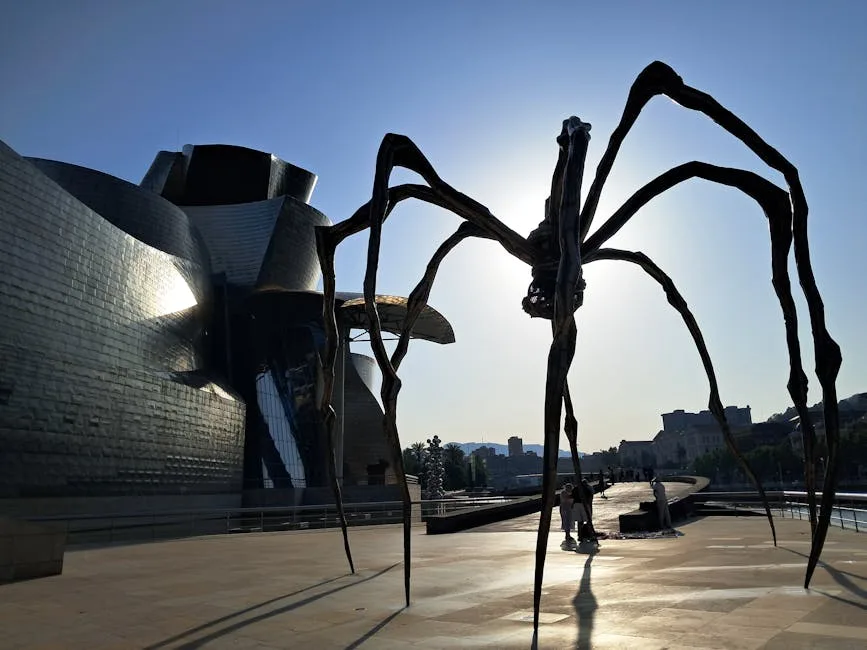
Practical tips: arrive at opening to enjoy the calm of the garden and galleries before tourist numbers rise. The museum café serves drinks and snacks — a great spot for a peaceful coffee away from crowds. Audio guides or artwork notes help connect the dots between artists.
7. Santa Maria della Salute Basilica
Address: Punta della Dogana / Dorsoduro, Campo S. Maria della Salute, 1, 30123 Venezia VE, Italy.
Hours: church often open 9:00 – 12:00 and 15:00 – 18:00 (liturgical hours may vary).
Price: entry to the nave is free; visits to the crypt/museum vary, around €3 – €5.
The baroque silhouette of the Salute, standing at the Dorsoduro tip opposite St. Mark’s, is one of the most photographed scenes in Venice. Built in the 17th century as a votive offering after a plague, its dome forms a perfect composition with the basin of the Arsenale and the Grand Canal at sunset. Inside you’ll find canvases by Titian and other Venetian masters, and a solemn atmosphere that contrasts with the city’s lively squares.
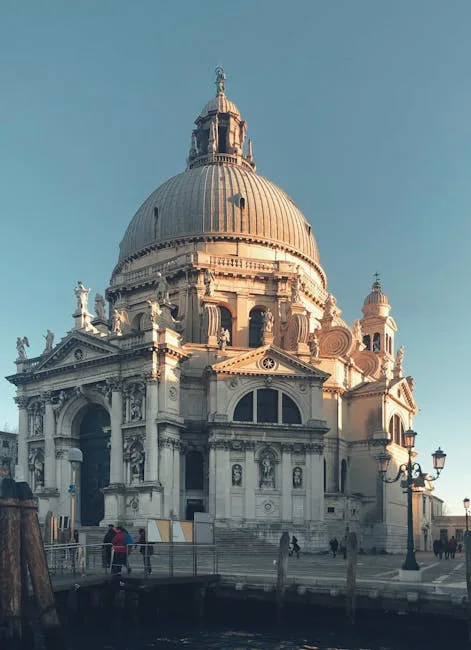
Practical tips: take the vaporetto to the « Salute » stop (line 1 or 2); walk out to the point (Punta della Dogana) for a panoramic sunset view. If time allows, check out small temporary exhibitions often held in the church or the neighboring museum. The nearby Zattere promenade is perfect for a post‑visit stroll.
8. Scuola Grande di San Rocco
Address: Campo San Rocco, 3054, 30125 Venezia VE, Italy.
Hours: 9:30 – 17:30 (hours vary; check the official site).
Price: around €10 – €12 (reduced rates for students/young people).
The Scuola Grande di San Rocco is a treasure for Tintoretto lovers: several rooms are entirely decorated with his cycle of paintings, often regarded as his most accomplished work. The sequence of rooms creates a powerful visual narrative and emotional experience. The place still retains the atmosphere of a Renaissance confraternity, blending devotion, art and patronage.
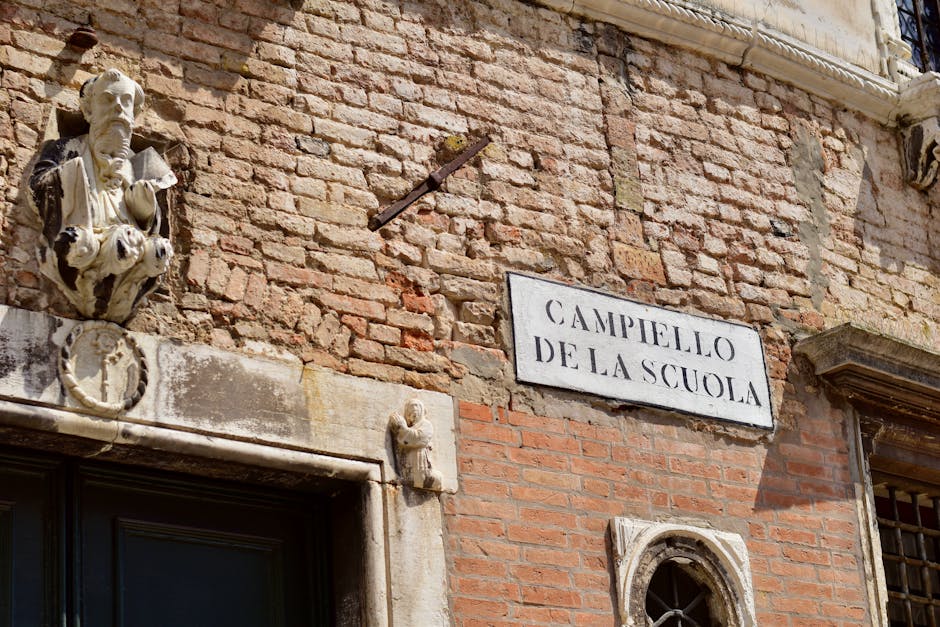
Practical tips: buy tickets online if possible; allow at least 1 hour to take in the large canvases. Pay attention to details: study the composition angles, and Tintoretto’s dramatic plays of shadow and light. The Scuola is not very large, making it an ideal focused cultural stop during the middle of your day.
9. Teatro La Fenice
Address: Campo San Fantin, 1965, 30124 Venezia VE, Italy.
Hours: guided tours typically 10:00 – 17:00 (check days and times); evenings depend on performance schedules.
Price: guided tour around €9 – €12; performance tickets vary with the program.
Teatro La Fenice, Venice’s historic opera house, has a turbulent history but a magnificence restored after several fires and rebuildings. The lavish interior, with its horseshoe auditorium and red velvet boxes, is a prime example of Italian theatrical art. A visit gives access to the backstage, the musical history, and anecdotes about famous premieres.
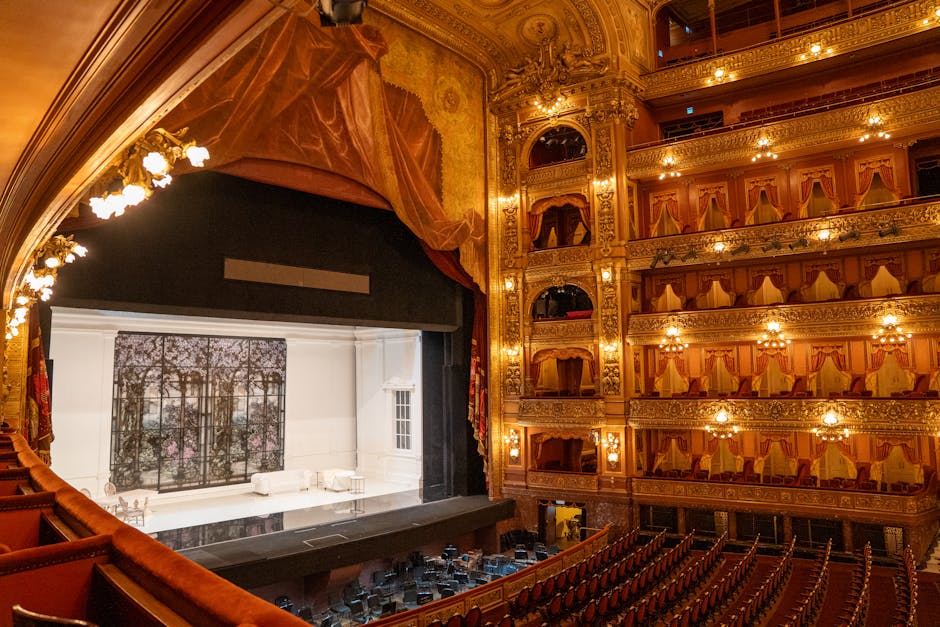
Practical tips: if your schedule allows, attend a performance or, failing that, book a guided tour to see the auditorium and learn the theater’s history. Photography is often restricted inside during tours; take the time to admire the statuary, gilding and Venetian emblems. Check online ticketing for concerts or operas if you want to combine an evening show with a daytime visit.
10. Basilica di Santa Maria Gloriosa dei Frari (I Frari)
Address: Campo dei Frari, 30125 Venezia VE, Italy.
Hours: 9:00 – 18:00 (hours vary; check for religious services).
Price: general entry about €3 – €5 (donations recommended).
The Frari is one of Venice’s largest Gothic churches. Inside, the scale creates an impression of majestic serenity. You’ll find masterpieces like Titian’s Assumption of the Virgin and the sculptural funerary monument by Donà, which reflect the church’s central role in Venetian artistic life. The acoustics and atmosphere make it a place well suited to contemplation.
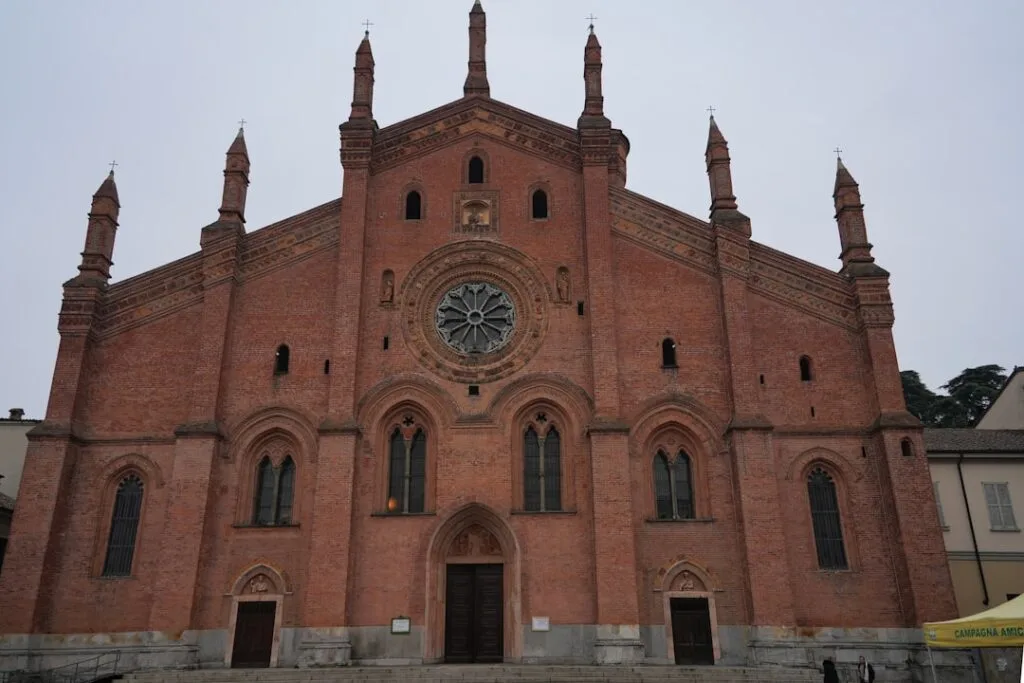
Practical tips: make a quick stop if you’re pressed for time but don’t miss Titian’s altar piece — it’s a major work you’d regret skipping. The adjacent cemeteries and funerary monuments offer insight into Venice’s great families. Plan a mid‑afternoon visit for optimal interior light that enhances the colors of paintings and stained glass.
Conclusion
A day in Venice is a concentrated dose of emotion and history: by choosing your stops wisely — St. Mark’s Basilica, the Doge’s Palace, the Rialto Bridge, the Grand Canal, Gallerie dell’Accademia, Peggy Guggenheim, Santa Maria della Salute, Scuola Grande di San Rocco, Teatro La Fenice and the Frari — you’ll get a coherent and deep panorama of what the Serenissima has to offer. This route mixes Byzantine architecture, Venetian Renaissance art, 20th‑century modernity, and watery landscapes that will stay with you forever.
Practically speaking, the main trick is planning: buy museum tickets online, use the vaporetto as your main transport to save time over long distances, and set off early to enjoy sites before the day‑tour crowds arrive. Schedule a few mindful pauses — a coffee by the Grand Canal, a cicchetto at the Rialto, or a moment of silence on the Punta della Dogana — to soak up the sensations rather than merely ticking boxes. Venice is also best savored in its small gaps: an open window onto a courtyard, a cat on a sill, golden reflections at dusk.
Finally, leave room for the unexpected. Venice always has surprises: a procession, an impromptu concert, a striking temporary exhibition. If you can, stay an extra night to experience the city without the pressure of a packed schedule; Venice changes dramatically after the day buses leave. With a well‑organized day, you’ll leave with the essentials — architectural beauty, artistic richness and the uniqueness of a city built on water — and a definite desire to come back and explore more.