





Introduction
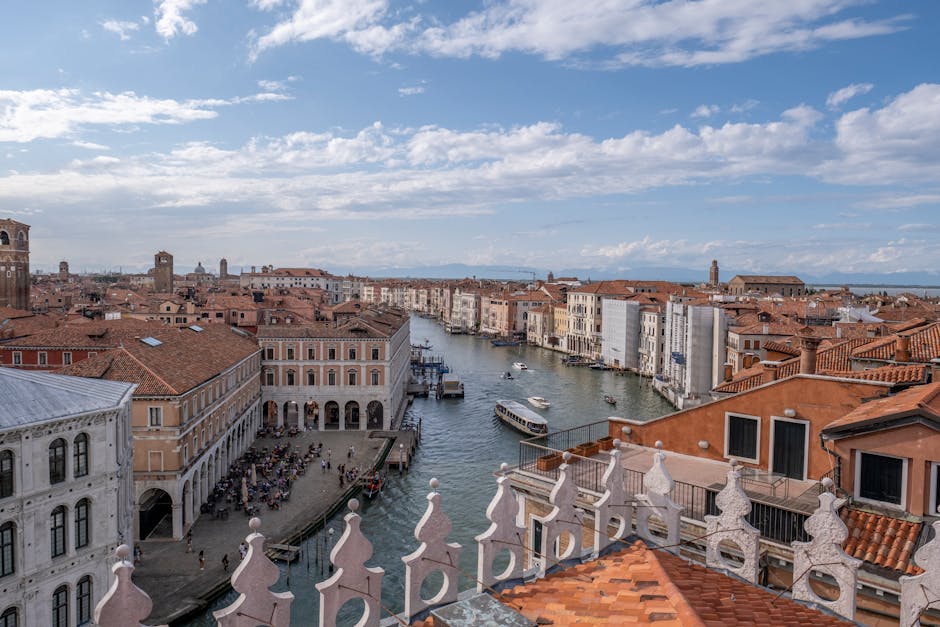
Venice is a city of water, stone and light. Its narrow alleys and winding canals are punctuated by hundreds of bridges, from medieval stone footbridges to bold contemporary structures. For photographers — hobbyists and pros alike — every bridge is a promise: a unique frame, a leading line that guides the eye, a meeting of architecture and liquid landscape. This photo guide to Venice’s most beautiful bridges aims not only to give you exact locations and practical info, but also shooting tips, timing advice and staging ideas to capture the Venetian spirit through its arches.
Throughout this article you’ll find immersive descriptions of each spot, precise addresses, notes on fees when access is ticketed (museums connected to bridges, viewpoints), opening hours of institutions, and concrete tips to optimize your shots depending on weather and light. Venice’s bridges are more than infrastructure: they’re viewpoints, stages of everyday life (gondoliers, markets, passing boats), and often historical symbols. Photographing a bridge is also storytelling: its role (crossing, trade, procession), its era (Renaissance, Baroque, modern), and its relationship with the canal it spans.
Whether you’re planning a multi-day stay or a one-day escape, this guide will help you schedule your photo sessions — at sunrise when mist gently shrouds the Grand Canal, during golden hour when stone glows ochre, or at night when artificial lights turn reflections into arabesques. I also share local practical advice: where you can set up a tripod (and where you should avoid unfolding one to not block foot traffic), how to handle crowds at Rialto, and how to get the best angle from a boat. Pack your lenses (wide-angle for whole-bridge compositions, tele for carved details), ND filters for long exposures over calm water, and your patience: great shots often require waiting for the right boat or the perfect light.
Finally, this guide includes image markers placed to inspire your compositions or serve as visual references. Each section also lists practical details such as full addresses (international format), indicative prices in euros and opening hours of associated sites when relevant. Ready to cross Venice with your camera in hand? Let’s start with one of the city’s most iconic bridges: the Ponte di Rialto.
Ponte di Rialto (Ponte di Rialto) — The classic you can’t miss
The Ponte di Rialto is arguably Venice’s most famous bridge. Located in the heart of the San Polo district, it spans the Grand Canal at the historic market site. Address: Ponte di Rialto, Sestiere San Polo, 30125 Venezia VE, Italy. This single-arch stone bridge, built in the 16th century by Antonio da Ponte, offers unrivaled views of the Grand Canal, the boats and the palatial facades lining its banks.
Hours and access: the bridge is open to pedestrians 24/7. Shops along its balustrades typically open between 9:00 and 19:30 depending on the season. Cost: crossing is free. For paid panoramic views nearby, consider the Campanile di San Marco or hotel terraces — prices vary, roughly €10–15 for some private viewpoints.
Photo tips: arrive before sunrise to avoid crowds and capture the canal’s calm with empty quays and warm light. Use a wide-angle lens (16–35mm) to include the arch and opposite façades, or a 50–135mm to isolate gondoliers and architectural details. Try a long exposure (1–5 seconds) from the bank to smooth water motion and create contrast between the sharp stone of the bridge and the fluid canal. Watch your composition: the bridge lends itself to diagonal leading lines, but check your horizon to prevent distortion.
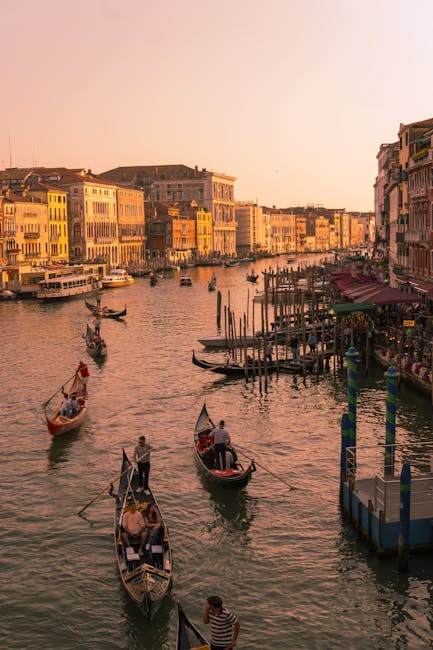
Local tips: avoid midday when tour groups swarm the parapet. For a less common angle, drop down to Riva del Vin (Riva del Vin, San Polo) and shoot the bridge in perspective with moored boats. If you want photos from a boat, negotiate a short ride with a gondolier or water taxi: a short loop around the bridge is about €25–40 depending on season and bargaining.
Ponte dei Sospiri (Bridge of Sighs) — Drama and intimacy
The Ponte dei Sospiri, or Bridge of Sighs, is a small vaulted white-stone bridge that links the Palazzo Ducale (Doge’s Palace) to the former Palazzi delle Prigioni. Site address: Piazza San Marco, 30124 Venezia VE, Italy. Its romantic, melancholic name comes from the legend that prisoners sighed when glimpsing the lagoon for the last time before imprisonment.
Hours and price: viewing the exterior of the bridge is free (from the Riva degli Schiavoni and from inside the Palazzo Ducale). To cross it or see the interior corridor you need to book a guided tour of the Palazzo Ducale. Indicative ticket price: standard Doge’s Palace ticket around €30–35. Opening hours: typically 9:00–19:00 depending on season; closed on some public holidays — check the official site for updates.
Photo tips: the best vantage point is the small footbridge opposite on the Riva degli Schiavoni and from the Ponte della Paglia which gives a popular side view at sunset. Shoot in portrait orientation to include the bridge’s arch and the Palazzo façade. Use a 35–85mm to capture the architecture and reflections in the basin. At high tide the water rises near the walls — this can add drama with strong reflections. If you want the prisoners’ interior perspective, book the tour that includes the reddish interior corridor for softer light and carved details.
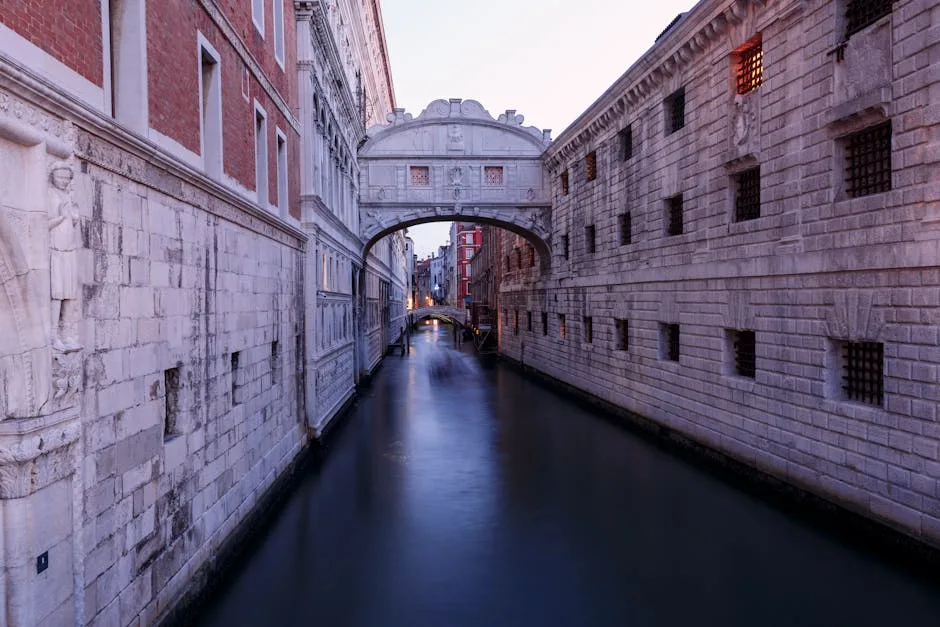
Local tips: avoid the crowds that gather on the Ponte della Paglia in summer; arrive at opening or late in the evening. For a more original shot, climb the bell tower of San Giorgio Maggiore (ticket about €8–12) for an overall view of the lagoon that includes the San Marco cluster and the Bridge of Sighs in the distance.
Ponte dell’Accademia and Gallerie dell’Accademia — Art and perspectives
The Ponte dell’Accademia is a wooden bridge that spans the Grand Canal between the Dorsoduro district and San Marco, directly opposite the Gallerie dell’Accademia. Address: Ponte dell’Accademia, 30123 Venezia VE, Italy. The bridge offers wide views of the Grand Canal, especially photogenic at golden hour, and it’s often used as an observation platform by photographers aiming for the perfect alignment of palaces and gondolas.
Hours and prices: the bridge is freely accessible at all times. The Gallerie dell’Accademia (nearby entrance) typically welcomes visitors between 8:15 and 19:15, with an indicative entry fee of about €12–18 (reduced rates for students and EU residents). For panoramic riverbank views, the terrace of the Palazzo Contarini del Bovolo (a bit further away) offers another paid perspective for roughly €6–10.
Photo tips: the Ponte dell’Accademia lends itself to symmetrical compositions with the Grand Canal as the axis. Use a tripod (mind local rules: some busy bridges discourage tripods) for long exposures in the morning when traffic is lighter. Include human elements — gondoliers, passersby — to give scale and narrative. In the evening, the low light grazes the façades on the opposite bank with honey and pink tones, perfect for urban portraits or street scenes. If you want to isolate architectural details, a 70–200mm is ideal.
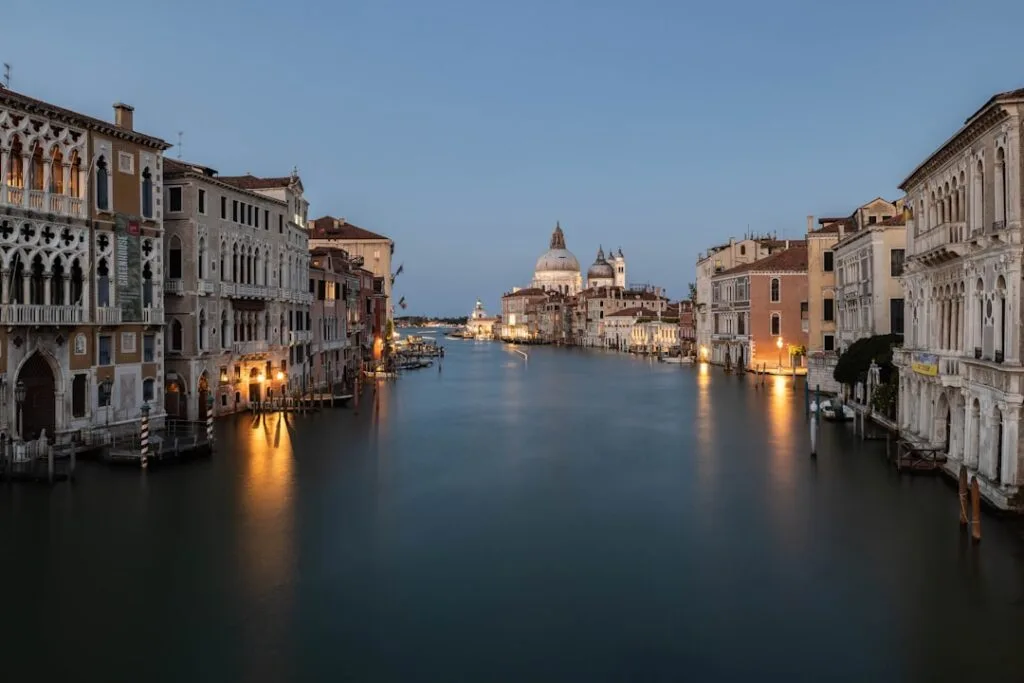
Local tips: wander toward the Gallerie dell’Accademia after your shots (Dorsoduro, Campo della Carità, 1050). The surrounding alleys offer quieter canal perspectives. If you visit in high season, take vaporetto line 1 for water-level angles (ACTV ticket about €1.50–8 depending on single ride or day pass).
Ponte della Costituzione and Ponte degli Scalzi — Modern and classic face to face
On the Piazzale Roma waterfront, where the city meets transport, two bridges of contrasting character sit close together. The Ponte della Costituzione (also known as the Calatrava Bridge, designed by Santiago Calatrava) is a modern steel-and-glass structure linking Piazzale Roma to Santa Lucia station. Address: Ponte della Costituzione, 30121 Venezia VE, Italy. A few steps away, the Ponte degli Scalzi, a stone bridge, offers a more traditional aesthetic and views toward the Cannaregio district and the station. Address: Ponte degli Scalzi, Santa Croce, 30121 Venezia VE, Italy.
Hours and prices: both bridges are freely accessible 24/7. For photographers, the juxtaposition of ultra-modern and classic creates striking contrasts, especially under a dramatic sky or at dusk when urban lights reflect on the glass.
Photo tips: for the Ponte della Costituzione, favor angles that show its metal structure and the transparency of the parapet — a low wide-angle emphasizes converging lines. In rain, glass surfaces and wet ground create dramatic reflections; use shallow depth of field to separate subject from background. For the Ponte degli Scalzi, capture the Santa Lucia station façades and the perspective down the Giudecca canal. In the morning, vaporetto traffic produces light trails and motion you can use with long exposures.
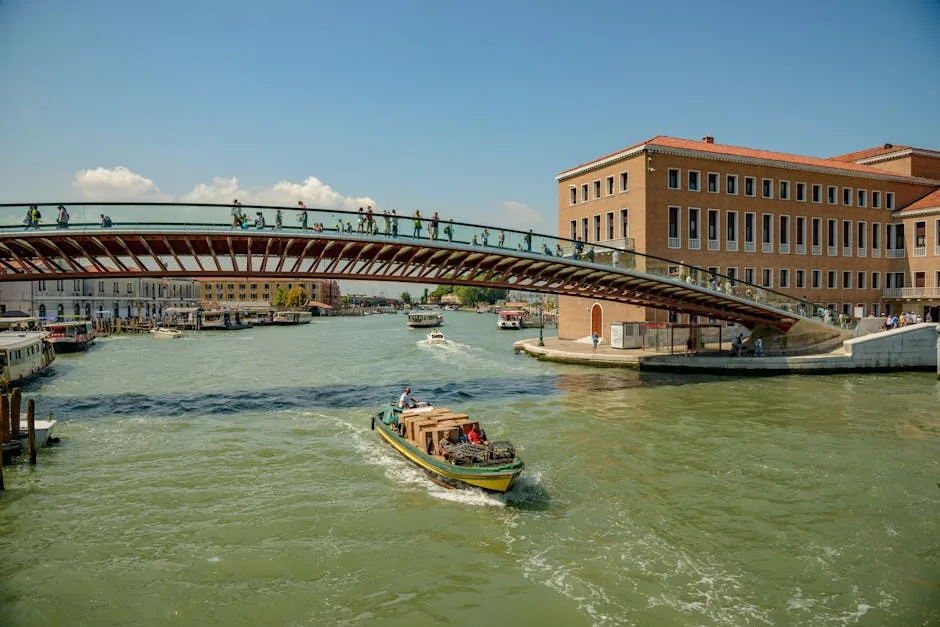
Local tips: Piazzale Roma is a convenient starting point if you arrive by car or bus. Be mindful of rush-hour crowds (8:00–10:00 and 17:00–19:00). If you want a low angle near the water, watch the tide and slippery spots; wear grippy shoes and protect your gear from splashes.
Ponte dei Tre Archi and other picture-perfect bridges — Cannaregio and forgotten alleys
The Ponte dei Tre Archi, in the Cannaregio district, is a perfect example of a lesser-known but highly photogenic Venetian bridge. Address: Ponte dei Tre Archi, Cannaregio, 30121 Venezia VE, Italy. This stone bridge with three arches spans a quiet rio and suits more intimate compositions than the city center.
Hours and price: free access. Photographers seeking tranquility should head to Cannaregio early in the morning to capture local life (markets, shops) without tourist crowds. Also explore bridges like the Ponte delle Guglie (Cannaregio) and the small footbridges near the Ghetto di Venezia for evocative scenes and interesting light-and-shadow patterns on the water.
Photo tips: the Ponte dei Tre Archi is great for layered compositions: water in the foreground, the bridge as the main subject, and façades in the background. Use a 24–70mm for flexibility. Ideal times are dawn and the blue hour — soft light reveals stone textures and reflections without harsh contrast. Also explore nearby alleys and small squares (campi) for shopfront portraits, window-display shots and market scenes lit by natural filtered light.
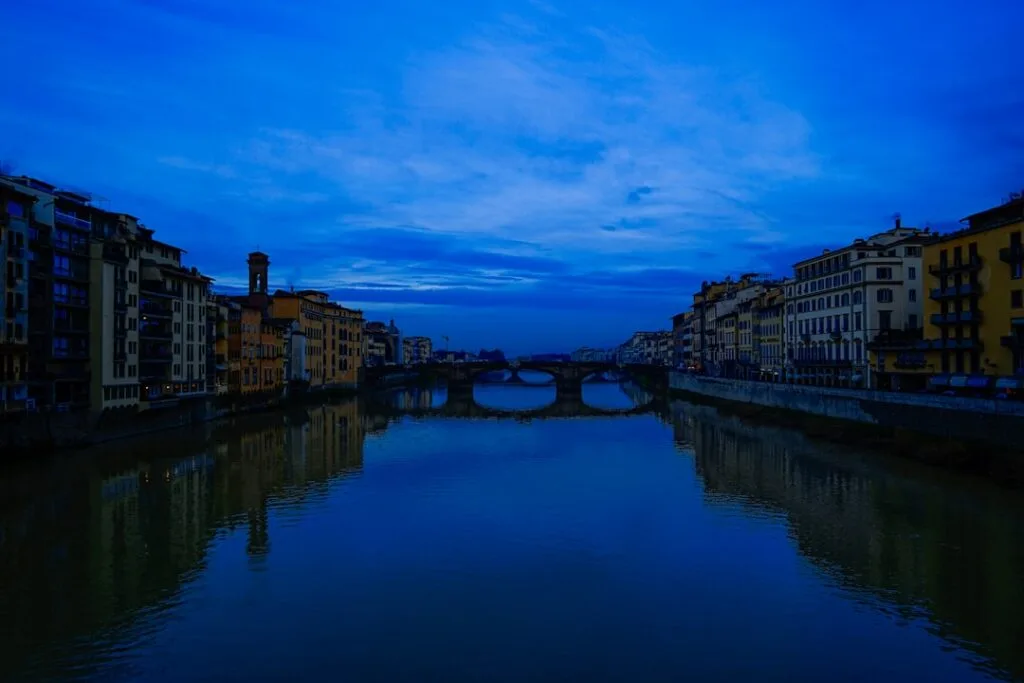
Local tips: Cannaregio has authentic osterie and fewer tourists — a great spot for a break after shooting. Try some cicchetti (Venetian tapas) and a glass of prosecco in a local bar: prices around €3–8 depending on the portion. And respect residents: avoid long photoshoots in narrow passages that block the way.
Conclusion
Shooting Venice’s bridges is like traveling through the history of a city bound to water, where every arch tells an era and every parapet frames a scene. This guide covered emblematic spots — Ponte di Rialto, Ponte dei Sospiri, Ponte dell’Accademia, Ponte della Costituzione, Ponte degli Scalzi, and Ponte dei Tre Archi — with exact addresses, indicative hours, prices and both technical and local advice. These details are meant to help you plan successful photo sessions: arrive early, pick the right lenses, use long exposures to smooth water, and always try to include human elements to bring your images to life.
Remember that Venice is fragile: follow local rules, avoid blocking footbridges with large equipment during peak times, and protect your gear from splashes and humidity. Season and weather heavily influence the photographic mood — morning mist in winter, golden hour in summer, or dramatic skies on windy days can turn an ordinary bridge into an extraordinary scene.
Finally, give yourself the freedom to wander: some of the best frames lie off the beaten path, on small bridges and canals where everyday life still offers authentic moments to the photographer. Keep these addresses and tips handy, but let your curiosity lead. Venice often reveals itself to those who take the time to stroll, sit by a rio and wait quietly for light and boats to compose the perfect image for you.