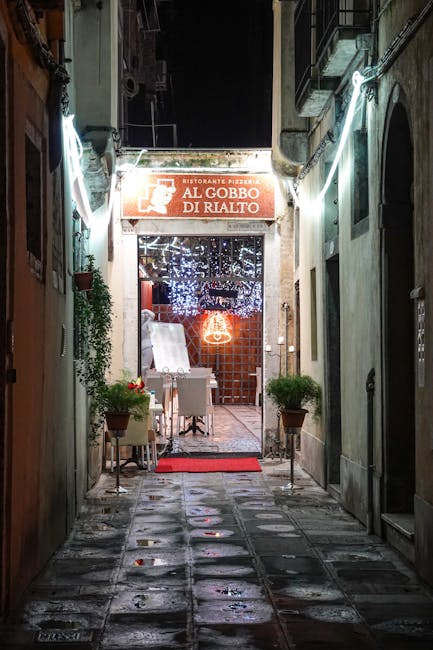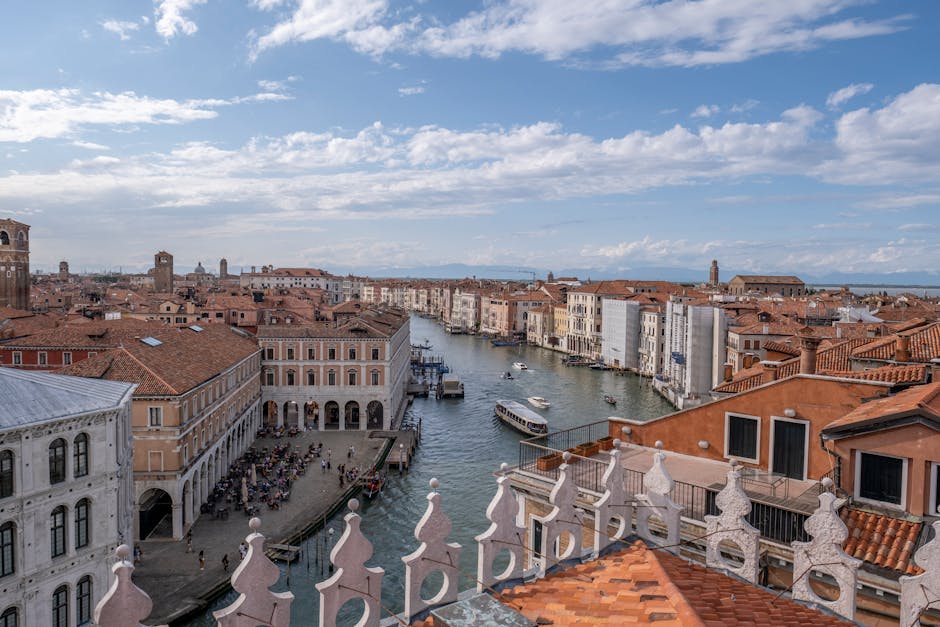






Introduction: Cicchetti in Venice, a way of life to savor
Venice isn’t just gondolas, crowded squares, or palaces on the Grand Canal: it’s also a city of little pauses, lively counters and simple bites served at the bar called “cicchetti.” These small plates — local antipasti, fried snacks, tramezzini, polpette, baccalà mantecato on toasted bread — tell the popular story of La Serenissima. Originally, cicchetti were meant to accompany a quick glass of wine between tasks: a convivial, informal and economical way of eating that has survived, almost unchanged, in the bacari (Venetian wine bars) and small osterie around the city.
This guide is for anyone who wants to truly understand and taste cicchetti: curious tourists, foodies, travelers short on time, or lovers of authenticity. You’ll find specific addresses, exact locations, price ranges in euros, typical opening hours and sensory descriptions of places and dishes. The aim isn’t to be exhaustive — the city is full of options — but to give a selection of emblematic, representative spots with practical tips to enjoy them like a local.
Visiting Venice without doing a bacari crawl is a bit like visiting Paris without tasting a baguette: you miss the essence. Cicchetti are eaten standing at the counter or on small tables, often in a noisy, warm atmosphere, among neighbors and shopkeepers. Prices are part of the charm: many cicchetti cost between €1 and €5, and a glass of wine — the famous “ombra” — is usually €1.50–€4. As you walk around, you’ll spot trays overflowing with small bites on wooden counters, next to old bottles and hanging hams. Simplicity reigns, but quality can reach great heights when ingredients are fresh and well prepared.
This guide not only recommends addresses — Cantina Do Mori, Osteria Alla Vedova, Al Mercà, Osteria Al Squero, and others — but also provides practical details: exact addresses, typical hours, indicative prices, and suggestions of cicchetti to try at each place. You’ll also find local tips to avoid tourist traps, the ideal order for a cicchetti tour, and how to pair your bites with Venetian wines like Prosecco, Soave or local wine served by the glass.
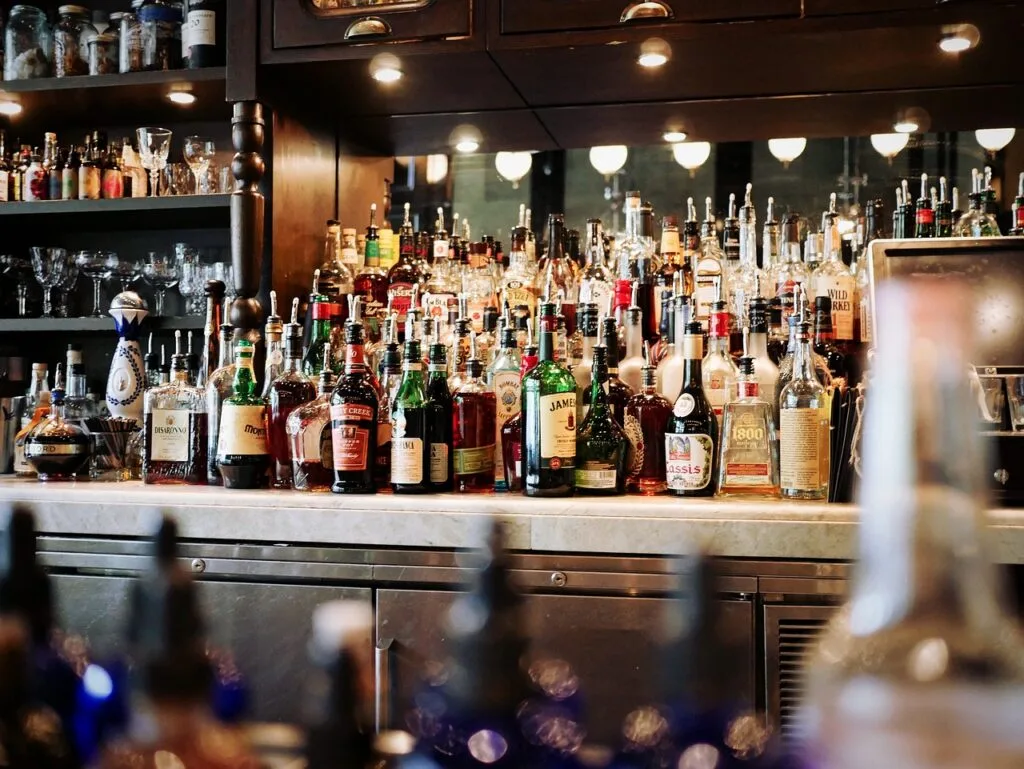
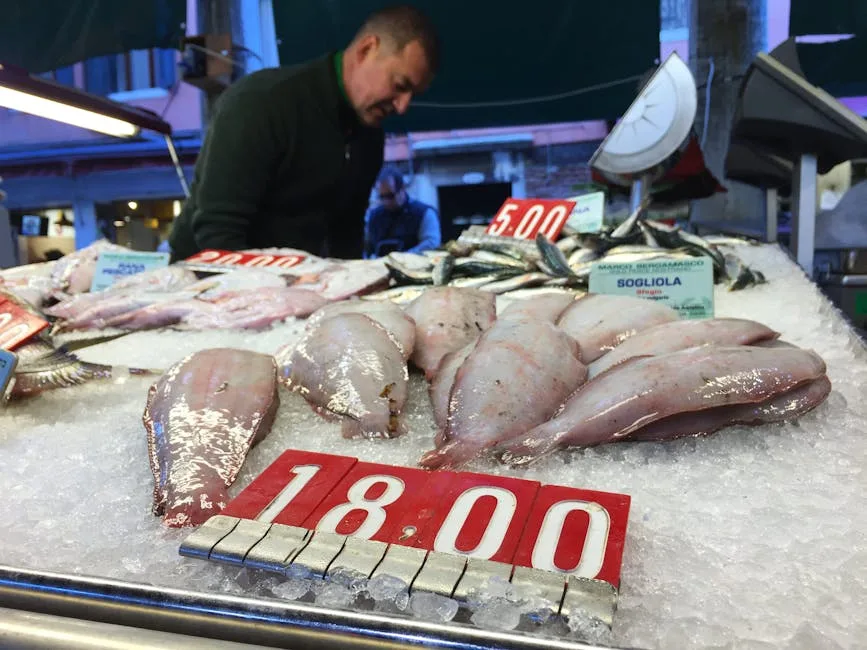

1. Cantina Do Mori — History, classic cicchetti and practical tips
Founded in the 16th century, the Cantina Do Mori is often cited as one of Venice’s oldest wine bars. Located in the heart of San Polo, it offers an authentic experience: a deeply worn wooden counter, bottles lined up, standing customers clinking glasses and simple but tasty small plates. Exact address: Cantina Do Mori, Calle dei Do Mori, 429, 30125 Venezia VE. Typical hours: Monday to Saturday 10:00–18:30, closed on Sundays (hours may change during high season). Indicative prices: cicchetti €1–€3, glass of wine (ombra) €1–€3, larger plates €6–€12.
Cicchetti to try here: baccalà mantecato on toasted bread (creamy, lightly brightened with olive oil), small marinated sardines (“sarde in saor”) with a sweet-and-sour flavor, and tramezzini with tuna or ham. Simplicity is key: fresh ingredients, controlled cooking and quick service. The place is popular with locals and fishermen: expect a lively counter and sometimes the need to share space. Prefer a visit late morning or just after lunch to avoid heavy tourist crowds.
Local tips: order several small cicchetti rather than a main dish to sample the Venetian palette. Ask for “una ombra di vin” if you want a typical, inexpensive glass of wine. If you’re in a group, get a mixed board and share: it’s the most social and economical way to explore flavors. Leave a small tip if service is particularly quick or attentive.
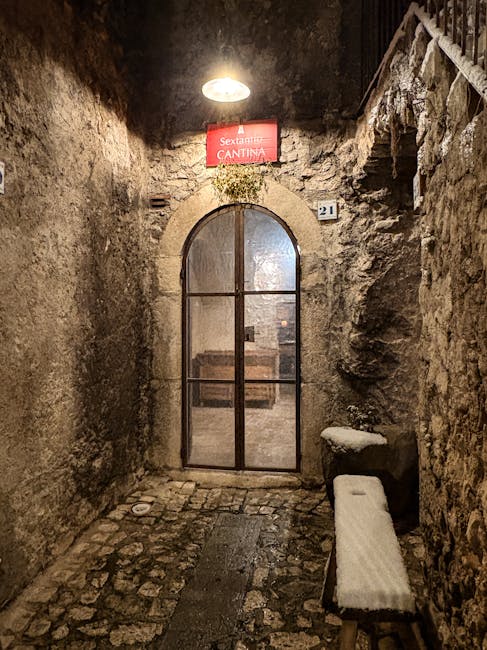
2. Osteria Alla Vedova & All’Arco — Two classics for traditional cicchetti
The osterie Alla Vedova and All’Arco offer two complementary experiences of cicchetti culture. They embody the popular, rustic side of Venetian bacari, each with its own character.
Osteria Alla Vedova — Address: Osteria Alla Vedova, Calle della Madonna, 594, 30125 Venezia VE. Hours: open daily 11:00–15:00 and 18:00–23:00 (may close in the late afternoon depending on the season). Prices: cicchetti €2–€6, fish dishes €10–€18, glass of wine €2–€4. Osteria Alla Vedova is known for its friendly atmosphere and seafood dishes. Must-tries: baccalà mantecato creamy, small meat polpette and fried calamari. The interior is rustic, with old photos, tightly spaced tables and fast service — perfect for a lively lunch.
Osteria All’Arco — Address: Osteria All’Arco, Calle degli All’Arco, 624, 30125 Venezia VE. Hours: Tuesday to Sunday 10:00–20:00; closed Monday. Prices: cicchetti €1–€4, glass of wine €1.50–€3.50. All’Arco is often praised for its meat cicchetti and skewers, as well as pork specialties and grilled sausages. The place is small and very busy, emphasizing counter service. People come for speed, quality and authenticity.
Practical tips: if you visit in a group, go to Alla Vedova for a more relaxed experience and to All’Arco for a quick, typical standing-bar stop. Try pairings: a dry white (Soave or Pinot Grigio) with seafood; a light red with polpette or cured meats. Be ready to eat standing up and share space with locals. One crucial tip: always ask the staff what the cicchetti of the day are — fresh produce often dictates the menu.
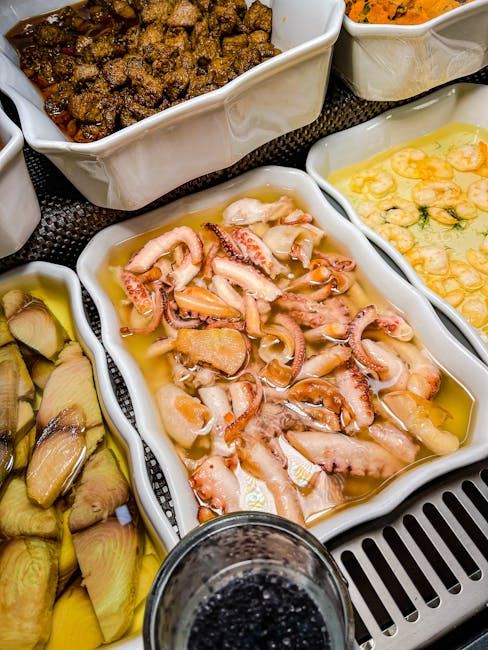
3. Al Mercà, Osteria Al Squero and contemporary spots: the new wave of cicchetti
In recent years, Venice has seen bacari and osterie reinvent cicchetti with high-quality local ingredients and modern touches. Two must-visit places: Al Mercà and Osteria Al Squero.
Al Mercà — Address: Al Mercà (Campo San Giacometto near Rialto Market), Campo San Giacometto, 30125 Venezia VE. Opening hours: open Tuesday to Sunday 09:00–17:00; closed Monday. Prices: cicchetti €2–€6, sandwiches and small plates €4–€10, coffee €1–€2. Al Mercà sits in a prime spot next to the Rialto market, meaning fantastic supply of fish and seasonal produce. Expect creative cicchetti: seafood crostini, small octopus salads, and freshly made panini to order.
Osteria Al Squero — Address: Osteria Al Squero, Dorsoduro 943, 30123 Venezia VE (near the Squero San Trovaso). Hours: open daily 11:00–23:00 (times may vary by season). Prices: cicchetti €2–€7, shared plates €12–€20, glass of wine €2–€5. Located in the artistic Dorsoduro neighborhood, Al Squero draws a mixed crowd: students, artists and locals. The cicchetti are carefully made, sometimes reworked with contemporary influences: mini-tartares, grilled vegetables with Venetian olive oil, and market-driven creations.
Why explore these contemporary spots? They offer a fresh look at the cicchetto tradition: respect for the product, careful presentation, and thoughtful wine-cicchetti pairings. If you’re a wine lover, ask for recommendations: these places often offer a selection of local and natural wines by the glass. For a smart route: start at the Rialto market (Al Mercà) in the morning, then head to Dorsoduro for a late-afternoon stop at Al Squero, before ending the evening at a traditional bacaro.
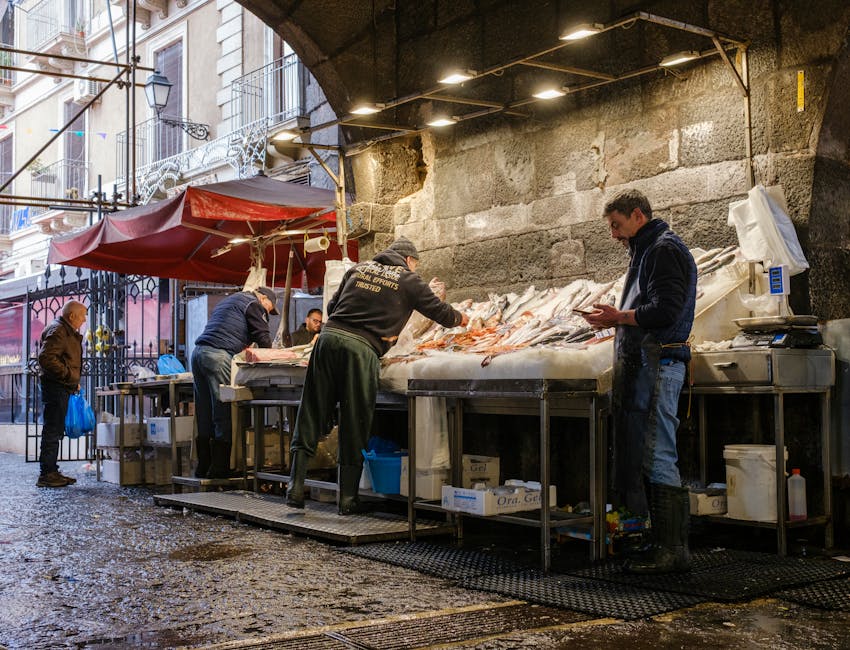
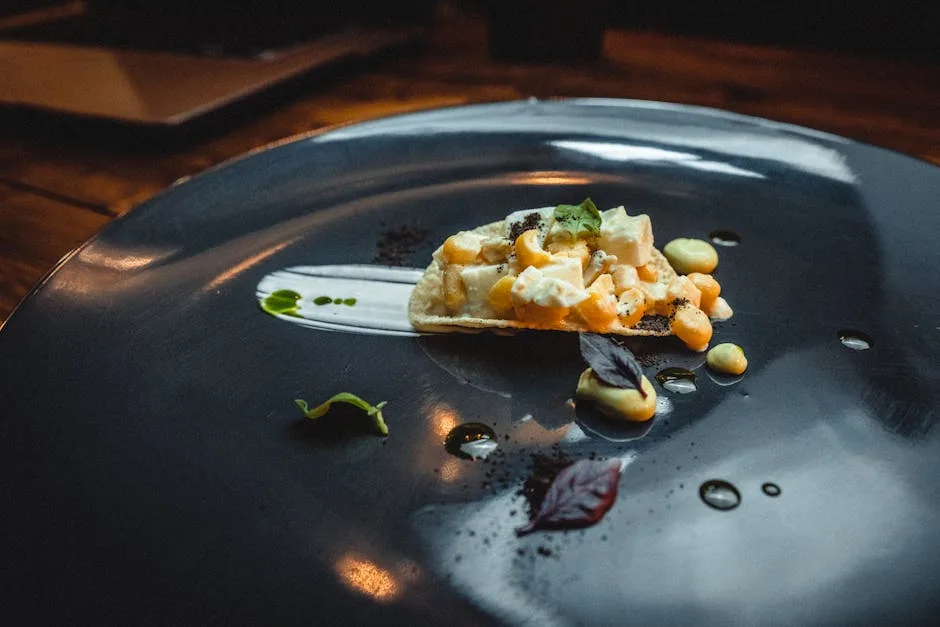
Choosing a cicchetti route
Want to experience Venice from the bar counter and taste the variety of cicchetti without getting lost in the alleys? These suggestions, from a budget tour to a nighttime stroll, cover complementary angles to discover bacari methodically and deliciously.
1. Short and accessible food tour
Short route (2.5 h) focused on the Rialto market and nearby bacari: ideal if you want a quick, curated overview of cicchetti without scattering. Lots of tastings, brisk pace.
- ⏱️ Duration: 2.5 hours
- 🚩 Start: Campo San Bartolomio
- 📍 Route: Rialto → Campo San Polo
- 🗣️ Languages: English
 Book the budget option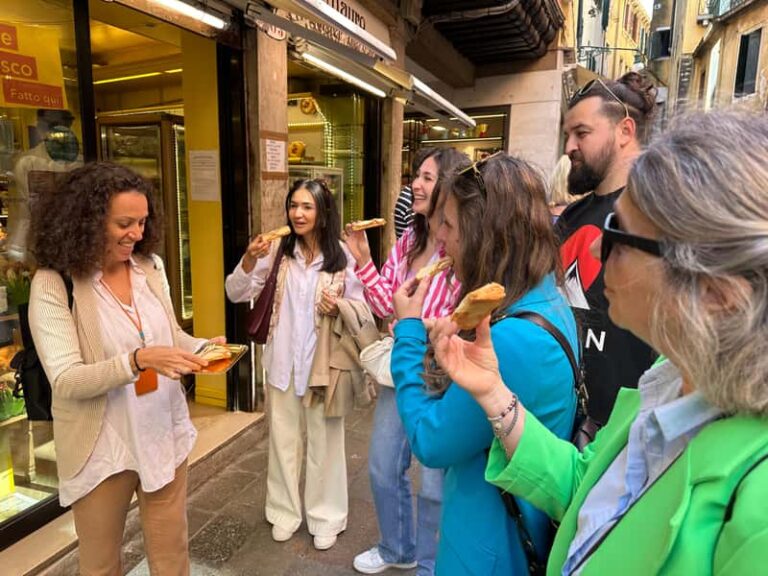
2. Cicchetti and wine: classic immersion
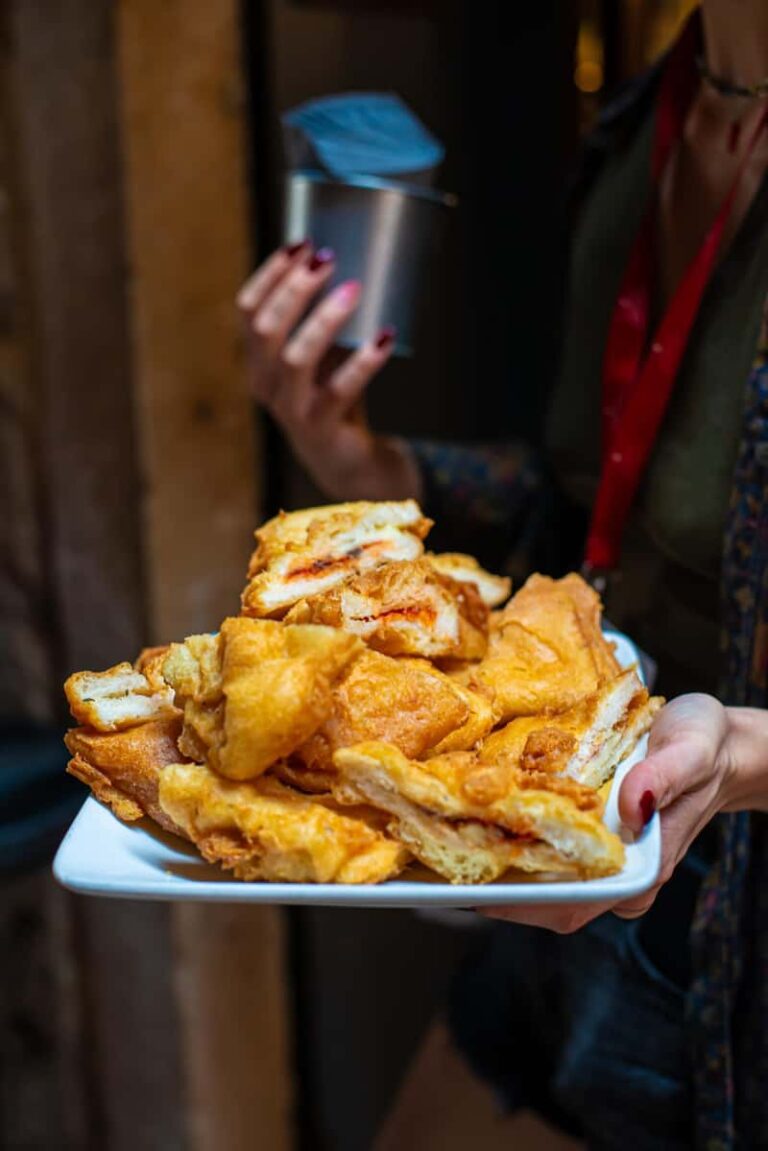
3-hour walk focused on cicchetti-wine pairings, visiting three neighborhoods with guided tastings. A good balance of historical context and culinary pleasure.
- ⏱️ Duration: 3 hours
- 🚩 Start: Campo San Giacomo di Rialto
- 🍷 Food: Tastings + a glass of wine at each stop
- 🗣️ Languages: English
3. Sunset evening tour
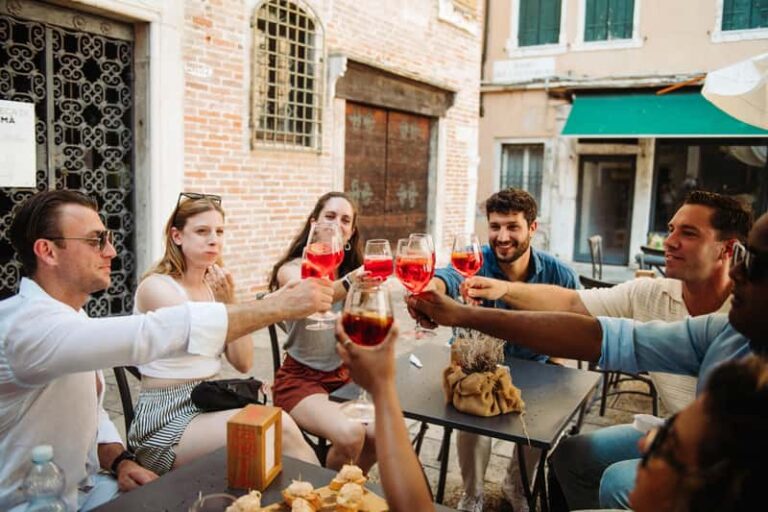
A more intimate, indulgent version (7 tastings) in the hidden bacari of San Polo and Dorsoduro, perfect for those seeking spots away from tourist flows.
- ⏱️ Duration: 3 hours
- 📍 Route: San Polo → Dorsoduro
- 🥂 Included: 7 tastings + 4 drinks
- 🗣️ Languages: English
4. Routes, wine-cicchetti pairings and tips for a successful tour
Doing a cicchetti tour in Venice is planned like a small gastronomic expedition: think about opening hours, routing to avoid tourist crowds, and balancing fried dishes, fish and lighter plates. Here are some routes and practical tips, with wine-cicchetti pairings tested locally.
Classic route “Rialto & San Polo” (morning / lunch): Start at Cantina Do Mori (Calle dei Do Mori, 429) for a first bite and a coffee or an ombra. Then stroll through the Rialto market and stop at Al Mercà (Campo San Giacometto) for ultra-fresh seafood. Finish at All’Arco for meaty cicchetti or skewers. Tip: the market is liveliest early in the morning (7:00–10:00), and nearby bacari still serve fresh food throughout the morning.
« Dorsoduro & Fondamenta » route (afternoon / early evening): Explore the art galleries, then pause at Osteria Al Squero (Dorsoduro 943) for creative cicchetti. Continue along the quieter fondamenta for less touristy wine bars and views of the squero (gondola workshops). Perfect for an aperitivo at sunset.
Wine-and-cicchetti pairings:
- Prosecco or Soave with seafood and fried bites: bubbles and acidity cleanse the palate.
- Pinot Grigio or Sauvignon blanc with baccalà mantecato: freshness and lightness.
- Local Merlot or light Valpolicella with polpette and cold cuts.
- Orange or natural wines for spicier, more creative cicchetti.
Practical tips: favor small portions so you can taste more places. Check closing times (many close between 15:00 and 18:00), bring a small bag for market purchases and avoid very touristy areas late at night if you want authenticity. Finally, respect the locals: stand at the counter when required, clear your space and say a few words in Italian (« grazie », « una ombra, per favore ») — a smile and the effort go a long way.
Conclusion: Learn Venice through its food — final tips and respect for traditions
Cicchetti are more than a snack: they’re a doorway into everyday Venetian life, a social moment and an affordable, delicious way to explore local cuisine. From historic bacari like Cantina Do Mori, to popular osterie such as Alla Vedova and All’Arco, and newer creative spots like Al Mercà or Osteria Al Squero, each stop reveals a different side of the city.
To make the most of your experience: plan your route around opening hours (many bacari close in the afternoon), favor seasonal, local produce, vary your wine-and-cicchetti pairings and, above all, take time to observe and interact. Venetians love sharing a simple moment over a drink; their hospitality is often won by curiosity and respect for local customs. Don’t be afraid to try cicchetti outside your comfort zone: baccalà, Venetian-style foie gras, octopus, or small eel-based preparations.
Finally, remember that Venice is fragile: respect the environment by avoiding unnecessary packaging, put your waste in the proper bins and enjoy yourself without leaving a trace. The best way to honor the cicchetti tradition is to preserve it: buy local, respect the artisans and support the small osterie that keep Venetian popular cuisine alive.
Buon appetito — and as Venetians say, « buon appetito » — and enjoy discovering cicchetti in Venice. May your crawl start with a small glass of ombra and end with an unforgettable taste memory of the Serenissima.