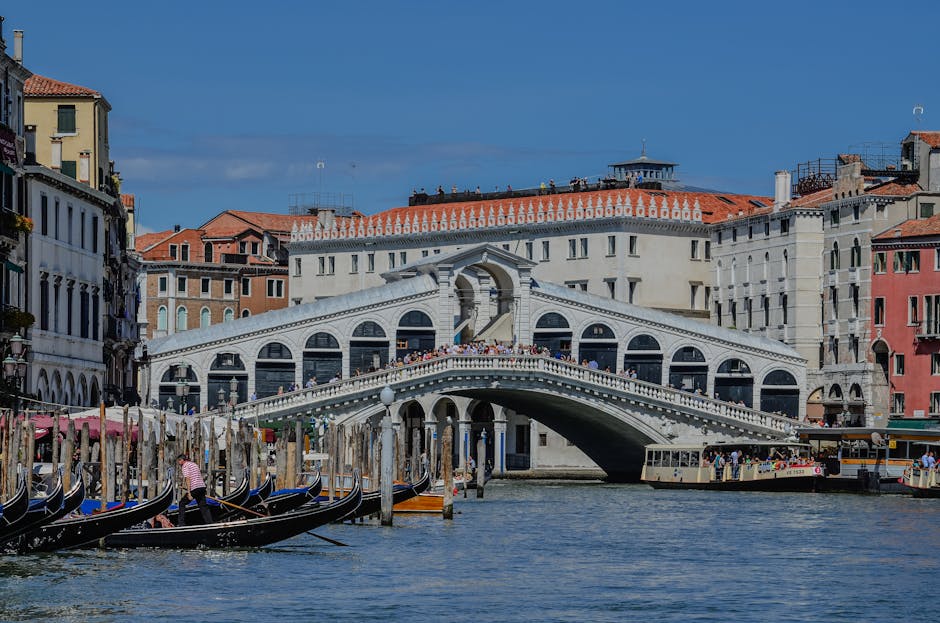






Introduction: Gondola Rides in Venice — Why You Shouldn’t Miss It
The gondola in Venice isn’t just a way to get around — it’s a living symbol of the city’s history, craftsmanship and romance. Gliding through narrow canals past Renaissance palaces, arched bridges and colorful facades feels like entering a place where water replaces streets. Whether you’re on honeymoon, a cultural getaway or simply ticking off an iconic experience, a gondola ride offers a unique perspective on sights like the St. Mark’s Basilica, the Doge’s Palace and the Rialto Bridge, while revealing water-lanes only the gondoliers truly know.
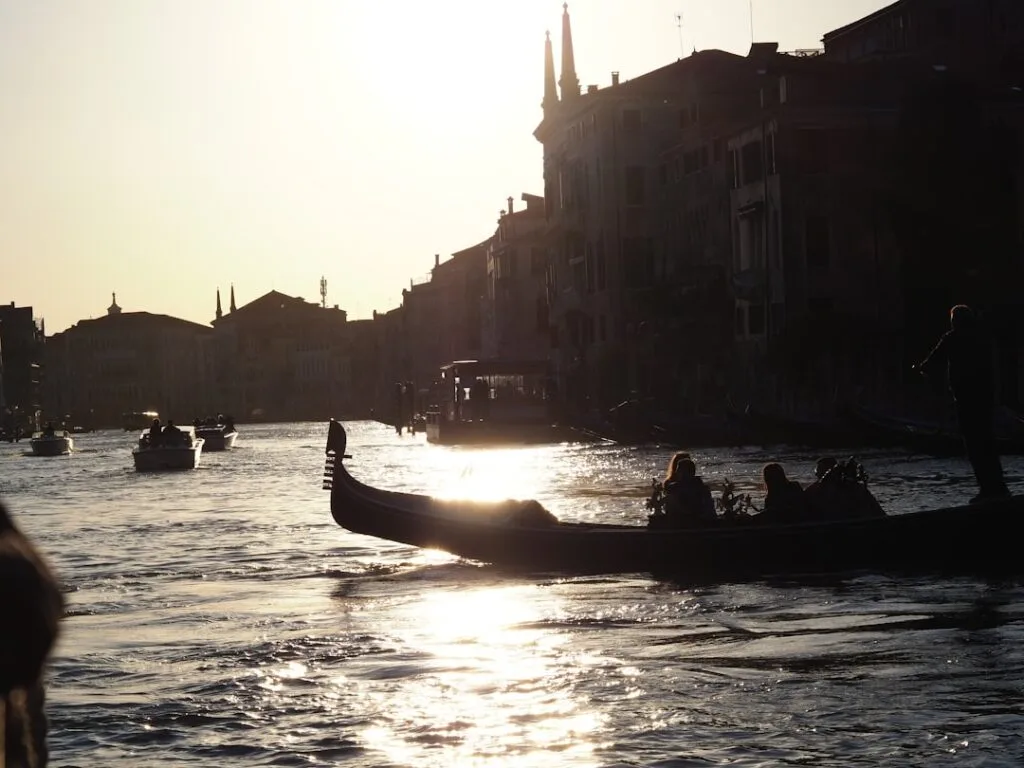
Beyond the romantic image, the gondola stands for a traditional craft: the gondolier. Often trained and coming from families where the trade is passed down, the gondolier is pilot, storyteller and sometimes singer. Conversations with a gondolier can illuminate the city’s complex layout, local legends, palace names and stories of Venice’s great families. The slow drift of the gondola and the gentle lapping of water create an intimate soundtrack, a world apart from the buzz of the main squares.
To get the most from the experience, you’ll want to know a few rules and tips: where to board, which routes work best at certain times, how to negotiate a fare, and what alternatives exist (traghetto, vaporetto, or private themed tours). The difference between a short crossing and a private 30–60 minute tour can be huge in cost and atmosphere. Public gondola crossings, the “traghetti”, offer a cheap way across the Grand Canal but without a guide; private rides let you reach side canals and customize the route.
This complete guide gives you practical information (exact addresses, prices in euros, opening hours), suggested routes, booking tips for an authentic experience, and historical context. It will help you avoid tourist traps, recognize official offers and appreciate a gondola ride with all your senses: views, sounds, scents and the textures of Venice. Be ready to note precise meeting points, book when needed and, above all, look up at the arcades, coats of arms and carved mascarons that tell the story of a unique maritime republic.
Why Choose a Gondola? History, Symbolism and Alternatives
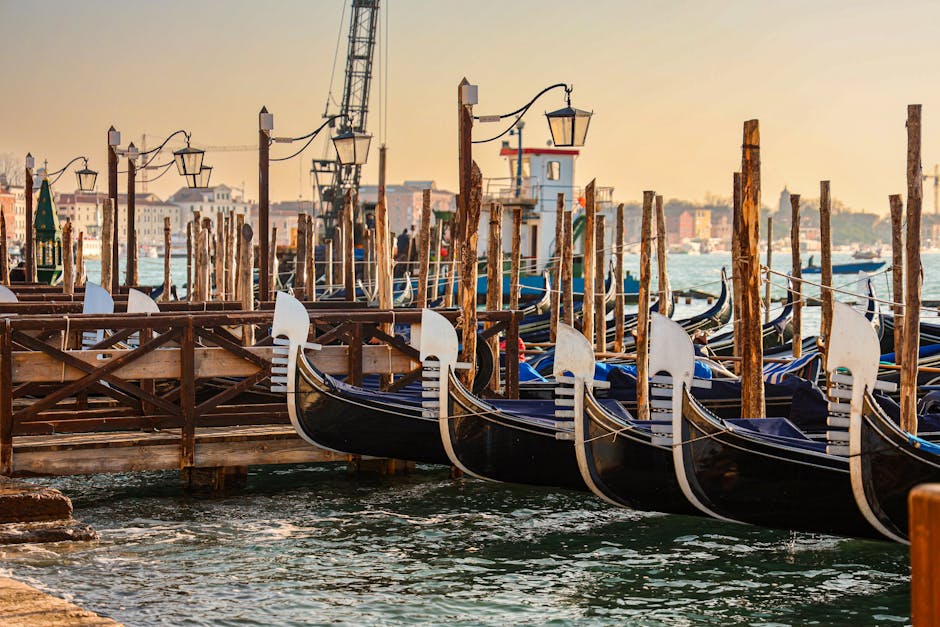
The gondola is both a historical object and a cultural icon: its asymmetric design, the metal ferro at the bow, the traditional black paint and the expertise of Venetian workshops make it instantly recognizable. Originally used for all kinds of canal transport, the modern gondola became mainly a tourist attraction in the 20th century. Yet it remains a symbol of craftsmanship — building a gondola takes about six months and the skill of several specialist artisans.
Choosing a gondola means opting for a singular sensory experience. You’ll hear water whispering against wood, the steady push of the oar and, if you’re lucky, the voice of a tenor. Palace facades—even lesser-known ones like the Palazzo Cavalli-Franchetti (Santa Croce 1731, 30135 Venezia VE) or the Palazzo Barbaro (Calle Tiepolo, 851, 30124 Venezia VE)—take on a different presence from the water: stucco details, flowered balconies and Byzantine friezes reveal themselves when approached sideways.
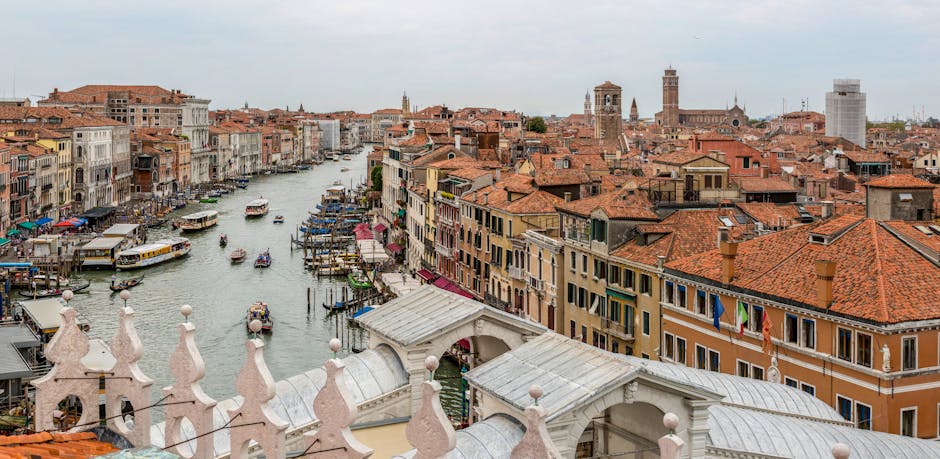
Alternatives to the gondola: budget travelers can use the traghetto (a canal crossing) to cross the Grand Canal for about €2 per person. Main boarding points include Riva del Carbon (Sestiere San Marco, 30124 Venezia VE) and Riva del Vin (San Marco), though departures and destinations vary. The vaporetto (water-bus) is the most practical way to travel the Grand Canal for longer distances: lines 1 and 2 serve stops like Ferrovia (Piazzale Roma, 30135 Venezia VE) and Rialto (Riva del Ferro, 30125 Venezia VE) with tickets from about €1.50 for a short hop or €7.50 for 75 minutes (prices indicative).
There are also themed gondola rides: sunset cruises, live music, professional photo sessions, and private night tours. These options increase intimacy and the overall experience but add to the cost (see the pricing and booking tips below). Choosing a gondola means embracing the luxury of slowness and seeing Venice in a way few visitors do.
Planning Your Ride: Reservations, Official Prices and Hours
Booking a gondola in advance can spare unpleasant surprises, especially during high season (May–September) and special events like the Biennale or Carnival. spots near St. Mark’s Square (Piazza San Marco, 30124 Venezia VE) and the Rialto leave quickly. Here are the main boarding points and their addresses:
- Riva degli Schiavoni (near the basilica) — Riva degli Schiavoni, 30122 Venezia VE. A popular choice for romantic rides with views toward San Giorgio island.
- Sestiere San Marco, Campo San Moisè — close to the Hotel Danieli and the Piazzetta: Campo San Moisè, 30124 Venezia VE.
- Piazza San Marco (near Piazzetta dei Leoni) — a very touristy dock with direct access to St. Mark’s Square: Piazza San Marco, 30124 Venezia VE.
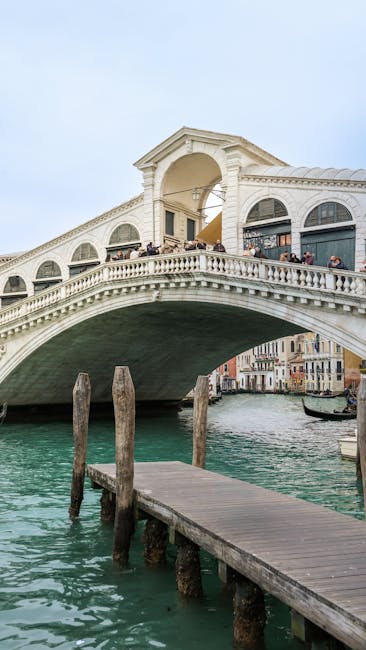
- Ponte di Rialto (Riva del Ferro) — great for departures along the Grand Canal: Riva del Ferro, 30125 Venezia VE.
Indicative official prices (in euros):
- Standard private ride (around 30 minutes): ~ €80 daytime (official 2024 rate), up to 6 people. After 7pm or for extended routes (45–60 minutes): ~ €100 or more.
- Musical ride (with singer): often €120–€200, depending on duration and artist.
- Traghetto (Grand Canal crossing): ~ €2 per person.
- Vaporetto: single ticket ~ €1.50 to €7.50 depending on duration and zones (indicative fares).
Hours: Gondoliers generally operate from about 08:00 to 22:00, with quieter windows early morning and late evening. Nearby attractions that affect crowd levels follow typical opening times:
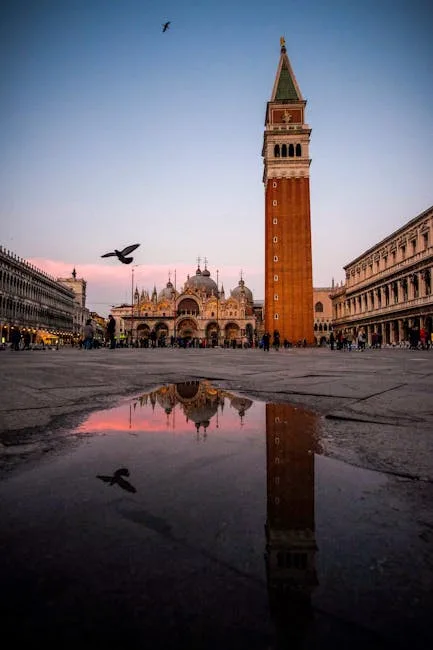
- St. Mark’s Basilica (Basilica di San Marco) — Piazza San Marco, 328, 30124 Venezia VE. Typical hours: 09:30–17:00 (closed during certain services and holidays); the basilica itself is free to enter but some areas are paid (museum, terrace): €5–€8.
- Doge’s Palace (Palazzo Ducale) — Piazza San Marco, 1, 30124 Venezia VE. Hours: 08:30–19:00 in high season; combined museum ticket approx. €25 (including Museo Correr).
- Rialto Bridge — Sestiere San Polo, 30125 Venezia VE. Accessible 24/7; shops nearby generally open 10:00–19:00.
Booking tips: favor operators affiliated with the Gondoliers’ Association (Consorzio) or book through your hotel (many palaces like Hotel Danieli near Riva degli Schiavoni arrange rides directly). Always ask for the total price per gondola, the exact duration and the meeting point. Be wary of on-the-spot “deals” without clearly posted terms — bargain politely but firmly and request a receipt if possible.
Recommended Routes and Sights from the Gondola
The magic of a gondola ride often depends on the route. Here are classic itineraries, with visual landmarks and addresses to help you plan.
1) St. Mark – Grand Canal – Rialto (classic, 30 minutes): Board near Riva degli Schiavoni (Riva degli Schiavoni, 30122 Venezia VE) heading toward the Grand Canal. You’ll pass the Palazzo Cornaro (Calle Ca’ Foscari, 30121 Venezia VE), see the Doge’s Palace (Piazza San Marco, 1, 30124 Venezia VE) and go under the Ponte degli Scalzi before reaching the Rialto Bridge. This route mixes Grand Canal panoramas with close-up views of aristocratic facades.
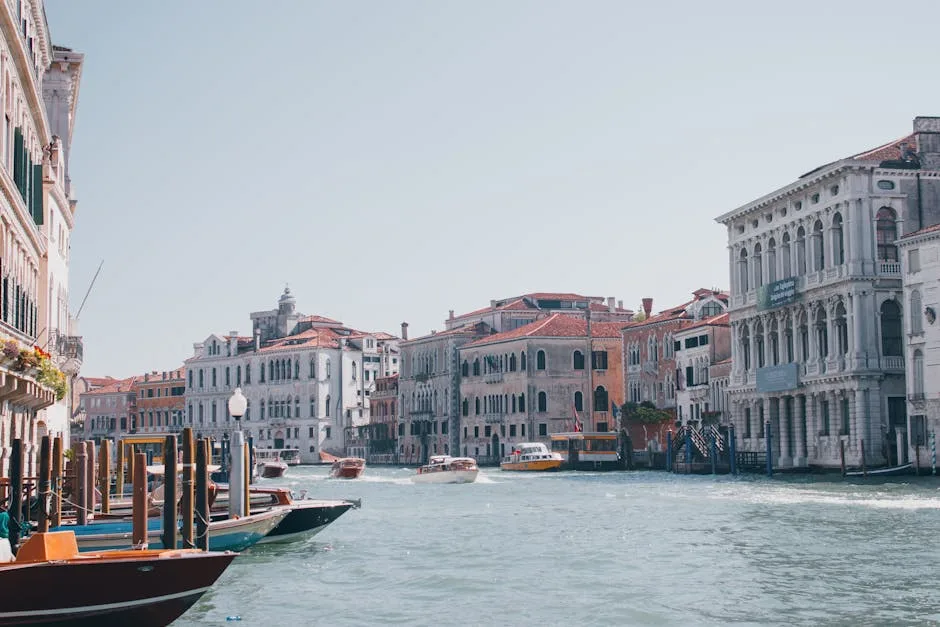
2) Side Canals (romantic, 30–45 minutes): Board from Piazza San Marco or Campo Santa Maria del Giglio. Here you slip into narrow canals like the Rio dei Mendicanti (Sestiere Castello) and pass less-touristy palaces such as Palazzo Grimani (Campo San Salvador, 30124 Venezia VE). These waterways offer gorgeous reflections, charming bridges and highly intimate views.
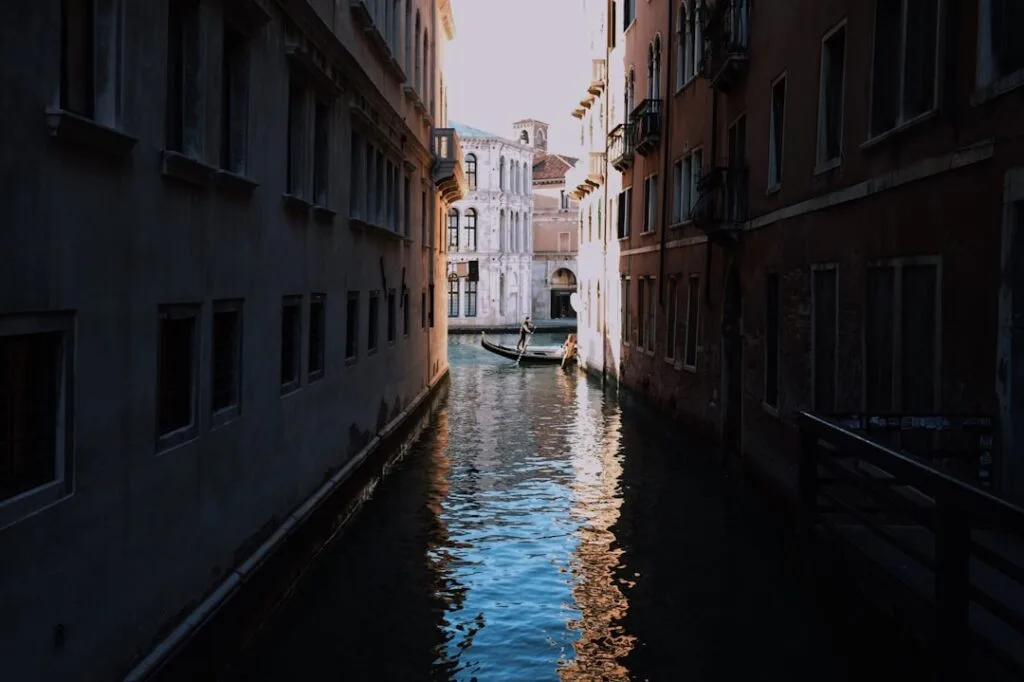
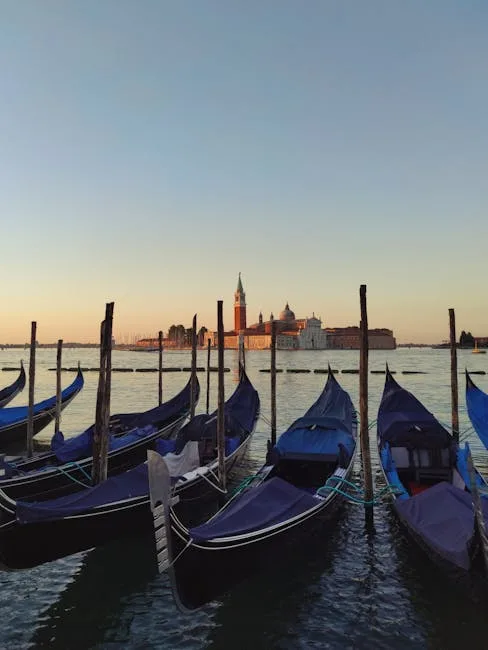
3) Sunset around San Giorgio Maggiore (45–60 minutes): Board near Riva degli Schiavoni and head toward the island of San Giorgio Maggiore (Isola di San Giorgio Maggiore). The church of San Giorgio Maggiore (Piazza San Marco, Isola di San Giorgio Maggiore, 30133 Venezia VE), designed by Andrea Palladio, makes a sublime silhouette at sunset. This route is perfect for photos and golden-hour panoramas.
4) Historic and Secret Route (guided, 60 minutes): Some gondoliers offer narrated tours including anecdotes about the Scuola Grande di San Rocco (Calle San Pantalon, 3052, 30125 Venezia VE), Marco Polo’s house (Casa di Marco Polo, Calle dei Rizzi, 3000) and old dogal residences. Ask your gondolier to steer you past hidden balconies or loggias where modern life gives way to traces of the past.
For each route, request a rough map at boarding and confirm the duration. Grand Canal routes are usually busier and pricier; side canals offer greater privacy but require an experienced gondolier to negotiate tight turns.
On Board: Rituals, Handling, Musicians and Etiquette
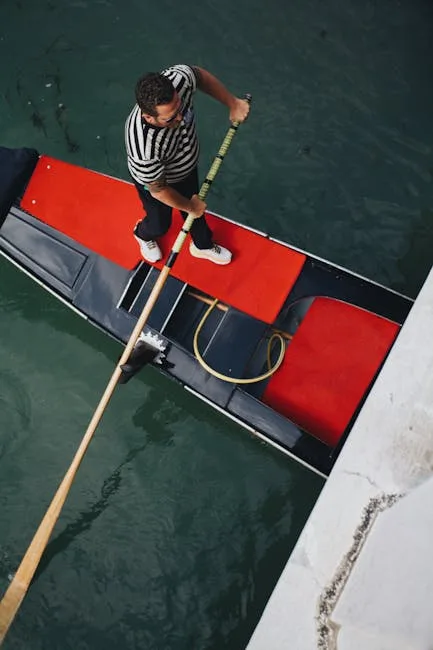
Getting into a gondola is ritualized: you step in at an angle, steadying yourself with a hand on the gunwale. The main seat is often in the center or slightly aft for balance and the best view. The gondolier, in traditional attire (striped shirt, dark trousers, sometimes a hat), stands at the stern and rows with a single oar — a motion that looks graceful but demands strength and balance.
Etiquette: don’t lean out excessively, keep bags or umbrellas off the edges, and ask before taking close-up photos of the gondolier or any private performance. If your gondola is shared, keep noise to a minimum; if you’ve hired a private gondola, you can usually ask the gondolier to linger in a canal or stop under a bridge for photos.
Music and singing: some tours include a tenor or local musician. If you want this option expect an extra charge. The repertoire ranges from classical Italian opera to Venetian folk songs. Always confirm the price before you depart (often €50–€150 extra depending on the performance).
Handling: gondoliers are trained to steer without scraping facades. They use a long oar (forcola) and precise braces. Follow their instructions during tricky maneuvers, especially in narrow canals or when other boats pass. If you’re shooting photos, tell the gondolier your plans — they can slow down or pause in calm spots.
Local Practical Tips, Safety and Nearby Recommendations
Best times to ride: early morning (06:30–09:00) for soft light and fewer people, or late afternoon (after 18:00) for sunset. Avoid midday (12:00–15:00) in high season when harsh light and heat can make the experience less pleasant.
What to wear and bring: choose flat, non-slip shoes, a hat and sunscreen in summer. Carry a lightweight raincoat in spring or autumn — showers can come on quickly. For photos, a wide-angle lens is great for narrow canals and facades, while a short telephoto (50–85mm) captures architectural detail.
Safety and rules: navigation follows local regulations. Children must remain seated and wear restraints if the gondolier requests it. In case of incident, contact Polizia Locale di Venezia — Questura di Venezia (Piazzale Roma, 1, 30135 Venezia VE). Italian emergency number: 112.
Good nearby spots to extend your day:
- Caffè Florian — Piazza San Marco, 57, 30124 Venezia VE. Hours: 09:00–23:00. A traditional spot for a drink after your ride.
- Trattoria Al Gatto Nero — Fondamenta S. Caterina, 221, 30142 Burano, Venezia VE. Hours: 12:00–15:00 and 19:00–23:00. Local cuisine on the colorful island of Burano (if you follow up by vaporetto).
- Osteria Bancogiro — Campo San Giacometto, 122, 30125 Venezia VE (near Rialto). Hours: 12:00–15:00 and 18:30–22:30. Modern Venetian dishes with Grand Canal views.
Final tips: negotiate politely if you think a price is excessive, but respect the gondoliers’ craftsmanship — this is an honorable trade. For photographers or discerning travelers, book a professional gondola photo session (often €150–€300 depending on the photographer) for a lasting memento. Finally, respect the environment: don’t throw anything into the canals and choose eco-responsible operators when possible.
Conclusion: Savor the Gondola as an Unforgettable Venetian Moment
A gondola ride in Venice is more than a tourist cliché: it’s a slow immersion into the soul of a city built on water. From the thrill of the oar cutting through the surface to views of ancient monuments like the St. Mark’s Basilica (Piazza San Marco, 328, 30124 Venezia VE) or the Doge’s Palace (Piazza San Marco, 1, 30124 Venezia VE), each moment is steeped in history. By choosing your route—whether focused on the Grand Canal, on secret secondary canals, or on a sunset around San Giorgio Maggiore—you set the tone of the experience: grand, intimate or romantic.
To make this a happy memory, prepare: book if needed, check prices (30 minutes ≈ €80 daytime, €100 evening, traghetto ≈ €2), pick the time of day for the best light and crowds, and mind local etiquette. The main boarding points — Riva degli Schiavoni, Piazza San Marco, Ponte di Rialto — are convenient, but don’t hesitate to ask hotel staff (many work directly with gondoliers) for a smooth boarding experience.
Beyond practicalities, remember the gondola is an encounter: with an ancient craft, with the discreet beauty of Venetian palaces, and with the city itself, revealed best from the water. Whether you choose a short ride, a traghetto crossing or a private musical tour, let yourself be carried by the slow pace and notice the details—carved mascarons, wrought-iron balconies, Latin inscriptions—that tell the story of a cosmopolitan merchant republic. In doing so, the gondola stops being a mere activity and becomes a moment of contemplation, sharing and memory, authentically Venetian.