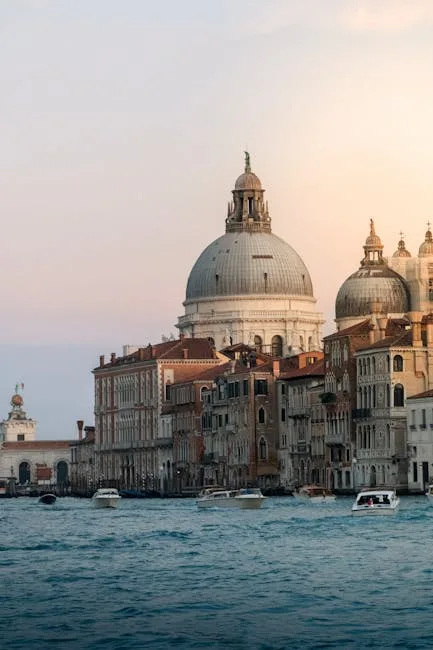






Introduction: Venice in Five Days — Promise and Scenery
Venice isn’t just a city: it’s a time machine where water, stone, and light put on a perpetual show. In five days you can enjoy a rich sampling of cultural highlights, lagoon islands, and Venetian cuisine — without rushing, leaving room for moments of quiet contemplation. This itinerary is aimed at travelers who want to mix major museums, picturesque islands like Murano, Burano and Torcello, and convivial meals in bacari (local wine bars) or classic trattorie. The goal: balance historical immersion, waterways walks, and culinary delight.
Venice is best discovered on foot and by vaporetto. Narrow alleys, old bridges and tiny squares (campi) reveal a church, a workshop, a café or a Grand Canal viewpoint at every turn. Five days allow you to visit Piazza San Marco and its emblematic monuments like the Basilica di San Marco and the Palazzo Ducale, explore the art collections at the Gallerie dell’Accademia and the Peggy Guggenheim Collection, and dedicate a full day to the lagoon islands. But most importantly, this timeframe leaves space for the small things that make Venice’s soul: a spritz at sunset by a canal, sharing cicchetti standing at a bar, or watching a master glassblower at work in Murano.
This article offers a day-by-day route with exact addresses, indicative prices in euros, opening hours, immersive descriptions and practical on-the-ground tips: best times to avoid crowds, tricks to save on combined tickets, respectful local behavior, and how to move efficiently between the islands. Prices and opening times are indicative and may vary by season — check official sites before you travel. To make the article vivid, visual markers
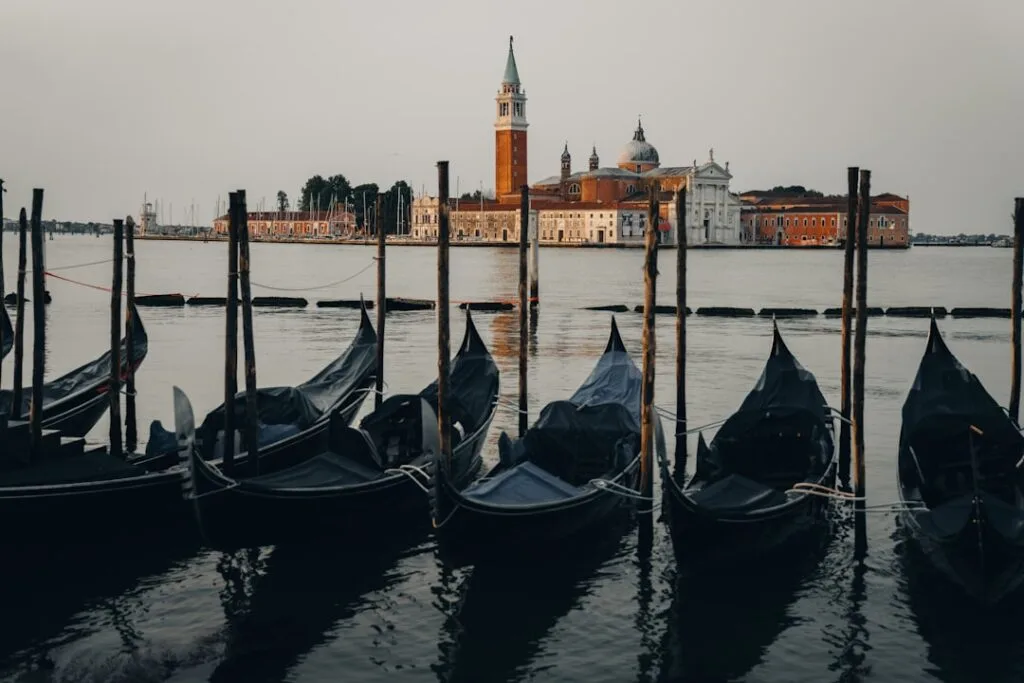
are placed where they tell the story best so you can picture the scenes and plan your own photos.
Prepare to walk: Venice is a pedestrian’s paradise. A good pair of shoes, an offline map or paper map (and vaporetto apps), and a curiosity to wander will make your stay unforgettable. We start from Piazza San Marco, the city’s tourist and historic hub, and gradually take you off the beaten path. By the end, you’ll know the best viewpoints, where to order risotto al nero di seppia, how to book a guided tour of the Palazzo Ducale, and which vaporetto to catch to Murano early in the morning. Buon viaggio — and let Venice slip into your soul.
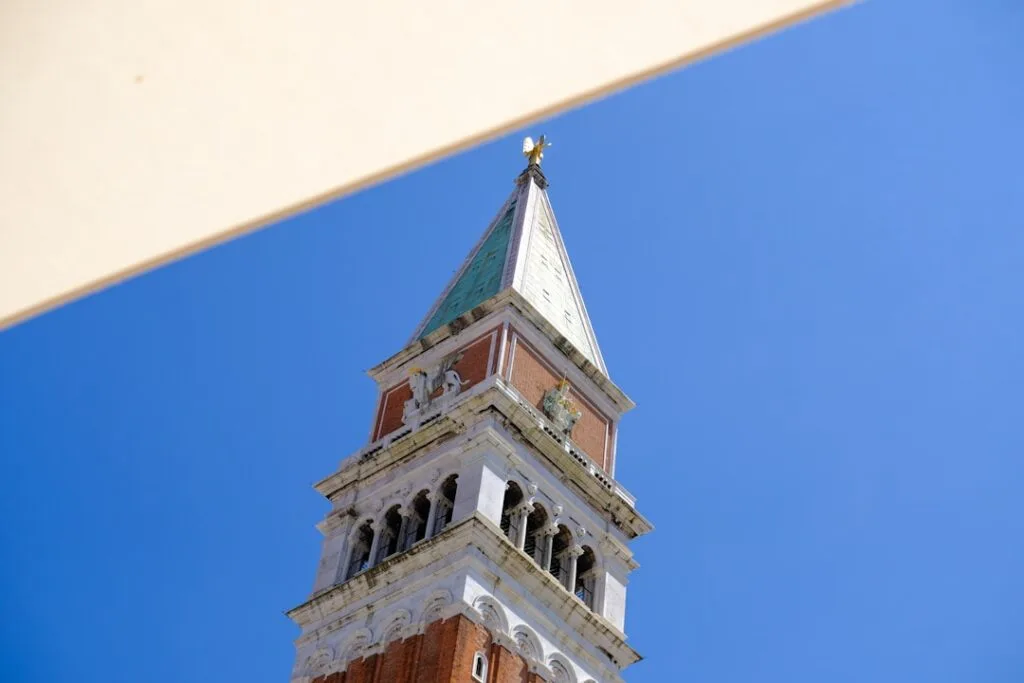
Day 1 — Piazza San Marco, St. Mark’s Basilica and the Doge’s Palace: the Historic Heart
Start your exploration at Piazza San Marco, Venice’s grand living room, lined with historic cafés and dominated by the Basilica di San Marco and the Palazzo Ducale (Doge’s Palace). The central address for the basilica is Piazza San Marco, 328, 30124 Venezia VE, Italy. The basilica is famous for its golden mosaics and blend of Byzantine and Gothic architecture; enter through the marble-decorated façade and lose yourself in the shimmering Byzantine mosaics inside.
Price: entry to St. Mark’s Basilica’s nave is free, but access to the basilica museum and the Pala d’Oro is paid (from €7–€10 for the museum, €5–€12 for the Pala d’Oro depending on combined options). Hours: typically 9:30–17:00 (varies with season and religious services). Tip: arrive early (or late afternoon) to avoid crowds; morning lines can be long, especially in high season.
The Palazzo Ducale is right next door: Piazza San Marco, 1, 30124 Venezia VE. This was the Doge’s residence — a refined Gothic palace with richly decorated rooms. Don’t miss the Prisons (Piombi) and the famous Ponte dei Sospiri (Bridge of Sighs) that links the palace to the prison.
Price: combined ticket for the Palazzo Ducale and Museo Correr (indicative) €28–€32; reduced rates for students/young people. Hours: usually 9:00–19:00 (last entry varies). Practical tip: book a timed slot online to skip the line; there are also evening guided tours that offer a special atmosphere and fewer people.
Nearby, the Museo Correr (Piazza San Marco, 52, 30124 Venezia) complements the visit with historical collections and exhibitions of Venetian art. Price: around €16 (often combined with the Palazzo Ducale). Hours: 10:00–17:00. These three sites form a perfect trio to grasp Venice’s political and religious history.
Local tips: walk under the arcades to shelter from strong sun or sudden rain — Venice has its own microclimates. Try a historic café like Caffè Florian (Piazza San Marco 57, 30124, open 9:00–1:00; seated coffee can cost over €10) for a theatrical experience, but for a cheaper espresso look for a local bar just off the piazza. Finally, watch out for pickpockets in busy squares; keep your belongings close and prefer a front-worn bag.
 Click here to book your priority access to the Doge’s Palace
Day 2 — Art and Collections: Gallerie dell’Accademia and the Peggy Guggenheim Collection
Devote day two to Venice’s modern and classical art. Start with the Gallerie dell’Accademia, the city’s prime collection of classical Venetian painting. Address: Campo della Carità, Dorsoduro 1050, 30123 Venezia VE. The museum houses masterpieces by Bellini, Titian, Veronese and Tintoretto, displayed in a former convent on the Grand Canal.
Price: indicated ticket €13–€15 (full price). Hours: generally 8:15–19:15 (closing times vary). Immersive tip: take your time before the Veronese and Titian canvases; the light of the Grand Canal visible from some rooms perfectly illustrates the Venetian painters’ relationship with light.
After a light lunch, cross over to the Peggy Guggenheim Collection. Address: Palazzo Venier dei Leoni, Dorsoduro 701-704, 30123 Venezia VE. Housed in an 18th-century palazzo on the Grand Canal, this modern art collection includes works by Picasso, Pollock, Magritte and Brancusi. The setting is intimate, with a garden overlooking the water — a lovely place to rest.
Price: indicated ticket €15–€18. Hours: 10:00–18:00 (closed on Tuesdays). Tip: pair an afternoon visit to the Peggy Guggenheim with a stroll along the Fondamenta dei Ormesini, then finish with an aperitivo in a bacaro in Dorsoduro.
Click here to book a guided visit of the Peggy Guggenheim
Click here to book a Venice City Pass including museum entry
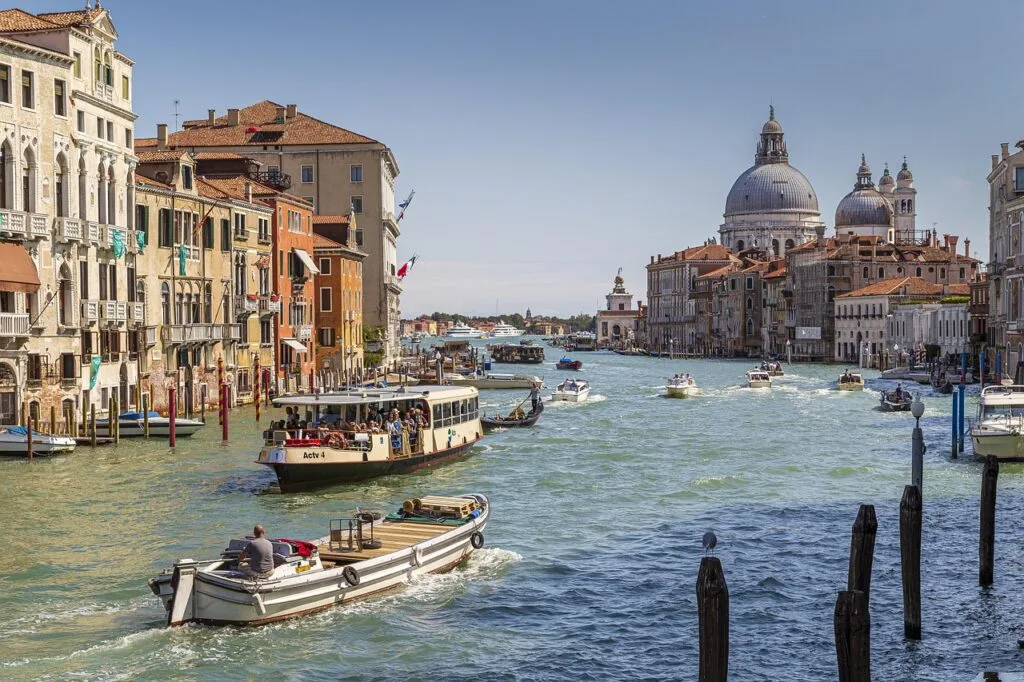
Practical: between the two museums, cross the Grand Canal on the Ponte dell’Accademia for an iconic view. Buy tickets online to avoid queues, and check for combined « Venice Museums » passes to save money. The Dorsoduro neighborhood is perfect for dinner away from tourist crowds: look for a local osteria to try risotto al nero di seppia (main course roughly €16–€26).
Day 3 — The Lagoon Islands: Murano, Burano and Torcello
Set aside a full day for the lagoon’s emblematic islands. Take the vaporetto from Fondamenta Nove (ACTV Lines 12/4.1/4.2 depending on season). The vaporetto ride lets you enjoy the variety of watery landscapes. ACTV fares (indicative): single 75-minute ticket €8.50; 24h pass €30, 48h €45, 72h €60 (check official ACTV rates before departure). Leaving early in the morning helps you avoid the biggest tourist groups.
First stop: Murano, famous for blown glass. Head to the Museo del Vetro (Fondamenta Museo, 30141 Murano VE). Price: around €7–€10. Hours: 10:00–17:00 (varies). You can watch demonstrations by master glassblowers in workshops; demonstrations are often free if you enter a shop-workshop, but take your time to watch the technique and ask questions.
Tip: avoid overly touristy shops with inflated prices; for more reasonably priced pieces explore family-run studios on secondary fondamentas. Useful address: Scuola dei Merletti di Murano isn’t always open, but workshops near Fondamenta dei Vetrai remain accessible.
Second stop: Burano, the island of colorful houses and lace. Stroll the main street and the Piazza Galuppi. For lace, visit the Museo del Merletto (Piazza Galuppi 187, 30142 Burano VE). Price: around €3–€5. Hours: generally 10:00–17:00. Burano is ideal for lunch: enjoy fresh fish in a local trattoria, for example a seafood risotto (main course roughly €14–€26). The vivid facades make for an excellent photography playground.
Third stop: Torcello, the quietest and oldest inhabited island. Visit the Basilica di Santa Maria Assunta (Piazza Santa Maria Assunta, 30142 Torcello VE), famous for its Byzantine mosaics. Price: donation or small ticket around €3–€6. Hours: 10:00–17:00 depending on season. Torcello invites you to slow down: walk to the grassy « Tronchetto » and the legendary « Throne of Attila. » The contrast between Burano’s bustle and Torcello’s serenity is one of the day’s charms.
Practical: allow at least half a day for Murano, and half a day for Burano and Torcello combined. Bring water, a hat and comfortable shoes; crossings can be breezy. If you want a guided tour, shuttles and organized tours depart from the Riva degli Schiavoni — compare prices and routes (some tours include a glassblowing workshop that is paid separately).
Click here to book a boat trip to Murano and Burano

Practical: allow at least half a day for Murano, and half a day for Burano and Torcello combined. Bring water, a hat and comfortable shoes; crossings can be breezy. If you want a guided tour, shuttles and organized tours depart from the Riva degli Schiavoni — compare prices and routes (some tours include a glassblowing workshop that is paid separately).
Day 4 — Rialto, Workshops, Markets and a Grand Canal Ride
Day four is dedicated to everyday Venetian life and the Rialto neighborhood, the city’s historic commercial heart, plus a grand Grand Canal crossing for unique views. Start at the Ponte di Rialto (Rialto Bridge) and the nearby market, where fish stalls and local produce create an authentic atmosphere. Market address: Rialto Market, Campo San Giacomo di Rialto, 30125 Venezia VE. Hours: the fish market is active early morning, typically 7:00–12:00; it’s best at dawn to see the action.

Nearby is the Chiesa di San Giacomo di Rialto, one of the city’s oldest churches (Campo San Giacomo di Rialto). Take time to wander the shopping lanes and pop into small artisan workshops — leather goods, Venetian masks, small glass pieces and jewelry. Independent artisans often offer unique items at variable prices (handmade masks from about €20–€60 depending on complexity).
For lunch, head to a typical bacaro for cicchetti (Venetian tapas). Recommended spots: Cantina Do Spade (Sestiere San Polo 859, 30125 Venezia VE — usually open 11:00–23:00) and Osteria alla Vedova (Calle della Madonna 594, open midday–23:00). Cicchetti usually cost €2–€5 each; a glass of wine or a spritz around €3–€7 depending on the place.
In the afternoon, take a vaporetto across the Grand Canal (line 1 or 2 depending on your stop) to admire palazzo façades. Stop at Ca’ Rezzonico (Dorsoduro 3136, 30123 Venezia VE), an 18th-century museum dedicated to Venetian life, showing sumptuous interiors and paintings. Price: about €10–€15. Hours: 10:00–18:00. Sunset on the Grand Canal, seen from the vaporetto or a bridge, is magical — head toward the Accademia for a memorable photo.
Click here to book a Grand Canal boat tour
Practical advice: avoid restaurants directly on the Grand Canal if you’re on a budget — prices are often marked up. For edible souvenirs (Venetian cookies, sauces, coffee), look for traditional grocery shops (alimentari) in less touristy campi. And if you dream of a gondola ride, agree on the price up front: official indicative rates for a 30–40 minute daytime ride are about €80–€100 (daytime; nights may be pricier).
Day 5 — Food Discoveries, Workshops and Lesser-Known Neighborhoods
The final day is dedicated to food and small neighborhoods that reveal a more intimate Venice. Start with a local food market or a guided culinary tour. A classic spot for an authentic meal is Trattoria alla Madonna (Calle della Madonna, 594, 30125 Venezia VE). Specialties: fritto misto, baccalà mantecato, fresh seafood. Indicative main course price: €18–€30. Hours: generally midday–23:00.
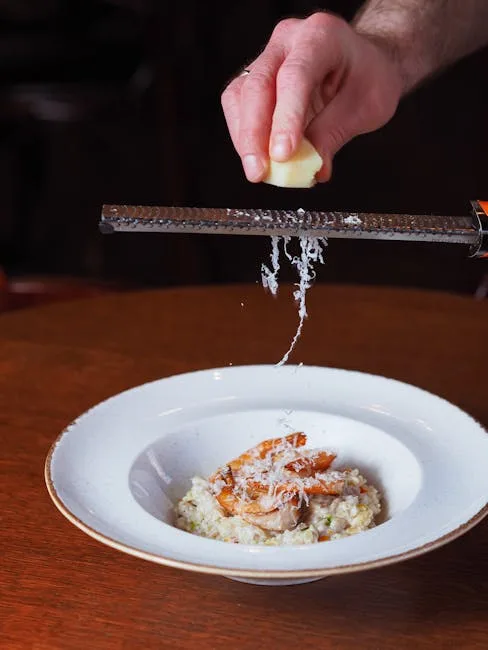
For a more refined experience, book a table at Osteria alle Testiere (Calle del Mondo Novo, Castello 5801, 30122 Venezia VE) — small, highly regarded, and often fully booked. Budget: dishes €20–€40, tasting menus higher. Hours: sometimes closed on certain evenings; reserve well in advance. If you’re after an iconic bar, try Harry’s Bar (Calle Vallaresso 1323, 30124 Venezia VE) for a Bellini; cocktail prices roughly €18–€25.
Include a workshop: cooking classes to learn fresh pasta making, or a Venetian mask-making demonstration. Many workshops run 2–3 hour sessions (roughly €50–€120 depending on the experience and materials included). These are memorable and let you bring home a skill or a personalized souvenir.
Click here to learn to make pasta and a Spritz
Click here to create your Venetian mask in a workshop
For the afternoon, explore lesser-known neighborhoods: Cannaregio (Sestiere Cannaregio) for the Jewish quarter (the Ghetto) and its synagogues; Giudecca for peaceful walks along the canal and outstanding views of Venice’s skyline from the opposite shore. The Ghetto Ebraico (Scole, Sestiere Cannaregio) has museums and kosher food shops and offers insight into an important chapter of Venetian history.
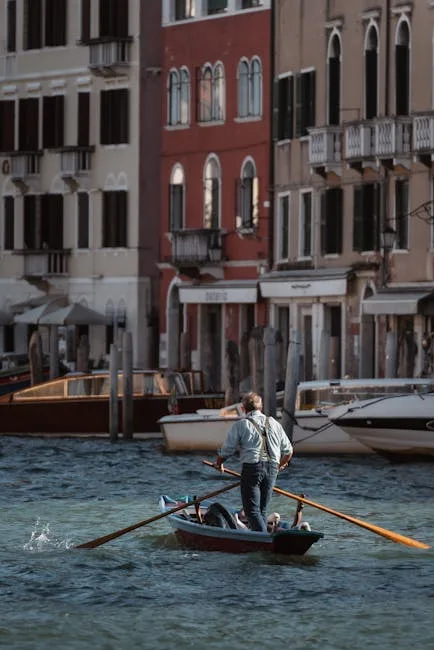
Final tips: finish your last evening with an aperitif in a quiet campo, reflecting on your trip. If you’re leaving early the next day, confirm your route to Santa Lucia train station (Piazzale Roma / Ferrovia) or Marco Polo airport (Alilaguna shuttle or private water taxi). For photographers, twilight light gives warm tones to façades: a compact tripod can make a difference, but respect areas where professional equipment is restricted without permission.
Conclusion: Venice, Between Memory and Taste — Tips to Extend the Journey
Five days in Venice let you combine culture, islands and gastronomy without rushing. You’ve seen the visual power of Piazza San Marco and its monuments, the major collections at the Gallerie dell’Accademia and the Peggy Guggenheim Collection, Murano’s glassmaking craft, Burano’s colorful panoramas and Torcello’s calm. You’ve learned where to eat cicchetti and how to avoid tourist traps, explored markets and tasted signature dishes like risotto al nero di seppia and baccalà mantecato.
Before you leave, a few practical tips to extend or simplify your trip: keep digital copies of tickets and reservations, buy museum tickets online when possible to save time, get an ACTV pass if you plan many vaporetto crossings — but do the math: a single ticket can be enough if you only make two rides. Respect the urban environment by not feeding pigeons in the squares, and be aware of high tides (acqua alta) by season: raised walkways are sometimes set up at Piazza San Marco — bring a poncho and quick-drying shoes.
To prolong the experience: return to Venice outside high season to feel the city change pace — spring and autumn offer special light and fewer people. Explore lesser-known islands or take trips to Chioggia and the Venetian coast to vary the scenery. Finally, bring back useful, lasting souvenirs: certified Murano glass pieces bought in studios, a jar of preserved fish sauce, artisan pasta, or a mask made in a workshop to keep a tangible link to this unique stay.
Venice is earned: give yourself time to listen to it. Every bridge, canal and campo tells a story. When you leave, you’ll take more than images and flavors — you’ll leave with impressions that last: the feeling of having crossed a world shaped by water and stone into an incomparable cultural identity. Safe travels, and see you next time in Venice.