





Introduction
Venice is famous for its shimmering canals, maze-like alleys and steady stream of visitors. Yet just a short vaporetto ride away—under 30 minutes—Murano and Burano offer two very different worlds: one dedicated to the age-old craft of glassmaking, the other to lace, brightly painted houses and a more relaxed pace of life. Despite their popularity, it’s perfectly possible to visit Murano and Burano without getting swallowed by the tourist crowds. Knowing when to go, where to wander, how to get around and which alternatives to choose can turn an island hop into an intimate, cultural and truly Venetian experience.
This comprehensive guide gives you practical, detailed tips: exact transport routes, best time windows, off-peak sights, precise addresses for museums and restaurants, prices in euros, opening hours, and local insider advice to help you make the most of Murano and Burano. You’ll learn, for example, why landing in Murano early in the morning or after 4:00 p.m. can drastically reduce visitor density, or how to optimize your visit to the Museo del Vetro (Glass Museum) by booking a specific time slot. You’ll also discover where to enjoy an authentic risotto in Burano away from tourist traps and how to use the ACTV network to minimize transfers and waiting time.
This article is written for independent travelers, small groups and families alike: the strategies suggested work for everyone and can be adapted to any season—summer, spring, autumn and even winter, when low light and crisp air make Murano and Burano especially photogenic. We include immersive descriptions of key spots like the Basilica dei Santi Maria e Donato in Murano and the Museo del Merletto in Burano, with exact addresses and practical information. Finally, you’ll find local tips (glassmakers’ schedules, demonstration times, market days) to help you plan a smooth, discovery-filled day with minimal lines.
Planning your arrival: schedules, tickets and routes to dodge the crowds
A peaceful visit starts with logistics. The ACTV network (Azienda del Consorzio Trasporti Veneziano) is the most reliable way to reach Murano and Burano from Venice. Key lines are: vaporetto lines 4.1/4.2 from Fondamenta Nove or along the Grand Canal for Murano, and vaporetto line 12 (or line 14 depending on season) toward Treporti/Burano for Burano. A single ACTV ticket costs €8.00 (valid 75 minutes, approximate current price), while the 24-hour ACTV tourist card typically costs €24.00 (check at ACTV ticket offices). Choosing a 24- or 48-hour pass often saves money and avoids buying multiple single tickets.
To reduce exposure to tourist flows, pick very early departures: the first vaporettos generally leave around 6:00–7:00 (times vary by season and line). Arriving in Murano between 8:00 and 9:30 lets you enjoy near-empty streets, glassblowing workshops getting ready and photographs without crowds. If you prefer the afternoon, aim to arrive after 16:00: some day-trippers will already be heading back to Venice, and the evening light flatters the canals and facades.
Practical tip: avoid large organized tours that all disembark at the same time. Tour operators often bring their groups in late morning (10:30–13:30). If you have flexibility, do the route in reverse: start with Burano and finish on Murano or Torcello to spread out visiting pressure. To save time and limit waiting, book tickets for certain attractions online the day before when possible. Also bring a paper map or an offline map app—mobile reception can be spotty between the islands.

Murano: visiting workshops and museums in peace
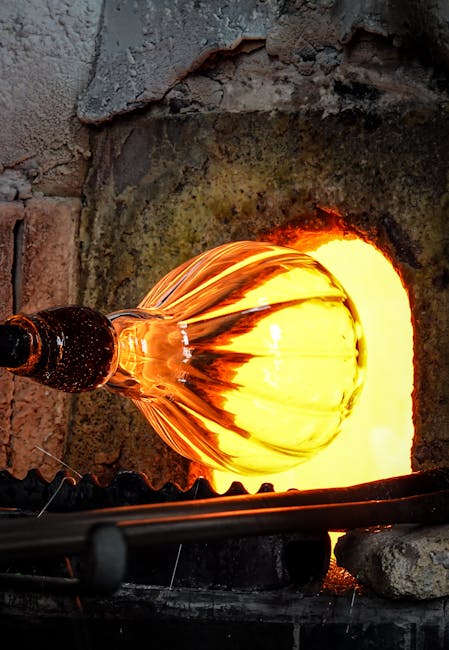
Murano is synonymous with blown glass. For an immersive visit without the rush, focus on specific spots and time your visit. The Museo del Vetro (Glass Museum) is essential for understanding the history and techniques of Venetian glassmaking: address Fondamenta Giustinian, 8, 30141 Murano VE, Italy. Typical opening hours: Tuesday–Sunday 10:00–17:00 (closed Monday), admission: €8.00 for adults, reduced €4.00 for students and seniors (check for current discounts and free admission for children). The museum is quieter right at opening and late afternoon.
Around the museum, stroll along the Fondamenta dei Vetrai and the local equivalent of the Riva degli Schiavoni, then head to the Basilica dei Santi Maria e Donato (Piazza San Donato, 30141 Murano VE)—Murano’s parish church, known for its Byzantine mosaic floor and distinctive apse. Typical opening hours: Tuesday–Sunday 9:30–17:30, though services may affect access. Entry is often free but donations are requested for upkeep.
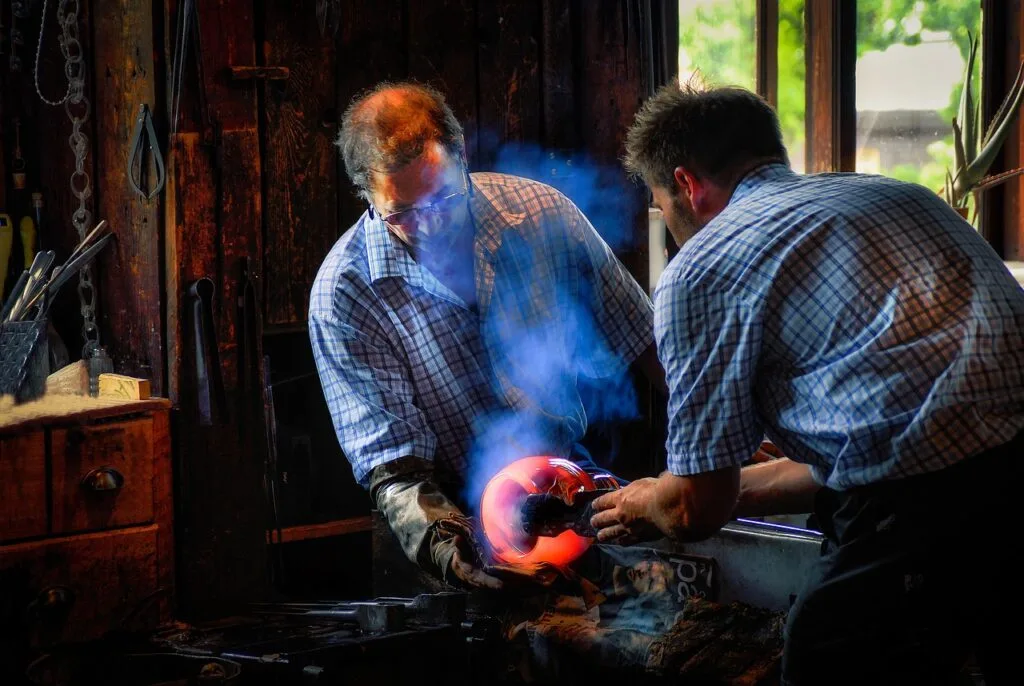
To see a glassblowing demonstration without the crowded showroom atmosphere, go early to smaller artisan workshops rather than the big tourist shops. Many master glassblowers open their doors between 9:00 and 11:30 for free or donation-based public demos; check with the Consorzio Vetro Murano or the local tourist office for schedules. Shopfronts along Fondamenta Giustinian tend to draw crowds in the afternoon. For an authentic souvenir, favor family-run workshops that display transparent pricing and explain their process.
- Local tip: ask for a short guided visit (15–20 minutes) inside a workshop—those are often small, intimate groups and more personal than coach-targeted demos.
- Useful address: Museo del Vetro, Fondamenta Giustinian 8, 30141 Murano VE — phone: +39 041 527 0292 (check before you go).
 Click here to Book a Murano glassblowing demonstration
Click here to book a Murano glassblowing demonstration
Burano: color, lace and tips to avoid the crowds
Burano is famous for its vividly painted houses and lace-making tradition. The main artery, Via Baldassarre Galuppi, hosts most restaurants and shops; to dodge the crowds, explore the side alleys and the secondary canals. The Museo del Merletto (Lace Museum) is at Campo San Martino, 12, 30142 Burano VE, Italy. Typical hours: Tuesday–Sunday 10:00–17:00, admission: €4.00 for adults, reduced €2.00 for students/seniors. The museum is best visited right at opening, before tour groups fill the main square.
For the best photos without people, seek out the main canal at sunrise or during the evening golden hour. Fishermen and locals are out early to sell their catch, and empty streets give you a rare chance to capture the houses’ pure colors. If your schedule allows, breakfast at Pasticceria da Fornier (local address on Via Galuppi—check on site) around 8:00 will immerse you in island life.
For lunch, steer clear of restaurants that display multi-language menus on boards outside—these are often tourist traps. Opt for smaller, local spots like the well-known Trattoria da Romano (Via Galuppi, 221, 30142 Burano VE), famous for its risotto di gò; main courses typically cost around €18–€25. Arriving early (12:00) or later (13:30–14:00) helps you avoid peak crowds. If you plan to buy lace, ask to see certificates of authenticity and avoid street vendors selling cheap imitations.
Click here to Book a boat trip to Murano and Burano
Click here to book a boat trip to Murano and Burano
Advanced strategies: alternative routes, off-season and dining options
Beyond timing tips, a few advanced tactics will help you experience Murano and Burano like a local. First, try the reverse itinerary: take the vaporetto to Burano in the morning (line 12 from Fondamenta Nove), then head to Murano and finish back in Venice. Many visitors do the opposite and converge on Burano mid-morning—by leaving early you’ll enjoy a rare calm.
Second tip: choose weekdays over weekends. Fridays and Saturdays tend to draw more local and international visitors; Tuesdays, Wednesdays and Thursdays are generally quieter. Off-season—November to February, excluding Carnival—turns Murano and Burano into almost-village escapes: fewer shops open, but workshops and cafés usually remain welcoming.
On the food front, avoid obvious “tourist prix-fixe” menus posted outside; look instead for daily specials written by hand on chalkboards. In Murano, try a local osteria for fish-based antipasti and cicchetti (Venetian small plates) at reasonable prices: a glass of wine and two cicchetti usually cost around €8–€12. In Burano, risotto di gò and fried cuttlefish are must-tries—book ahead if you’re going during busy hours.
- Quiet alternative: visit the nearby island of Torcello (Basilica di Santa Maria Assunta, Piazza Santa Maria Assunta, 30142 Torcello VE) for a history-filled break. Fewer shops, more ancient churches and green spaces. Basilica entry: donation or a small fee depending on exhibitions.
- Practical transport tip: keep a valid ACTV pass handy and note the last boat times (often around 20:00–22:00 depending on line and season) so you don’t get stranded on an island late at night.

Local etiquette and respectful behavior
Residents of Murano and Burano care about preserving their island way of life. Respecting quiet hours, cleanliness and calm is essential. Avoid eating or drinking while walking down narrow lanes where litter is hard to manage; sit on benches along the canals instead. If you’re photographing artisans, ask permission—they’re often happy to explain their craft if you show genuine interest.
A few practical rules to remember: don’t sit on bridge parapets, avoid swimming from the quays (it’s prohibited in several areas), and respect signs marked « Proprietà Privata » or « Vietato l’accesso. » When visiting churches and museums, follow opening hours and photo rules (some works are protected and photography may be forbidden).
When buying glass or lace, prioritize quality over quantity: ask for authenticity certificates, check labels and avoid untagged products. Talk to locals—a smile and a few Italian words— »Buongiorno, » « Grazie »—often open doors and yield priceless local tips (best times to visit, planned demonstrations, trusted artisans).

Conclusion
Seeing Murano and Burano away from the crowds takes a bit of planning, smart route choices and a few local good-manners. By starting early, favoring weekdays, booking tickets for major museums and opting for authentic restaurants and workshops, you can turn a simple day trip into a cultural, sensory immersion. Key sites—the Museo del Vetro, Fondamenta Giustinian 8, 30141 Murano VE, the Basilica dei Santi Maria e Donato, Piazza San Donato, 30141 Murano VE, and the Museo del Merletto, Campo San Martino 12, 30142 Burano VE—offer as much to learn and admire as they do to shop for genuine souvenirs.
Favor morning demonstrations by master glassblowers, wander Burano’s side alleys at dawn, and choose local eateries over places clearly aimed at mass tourism. Carry an ACTV card or day ticket to make travel smoother (single ticket ≈ €8.00, 24h pass ≈ €24.00), respect opening hours at museums and churches, and don’t hesitate to ask locals for recommendations—they often know the quietest corners and the best visiting times.
Follow these practical tips—planning, timing, reliable addresses, local respect and curiosity—and your day in Murano and Burano will be rich, peaceful and unforgettable. You’ll leave not only with crowd-free photos but with the feeling that you’ve glimpsed the true face of these islands: artisanal, colorful and deeply human.