





Introduction — Venice, festivals and weather: when to visit to truly experience the city
Venice isn’t just a city of romantic architecture and winding canals — it’s a buzzing cultural stage where public celebrations and artistic events shape the year. Picking the right month to visit Venice based on festivals and the climate can turn a pleasant trip into an unforgettable one. From the timeless masks of Carnevale di Venezia to the explosive fireworks of the Festa del Redentore, each season brings its own colors, scents and atmosphere. Yet the lagoon can be unpredictable: the weather — humid heat, fog, acqua alta (high water) — has a big impact on logistics and visitor comfort.
This deep dive answers the question many travelers ask: what are the best months to attend festivals in Venice, and how does local weather affect those events? We’ll cover the major festivals (Carnevale, the Biennale of Art and Architecture, Festa del Redentore, Regata Storica, Vogalonga, Sensa), typical month-by-month weather, practical strategies (bookings, transport, clothing, protection against acqua alta) and concrete reference details: full names of venues, exact addresses, indicative prices in euros, opening hours, and precise local tips so you can enjoy the city without surprises.
Whether you’re into elaborate masks, historic regattas, contemporary art shows or community waterfront parties, Venice has an almost endless calendar of events. Choosing the right time to come means balancing two things: crowds (festivals draw people) and weather (summer heat or the risk of acqua alta off-season). With sections devoted to key periods and flagship events plus practical advice, you’ll have a solid guide to plan an ideal stay — whether it’s a romantic Carnival escape in February or an art immersion at the Biennale in autumn.
To help your imagination and planning, this article includes image placeholders for visual illustration, plus very practical recommendations: where to buy a vaporetto ticket, how to avoid crowds on the Riva degli Schiavoni, which museum to visit on a rainy day, and what shoes to pack if acqua alta is expected. Follow the guide — and pack accordingly.
 Click here to buy a City Pass with museums and transport

Carnevale di Venezia (February): masks, theatre and winter weather
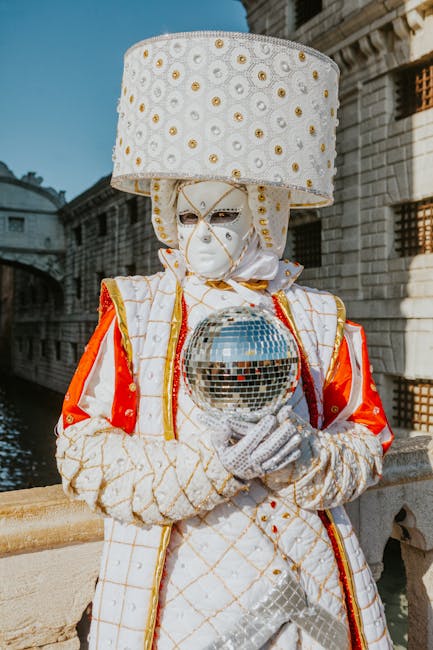
Carnevale di Venezia, the city’s most iconic festival, usually takes place in February during the two weeks leading up to Ash Wednesday. This is when historical costumes, masquerades and private balls spill out into the squares and palazzos. The heart of the carnival activity is around the Basilica di San Marco (St. Mark’s Basilica) and the Piazza San Marco: watching costumed characters pass beneath the Campanile di San Marco is an unforgettable memory.
Practical info: Basilica di San Marco is located at Piazza San Marco, 328, 30124 Venezia VE, Italy. Entrance to the nave is generally free for basic visits, but access to the Museo and the Pala d’Oro can cost around €5–€8; indicative opening hours: 9:30–17:00 (hours vary with season and religious services). During Carnevale, opening times may be extended for special events.
Weather: February is wintertime in Venice. Average temperatures range between 2 °C and 10 °C. It’s often damp and foggy, and acqua alta (flooding) can occur, especially during strong Adriatic storms. Pack a warm coat, layers, a compact umbrella and waterproof shoes. Days can be short, and early sunsets give the masks a dramatic flair.
Local tips:
- Book private balls in advance (often held at Palazzo Pisani Moretta or Palazzo Contarini della Porta di Ferro) as tickets can cost €100–€250 depending on the show and catering.
- For crowd-free photos, wake up early (6:30–8:30) and explore quieter sestieri like Dorsoduro or Castello.
- Bring overshoes if acqua alta is forecast; wooden walkways are installed in the Piazza San Marco during floods.
Click here to visit St. Mark’s Basilica with priority access

Festa del Redentore and summer (July): fireworks, islands and summer weather
The third weekend in July is marked by the Festa del Redentore, a religious and popular festival that commemorates the end of a 17th-century plague. The highlight is a spectacular fireworks display launched from the Giudecca basin, visible from the Punta della Dogana or the Riva degli Schiavoni. Residents set up tables on jetties and gardens for improvised communal dinners.
Key site: the Chiesa del Santissimo Redentore is on the island of Giudecca, at Riva degli Schiavoni, Giudecca, 30133 Venezia VE (approach by vaporetto from Piazza San Marco). Access to the mass and rites is usually free; the site is open on the event evening and during the day for visits. For viewpoints, Punta della Dogana (Dorsoduro) at Punta della Dogana, Dorsoduro, 30123 Venezia VE is an excellent observation spot.
Weather: July is full summer — average temperatures between 22 °C and 30 °C, high humidity and sunny days. Evenings can be warm but more pleasant by the canals thanks to breezes. Pack light clothing, sun protection (sunscreen, hats), and plenty of water — staying hydrated is crucial during long outdoor nights.
Practical tips:
- Arrive early to claim a good spot for the fireworks; crowds gather on the quayside from the afternoon.
- Private water taxi fares on the night can spike: expect to pay €80–€150 for a ride from central Venice to Giudecca (varies by passengers and time).
- Use the ACTV vaporetto: line 2 (direction Giudecca) connects Piazza San Marco to Giudecca. Single vaporetto tickets: about €8.00 for 75 minutes; 24-hour passes: around €25–€30 (indicative prices).
Biennale, Regata Storica and Vogalonga: spring and autumn for art and tradition
The Biennale (Art and Architecture) usually spans a broad season: the main contemporary art and architecture exhibitions run from spring through autumn — often May to November, with exact dates changing each year. Major pavilions are in the Giardini della Biennale and the Arsenale di Venezia. These venues are ideal for combining festival-going with cultural tourism without the huge Carnival crowds.
Addresses and practical info:
- Giardini della Biennale — Riva dei Sette Martiri, 30174 Venezia VE. Hours typically 10:00–18:00, tickets €15–€25 depending on exhibitions and discounts.
- Arsenale di Venezia — Arsenale, 30122 Venezia VE. Similar opening hours, sometimes extended for openings.
The Regata Storica takes place on the first Sunday of September: it’s a historic boat parade along the Grand Canal, followed by races. Period boats and costumes create a striking spectacle in front of the Palazzo Ducale (Doge’s Palace). The palace is at Piazza San Marco, 1, 30124 Venezia VE; hours: 8:30–19:00 (last admission usually one hour before closing). Indicative entrance price to Palazzo Ducale: €25–€30 (varies with included museum access).
Finally, the Vogalonga, a non-competitive long-distance rowing event, takes place in late May or early June and attracts amateur rowers from around the world. It typically starts from the basin near San Marco and covers a roughly 30 km route through canals and the lagoon (good endurance required).
Weather and tips:
- May–June and September–October: ideal festival weather — moderate temperatures (15–25 °C), long days and lower risk of acqua alta than November/December. These are the best months for outdoor visits and boat trips.
- For the Biennale, wear comfortable shoes to explore pavilions and outdoor spaces; buy tickets online to skip lines (many tickets start at €15).
- At Regata Storica, favor elevated areas and terraces for visibility: the Riva degli Schiavoni and the Ponte dell’Accademia are popular but get very crowded.
Click here to book a skip-the-line tour of the Doge’s Palace
Month-by-month climate and practical recommendations for each period
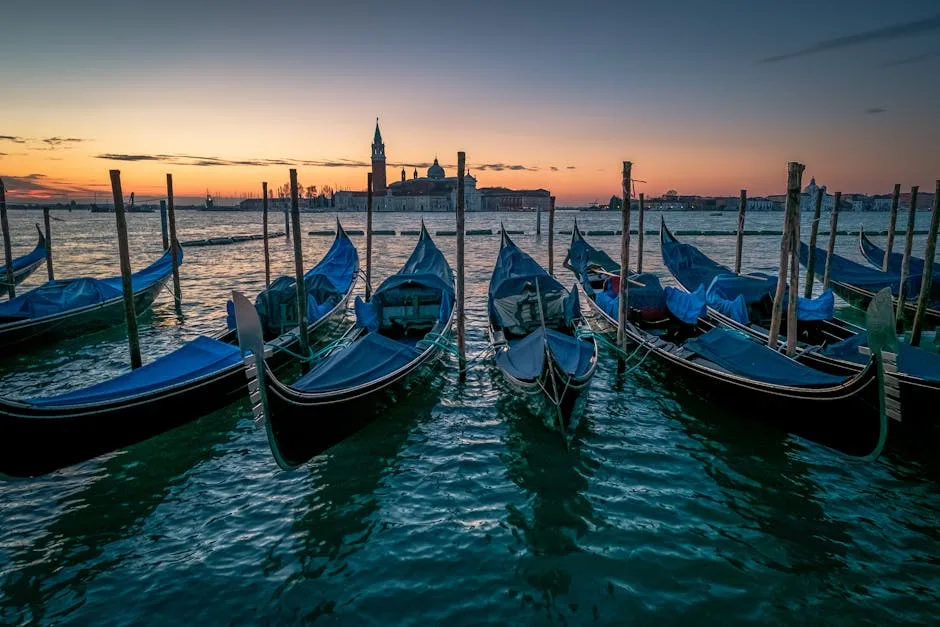
Here’s a measured month-by-month overview combining weather and major festivals, with concrete recommendations:
- January — Winter, quiet after the holidays, occasional acqua alta. Temperatures 0–7 °C. Good for travelers seeking calm and lower accommodation prices. Indoor visits: Gallerie dell’Accademia (Campo della Carità, Dorsoduro, 1050, 30123 Venezia VE; opening hours 8:15–19:15, ticket ~€12–€15).
- February — Carnevale. Winter, chilly. Book masks and balls in advance. Bring a coat, gloves and waterproof shoes.
- March–April — Spring, blossoms, mild weather (10–18 °C). Ideal for walks, wine and dining on terraces. Avoid Easter weekends if possible (crowds).
- May–June — Best compromise for summer Biennale events and Vogalonga; pleasant temperatures (15–26 °C). Book museums and vaporetto trips ahead if you travel on festival weekends.
- July–August — Peak tourist season. Festa del Redentore in July. Hot and humid (24–32 °C). Expect crowds and higher hotel prices. Hydration and sunscreen are essential.
- September — Regata Storica in early September; often perfect weather (18–26 °C). End of high season; fewer tourists after mid-September.
- October — Start of the rainy season and first acqua alta risks. Autumn colors, temperatures 12–20 °C. Great for moody photography.
- November–December — Flood season: November is the most likely month for acqua alta. Christmas markets begin in December, but expect short, wet days.
Year-round logistics tips:
- Buy an ACTV vaporetto pass if you plan multiple trips: 24h, 48h and 72h passes are available (indicative prices: €25–€40 depending on duration).
- Always give full addresses when booking water taxis: e.g. Piazzale Roma, 30135 Venezia VE for road arrival; train station: Stazione di Venezia Santa Lucia, Fondamenta Santa Lucia, 30121 Venezia VE.
- To beat the crowds, head out early in the morning (7:00–9:00) to visit the Palazzo Ducale or Basilica di San Marco.
Click here to buy the St. Mark’s City Pass with transport
Recommended visits, exact addresses and opening hours for rainy days
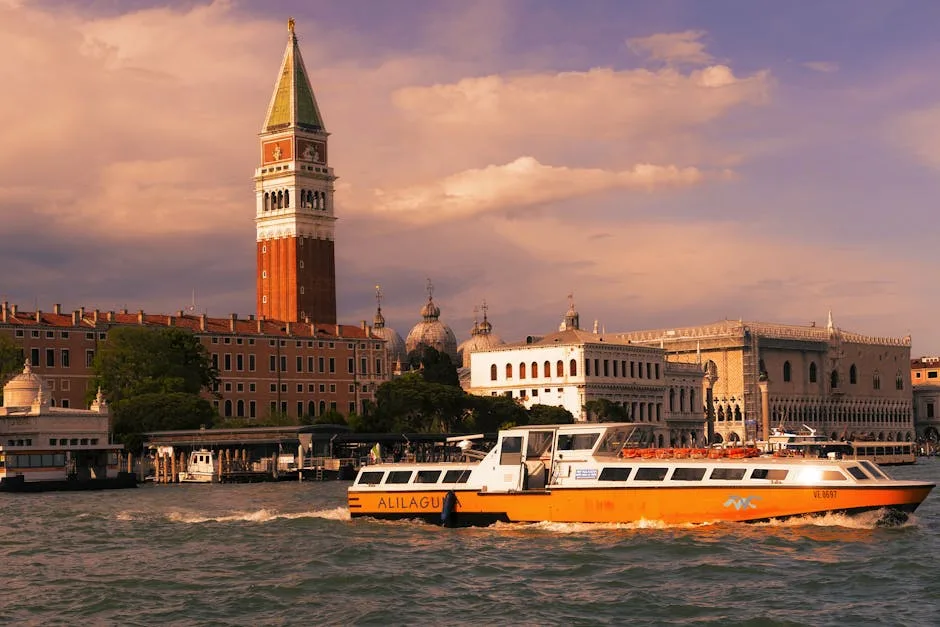
When the weather turns, Venice still offers plenty of indoor things to do: museums, theatres and palaces. Here’s a curated list with addresses, hours and indicative prices:
- Palazzo Ducale (Doge’s Palace) — Piazza San Marco, 1, 30124 Venezia VE. Hours: 8:30–19:00 (last entry often 18:00). Price: ~€25–€30 (combined ticket with Museo Correr available).
- Basilica di San Marco — Piazza San Marco, 328, 30124 Venezia VE. Hours: ~9:30–17:00. Basic entry to the basilica nave is free; museum and Pala d’Oro: €5–€8.
- Teatro La Fenice — Campo San Fantin, 1965, 30124 Venezia VE. Daytime guided tours: ~€10–€14, times vary with performances; check the theatre website for evening shows.
- Gallerie dell’Accademia — Campo della Carità, Dorsoduro, 1050, 30123 Venezia VE. Hours: 8:15–19:15, price ~€12–€15. Perfect on rainy days to see Titian, Veronese and Bellini.
- Museo Correr — Procuratie Nuove, Piazza San Marco, 52, 30124 Venezia VE. Hours: typically 10:00–18:00, price ~€10–€15 depending on exhibitions.
Tips for rainy days:
- Visit museums early to avoid tour-group rushes. Lines are shorter on weekday mornings.
- Use covered walkways like the Procuratie on Piazza San Marco to cross without getting wet.
- If acqua alta is forecast, check alerts from APM (Acqua Alta alerts) and follow the wooden walkways in the center; some shops and cafés put in temporary platforms.
Conclusion — Choosing the ideal month based on festival and weather
Venice offers a rich, varied calendar: for spectacle and extravagance, February (Carnevale) is unmissable; for summer nights, fireworks and conviviality, July (Festa del Redentore) is the peak; for contemporary art and architecture lovers, the Biennale between May and November is the perfect window; and for nautical tradition fans, the Regata Storica and Vogalonga (May–September) provide unique sights and emotions. But the experience is strongly shaped by weather: favor May–June and September for a balance of pleasant climate and fewer crowds, watch out for November’s acqua alta risk and for summer months’ heat and higher prices.
Plan carefully: book museum, ball and cruise tickets well in advance, buy a vaporetto pass if you’ll be crossing the city often, and pack for local weather (waterproof shoes, sun protection, warm layers depending on season). Knowing key addresses and opening hours — Piazza San Marco, Palazzo Ducale, Giardini della Biennale, Arsenale, Stazione di Venezia Santa Lucia — will make logistics easier and help you avoid surprises.
Finally, leave room for the unexpected: it’s often the detours through lesser-known sestieri (Cannaregio, Giudecca, Dorsoduro) or a spontaneous evening on a canal-side terrace that lend Venice its magic. With this practical guide — addresses, hours, indicative prices and weather tips — you can confidently pick the best month for festivals in Venice and maximize your chances of unforgettable moments.