





Introduction
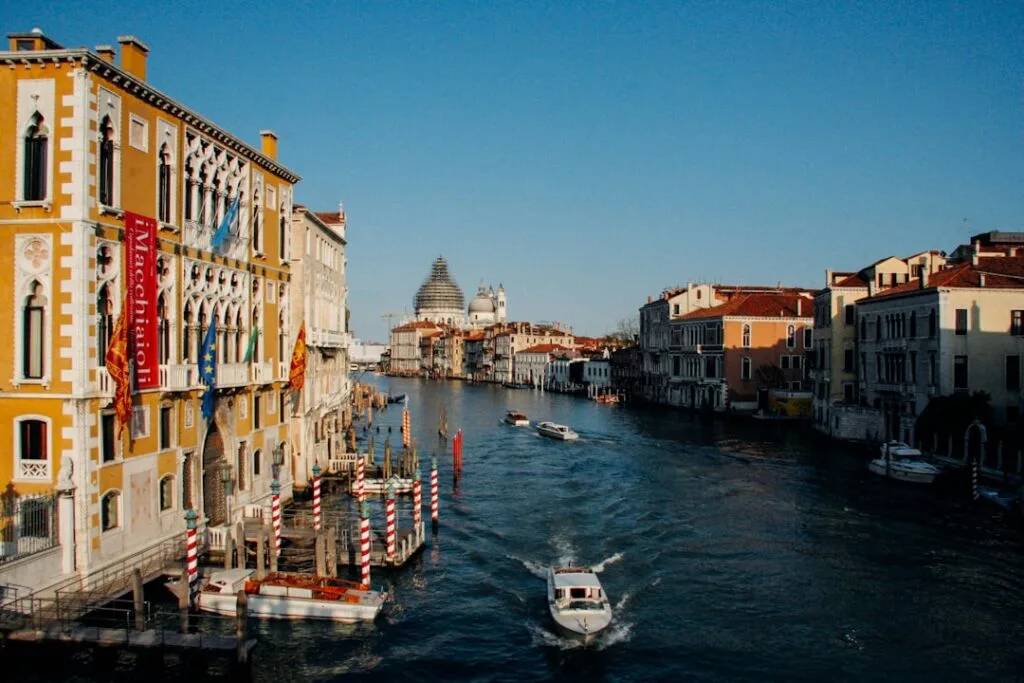
Venice feels like a city painted by hand on water: a maze of canals and narrow alleys, weathered palaces, bridges steeped in history and squares where time slows down. Picking the best time to visit Venice depends largely on the weather, the kind of experience you want and how well you handle crowds. From the spectacle of Carnival to the mild days of spring, the hot and tourist-packed summer and the misty winters sometimes touched by acqua alta (seasonal flooding), each season has its charms and drawbacks. This article takes a detailed look at the best seasons to visit Venice based on weather, offering practical information — full monument names, exact addresses, typical prices in euros, usual opening hours, immersive descriptions and local tips — to help you plan an ideal stay.
Venice is built on 118 small islands connected by more than 400 bridges. Weather affects not only how warm or cold you’ll feel but also crowd levels, available activities (gondola rides, limited cycling, indoor visits) and specific phenomena like acqua alta. In winter, high tides can flood Piazza San Marco (Piazza San Marco, 30124 Venezia VE, Italy), turning the square into a calm shallow sea crossed by raised walkways. In spring the climate is often mild, days get longer and the gardens and campi become peaceful oases. Summer brings heat and crowds: temperatures can exceed 30 °C, and queues grow at the Palazzo Ducale and Basilica di San Marco. Autumn can offer the best balance: pleasant temperatures, golden light and fewer visitors after the schools reopen.
While reading, keep in mind that prices and opening hours can change: always check official sites (for example the ufficio turistico comunale or Venicetourism) for the most up-to-date info. Below we’ll outline the ideal seasons depending on the weather and your priorities (photography, cultural visits, quiet, attending events like Carnevale or the Biennale). We’ll also list full addresses and typical opening hours for must-see sights: Basilica di San Marco, Palazzo Ducale (Doge’s Palace), Ponte di Rialto, Gallerie dell’Accademia, Peggy Guggenheim Collection and more, so you can build a realistic, pleasant itinerary based on the weather.
 Click here to book your tickets for the Doge’s Palace and St. Mark’s
Spring (March to May) — Mild weather, bloom and perfect light for photos
Spring in Venice, from March to May, is often named the best time to combine pleasant weather with manageable crowds. Average temperatures typically range from 8 °C to 20 °C depending on the month and early heat waves. Days lengthen, flowers appear on balconies and in Dorsoduro’s gardens, and morning light brings out the warm tones of brick facades and canals.
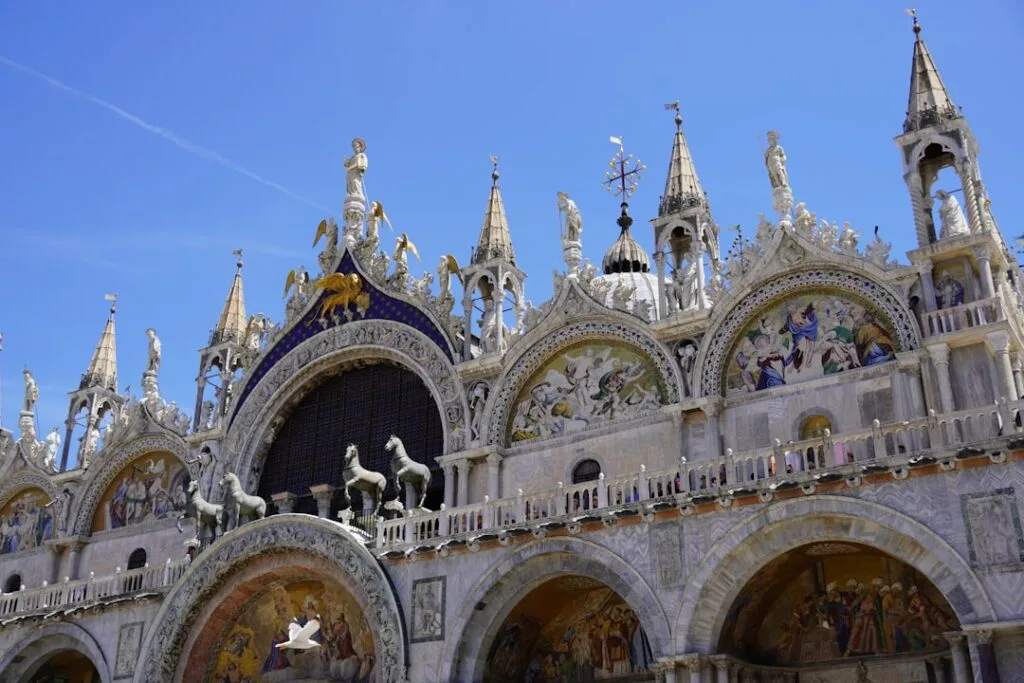
For cultural visits, spring is ideal for exploring monuments when the light highlights architectural details. For example, the Basilica di San Marco (Piazza San Marco, 328, 30124 Venezia VE, Italy) is more enjoyable early in the morning to avoid queues: entry for mass is free, but access to the Pala d’Oro and museum areas is ticketed (usually around €5–€10 depending on the attraction). Typical opening hours for the basilica are about 9:30–17:00; these hours may be extended in high season.
The Palazzo Ducale (Doge’s Palace) (Piazza San Marco, 1, 30124 Venezia VE, Italy) is also particularly pleasant to visit in spring: morning light enters the inner courtyard and the rooms painted by Titian and Veronese seem to glow. Typical opening hours: 8:30–19:00. Standard adult tickets usually cost around €25–€28 (combined tickets sometimes include the Museo Correr and the Biblioteca Marciana). Book online to skip the queues.
Spring practical tips:
- Favor morning hours (8:30–11:00) at major sites for golden light and fewer people.
- Bring a windbreaker and a light umbrella: March can still bring cool showers.
- Buy tickets in advance for the Palazzo Ducale and the Gallerie dell’Accademia for public holidays and spring weekends.
- If you’re a photographer, aim for sunrise shots on the Grand Canal or the basilica façade for standout images.
Click here to book skip-the-line access to the Doge’s Palace
Summer (June to August) — Heat, crowds and lively nights
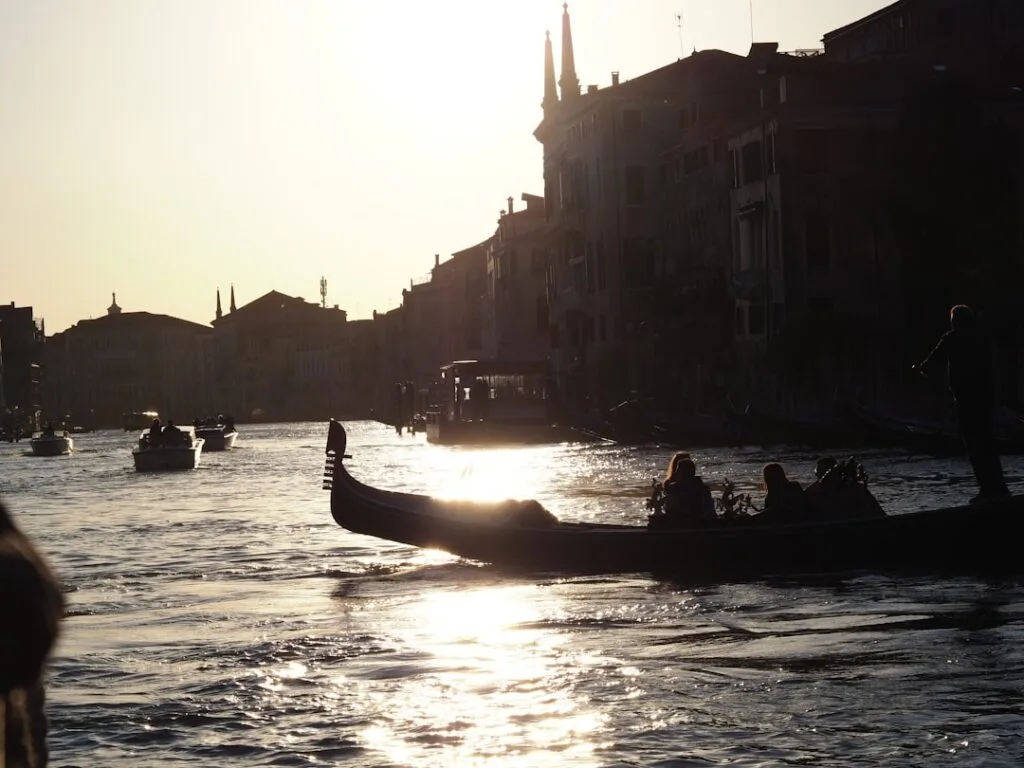
Summer in Venice means high temperatures and heavy tourist traffic. July and August can be hot (often 25–32 °C) with high humidity, which increases the perceived temperature in narrow alleys. The city buzzes around the clock: nighttime events along the Grand Canal, packed terraces and an all-around holiday vibe.
For sightseeing, plan morning or late-afternoon slots for main attractions. The Gallerie dell’Accademia (Campo della Carità, 1050, 30123 Venezia VE, Italy) showcases Venetian masters and provides a cool, shaded refuge from the heat. Typical opening hours: Tuesday–Sunday 8:15–19:15 (closed Mondays). Adult ticket: around €13. The cool interiors of museums make them highly sought-after sanctuaries during heat waves.
For modern art lovers, the Peggy Guggenheim Collection (Dorsoduro, 701, 30123 Venezia VE, Italy) not only has climate-controlled galleries but also a calming sculpture garden. Typical hours: Tuesday–Sunday 10:00–18:00. Adult ticket: around €16. Expect queues for temporary exhibitions in summer.
Click here to book skip-the-line ticket for Peggy Guggenheim
Summer practical tips:
- Keep hydrated. Kiosks and cafés sell water but bring a reusable bottle — filling points can sometimes be found near ACTV stops.
- Use the vaporetto (ACTV) to get around: a single 75-minute ticket costs about €8. Tourist passes for 24/48/72 hours and 7 days cost roughly €25/€35/€45/€70 respectively (check the ACTV website for current fares).
- Avoid the hottest hours (12:00–16:00) for walking; instead enjoy cafés, museums and evening strolls along the water.
- If you stay in the historic center, know that air conditioning is not guaranteed in old buildings; choose accommodations that explicitly list AC if that’s important.
Click here to book a sunset cruise
Autumn (September to November) — Golden light, mild temps and cultural events
Autumn is often recommended as the most balanced time to visit Venice. From September to November temperatures gradually drop (around 15–22 °C in September to 8–15 °C in November), humidity falls and the city calms down after the summer peak. The light becomes softer, perfect for photography and for appreciating Venetian facades without summer’s heat.
September also hosts the Venice International Film Festival (Mostra Internazionale d’Arte Cinematografica) — a magnet for celebrities, screenings and premieres on the Lido (Lido di Venezia). If you’re traveling for the Art Biennale (usually open from May to November in odd years) or the Architecture Biennale, autumn remains a good time to enjoy exhibitions off-peak and with fewer crowds.
Walks along the Canal Grande (Grand Canal) and through San Polo take on a more poetic quality: façades reflect warm palettes and the Mercato di Rialto (Rialto Market, Calle della Pescaria, 30125 Venezia VE, Italy) is still full of local produce. The Ponte di Rialto (Ponte di Rialto, Rialto, 30125 Venezia VE, Italy) is essential for classic canal views and remains freely accessible.
Autumn practical tips:
- Bring a waterproof jacket and water-resistant shoes: autumn rains are frequent, especially in November.
- Book tickets for the Biennale or the Film Festival in advance if your trip overlaps with these events.
- Use golden hour (sunrise and sunset) to photograph Basilica di San Marco and the Campanile from the Riva degli Schiavoni.
- Watch acqua alta forecasts: high tides can close some routes and raised walkways may be installed.
Click here to book an exclusive Rialto market tour
Winter (December to February) — Quiet, mist and the spectacle of Carnevale
Winter in Venice offers a different kind of magic: deeper calm, muted lights and sometimes a mist that wraps the canals. Temperatures often range from 0 °C to 10 °C, with chilly, damp days. The most notable winter phenomenon is acqua alta, exceptionally high tides that can flood low parts of the historic center, especially Piazza San Marco.
Piazza San Marco and the Basilica di San Marco take on an almost surreal look during acqua alta episodes, when wooden walkways are set up and reflections fill the square. It’s very photogenic but requires caution: follow local instructions and wear waterproof boots if you plan to be out during an alert.
Winter is also Carnevale season, usually in February. Carnevale turns the city into a stage of sumptuous costumes, parades and masked balls. It’s a fantastic time for photographers and culture lovers, but note that Carnival still draws a lot of visitors despite the low temperatures.
For indoor visits, many museums remain open and crowds are usually smaller. For example, ascending the Campanile di San Marco (Campanile di San Marco) (Piazza San Marco, 30124 Venezia VE, Italy) offers a different panoramic view often softened by mist. Typical hours: 9:30–16:30, adult ticket: around €10.
Winter practical tips:
- Check the municipal Comune di Venezia site or weather bulletins for acqua alta alerts; an SMS alert system may be available.
- Bring waterproof shoes or boots and a windproof thermal jacket.
- Enjoy heartier winter dishes in osterie and bacari (cicchetti bars): hot plates like risotto al nero di seppia or fegato alla veneziana will warm you up after a cold day.
- If you attend Carnevale, book hotels and restaurants well in advance; many events are ticketed (private balls, shows).
Click here to book your ticket for the basilica and the Campanile

Practical tips year-round — Transport, tickets, safety and food
No matter when you visit Venice, a few smart practices will make your trip easier and help you adapt your days to the weather. Here’s a detailed list of year-round practical tips.
Transport:
- ACTV vaporetto: Main lines (Lines 1 and 2 on the Grand Canal) are essential. 75-minute ticket: about €8. 24/48/72-hour and 7-day passes: roughly €25/€35/€45/€70 respectively (fares may change — check actv.it).
- Water taxi: expensive but convenient for private transfers; expect €80–€120 for a trip from Marco Polo airport depending on passenger count and luggage.
- Airport shuttles: Alilaguna connects Marco Polo airport to the city center (price around €15–€20, travel time varies by line and stop).
Tickets and bookings:
- Book online for the Palazzo Ducale, Basilica di San Marco (museum areas), Peggy Guggenheim Collection and Gallerie dell’Accademia to avoid long queues, especially in high season.
- Check available discounts (students, seniors). Many museums offer morning slots reserved for priority ticket holders.
Safety and comfort:
- Venice is generally safe but watch out for pickpockets in busy tourist areas and on public transport.
- In case of acqua alta, follow alternative routes indicated by the municipality and avoid construction zones.
- Respect local rules: swimming in the canals is prohibited and sitting on some protected steps to eat is banned; fines can be applied for rule-breaking.
Food and small pleasures:
- Try cicchetti in a bacaro (small local bar): Spritz with bite-sized snacks. Typical Spritz price: €3–€5 outside ultra-touristy spots.
- Sample local seafood: risotto di pesce, sarde in saor. A mid-range sit-down meal: €25–€45 per person excluding wine.
- For edible souvenirs, look for traditional pastries and small sachets of sale e pepe (local spice mixes).
Click here to book a guided boat tour on the Grand Canal
Recommended itineraries by weather
To make the most of local conditions, adapt your days — here are a few sample itineraries depending on the weather.
Sunny, mild day (spring/autumn):
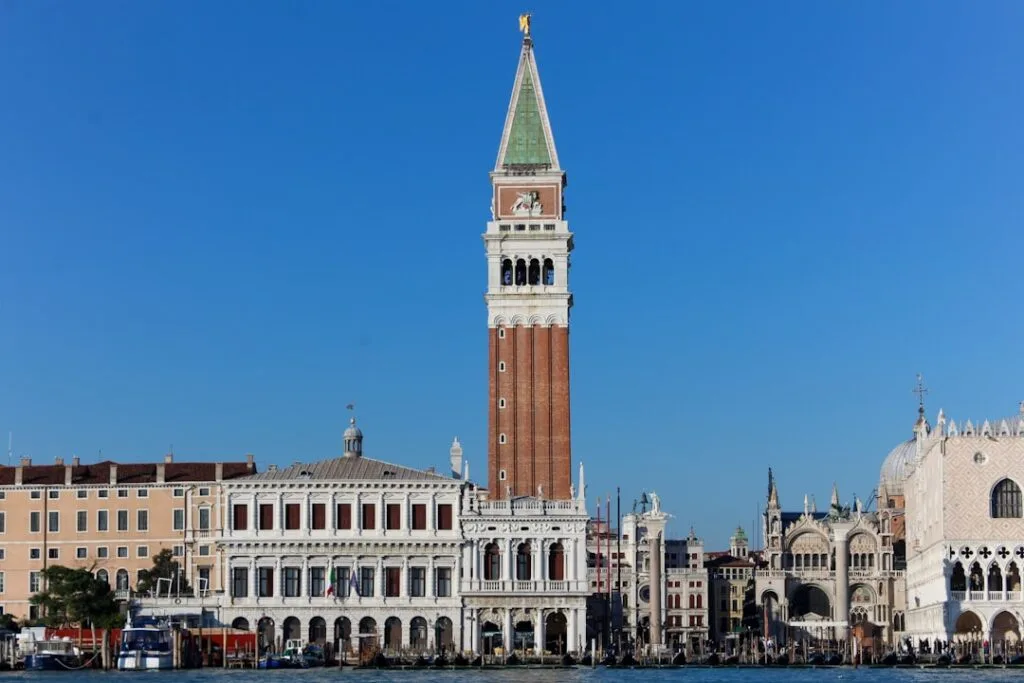
- Morning: Sunrise at Basilica di San Marco (Piazza San Marco, 328, 30124 Venezia VE) then visit the Campanile di San Marco (opens around 9:30, ticket about €10).
- Late morning: Walk along the Grand Canal from Riva degli Schiavoni to Ponte di Rialto (Rialto, 30125 Venezia VE); stop at the Mercato di Rialto.
- Afternoon: Visit the Gallerie dell’Accademia (Campo della Carità, 1050, 30123 Venezia VE). Dinner in Dorsoduro.
Rainy or cold day (winter):
- Morning: Museum — Peggy Guggenheim Collection (Dorsoduro, 701, 30123 Venezia VE) to enjoy a warm indoor visit.
- Midday: Lunch in an osteria; visit the Palazzo Ducale (Piazza San Marco, 1, 30124 Venezia VE).
- Evening: Concert or performance in a historic venue; a canal-side stroll if weather permits.
Very hot day (summer):
- Early morning: Get up early to visit the basilica and the market before the heat hits.
- Noon: Return to the hotel or a cool museum for a siesta.
- Late afternoon and evening: Take a vaporetto ride on the Grand Canal at sunset or dine on a canal-side terrace.
Conclusion
Choosing the best season to visit Venice really comes down to what you want from the trip: winter calm and the magic of Carnevale, the blooming and bright days of spring, summer’s buzz or the golden softness of autumn. From a purely weather-focused perspective, spring and autumn generally offer the best compromise between pleasant temperatures, photography-friendly light and moderate crowds. Summer, despite heat and crowds, brings lively nightlife and long sunny days; winter reveals a more intimate, often melancholic Venice, enlivened by cultural events like the Film Festival and sometimes by the dramatic spectacle of acqua alta.
Whatever time you choose, take the time to organize your visits: book tickets for the Basilica di San Marco and its museum areas, the Palazzo Ducale (Piazza San Marco, 1, 30124 Venezia VE), the Gallerie dell’Accademia (Campo della Carità, 1050, 30123 Venezia VE) and the Peggy Guggenheim Collection (Dorsoduro, 701, 30123 Venezia VE) in advance, and plan alternatives for bad weather — museums, historic cafés and bacari tucked into the campi. Don’t forget to adapt your clothing (waterproof boots for acqua alta, a rain jacket for autumn, sunscreen for summer) and to use public transport (ACTV vaporetto) strategically to avoid peak times. Above all, respect the city: its history, its residents and its rules help keep Venice the unique place it is. Safe travels and enjoy the Serenissima, whatever the season or the weather!