





INTRODUCTION
Venice is an open-air museum where history, art and water intertwine on every corner. Yet choosing the best time to visit Venice’s museums isn’t just about dates and crowds: the weather plays a decisive role. Humidity, cold, fog or episodes of « acqua alta » (high tides) can turn a day of discovery into an uncomfortable experience, while a mild spring or a bright autumn can make every artwork more accessible and memorable.
In this article we break down the best times to visit Venice’s main museums taking seasonal weather into account: spring (March–May), summer (June–August), autumn (September–November) and winter (December–February). We’ll cover flagship museums such as the Palazzo Ducale (Doge’s Palace), the Gallerie dell’Accademia, Museo Correr, the Peggy Guggenheim Collection and Ca’ Rezzonico — giving exact addresses, opening hours, prices in euros, immersive descriptions and local practical tips to optimize your visit based on the weather. You’ll also find tips for handling ticketing, queues, and the best time of day to enjoy a calm, comfortable visit.
Weather affects not only your personal comfort (clothes, shoes, umbrella) but also logistics: vaporetto access, the ability to reach certain areas during high tides, and visibility for appreciating palace façades or the details of a painting. For example, foggy winter days can heighten the atmosphere of the canals but make outdoor photography tricky; intense summer heat can make long lines unbearable without air conditioning; autumn, often mild, is ideal for combining outdoor strolls and museum visits. We’ll also include local practical recommendations — where to stow an umbrella, how to book in advance, and how to avoid the areas most exposed to acqua alta — so your time in Venice’s museums is smooth, pleasant and memorable.
Whether you’re a fan of 15th-century Venetian painting or curious about modern art, this guide will help you plan your visits around the weather to make the most of Venice’s artistic treasures.
Spring in Venice: the perfect season for classical museums
Spring (March to May) is often considered the best season to visit Venice’s museums. Temperatures are mild (typically 12–20 °C), days lengthen and rainfall is moderate. Tourist numbers start to rise but remain far below summer peaks, allowing for quieter experiences in places like the Gallerie dell’Accademia or the Museo Correr.
Gallerie dell’Accademia
Address: Campo della Carità, Dorsoduro 1050, 30123 Venezia VE
Hours: usually 8:15 – 19:15 (closed on some Mondays, check before you go)
Price: around €12–€15 for standard entry, reduced rates for youth and residents
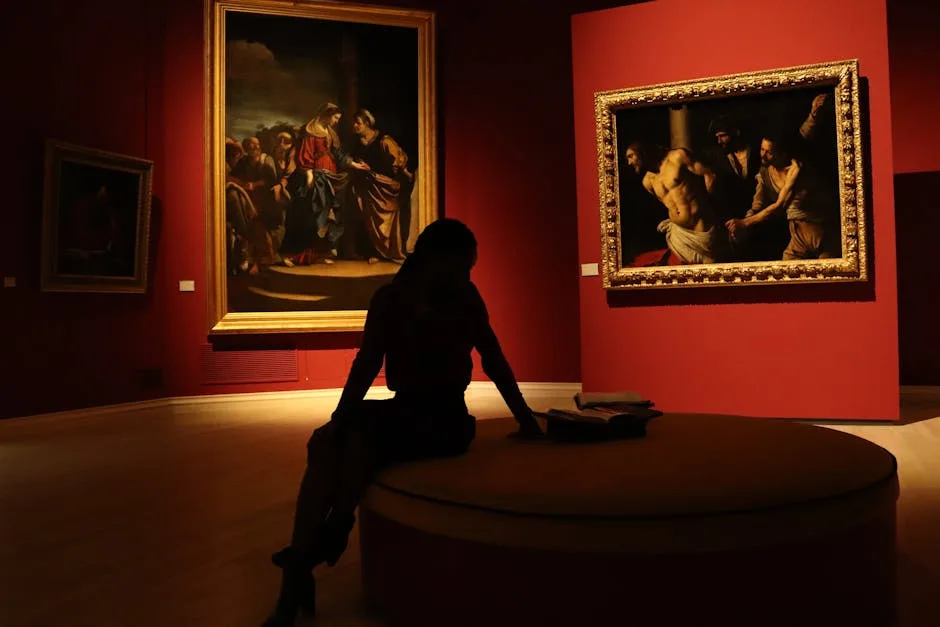
Description: Housed in a historic building overlooking the Grand Canal, the Gallerie dell’Accademia holds the largest collection of Venetian painting, with works by Bellini, Carpaccio, Titian and Veronese. In spring, the soft morning light filtering through the large windows brings out the gilding and glazes in the paintings. The temperate climate allows for long, focused visits without the fatigue of summer heat.
Museo Correr and St. Mark’s Square
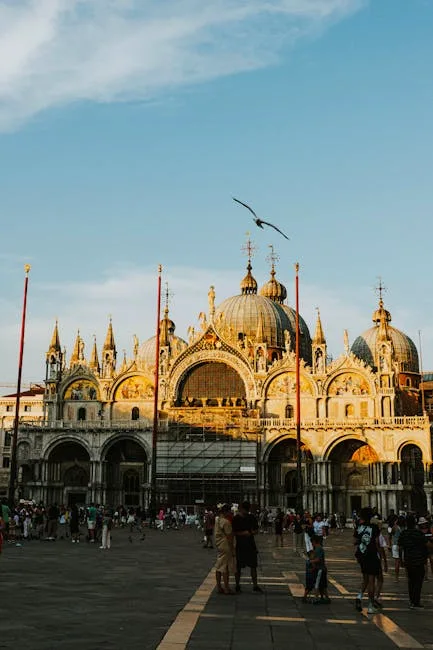
Address: Piazza San Marco, 52, 30124 Venezia VE
Hours: generally 10:00 – 19:00 (hours vary by season, closed some weekdays)
Price: around €10–€14 for access to the permanent collections, combo tickets available
Description: Located on the famous Piazza San Marco, the Museo Correr offers an overview of the civic and artistic history of the Venetian Republic. The archaeology rooms, Napoleonic collections and historic apartments benefit from stable indoor temperatures in spring, encouraging longer, more comfortable visits. Queues at the entrance stay reasonable in the morning; book a time slot to avoid waiting in spring showers if they occur.
Practical tips for spring:
- Visit early in the morning (or late afternoon) to enjoy flattering light and lighter crowds.
- Bring a lightweight waterproof jacket and closed shoes: alleyways can be damp in the morning.
- Book your tickets online (timed entry) for the Gallerie dell’Accademia and Museo Correr to avoid queues, especially during Holy Week and Easter holidays.
Summer and heatwaves: air-conditioned museums and crowd strategies
Summer (June to August) in Venice means long sunny days, high temperatures and a massive influx of tourists. Air-conditioned museums are havens of cool but also attract long queues and waiting times. Planning your visits carefully and choosing the right museums is essential to avoid discomfort from heat and crowds.
Palazzo Ducale (Doge’s Palace)
Address: Piazza San Marco, 1, 30124 Venezia VE
Hours: generally 8:30 – 19:00 (extended hours in high season)
Price: combined tickets with Museo Correr possible; standard ticket around €25–€30 for the apartments and museum, discounts available
Description: The Palazzo Ducale remains one of Venice’s most visited sites. In summer, aim to visit early at opening to avoid the tourist waves and enjoy major rooms like the Hall of the Great Council (Sala del Maggior Consiglio) before the crowds arrive. The palace’s large halls and vaulted ceilings offer relative coolness; some temporary exhibitions are air-conditioned, making a daytime visit pleasant even in heat.
 Click here to book your skip-the-line tour of the Doge’s Palace

Peggy Guggenheim Collection
Address: Palazzo Venier dei Leoni, Dorsoduro, 701-704, 30123 Venezia VE
Hours: 10:00 – 18:00 (hours vary in summer, last admission often 17:00)
Price: around €13–€16 for entry, reduced rates for students and seniors
Description: Set in the charming Palazzo Venier dei Leoni on the Grand Canal, the Peggy Guggenheim Collection is perfect for a summer afternoon: modern art, shaded gardens and dimmed galleries offer a cool contrast to the heat outside. Exhibitions are designed to be digestible in length, allowing you to combine a visit with a coffee break in the garden.
Click here to book your Peggy Guggenheim admission
Practical tips for summer:
- Book tickets online and pick early morning or late afternoon slots.
- Prefer smaller, air-conditioned museums (Peggy Guggenheim, Ca’ Pesaro) during the hottest hours.
- Stay hydrated and wear light clothing, but bring a shawl for cool interiors.
- Avoid peak hours (11:00–15:00) at the Palazzo Ducale; if possible, pair a morning palace visit with a relaxed afternoon by the Grand Canal.
Autumn and winter: low light, acqua alta and peaceful visits
Autumn (September to November) and winter (December to February) offer very different museum experiences. Autumn often brings clear, mild days ideal for combining strolls and museum time, while winter can be marked by fog, chill and — most notably — acqua alta (high tide events) that sometimes affect access to parts of the historic centre.
Ca’ Rezzonico – Museo del Settecento Veneziano
Address: Campo San Barnaba, Dorsoduro 3136, 30123 Venezia VE
Hours: normally 10:00 – 18:00 (hours vary off-season)
Price: around €10–€12
Description: Ca’ Rezzonico is a palace-museum dedicated to 18th-century Venice. Its opulent salons, woodwork and stuccoes suit the hushed atmosphere of autumn and winter. Shorter days highlight the interior lighting of the salons and make the paintings and frescoes feel more intimate. In cold periods, the visit becomes an immersion in the refinement of a Venice less exposed to tourist flows.
Access and acqua alta:
During acqua alta events (most common in autumn and winter), some parts of the city, notably Piazza San Marco, can flood. This doesn’t automatically block access to museums, but you should plan alternate routes. For example, the Museo Correr has raised access points and covered passages, but it’s wise to check local notices before heading out. Passarelle (wooden walkways) are put in place when flooding occurs; bring waterproof boots or shoe covers if you plan to visit in winter.
Click here to buy the St. Mark’s Pass for the basilica and Doge’s Palace
Practical tips for autumn and winter:
- Check the official Comune di Venezia website for acqua alta alerts.
- Favor museums reachable from vaporetto stops that are less likely to be flooded (for example, Peggy Guggenheim via the Accademia stop).
- Book indoor guided tours to benefit from expert explanations while staying sheltered from cold and rain.
General visiting tips by weather and practical recommendations
Planning your visits according to the weather not only helps you enjoy the collections better but also avoids logistical hassles. Here’s a roundup of practical tips valid for all seasons:
- Tickets: Buy your tickets online (timed entry) for Gallerie dell’Accademia, Palazzo Ducale and the Peggy Guggenheim to avoid long lines, especially in summer and spring.
- Transport: The vaporetto remains the most practical way to get around. Get off at Accademia for Gallerie dell’Accademia and Peggy Guggenheim, and at San Marco – Vallaresso or San Zaccaria for the Palazzo Ducale and Museo Correr.
- Opening hours: Museums often have variable hours in low season; check official opening times before you travel.
- Gear: In case of acqua alta, pack boots or shoe covers. In summer, bring a refillable water bottle to stay hydrated and a small fan for non-air-conditioned rooms.
- Accessibility: Many historic museums have limited access for visitors with reduced mobility; check in advance about lifts and alternate routes.
- Photography: Most museums allow photography without flash, but some temporary exhibitions prohibit photos — respect the signage.
Click here to buy a City Pass including museums and public transport

These tips will help you adapt your itinerary to the weather and make the most of the museums without suffering from meteorological hassles.
CONCLUSION
Choosing the best time to visit Venice’s museums means weighing several factors: temperature, humidity, the risk of acqua alta and tourist crowds. Spring often emerges as the most balanced season — pleasant days, flattering light and manageable crowds — ideal for places like the Gallerie dell’Accademia and Museo Correr. Summer, despite heat and crowds, allows you to enjoy air-conditioned museums like the Peggy Guggenheim Collection and to appreciate palaces at dawn. Autumn offers colors and an intimate atmosphere suited to in-depth visits, while winter, quieter, requires more attention to acqua alta but rewards visitors with a more contemplative and often cheaper experience.
Before you go, always check current opening hours and prices on museums’ official sites, pack clothes according to the forecast, and book in advance to avoid lines. Also plan alternative routes in case of flooding and favor well-served vaporetto stops. Finally, leave time to wander between visits: see the façade of the Basilica di San Marco from the quay, stop for a coffee in a campo, or watch the Grand Canal at sunset — these moments will enrich your understanding of the works on display and let you experience Venice fully, whatever the weather.