






Introduction
Venice is a city to be tasted with your eyes, your feet and, above all, your palate. Between the splendor of the St. Mark’s Basilica and the mysterious alleys of Cannaregio, the city’s true culinary soul reveals itself in the tiny taverns known as « bacari, » where cicchetti are served — those Venetian little bites that blend history, conviviality and local know-how. Cicchetti are at once a meal, a ritual and a way of experiencing the city: you nibble, share and toast as you hop from bar to bar, often standing at the counter with a glass of wine called an ombra.
This article takes you behind the scenes of Venetian kitchens to uncover the chefs’ secrets for creating homemade cicchetti. You’ll find adapted recipes, techniques, practical tips to make them at home, and, most importantly, exact addresses where you can taste the best cicchetti in Venice. We’ll also explore the markets, typical ingredients like baccalà mantecato (creamed salted cod), sardine in saor (marinated sardines), and the local breads and toppings that make all the difference.
Every cicchetto tells a story: of a morning catch in the lagoon, a bustling stall at the Rialto market, a chef turning simple ingredients into an explosion of flavor. For curious travelers, knowing these secrets, the addresses and opening hours of popular bacari, is the key to living Venice like a local. Throughout the article we’ll give approximate prices in euros to help plan your budget: a cicchetto typically costs between €1.50 and €4.50, a glass of wine €2.00 to €5.00, though some tourist-oriented places may charge more.
The practical tips included here will help you avoid tourist traps, time your visits for an authentic aperitivo, and bring home recipes that stay faithful to Venetian traditions. We’ll also recommend the best times to visit nearby landmarks such as the Doge’s Palace (Palazzo Ducale) and St. Mark’s Square (Piazza San Marco), so you can plan a full day: culture in the morning, market and cicchetti at midday, and a gondola ride at sunset.
Prepare your taste buds: in the sections that follow you’ll find detailed recipes, step-by-step instructions, vegetarian alternatives, wine-pairing ideas and must-visit addresses with opening hours and price ranges. Our aim is simple: to give you the keys to understand, recreate and above all savor the art of the cicchetto, in Venice and beyond.
 Click here to book your ticket to the Doge’s Palace

Must-visit spots for cicchetti in Venice
To really understand the cicchetto culture, start with the places where it shines. Here’s a selection of iconic bacari with exact addresses, opening hours, price ranges and local tips so you can visit like a connaisseur.
Cantina Do Spade
Address: Calle Do Spade, 859, 30125 Venezia VE, Italy. Hours: generally open Monday to Sunday, 10:00–22:00 (seasonal variations). Prices: cicchetti €2.00 – €4.50, glass of wine €2.50 – €5.00.
Description: Located a stone’s throw from the Rialto Bridge, Cantina Do Spade is a historic bacaro where tourists and locals mix. Platters of cicchetti line the counter: slices of grilled polenta, baccalà mantecato on lightly toasted bread, and little skewers of cuttlefish. The vibe is loud and friendly — perfect for a first taste of Venetian flavors.
Local tip: arrive before noon to avoid the lunch rush and pair your cicchetti with a glass of local Prosecco. If you want to try an iconic cicchetto, ask for the « baccalà mantecato » — you’ll often see the cooks whipping it up right in front of you.

Osteria al Squero
Address: Fondamenta dei Squero, 4217, 30123 Venezia VE, Italy. Hours: open Tuesday to Sunday, 12:00–15:00 and 18:00–22:30 (closed Monday; seasonal changes possible). Prices: cicchetti €2.00 – €4.00, spritz or wine €3.00 – €6.00.
Description: Al Squero sits on the bank of the Fondamenta dei Squero, facing a gondola workshop (squero di San Trovaso). The spot offers a picture-postcard view of gondoliers at work. Cicchetti here focus on lagoon-fresh ingredients: small fried bites, baked mussels, and paninetti filled with local cheeses. The space is tiny and often packed, encouraging chatter between regulars.
Local tip: come late afternoon to catch the sunset behind the squero and share several cicchetti rather than ordering a single plate. Payment is often cash — bring small bills and coins.
Osteria Alla Vedova
Address: Calle della Malvasia, 3760, 30122 Venezia VE, Italy. Hours: open daily 11:00–23:00 (times may vary). Prices: cicchetti €2.00 – €5.00, hot dishes €8.00 – €18.00, glass of wine €3.00 – €6.00.
Description: A touch more formal and famous for its « fegato alla veneziana » (Venetian-style liver), Alla Vedova also serves traditional cicchetti. The kitchen produces hearty warm tapas, like cod croquettes and slices of toasted bread topped with marinated anchovies. The interior is decorated with old photos, giving it the atmosphere of a classic osteria.
Practical tip: if you’re in a group, order a selection of cicchetti and a main to share. Reserve if you want a seated table, especially in the evening. Credit cards are often accepted, but it’s wise to have cash for quick counter orders.
Click here to Book a cicchetti and wine food tour
Homemade recipes: baccalà mantecato and variations
Baccalà mantecato is one of Venice’s most iconic cicchetti. Its airy texture and gentle flavor make it a perfect spread on crostini. Here’s a recipe true to Venetian tradition, followed by variations to adapt it to your kitchen.
Classic baccalà mantecato recipe (serves 4)
- Ingredients: 600 g of desalinated salted cod (baccalà), 200 ml extra virgin olive oil, 1 garlic clove, 50 ml milk (optional), chopped flat-leaf parsley, freshly ground black pepper.
- Preparation: 1) Desalt the cod by changing the water for 24–48 hours in the refrigerator. 2) Poach the cod in gently simmering water for about 10–15 minutes until tender. Drain and remove any bones. 3) Flake the flesh and place it in a warm bowl. Add the crushed garlic and begin to emulsify the cod by adding the olive oil in a thin stream while whisking vigorously (or use an immersion blender on very low speed) until you achieve a creamy texture. 4) Adjust with a little milk if needed, season with pepper and parsley.
- To serve: spread on toasted bread slices or crostini, finish with a drizzle of olive oil and a little lemon zest if desired.
Sensory description: the cream is smooth, slightly briny, lifted by garlic and the freshness of parsley. Served warm or at room temperature, it pairs beautifully with a glass of Soave or a dry Prosecco.
Variations: for a modern twist, fold in a spoonful of mascarpone for extra silkiness, or add chopped capers for a tangy punch. For a vegetarian-inspired option, substitute the cod with a purée of roasted cauliflower and emulsify it the same way with olive oil to recreate the texture.
Click here to book a pasta and Spritz workshop

Sardine in saor, polenta and other traditional cicchetti
Beyond baccalà mantecato, Venetian cuisine offers a wide range of cicchetti, often born from local fishing and peasant know-how. Here are some classics and how to prepare them at home, plus buying and storage tips.
Sardine in saor
- Ingredients: 500 g fresh sardines, 250 g onions, 100 ml white wine vinegar, 50 g raisins, 30 g pine nuts, flour, oil for frying, salt and pepper.
- Preparation: 1) Clean and fillet the sardines, lightly flour them and fry until golden. 2) In a pan, gently caramelize the onions then deglaze with vinegar. Add raisins and pine nuts. 3) Layer the sardines and the onion sauce, let rest at least 24 hours in the fridge so the flavors meld.
- To serve: bring to room temperature and serve on a bed of cooked polenta or on slices of bread. This dish keeps well and improves with time.
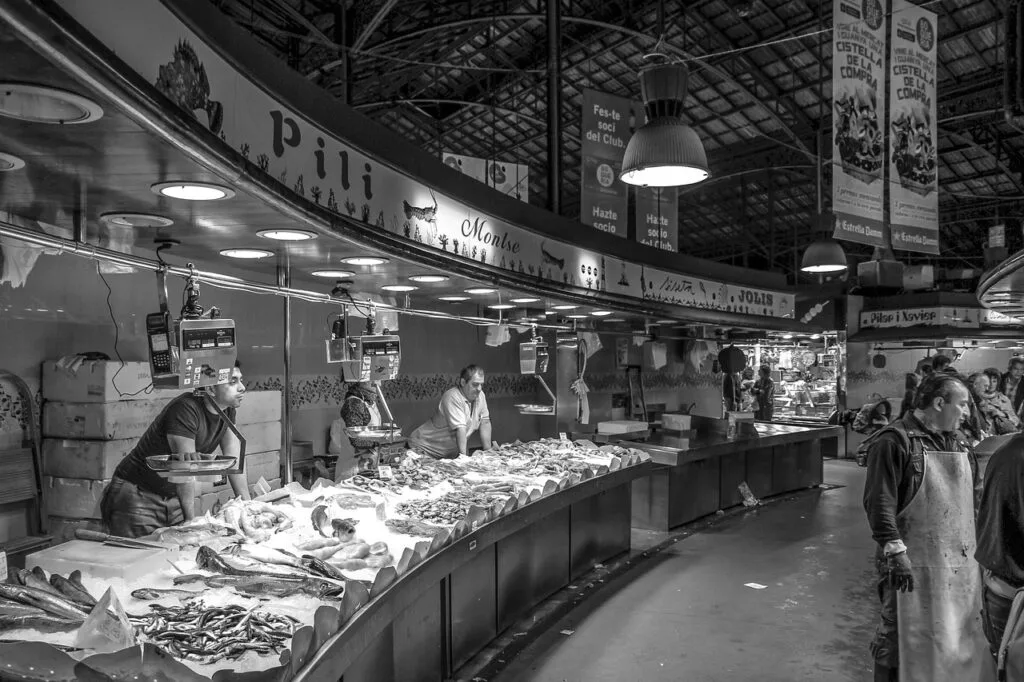
Market tip: buy very fresh sardines at the Rialto Market (Ponte di Rialto, mercato pescheria, 30125 Venezia VE) early in the morning between 07:00 and 10:00. Fishmongers sell the day’s catch — bargain politely and ask which sizes are best for frying.
Click here to book a market tour and cooking class
Polenta and crostini variations
Grilled polenta is a perfect base for savory toppings. Slice the polenta, grill it and top with: sun-dried tomatoes, marinated anchovies, mushroom cream, or local goat cheese. Venetian bread crostini (savory brioche or pane carasau depending on the region) offer more textures to experiment with.
Local tip: ingredient freshness makes all the difference. Buy ripe tomatoes, a local cheese like Montasio or fresh ricotta, and use good-quality extra-virgin olive oil. A proper spritz or a glass of dry white wine is the perfect companion.
Food and wine pairings, etiquette and practical tips
The cicchetto ritual includes wine — often a local dry white or Prosecco, and sometimes a spritz for livelier moments. Here’s how to pair dishes and some local etiquette to help you enjoy the experience to the full.
Recommended pairings
- Baccalà mantecato: Soave Classico or Pinot Grigio, glass €3.00 – €6.00.
- Sardine in saor: Vermentino or a crisp Lugana to balance the vinegar.
- Small fried fish: Prosecco or a Valdobbiadene brut — the bubbles cleanse the palate.
- Richer dishes (liver, meats): a light local red like Merlot del Veneto.
Etiquette tips: in most bacari you order at the counter — grab your cicchetto, pay and find a spot to enjoy it. Venetians often eat standing for a quick aperitif; if you want to sit, ask for a table and wait for a free one. Have small change ready — tiny places often prefer cash for single portions and individual drinks.
Practical tips for combining cicchetti with sightseeing: start early at the Rialto Market (open 07:00–14:00 depending on stalls), stop by the Doge’s Palace (Piazza San Marco, 1, 30124 Venezia VE; tickets about €25 for museum entry, usual hours 09:00–19:00), then descend toward the bacari for a tapas-style lunch. In the evening, favor less touristy neighborhoods like Dorsoduro or Castello for a more local vibe.
Click here to book a Prosecco hills tour
Logistics tip: wear comfortable shoes — Venice is best explored on foot and there are many bridges. If you have luggage, avoid vaporetto (water bus) rush hours between 08:00–09:30 and 17:00–19:00. For payments, always carry €20–50 in cash for small tastings.
Plan a cicchetti crawl in Venice: recommended route
Putting together a little cicchetti route lets you taste a range of bites while discovering different neighborhoods. Here’s an afternoon itinerary with suggested times, walking distances and practical tips.
- Start: Rialto Market (Ponte di Rialto, 30125 Venezia VE) — browse the stalls 09:00–10:00. Pick up fish, vegetables and bread to get inspired by local produce.
- Stop 1: Cantina Do Spade (Calle Do Spade, 859) — cicchetti and a glass of wine 10:30–11:30.
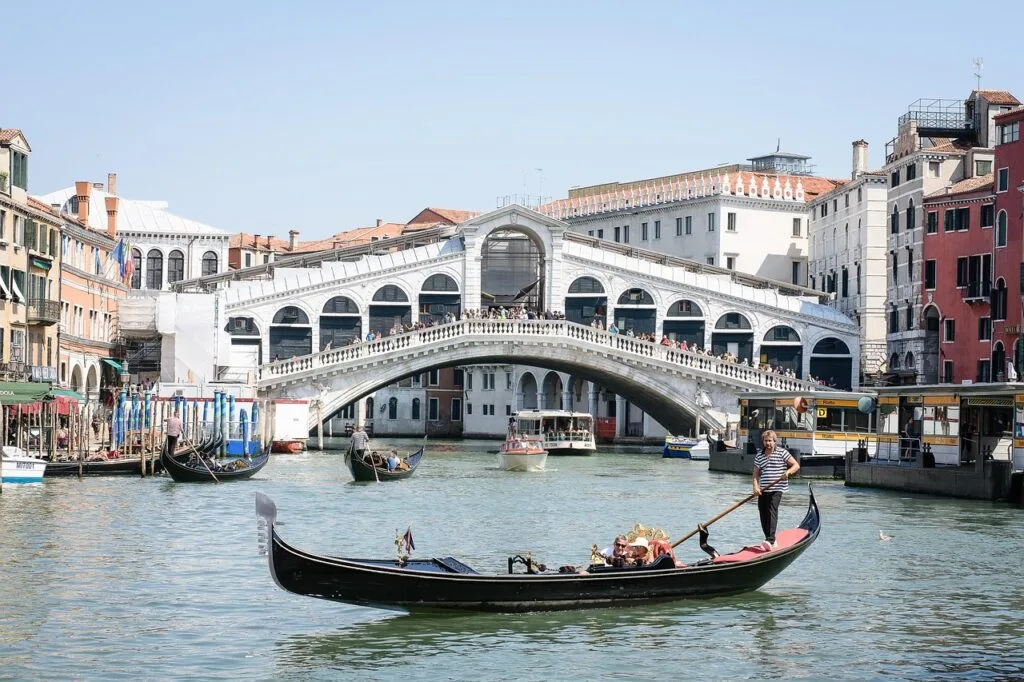
- Walk: cross San Polo then head to Dorsoduro via the Ponte dell’Accademia to admire the Gallerie dell’Accademia (Campo della Carità, 1050, 30123 Venezia VE).
- Stop 2: Osteria al Squero (Fondamenta dei Squero, 4217) — late afternoon for sunset 17:30–19:00.
- Evening: finish in Castello or return toward Piazza San Marco for a late drink (Caffè Florian, Piazza San Marco, 57, 30124 Venezia VE; open 09:00–01:00 depending on season, higher prices €6.00+ for a coffee or aperitif).

Click here to book a cicchetti and wine food tour
Logistics tip: wear comfortable shoes — Venice is walked and there are many bridges. If you have luggage, avoid vaporetto rush hours between 08:00–09:30 and 17:00–19:00. For payments, keep €20–50 in cash for small tastings.
Conclusion
Cicchetti are much more than small bites: they express a local culture and connect fishermen, craftspeople, chefs and inhabitants of Venice. By exploring bacari like Cantina Do Spade, Osteria al Squero or Alla Vedova, wandering through the Rialto Market and marveling at St. Mark’s Basilica and the Doge’s Palace, you create a full sensory journey. Traditional recipes like baccalà mantecato or sardine in saor are easy to recreate at home if you respect the techniques and choose the right ingredients: good olive oil, fresh fish, crusty bread and fresh herbs.
Embarking on a cicchetti crawl in Venice means accepting a different rhythm: one of shared tasting, impromptu counter conversations and simple raised glasses. Our practical tips — opening hours, precise addresses, indicative prices and wine-pairing recommendations — will help you get the most out of this authentic experience. Remember that the best discoveries sometimes come from chance encounters: ask the bartender what’s fresh today, follow the local crowd and let yourself be surprised by an unfamiliar specialty.
Finally, keep in mind that Venice is a city to be preserved. Respect the spaces, avoid consuming in protected areas, and favor local businesses to support the city’s economy. Whether you make your own cicchetti at home or set off to explore the bacari, the pleasure is the same: sharing simple, powerful flavors steeped in history. Buon appetito e buona Venezia!
Click here to Book the ultimate culinary tour with wine and spritz