





Introduction — Cicchetti route: from Rialto to Dorsoduro
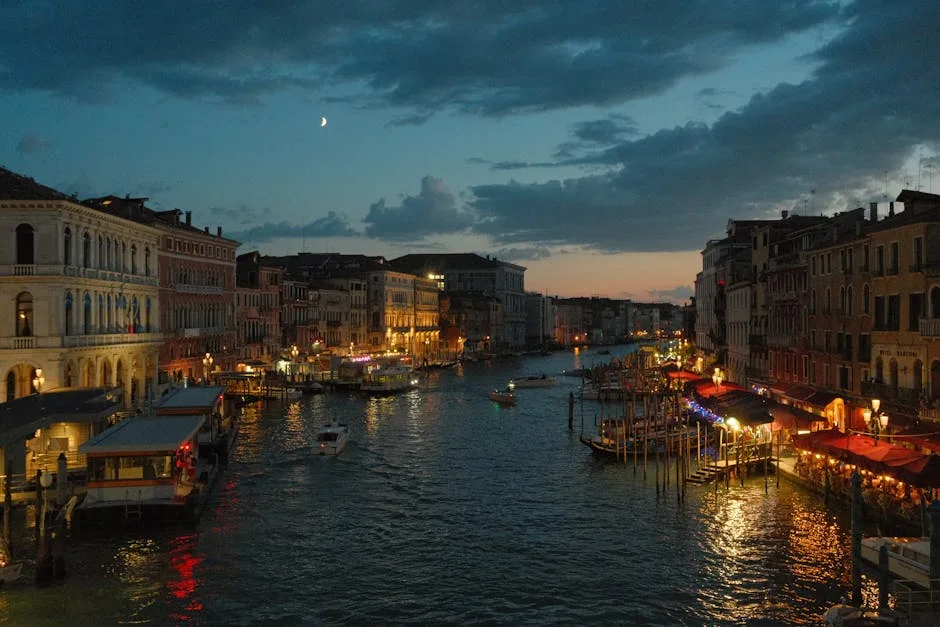
Venice is best discovered by slow wandering, by bridges that come like breaths, and above all by the shared flavors found in the famous bacari — the little bars where you nibble cicchetti while sipping an ombra. The « Rialto to Dorsoduro » route is one of the richest walks for those who want to blend history, architecture and popular Venetian gastronomy. Starting at the Rialto Bridge (Ponte di Rialto) lets you take in the city’s grand story from the outset: the Grand Canal, palazzo façades, and the market buzzing with sea scents. As you move south and west, the stroll leads into more bohemian quarters and the peaceful banks of Dorsoduro, home to artists’ studios, major museums and bacari that are less touristy and all the more authentic.
This route is more than a list of addresses: it’s a sensory itinerary. Cicchetti — small bites both simple and precise — tell the city’s story as much as the palaces do. They are enjoyed standing at the counter or seated at a worn wooden table, accompanied by a glass of local white wine or a classic spritz. Between Rialto and Dorsoduro you’ll encounter landmarks like the Mercato di Rialto, the Ponte di Rialto, the basilica of Santa Maria della Salute and the Peggy Guggenheim Collection. Each stop offers a different setting and atmosphere: from the market’s bustle to the contemplative calm of a baroque church, and the narrow lanes where boats weave under the Venetian saltarello air.
The article that follows offers a detailed cicchetti route proposal: precise addresses, opening hours, indicative prices in euros, immersive descriptions and practical tips on how to choose your bites, respect local customs and make the most of the atmospheres. Whether you’re a solo traveler looking for a friendly drink, a couple after a romantic aperitif at sunset, or an art lover wanting to link a museum visit with a tasty break, the Rialto–Dorsoduro route unfolds in easy-to-follow stages on foot (or by vaporetto for longer links). Get your taste buds, walking shoes and camera ready: Venice can also be told through its small plates.
Rialto Bridge and Mercato di Rialto — Setting the scene (Rialto)
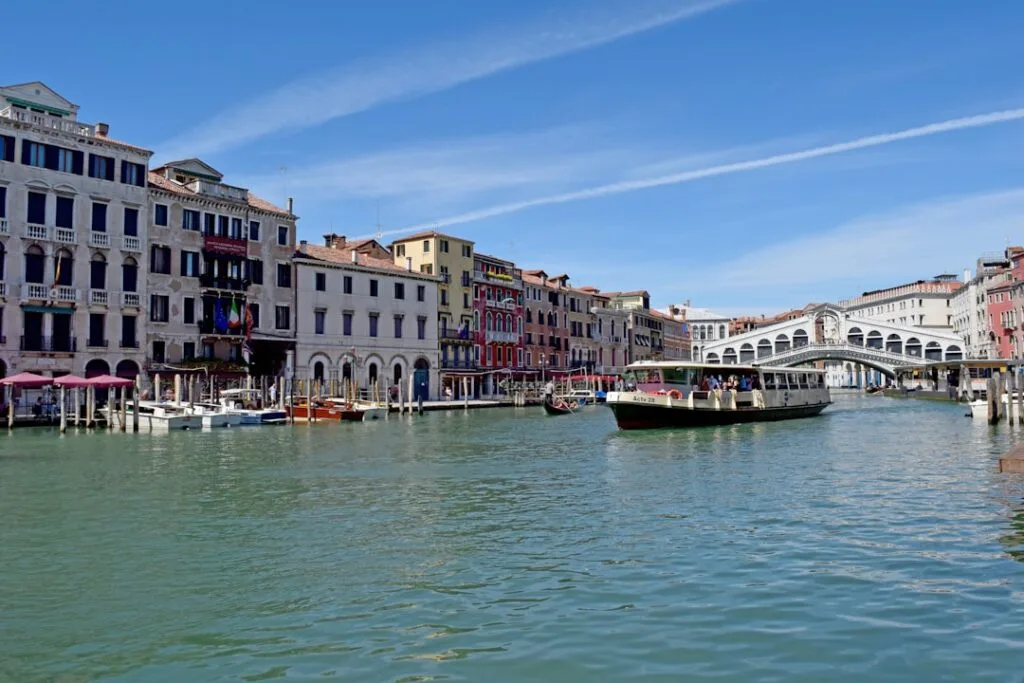
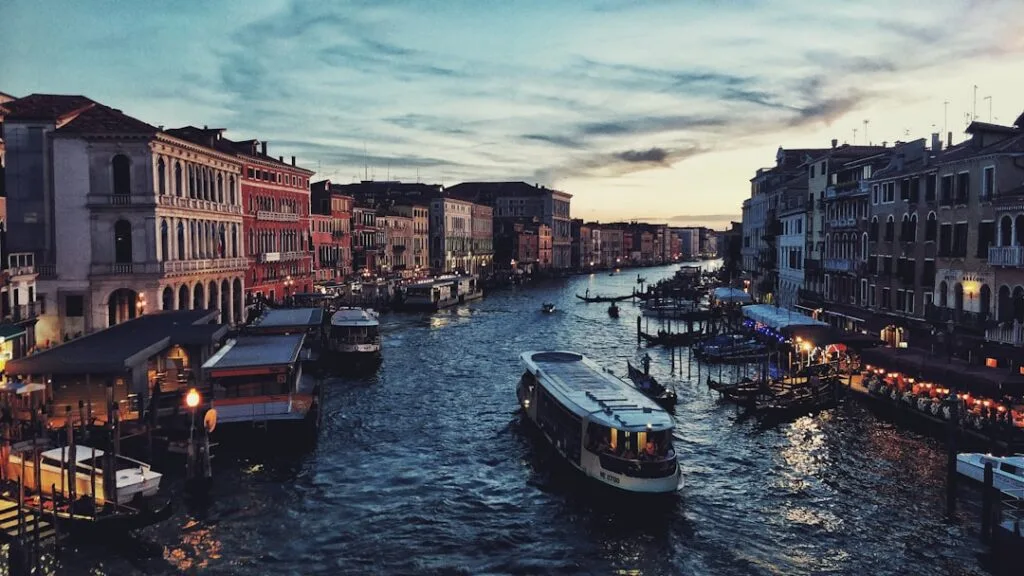
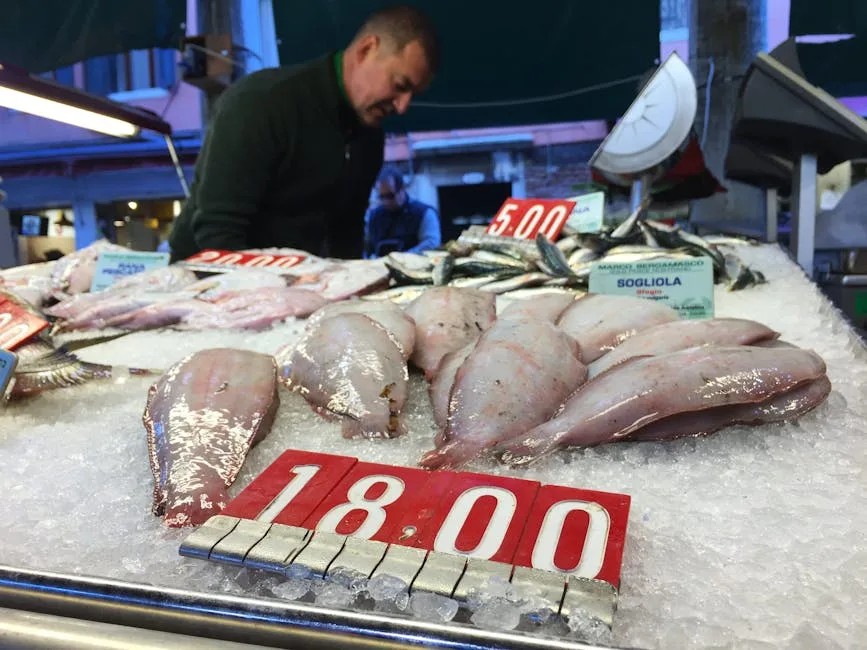
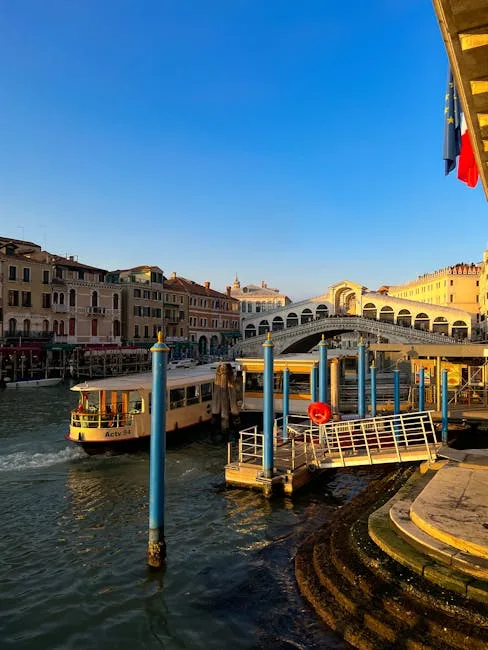
Ponte di Rialto (Ponte di Rialto, 30125 Venezia VE) is often the symbolic starting point for a cicchetti route. This 16th-century stone bridge, designed by Antonio da Ponte, offers a spectacular view of the Grand Canal. Opposite, the Mercato di Rialto — made up of the Mercato di Rialto (Pescaria) at Campo de la Pescaria and the covered Mercato di Rialto along the Fondamenta — is the ideal place to feel the city: freshly caught fish, colorful vegetables and vendors who know their customers. Useful address: Mercato di Rialto, Campo San Giacometto / Campo de la Pescaria, 30125 Venezia VE.
Opening hours: the Mercato di Rialto (Pescaria) mainly operates in the morning, from 07:00 to 13:00, with busiest times around 08:00–10:00. The best time to photograph it is early morning, when light caresses the stalls and the fishmongers are busy. The bridge is accessible 24/7, but avoid peak hours (11:00–15:00) if you want photos without crowds.
Cicchetti tip: Right next to the market, look for a bacaro for a first drink and a selection of fish-based cicchetti — marinated anchovies (sarde in saor), baccalà mantecato (creamed cod) on grilled polenta or small shrimp bruschette. Prices vary: a simple cicchetto costs between €1.50 and €3.50, while a glass of local white wine is around €2.50–€4.50. Have change on hand, as some places still take few cards.
Heading toward San Polo — Historic bacari and shopping lanes
Heading west from Rialto, the San Polo district reveals a concentration of historic bacari. Among them, Cantina Do Mori (Calle dei Do Mori 429, 30125 Venezia VE) is one of Venice’s oldest osterie, famed for its authentic atmosphere and walls steeped in history. Approximate hours: open Monday to Saturday from 10:00 to 20:00 (closed some Sundays); prices: cicchetti €1.50–€4.50, half-bottles and bottles depending on selection, glasses of wine from €2.50.
All’Arco (All’Arco, San Polo 430) is another classic, known for its small sandwiches and plates of local cured meats. Though often crowded, it’s worth the experience. Immersive description: step in, breathe the smell of warm bread and prosciutto, watch the comings and goings at the counter where orders are called out. Cicchetti here are made quickly, served on a small tin or paper plate, to be eaten standing, as tradition dictates.
Practical tips: favor the « in-between » hours (around 11:00 or 16:00) to avoid the noon rush. Ask the server for a local wine suggestion — Prosecco is popular, but a Veneto bianco IGT often pairs better with seafood. Note that some bacari don’t have formal plates: take a piece of bread to pick up toppings and carry a small waterproof bag for purchases, as the lanes can be damp.
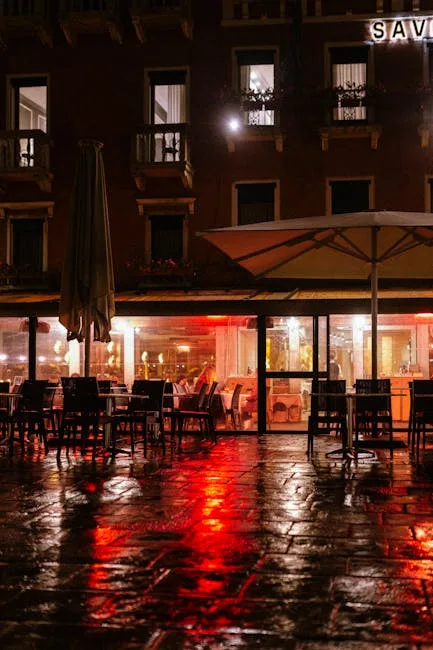
Cicchetti route: Rialto to Dorsoduro
Are you following the route from the Rialto Bridge to Dorsoduro tasting each stop? This selection highlights options to combine museums and cicchetti, from standalone skip-the-line tickets to guided gourmet tours. They slot naturally into the walk described above, according to your pace and curiosity.
1. Peggy Guggenheim skip-the-line ticket
Self-guided rapid access to the modernist collection so you can spend more time on the artworks and sculpture garden. Ideal if you want a short visit followed by cicchetti in Dorsoduro without waiting in line.
- ⏱️ Duration: 1 day
- 🎟️ Access: Skip-the-line
- 💡 Highlight: Flexibility and time saved
 Book the skip-the-line ticket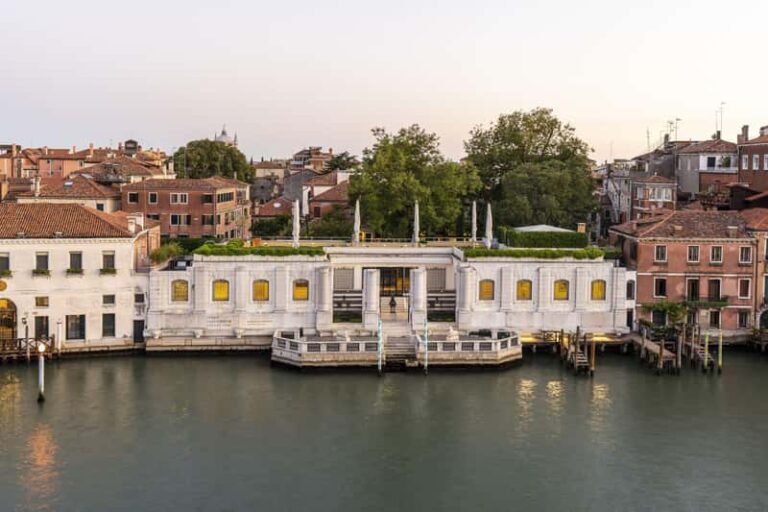
2. Food tour with wine and spritz
A 3-hour guided route mixing local stories and tastings: spritz, prosecco and assorted cicchetti in selected bacari. Great if you want to learn while tasting in a friendly small group.
- ⏱️ Duration: 3 hours
- 👥 Format: Small-group guided tour
- 🍹 Included: Drinks and several cicchetti
- 🗣️ Languages: English, Italian
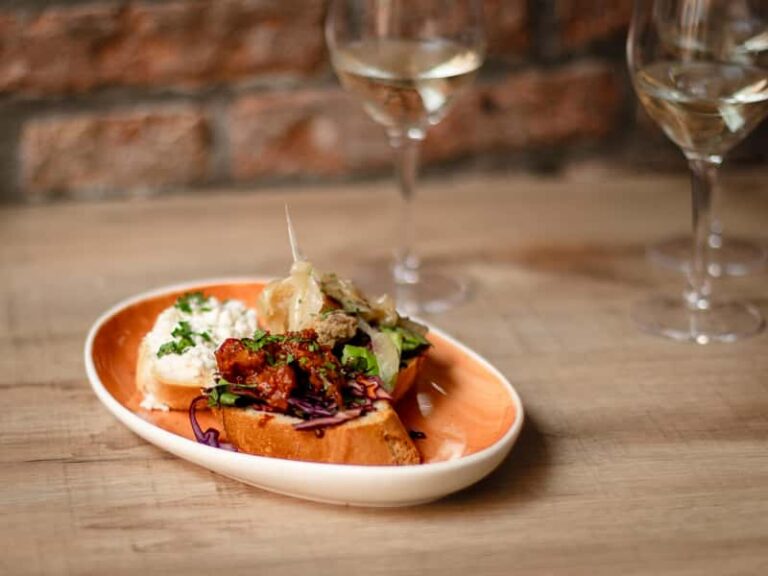
3. Cicchetti route starting from Rialto
A guided walk focused on cicchetti and wine, starting at Campo San Giacomo di Rialto. Perfect if you want a localized route and to discover spots away from the crowds.
- ⏱️ Duration: 3 hours
- 🚩 Start: Campo San Giacomo di Rialto
- 🚶 Format: Guided walking tour
- 🍹 Included: Wine and cicchetti tastings
- 🗣️ Languages: English
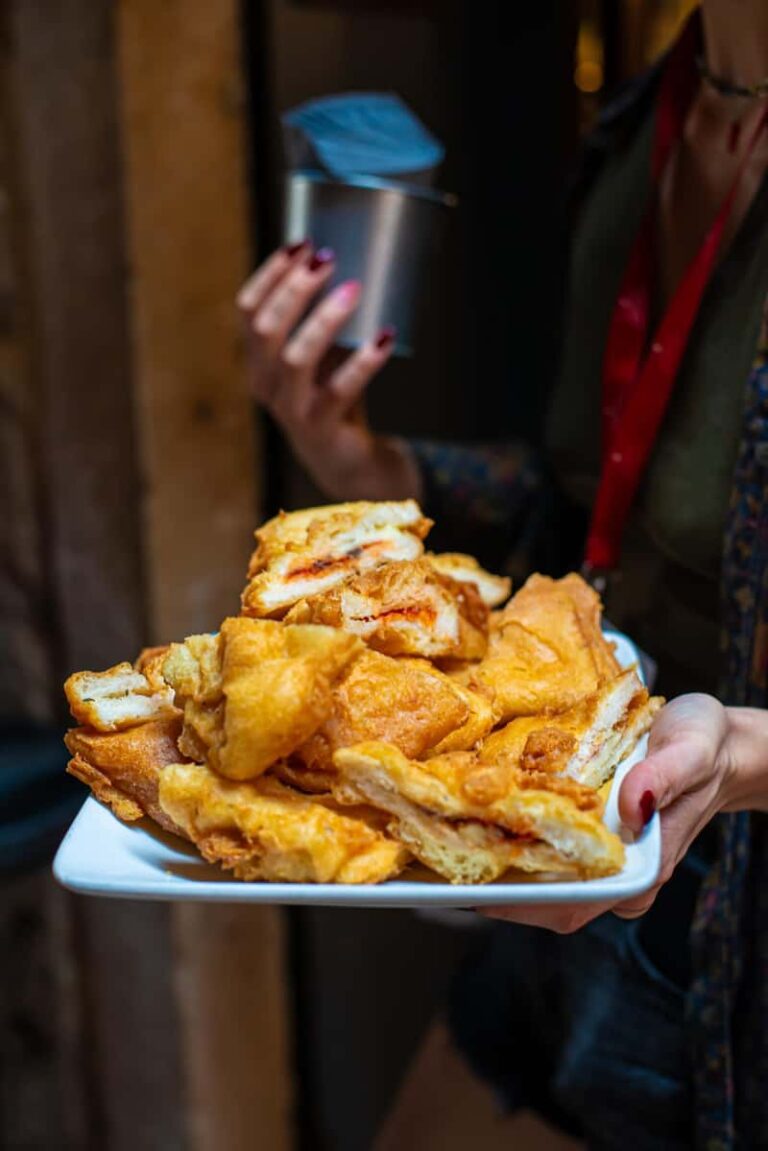
4. Peggy Guggenheim and Dorsoduro guided tour
Guided tour focused on the collection and the museum quarter: artistic context, major works and a stroll through Dorsoduro. Suited for art lovers who want to read the city after the museum.
- ⏱️ Duration: 2 hours
- 🚩 Start: In front of the Gallerie dell’Accademia
- 🚶 Format: Guided walking tour
- 🗣️ Languages: English, French, German, Italian, Spanish
Crossing into Dorsoduro — bridges, campos, and first taverns
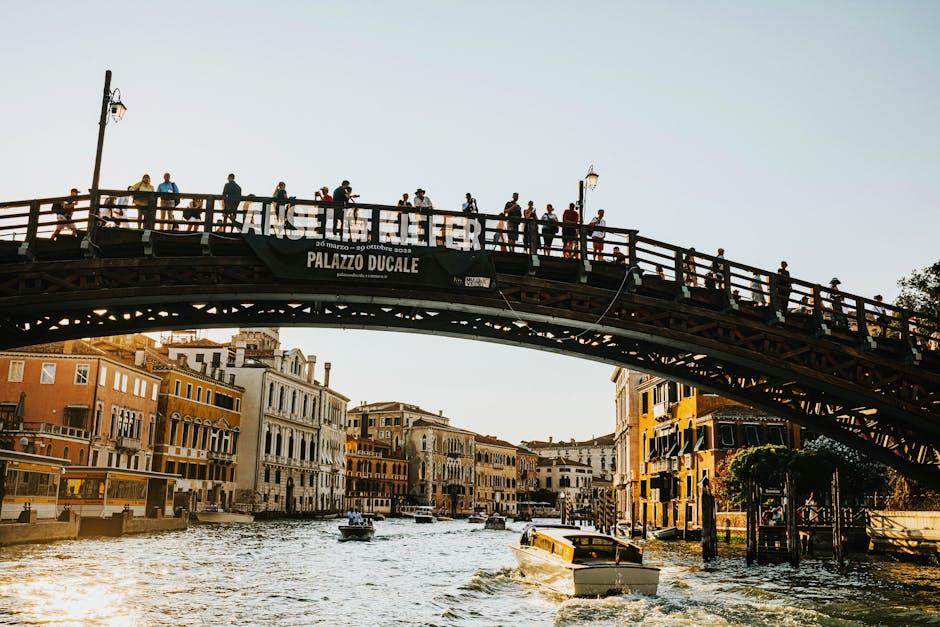
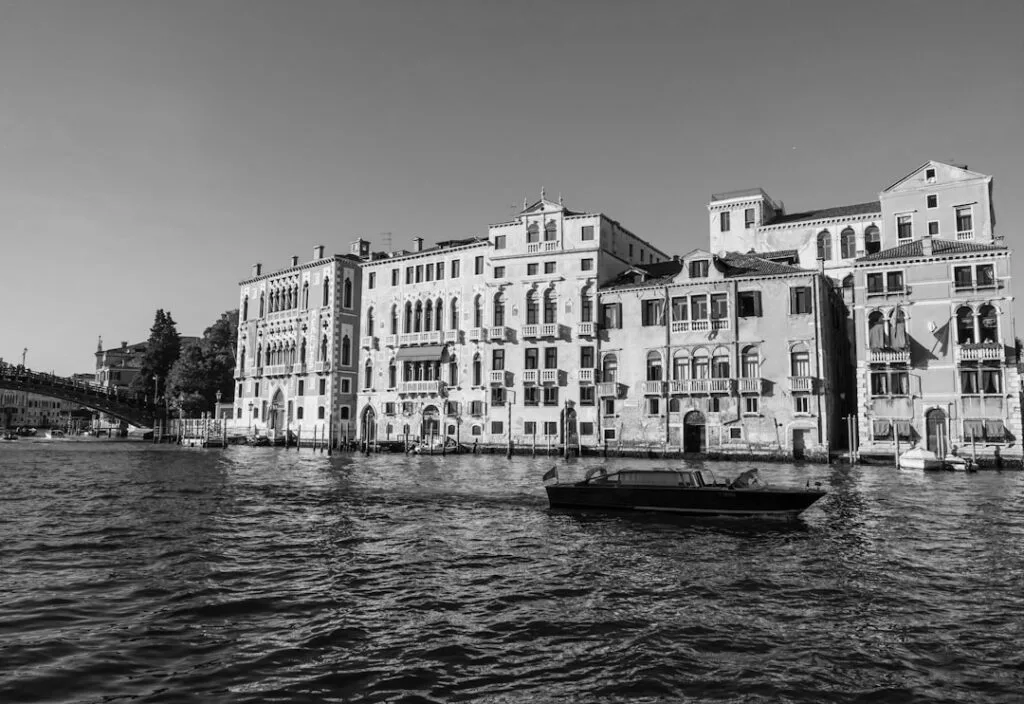
To reach Dorsoduro from San Polo, cross the Ponte dell’Accademia or take the vaporetto from Rialto to the Zattere. The Ponte dell’Accademia (Ponte dell’Accademia, near Gallerie dell’Accademia, 30123 Venezia VE) offers an intimate view of the Grand Canal and the palaces along it. Heading down to Dorsoduro means leaving tourist bustle for quieter banks: small artist studios, old bookshops and cafés where time seems to stretch.
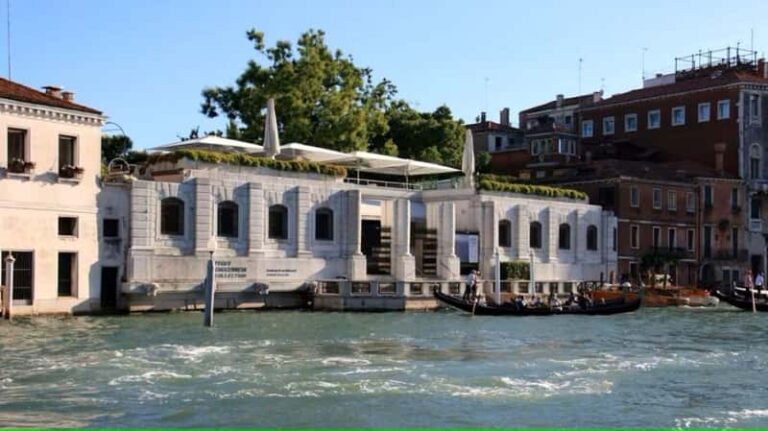
On Dorsoduro’s bank, the Zattere area is ideal for a sunny break. Recommended stop: Galleria dell’Accademia, Campo della Carità, Dorsoduro 1050, 30123 Venezia VE (museum). Opening hours: usually Tuesday–Sunday, 8:15–19:15 (closed Monday); entrance fee approx.: €12.00 for permanent exhibitions, reduced rates for students and seniors. Another cultural stop: Peggy Guggenheim Collection, Palazzo Venier dei Leoni, Dorsoduro 701, 30123 Venezia VE — typical hours: Tuesday–Sunday 10:00–18:00 (closed Monday), ticket around €15.00.
Food tip: in Dorsoduro look for more elaborate cicchetti — polenta crostini and suppli (dumplings), Venetian tapas reinvented with local produce. Prices can be a bit higher (cicchetti €2.50–€5.50) but the quality and artistic vibe make up for it. For a romantic view, sit along the Zattere at sunset with an Aperol Spritz (about €4.50–€7.00 depending on the place) and enjoy the golden reflections on the water.
Dorsoduro in depth — churches, museums and artists’ bacari
Dorsoduro stands out for its mix of cultural institutions and intimate gathering spots. The Basilica di Santa Maria della Salute (Piazza S. Marco, Dorsoduro, 30123 Venezia VE) is a baroque masterpiece visible from the tip of the Salute; exact address: Basilica di Santa Maria della Salute, Dorsoduro, Punta della Dogana, 30123 Venezia VE. Indicative opening hours: the church is generally open from 9:00 to 18:00 (may vary for ceremonies); free entry for worship, visits to the dome and adjoining museums sometimes charge a fee (prices vary, often €3.00–€6.00).
The Punta della Dogana and Fondamenta della Dogana (Dorsoduro 2, 30123 Venezia VE) offer a spectacular view of the mouth of the Grand Canal and the basilica. It’s a perfect spot to end your walk with more creative cicchetti at nearby bars. In Dorsoduro’s alleys you’ll find places like « Osteria ai Artisti » (generic name for illustration) serving local-inspired bites and natural wines — expect small plates, cicchetto prices between €3.00 and €6.00.
Practical tips: respect museum opening hours if you want to combine sightseeing and a food stop. Buy tickets online for the Peggy Guggenheim and the Gallerie dell’Accademia in high season to avoid queues. For cicchetti, favor bites made from local products (vongole, seppie, polenta, radicchio) and ask about ingredients if you have allergies. Finally, if you plan to bring back local wines or preserves, check airline transport rules and packaging; many shops offer hotel delivery services.
Local practical tips for a successful cicchetti route
– Payment and cash: many bacari still only partially accept cards; favor cash for small purchases (€1.50–€5.00). Always carry a few euros.
– Hours: cicchetti are best enjoyed as a « merenda » (late afternoon snack) around 16:00–18:00 and as an aperitif 18:00–20:00; most bacari close between 23:00 and midnight. Markets close early (around 13:00).
– Transport: the Rialto–Dorsoduro route is easily walkable in 30–50 minutes depending on stops; otherwise take the vaporetto (lines 1 and 2, stops Rialto and Zattere/Accademia). Vaporetto 90-minute ticket ≈ €8.00; day pass available (24h ≈ €23.00).
– Local codes: eat standing at the counter if the place is small; don’t leave litter on the banks or bridges; avoid « No Cicchetti » signs on some bridges and squares.
– Region and seasons: in summer expect crowds and slightly higher prices; in winter some bacari close earlier but the atmosphere is more authentic. Bring a light windproof jacket for evenings by the water.
Conclusion — Savoring Venice bite by bite
A cicchetti route from Rialto to Dorsoduro is more than a string of food stops: it’s an immersion in Venetian daily life, a way to read the city through its counters, markets and quays. Starting with the imposing view from the Ponte di Rialto and the buzz of the Mercato di Rialto, you catch the commercial and maritime energy that built Venice’s wealth. Crossing San Polo into Dorsoduro, you find neighborhoods where art, history and conviviality meet. Each cicchetto tells a piece of that story — from freshly caught fish to local cured meats, and preparations of polenta or crisp bread.
To get the most from this stroll, follow locals’ recommendations, start early to enjoy the markets, and let your nose and the street music guide you. Remember the practicals: cash for small purchases, comfortable shoes, museum tickets bought beforehand, and respect for local customs. And keep room for improvisation — the best memories often come from unplanned stops in a tiny bacaro where the owner will serve a family specialty and happily share a city anecdote.
This route is flexible: you can extend it toward Cannaregio if you want more bacari, or focus on Dorsoduro for a day of museums and refined tastings. Whatever variant you choose, the rule is the same: slow down. Take time to savor, to study the facades, to listen to conversations and to photograph the changing light on the water. Venice, after all, is best enjoyed bite by bite, bridge by bridge — and the Rialto–Dorsoduro route is one of the finest introductions.