





Introduction
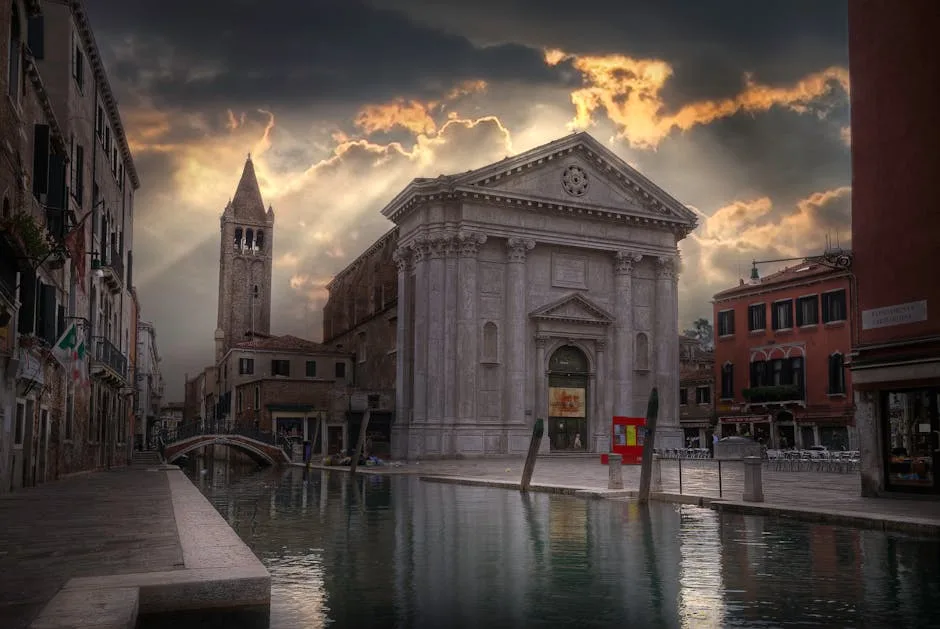
Venice is a city of water, stone and light. The best way to discover its religious heritage isn’t just to wander its labyrinthine alleys on foot, but to let the canals and the Grand Canal carry you, watching baroque, Byzantine and Gothic church facades carve the watery skyline. This water-based cultural route offers a sensory immersion: the slap of waves against walls, the golden halo reflected in the mosaics, the silhouettes of campaniles pointing up to the Venetian sky. It covers must-see buildings — their history, opening times, prices — and practical tips to fully enjoy the unique perspective that navigating Venice provides.
Seeing a church from the bank or from a boat radically changes how you perceive the monument. Volumes, portals and roofs align along the canal’s axis; the low morning or evening light reveals bas-reliefs invisible on foot; the view from the stern of a vaporetto or a gondola gives new meaning to architectural proportions. This article proposes a route between the Basin of San Marco, the island of San Giorgio Maggiore, the Giudecca and other key points, listing exact addresses, opening hours, prices and local tips. It’s for visitors who want to photograph Venice from the water as much as for those who prefer to take a quiet pause on a vaporetto terrace.
We’ll detail the monuments visible from the water: the Basilica di San Marco, the Basilica di Santa Maria della Salute, the Chiesa di San Giorgio Maggiore, the Chiesa del Santissimo Redentore, the Chiesa di Santa Maria dei Miracoli, the Chiesa di San Simeone Piccolo and the Chiesa di San Zaccaria. For each you’ll find the exact address, usual opening hours, indicative prices (in euros) for visits or attached museums, plus practical recommendations: which side of the vaporetto to favor for the best view, what time to come to avoid crowds, and which shuttles to take. We also include budget tips (ACTV tickets), logistics (piers, connections) and photography advice (best angles, lighting conditions). Follow this route for a morning, an afternoon or a full day, adapting the itinerary to your pace and desires.
One last reminder before you go: Venice is a living, changing city. Church hours can vary because of masses, ceremonies or restoration work. Also, some sites require reservations to access museum areas or bell towers. We recommend checking official information before you leave and allowing extra time for vaporetto connections. Now, let’s embark on a cultural route worthy of Venice’s history and poetry.
The Piazza’s majesty: Basilica di San Marco and the Campanile di San Marco
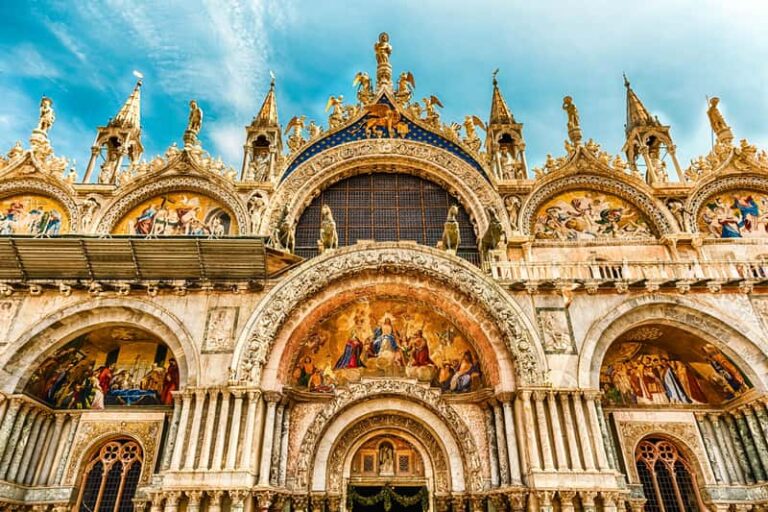
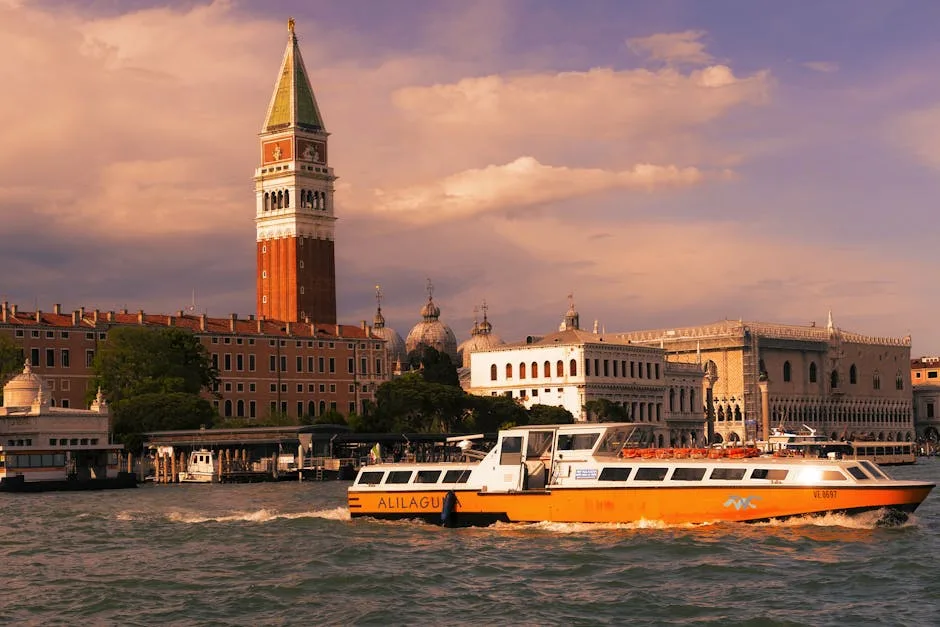
The Basilica di San Marco is the landmark of any maritime passage in Venice. Seen from the water, its richly decorated Byzantine façade and five domes seem to float between sky and sea: a living painting every visitor remembers. Exact address: Basilica di San Marco, Piazza San Marco, 30124 Venezia VE, Italy. From the Grand Canal and the Bacino di San Marco the basilica offers an unforgettable silhouette, especially late afternoon when the golden mosaics throw back the light.
 Click here to book entry for the basilica and the Campanile
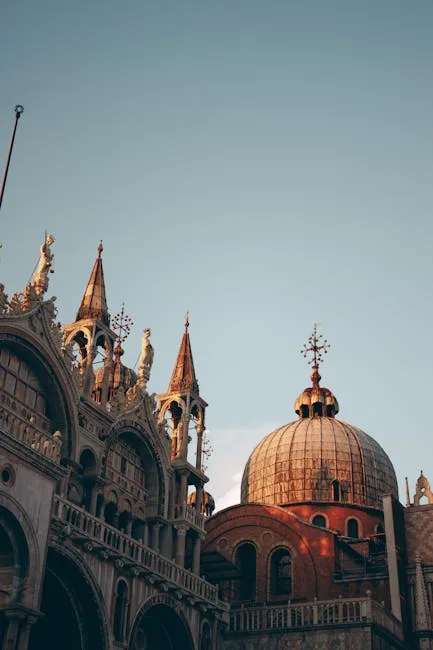
Opening hours (subject to change for liturgical services): the church is generally open to the public Monday to Sunday, from 9:30 to 17:00. Entrance to the nave is sometimes free, but access to the Pala d’Oro and the basilica museum is paid: expect around €6 to €7 for the Museo Marciano (indicative price). Priority entrance or combined tickets (basilica + museum + other sites) can cost between €15 and €25 depending on the option chosen.
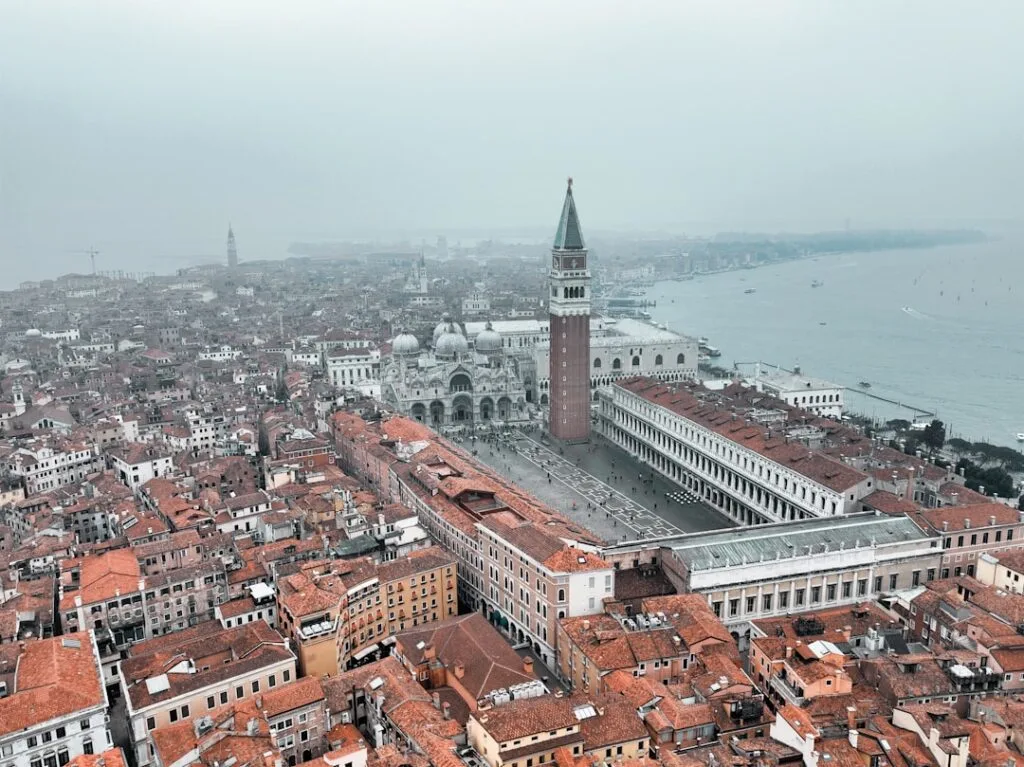
Next to the basilica, the Campanile di San Marco (Campanile di San Marco, Piazza San Marco, 30124 Venezia VE) dominates the lagoon and offers a panoramic view ideal for understanding Venice’s geography. Hours: 9:30 – 19:00 in high season (may vary off season). Price: around €10 per person (access by elevator). To enjoy a view from the water, bring the vaporetto close to the Bacino di San Marco and observe the campanile’s height, which serves as a landmark from the port entrance.
Practical tips: from the Bacino pier (vaporetto stop “San Zaccaria” for ACTV lines), favor the starboard (right) side of the boat for a frontal view of the basilica and the Doge’s Palace. In the morning the light is softer and reflections on the water make perfect photographic compositions; late afternoon the gilding stands out and the crowds grow. If you want a deeper interior visit (Pala d’Oro, museum), buy your tickets online in advance to avoid queues, especially in summer.
The baroque knockout: Basilica di Santa Maria della Salute and Punta della Dogana
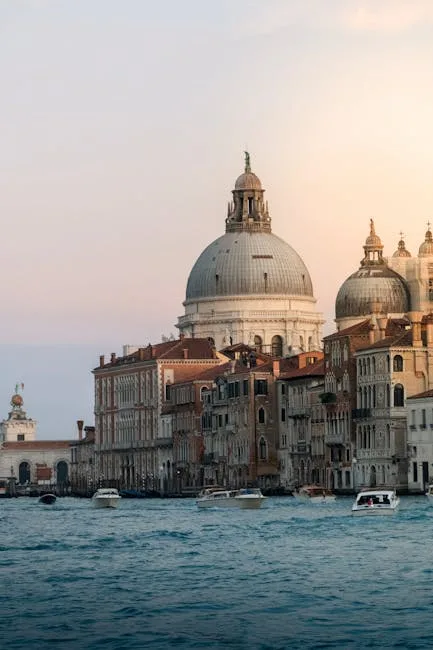
The Basilica di Santa Maria della Salute is one of Venice’s most photogenic landmarks when navigating the Grand Canal toward the entrance of the Bacino di San Marco. Address: Basilica di Santa Maria della Salute, Dorsoduro, Punta della Dogana, 30123 Venezia VE, Italy. Built in the 17th century in thanks for the end of a plague, its majestic dome stands out on the horizon and offers elegant lines reflected in the water.
Opening hours: the basilica is generally open from 9:00 to 12:00 and from 15:00 to 18:30 (times vary with seasons and services). Entrance to the nave is often free, but annexed areas and museums may charge a small fee, starting at €3–5. The Punta della Dogana (Palazzo della Dogana), a former customs house turned contemporary art center (Fondazione Pinault), sits at the opposite end of the basilica and hosts temporary exhibitions (address: Punta della Dogana, Dorsoduro, 2, 30123 Venezia VE). Entry to the foundation: variable, generally €10–15.
Click here to book a Grand Canal cruise
Why approach by boat? From the water, the Salute and Punta della Dogana form a perfect angle: the Salute’s dome, the Dogana’s triangular tip, then the Doge’s Palace silhouette in the background. Shoot from the prow of a vaporetto (lines 1 or 2) as it nears the Ponte dell’Accademia, or hire a guided jet-ski or gondola for a more intimate feel. Early morning brings fewer people and a light lagoon mist that can look very cinematic.
Local tips: for the Salute, enter through the sacristy if you want to see works by Titian and Baldassare Longhena (sometimes accessible via a small paid exhibition). At the Punta della Dogana, check exhibition hours and consider booking if you want to go up to the terrace for an exceptional panorama. Finally, if arriving by vaporetto, get off at the “Salute” stop (ACTV vaporetto lines 1 and 2); for the Dogana, favor the “Accademia” stops and walk to the waterfront.
Venice — recommended experiences from the water
Allow 30 minutes to 2 hours per activity depending on your budget and chosen vessel.
1. St Mark’s Basilica and Campanile
Priority entry to cut waiting time, a focused tour of the nave and optional access to the campanile: perfect for soaking up Byzantine history without wasting time on the quay.
- ⏱️ Duration: 30–90 minutes
- 🎟️ Access: Priority entry
- 🎧 Format: Audioguide / Host
- 🗣️ Languages: French, English, Italian
- 💡 Highlight: Golden mosaics and the campanile view
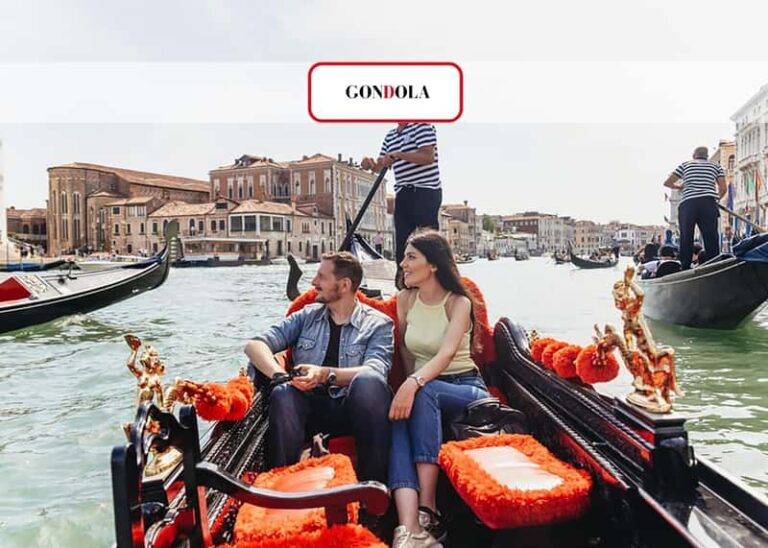
2. Gondola ride (Grand Canal)
Shared ride with commentary via app: affordable, intimate and ideal for seeing the Salute, Punta della Dogana and palaces from a gondola’s prow.
- ⏱️ Duration: 30 minutes
- 👥 Format: Shared ride
- 📍 Route: Grand Canal and adjacent canals
- 🗣️ Languages: French, English, Spanish, Italian
- 💡 Highlight: Secret canals and unique perspectives
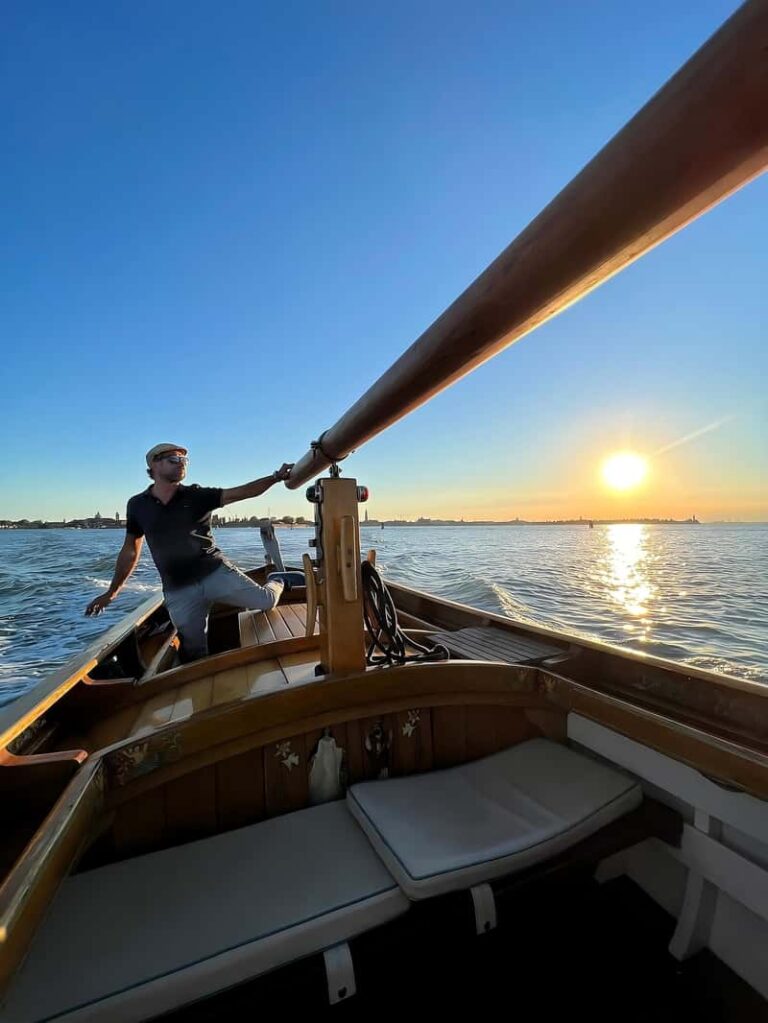
3. Sunset cruise
Wooden boat, golden light and a prime spot facing San Giorgio and St Mark: designed for photography and atmosphere, with extended viewing time.
- ⏱️ Duration: 1.5 hours
- ⭐ Highlight: Golden hour for photos
- 🚤 Transport: Traditional boat
- 🥂 Included: Prosecco possible (depending on option)
- 🗣️ Languages: English, Italian, Spanish
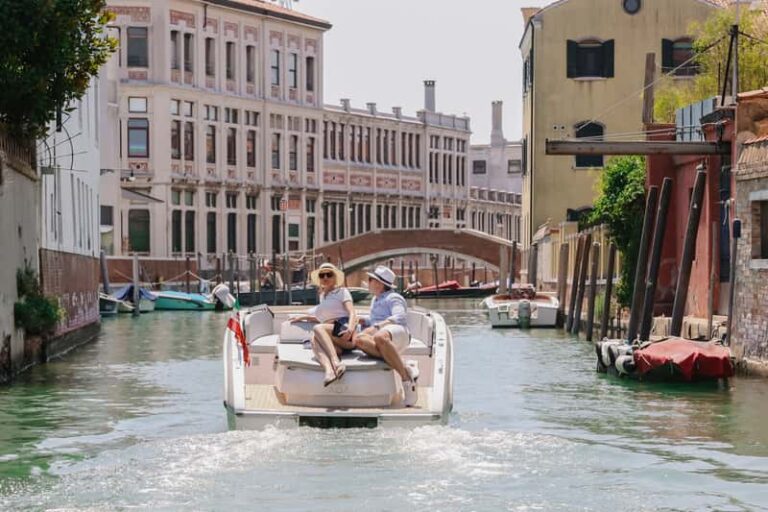
4. Private electric boat
A premium, quiet option to glide between monuments without the crowds; ideal for a group wanting comfort and schedule flexibility.
- ⏱️ Duration: 1.5 hours
- 👥 Group: Private (up to 8)
- 🚤 Transport : Electric boat
- 💡 Highlight : Comfort and quiet
- 🍹 Included : Tasting depending on the option
Iconic island and silence: Chiesa di San Giorgio Maggiore and its bell tower
The island of San Giorgio Maggiore is a must-see viewpoint best appreciated from the water. The Benedictine church, designed by Andrea Palladio and completed in the 16th century, shows a classical white façade rising from the calm waters. Address: Chiesa di San Giorgio Maggiore, Isola di San Giorgio Maggiore, 30133 Venezia VE, Italy. From the Riva degli Schiavoni or the Bacino, the silhouette of its bell tower and the clear volumes of the façade create a striking contrast with the lagoon.
Opening hours: the chiesa is generally open from 9:30 AM to 5:00 PM, but the bell tower has specific times, often 9:30 AM – 6:30 PM (high season). Prices: entry to the church can be free or symbolic, while access to the bell tower for the panoramic view costs around €8 to €12 depending on the season. The island also hosts the Fondazione Giorgio Cini, which offers exhibitions and cultural events (address: Isola di San Giorgio Maggiore, 30133 Venezia VE).
Click here to visit the island of San Giorgio with an audio guide
Route tips: take a vaporetto from the “San Zaccaria” station (ACTV line 2) or a short crossing from the Riva degli Schiavoni; some private companies run regular shuttles to the island. For the best view, stand on the boat’s left-hand side (port) when arriving from the Basilica di San Marco: the panorama includes the lagoon, the Dogana and the silhouette of the historic city. Sunrise lights the Palladian façade with a milky white glow, perfect for photographers; dusk offers a more dramatic mood with city lights in the background.
Practical tips: if you want to climb the bell tower, arrive early to avoid queues, especially on weekends. The island is less crowded than Piazza San Marco, making it a great spot for a picnic (do respect local rules about eating in public spaces). Also, during the Festa del Redentore (third weekend of July), the area around San Giorgio Maggiore is very lively: avoid those dates if you’re after peace and quiet.
Giudecca and an architectural ceremony: Chiesa del Santissimo Redentore and Chiesa del Gesuati
The Giudecca is a long, narrow island separated from the historic core by the Giudecca Canal; it offers unique viewpoints of the city and a series of monumental churches visible from the water. The Chiesa del Santissimo Redentore (Il Redentore) is one of the architectural highlights: designed by Andrea Palladio and built in thanks for the end of an epidemic, it draws Venetians every year for the Festa del Redentore. Address: Chiesa del Santissimo Redentore, Giudecca, Campo Zitelle, 30133 Venezia VE, Italy.
Click here to book a sunset cruise
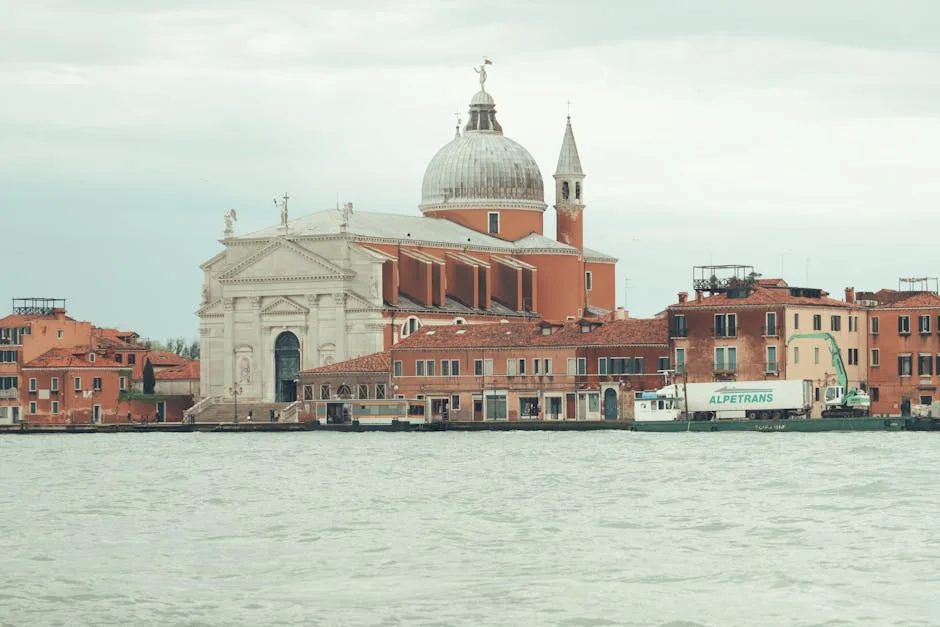
Opening hours: the chiesa is generally open from 9:00 AM to 12:00 PM and from 3:00 PM to 6:00 PM, but may close during services. Entry is often free but some areas or temporary exhibitions may require a small fee (around €3 to €5). From the Giudecca Canal, the Redentore’s silhouette is especially photogenic at sunset, when its clean volumes stand out against the lagoon.
A little further north, in the Dorsoduro district, is the Chiesa di San Niccolò dei Mendicoli and, on the bank facing the Canale della Giudecca, the Chiesa di Santa Maria del Rosario (I Gesuati): the latter, known as the Gesuati, is famous for its interiors painted by Giovanni Battista Tiepolo. Address: Santa Maria del Rosario (I Gesuati), Fondamenta Zattere ai Gesuati, 30123 Venezia VE. Opening hours: generally 9:30 AM – 12:30 PM and 3:00 PM – 6:00 PM. Entry: often €3 to €7 to access certain chapels or guided visits.
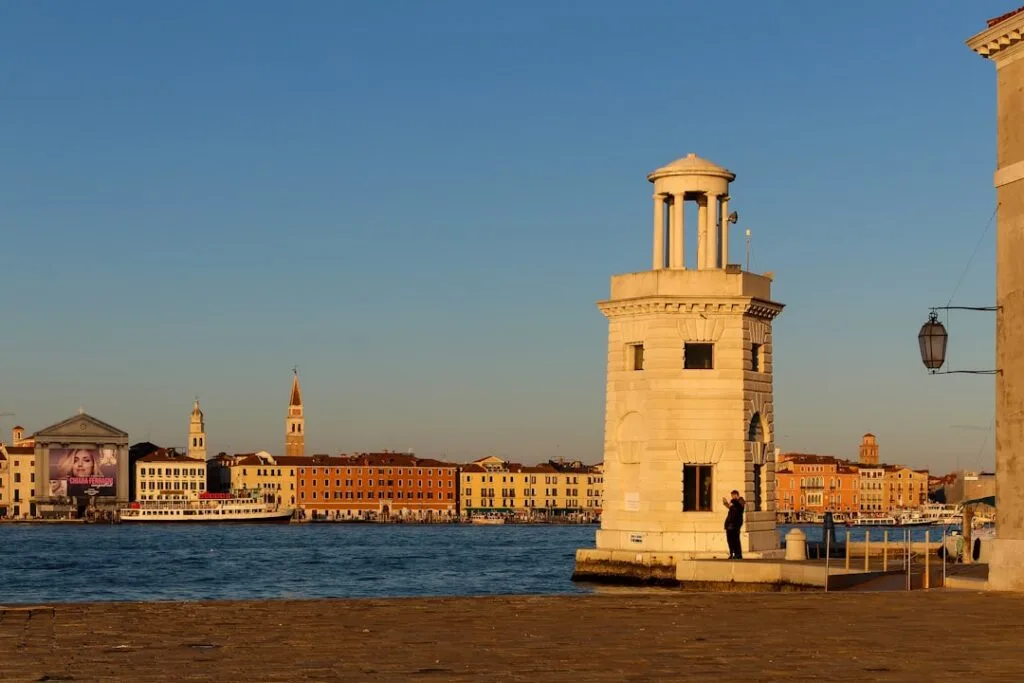
Practical tips: to explore the Giudecca from the water, use ACTV line 2 (vaporetto) and get off at the “Zitelle” stop for the Redentore or “Zattere” for the Gesuati. If you love photography, aim for the blue hour to capture reflections and the calm of the façades. The Giudecca is also a great place to observe local life away from the historic center crowds: small workshops, fish restaurants and peaceful walks along the fondamentas.
Small gems and surprises: Santa Maria dei Miracoli, San Simeone Piccolo and San Zaccaria
Navigating secondary canals and rounding islets reveals smaller churches of great beauty, visible from the water and often less busy. The Chiesa di Santa Maria dei Miracoli is one of these little masterpieces: a setting of polychrome marble and refined decorations. Address: Santa Maria dei Miracoli, Campo dei Miracoli, Cannaregio, 30121 Venezia VE, Italy. Opening hours: generally 10:00 AM – 5:00 PM, paid entry around €3 to €5.
Not far from Santa Lucia train station, the Chiesa di San Simeone Piccolo (Chiesa di San Simeone Piccolo, Campo San Simeone Piccolo, 30121 Venezia VE) features a neoclassical façade and a green dome easily spotted from the Grand Canal. It’s ideally seen from the vaporetto embarkation at the station. Hours: often open occasionally, free entry to the nave. Its bell tower and proximity to the Accademia bridge make it a common photographic subject.
The Chiesa di San Zaccaria is another interesting stop, facing the Riva degli Schiavoni and easily visible from the Bacino di San Marco. Address: Chiesa di San Zaccaria, Calle San Zaccaria, 30122 Venezia VE, Italy. It houses important 15th-century works and offers a surprising interior. Opening hours: often 9h30 – 12h30 then 15h00 – 17h30, paid entry for some sections (about 5 €).
Click here to book a walking tour of the must-see sites
Practical tips: these small sites can be combined into a half-day walk starting at Santa Lucia station, following the Grand Canal to Cannaregio, then returning toward the southern bank. The easiest way to see them from the water is to take vaporetto line 1 for a stretch (touristy but handy) or catch occasional services that run along the northern bank. Check mass times: some churches close to the public during services. For a more intimate visit, avoid peak tourist hours (11:00–15:00).
Practical tips: tickets, transport and photography from the water
Getting around Venice requires a bit of logistics. The ACTV network (vaporetto) is the most economical way to travel the main canals. Single ACTV ticket: about 9 € (valid ~75 minutes, 2024 indicative fare). Day passes and packages available: 24h ≈ 20 €, 48h ≈ 30–35 €, 72h ≈ 45–50 € depending on options (indicative prices). Private water taxis are much pricier: from 80–100 € for a short transfer, up to several hundred euros depending on distance and time. Gondolas for a classic ride cost about 80 € for 30 minutes by day and 100 € in the evening (indicative rates).
Click here to buy a City Pass for museums and transport
Tickets and reservations: for major churches (Basilica di San Marco, Punta della Dogana, campaniles), book online to avoid queues. Museums and temporary exhibitions (Fondazione Pinault, Cini) often require reservations too. Aim for early morning (8:30–10:30) for soft light and fewer people, or late afternoon (18:00–20:00) for warm tones.
Photography from the water: to get sharp shots, stabilize your camera or smartphone (stand on a stable part of the boat if possible). In windy conditions waves can cause motion; use higher ISO or a fast lens. Don’t climb the boat railing to take photos (danger). For composition, place the monument at one third of the frame and use reflections: symmetry between architecture and water works well for the Salute, San Giorgio Maggiore and San Marco.
Additional local tips: dress in layers — mornings on the water can be cool even in summer. Bring a small water bottle and respect food and smoking restrictions on vaporettos. If you plan to attend mass or enter private chapels, wear modest clothing (shoulders covered, no very short shorts). In case of acqua alta (high tide), check ACTV updates and possible quay closures: Venice manages these situations with signs and temporary barriers.
Conclusion
Venice is best experienced from the water: every bend of the Grand Canal, every fondamenta and every island tells a story where religious architecture plays a central role. This cultural route, focused on churches visible from the water, lets you combine contemplation, artistic discovery and photographic pleasure. Whether you’re drawn to the Byzantine grandeur of the Basilica di San Marco, the Palladian elegance of San Giorgio Maggiore and the Santissimo Redentore, or the small polychrome treasures like Santa Maria dei Miracoli, Venice offers views that change with the hour, the weather and your angle of approach.
Plan your visit by mixing travel time (vaporetto lines 1 and 2, crossings to San Giorgio Maggiore and the Giudecca) with walking stops to enter certain churches and see major works. Don’t forget practicalities: buy or validate your ACTV tickets, check mass and museum schedules, book campanile access if the panoramic view appeals, and follow local dress and behavior rules in places of worship. For photographers, the best times remain sunrise and sunset, plus the blue hour after dusk.
Finally, leave room for the unexpected: an unplanned stop on a small fondamenta, a craft shop, or a canal-side café can turn a nice visit into an unforgettable memory. Venice from the water is a stage where churches are both set and lead actors: they tell stories of faith, power and art while dialoguing with the lagoon’s reflections and movement. Safe travels and happy sailing.