





Introduction
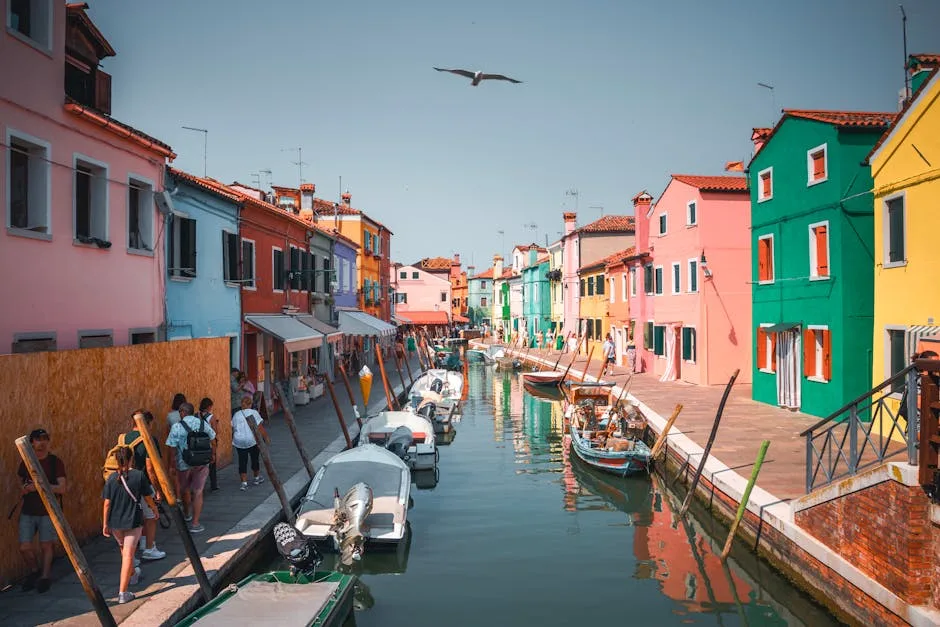
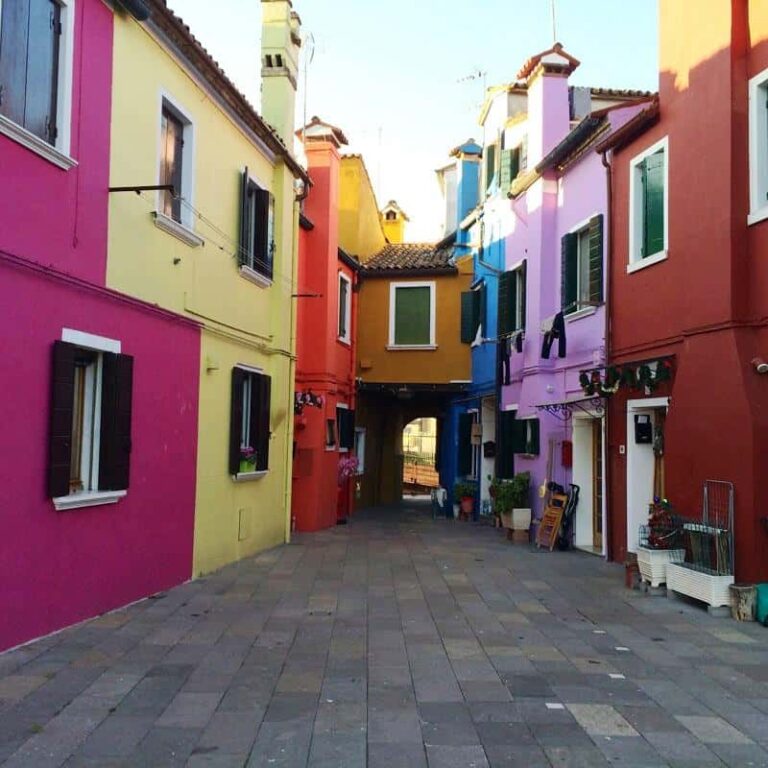
Venice, a maze of water and stone, is often linked to gondolas, St. Mark’s Square and Byzantine palaces. Yet less than a thirty-minute vaporetto ride away lies a small island that holds a different kind of magic: Burano. Famous for its brightly painted houses, peaceful canals and thriving craft tradition — lace — Burano is the perfect day-trip destination for heritage, craftsmanship and leisurely strolling. Discovering Burano lace in a day means diving into a world where thread and needle shaped a community’s identity, where every doily tells a story, and where hands still embroider collective memory.
This article is written as a practical guide: it explains how to reach Burano from Venice, what exactly to see, where to admire the most remarkable lace pieces, which addresses to visit, the cost of main visits and how to plan your time to enjoy the island without rushing. You’ll find practical info (postal addresses, opening hours and prices in euros), suggested routes, local tips for photographing and respecting workshops, plus tasty suggestions to round off your day. The aim is to let you understand in one day why Burano is so closely linked to lace, while living a full sensory experience: touching fabrics, breathing the salty canal air, hearing the soft click of needles, and admiring the colorful façades framing each lane.
Burano lace is not just a tourist souvenir: it’s a fragile, living art. Over the centuries schools of lacemaking have followed one another, patterns have been passed down and adapted, and museum collections have been built to preserve the know‑how. A well-planned day lets you visit the Museo del Merletto, enter a school or workshop (when possible), watch master lacemakers at work, and buy an authentic piece — often far more meaningful and lasting than a simple memento. Below I offer a detailed itinerary, complete addresses, opening hours and prices, plus photo tips and advice for small practical matters (toilets, weather, transport costs).
Before you go: wear comfortable shoes, bring a camera (or a fully charged phone), carry some euros for small purchases and entry fees, and pack a light jacket even in summer — the wind over the canals can be cool. Above all, respect the workshops: ask permission before photographing the artisans, avoid touching displayed lace unless explicitly allowed, and favor buying directly from workshops to support the local economy.
Getting to Burano: routes, addresses and practical fares
To start your lace-focused day you first need to reach Burano from Venice. Two main options are available: the public vaporetto (ACTV) from Venice’s quays, or the Alilaguna service (more direct from Marco Polo airport). The most common departure point for visitors is the Fondamenta Nove stop in Venice.
– Departure address: Fondamenta Nove, 30121 Venezia VE, Italy (north side of the city, near the vaporetto stop).
– Arrival in Burano: Piazza Baldassarre Galuppi, 30142 Burano VE, Italy — most lines stop in the island’s central area, facing the main square.
Lines and travel times:
- ACTV Line 12 (regular Venice ↔ Burano service via Fondamenta Nove): about 45–50 minutes depending on stops. Frequency varies with the season.
- ACTV Line 14 (some rotations serve Burano): similar duration, check the boards at Fondamenta Nove.
- Alilaguna Blue Line (from Marco Polo airport to Burano via Venice): possible direct trip, around 60–75 minutes depending on route).
Fares (indications):
- Single ACTV ticket: about €8.00 per trip (valid 75 minutes on the network) — note official fares may change; buy tickets at tobacconists (tabacchi), ACTV machines or ticket offices.
- ACTV 24‑hour pass: about €25.00 (valid on all vaporetti for 24 hours from validation) — useful if you plan to return to Venice and use other lines the same day.
- Alilaguna (from the airport): about €15.00 to €20.00 depending on line and season.
Practical tips:
- Always validate your ticket in the machines on the quay before boarding. Controls are frequent and fines are high.
- Allow extra time in the morning: queues at ticket offices or machines can be long in high season.
- If you like photography, try to leave early (around 8:30–9:00) to enjoy softer light and a quieter island.
 Click here to book a half‑day Murano and Burano boat trip
Lace museum and heritage: Museo del Merletto and other must‑see spots
At the heart of Burano lace history is the Museo del Merletto di Burano. A museum visit helps you grasp the evolution of styles, the techniques (Burano stitch, knotwork, netting) and the master pieces inherited from private and public collections. Here is all the practical information to plan your visit.
Museo del Merletto (Burano)
Address: Corte Legrenzi, 13, 30142 Burano VE, Italy.
Opening hours (indicative): Tuesday to Sunday: 10:00 – 17:00 (closed Mondays). These times may change during holidays or low season; check the museum’s official website or Facebook page before your visit.
Entrance fee (indicative): €3.00 for adults; reduced rate (students/young people) €1.50; free for children under 6. Sometimes included in local tourist passes. Temporary exhibitions may incur an extra charge.
Immersive description:
The museum sits in an unassuming stone building where each room feels like a memory showcase. Old doilies, headdresses, handkerchiefs and decorated panels reveal the delicacy of the stitch: even meshes, intertwined floral motifs and geometric openwork. Labels explain the techniques (picots, net ground, cordonnet) and origins. A case is often dedicated to aristocratic commissions (Naples, Paris) that elevated Burano lace in the 19th century. Soft lighting highlights reliefs and shadows, offering a tactile reading from a distance.
Other lace-related places:
- Scuola del Merletto di Burano (local school and workshops): some introductory sessions are offered here — ask locally about schedules and one- to three-hour workshops. The address is often in the alleys near Piazza Baldassarre Galuppi (check with the local tourist office for the day’s room).
- Passeggiata dei Merletti (lace-walk): an unofficial route through several shop-workshops where you can watch and sometimes buy pieces straight from the source.
Visiting tips:
- If possible, book a guided tour of the Lace Museum: small groups let you hear more detailed technical and historical explanations.
- Do not touch the displayed items. Laces are fragile and sensitive to sweat and skin oils.
- Ask if a demonstration is scheduled: some craftswomen agree to show their work for a few minutes — be polite, discreet and compensate their effort with a purchase if you can.
Click here to discover Murano and Burano lace
Recommended experiences around lace
Plan for crowds and workshop hours: mornings are quieter and offer more live demonstrations.
1. Murano–Burano–Torcello boat trip
A full day by boat to see glassblowers and lacemakers: perfect if you want to combine glass history with two free hours in Burano to visit the museum and stroll at leisure.
- ⏱️ Duration: 6–7.5 hours
- ⛴️ Transport: Boat (group departures)
- 🎟️ Included: Glassblowing demo; possible access to the Museo del Merletto depending on option
- 🚩 Departure: San Marco or S. Lucia train station (depending on option)
2. Guided tour of Burano
A short, local-led immersion with a native guide: the history of the houses, a museum visit, and a lace demonstration to understand gestures and techniques in under 90 minutes.
- ⏱️ Duration: 80 minutes
- 🚶 Format: Guided walking tour
- 🗣️ Languages: English
- 🚩 Departure: In front of the ACTV Burano stop statue
Walk and observe the artisans: workshops, shops and best practices
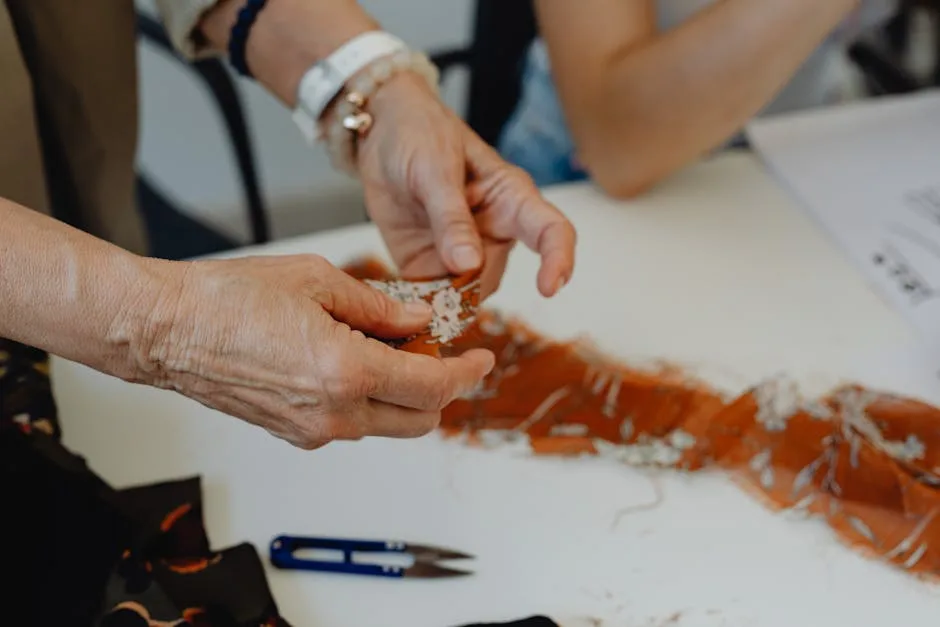
The magic of Burano isn’t limited to museum displays: it’s lived in the workshops and small shops where you can watch skilled hands at work. Here, lace isn’t just shown; it’s made. For the best day, leave time to wander slowly, pop into at least two workshops and chat with the craftswomen.
Useful addresses and landmarks:
- Piazza Baldassarre Galuppi — the island’s hub, lined with cafés and craft shops. Address: Piazza Baldassarre Galuppi, 30142 Burano VE, Italy. It’s the perfect meeting point to start your walk and spot nearby workshops.
- Traditional lace workshop (example): Atelier Merletti Artigianali, Via Baldassarre Galuppi 25, 30142 Burano VE — a shop-workshop where you can see contemporary and antique pieces (hours: 9:30–18:30; open daily; item prices: from €15.00 (small accessories) to €250.00 and up for large doilies and pieces).
Immersive descriptions:
Step into a workshop: the space is bright, sometimes cluttered with wooden frames (bobbin lace pillows), cushions where pins and threads intertwine. The craftswomen, often seated side by side, work in silence or soft conversation, their fingers quick. You’ll see works-in-progress, some very white, others with a slight ivory tint. The adjoining shops display framed doilies, placemat sets and embroidered handkerchiefs, with tags noting technique and average making time — a complex doily can require dozens of hours.
Good practices and local tips:
- Always ask permission before taking photos inside a workshop. Some craftswomen are happy to allow it, others are not — respect their choice.
- Buy directly from the workshop if you want to support the artisan. Negotiate politely but remember handmade work has real value.
- If you want to learn a technique, look into short beginner workshops (1–3 hours): prices usually range between 20 € and 50 € depending on duration and supplied materials.
Gourmet break and other visits around lace
After feeding your artistic curiosity, it’s time to taste local flavors. Burano offers several options for a meal or coffee break, from small pastry shops to traditional trattorie. Here are some spots and tips to combine food and island atmosphere.
Recommended addresses:
- Pasticceria Bonfante — for a sweet pause: Via Baldassarre Galuppi, 64, 30142 Burano VE. Indicative opening hours: 8:00–19:00. Try the traditional cookies and local pastries (prices: coffee from 1,20 €, pastry 2,50 €–4,00 €).
- Trattoria da Romano — historic restaurant famous for risotto di gò (goby risotto): Via San Mauro, 30142 Burano VE. Indicative hours: 12:00–15:00 and 19:00–23:00. Main courses 15,00 €–30,00 € depending on fish and tasting menus.
- Osteria al Pozzo — small friendly osteria near the square: Piazza Baldassarre Galuppi, 30142 Burano VE. Hours: 11:30–22:00. Shared plates and antipasti, price range 12,00 €–25,00 €.
Culinary tips:
- Try the risotto di gò (made with goby), a local traditional specialty; it’s a simple but typical dish that tells the island’s fishing story.
- Avoid restaurants right by the ferry dock if you want an authentic meal — they’re often more touristy and pricier.
- For a quick coffee, favor bars frequented by locals: prices are lower and the vibe more genuine.
Photographing lace and the island: angles, timing and best practices
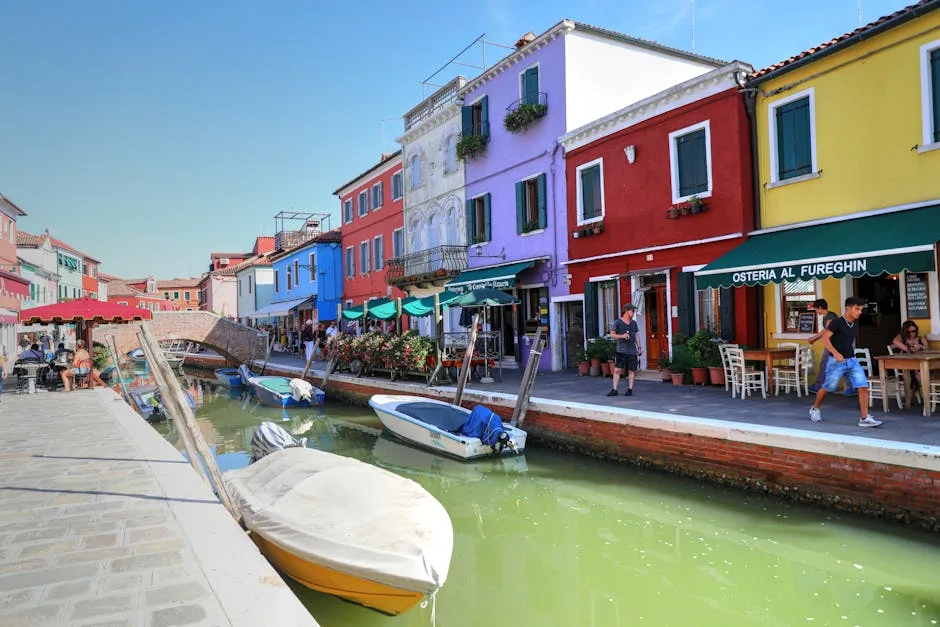
Burano is a playground for photographers: colorful facades, reflections in the water, artisans’ hands focused on lace, and delicate craft details. To get great shots, a few rules and practical tips are useful.
Recommended times and light:
- Early morning (between 8:00 and 10:00): soft light and a still-quiet island — great for street and facade photos without crowds.
- Late afternoon (17:00–19:00): warm light, strong canal reflections, ideal for silhouettes and backlit shots.
- Peak hours (11:00–16:00): avoid harsh backlight in summer; favor close-ups of lace using a shaded alley.
Angles and subjects:
- Detail: close-up of bobbin lace — capture texture, transparency and cast shadows.
- Contextual: an artisan working in their workshop, hands and tools in frame, a piece in progress in the background.
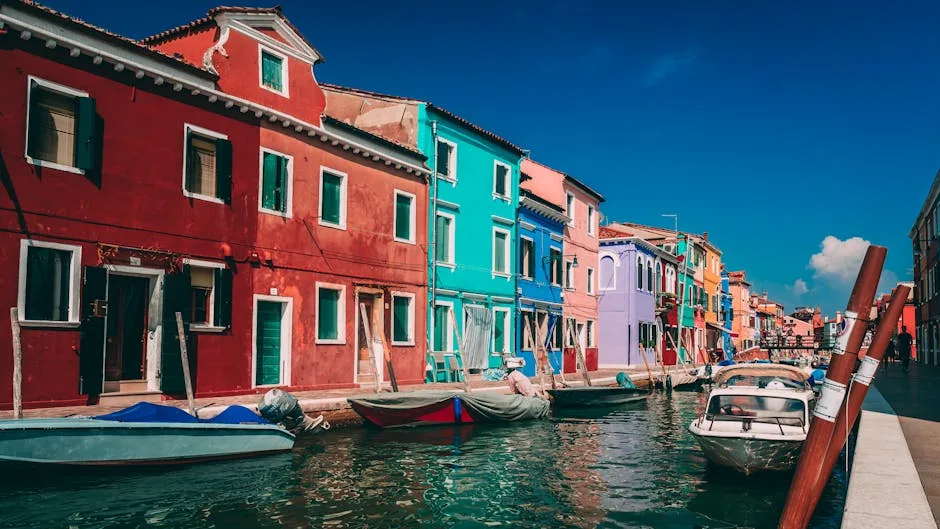
- Panoramic: central canal with colorful houses and boats — compose symmetrically to emphasize the graphic effect.
Ethical best practices:
- Ask permission before photographing people. Sometimes offer a small contribution if the situation is intimate (private demonstration, hands at work).
- Respect “no photo” signs and exhibition protections in museums.
- Avoid excessive flash use in workshops and museums — it can damage old fibers.
Planning a typical day: timed itinerary to make the most of it
Here’s a sample full day itinerary focused on lace, without rushing. It assumes departure from Venice (Fondamenta Nove) early in the morning.
Suggested itinerary:
- 8:30: depart from Fondamenta Nove, 30121 Venezia VE — board an ACTV vaporetto line 12/14. Have your ticket ready.
- 9:20–9:45: arrive at Piazza Baldassarre Galuppi, 30142 Burano VE — quick coffee at Pasticceria Bonfante for a cappuccino and a local biscuit.
- 10:00–11:15: visit the Museo del Merletto, Corte Legrenzi, 13 — explore the permanent collections and, if possible, attend a short demonstration.
- 11:30–13:00: stroll the alleys, visit at least two workshops (ask about demonstrations) and buy lace responsibly.
- 13:15–14:45: lunch at Trattoria da Romano, Via San Mauro — enjoy a local fish dish or the risotto di gò.
- 15:00–16:00: photographic wander — canals, colorful houses, bridges and a small gelato break.
- 16:15–17:00: final visit or quick introductory workshop (if booked in advance).
- 17:30–18:30: return to Venice by vaporetto, depending on boat schedules.
Additional tips:
- Book workshops or the museum in advance during high season. Spots for small demonstrations can be limited.
- Pack sturdy bags for carrying your lace purchases: shops often offer protective packaging, but a backpack is handy for the day.
- If it rains, choose indoor workshops and postpone outdoor photos — the houses’ colors look even more saturated under a gray sky, which gives a different result.
Click here to join a Murano and Burano excursion
Conclusion
Burano is much more than a colorful stop on Venice’s map: it’s a place of memory and craftsmanship, where lace plays a central role in the island’s social and cultural life. In a day you can grasp the essentials: visit the Museo del Merletto to learn the history and techniques, watch artisans at work in their workshops, buy authentic pieces directly from the makers, and enjoy local flavors in a friendly trattoria. The addresses and practical information provided here — like Museo del Merletto, Corte Legrenzi 13, the Piazza Baldassarre Galuppi as an arrival point, and the suggested times and prices — will help you plan an efficient and rewarding day.
Remember that the best way to enjoy Burano is to go with curiosity and respect: respect for the artisans, the places, and the local pace. Lace is a precious knowledge often passed down through generations, and your visit can help support it if you patronize local workshops. Before leaving, always check official opening hours (museum and workshops) as they can change with the season, religious holidays or local events. Finally, give yourself time — sometimes the best discovery is sitting by a canal, watching the reflections and letting an hour slip by in good company.
Have a great trip and a wonderful discovery of Burano lace: may your day be woven with delicate moments, delightful encounters and lasting memories.