





Introduction
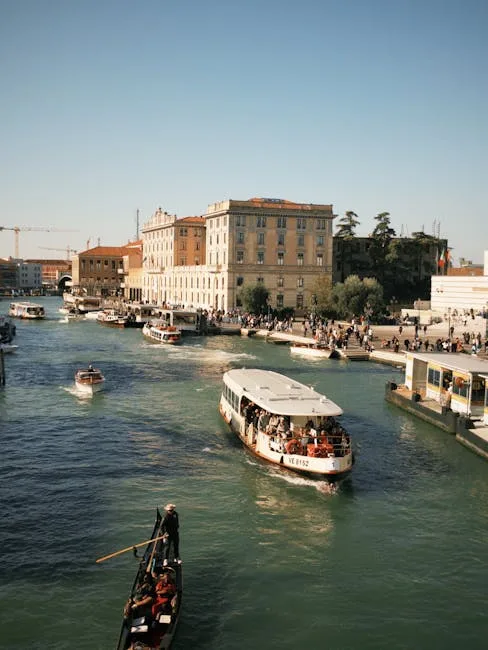
Venice is a city born of water, shaped by currents, tides and the whims of the weather. Its timeless charm — from narrow alleys to winding canals and bright squares — is tightly bound to the climate: light can change the soul of a gondola, a sea breeze reshapes the silhouette of the Grand Canal, and the acqua alta turns Piazza San Marco into a liquid mirror. For cruise passengers and planners, understanding how weather affects a visit to Venice isn’t just academic: it’s a matter of logistics, safety, comfort and the overall tourist experience.
This in-depth guide explores, with practical detail, the many ways weather plays a role before, during and after a ship’s stop in Venice. We cover tides and acqua alta and how they affect docking and sightseeing, the impact of fog and wind on navigation and visibility, seasonal shifts in crowds and temperature, consequences for port services and shore excursions, plus concrete planning tips — addresses, opening hours, prices, useful contacts and local tricks to avoid unpleasant surprises.
You’ll also find immersive descriptions of iconic sites: the Basilica di San Marco (St. Mark’s Basilica) and its historic square, the Doge’s Palace (Palazzo Ducale), a stretch along the Grand Canal past the Ca’ d’Oro and Teatro La Fenice, and how each of these places changes under rain, morning light or rising water. Finally, we outline practical scenarios — what to do if your excursion is cancelled for weather, how to book an ACTV vaporetto, how much a gondola or a water taxi costs in an emergency, and how to gear up to enjoy Venice whatever the conditions.
Whether you’re a cruise director, a first-time passenger or an experienced traveler, this article will help you anticipate, adapt your itinerary and make the most of Venice — under sun, in mist or during acqua alta. The Venetian experience is deeply sensory: smelling the salt, hearing boats lap at dusk, seeing the Basilica glow through a fine rain. Understanding the weather is part of appreciating these impressions. We start with one of the most decisive factors: tides and acqua alta.
 Click here to book priority access to St. Mark’s Basilica
Tides, acqua alta and port logistics: direct impact on docking
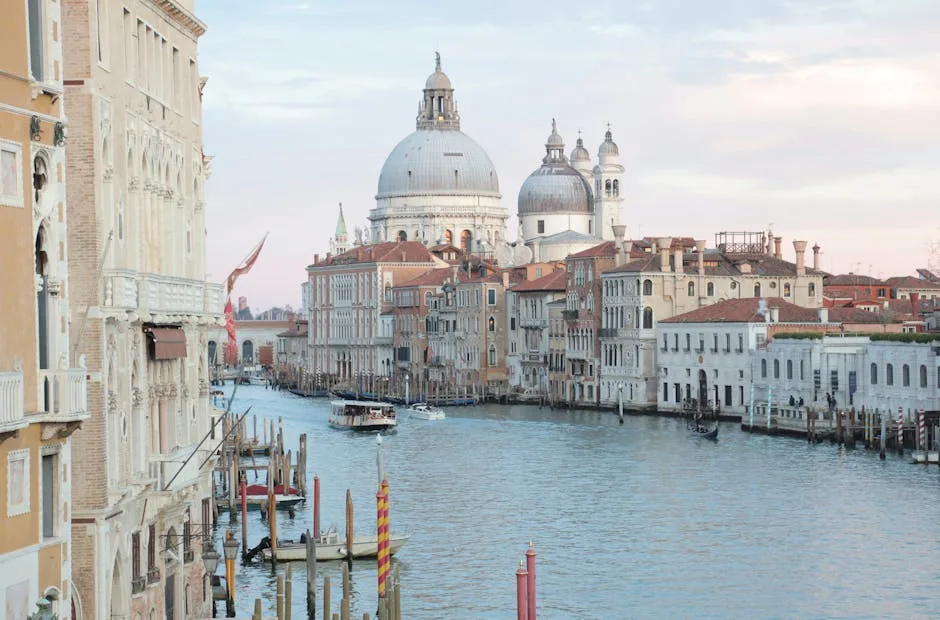
One of the most critical weather-related phenomena for Venice cruises is acqua alta — the flooding caused by a combination of high tides and specific meteorological conditions (low atmospheric pressure, sirocco winds that push water into the lagoon). When the water rises, many quays and tourist sites flood, directly affecting cruise ships’ ability to dock, the safety of disembarkation and passenger mobility into the city.
The main terminal for large cruise ships is the Terminal Crociere Venezia (Porto di Venezia), located in the area Marittima, Riva San Biagio, 30122 Venezia VE. The exact address to note for organizers and drivers is: Terminal Crociere Venezia, Riva San Biagio, 30122 Venezia, Venezia. During significant acqua alta events, port authorities may change docking times, redirect a ship to an outer anchorage or postpone disembarkation. Terminal operators usually communicate via the Port of Venice website and the local agency Venezia Terminal Passeggeri.
For smaller shuttle services, secondary landing points like il Molo (Riva degli Schiavoni) and the stazione marittima near Piazzale Roma can become partially inaccessible when tides exceed 110–130 cm (a threshold the city often uses to trigger measures). Venetian authorities publish warning bulletins (Sistema Informativo Acque Alte) indicating expected levels: 100 cm = watch, 140+ cm = emergency measures. Cruise planners should integrate these bulletins into their scheduling.
Practical consequences:
- Delayed disembarkation: A high tide can postpone passenger landing by several hours, forcing a reorganization of bus and shuttle excursions.
- Quay access: The Lido and Tronchetto quays may remain usable, but vaporetto (ACTV) or shuttle connections from the ship to Piazza San Marco can be slowed down.
- Site visibility: Acqua alta transforms Piazza San Marco (Piazza San Marco, 30124 Venezia VE) into a raised walkway — a striking photo opportunity, but the Museo Correr (Piazza San Marco, 52) and Basilica di San Marco (Piazza San Marco, 328) may alter access and the basilica sometimes offers limited free entry with covered queueing.
Concrete tips:
- Check tide forecasts (www.comune.venezia.it or nautical weather apps) 48 hours before your stop.
- Plan alternative excursions: covered museums like the Museo Correr (Piazza San Marco, 52 — typical hours 10:00–18:00, combined Museo Correr/Palazzo Ducale ticket around €25), or transfers to the island of Lido if the historic center is flooded.
- Equip staff: rubber boots, contingency plans and handheld fans to keep passengers comfortable under shelter while waiting.
Click here to book your Doge’s Palace ticket
Fog, wind and navigation: safety, comfort and Grand Canal excursions
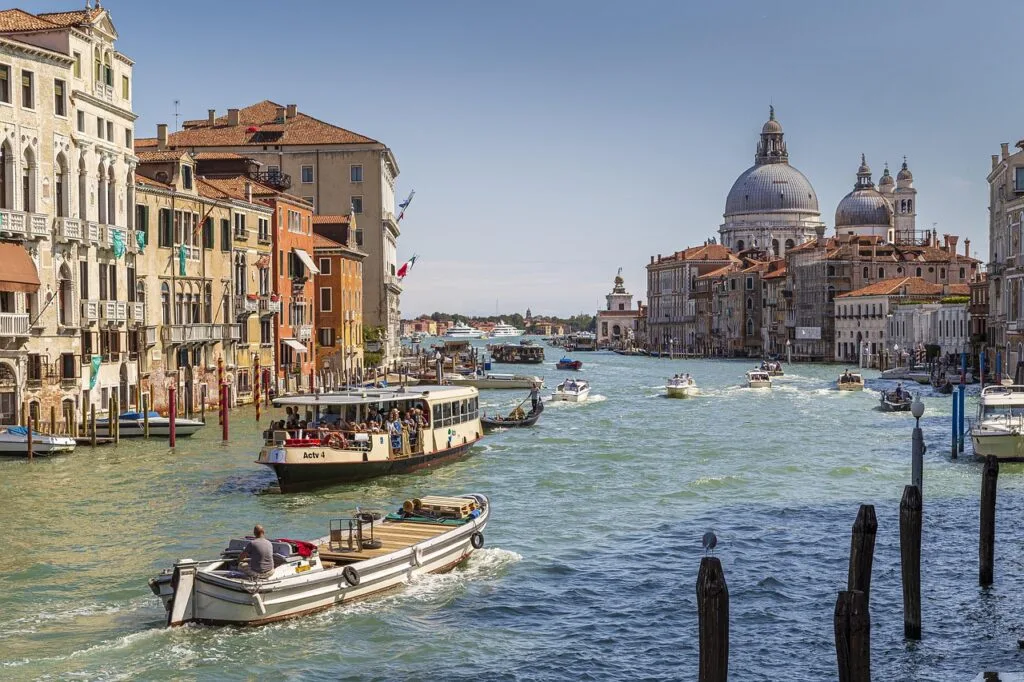
Fog and local winds (notably the bora and the sirocco) change navigation on the Grand Canal and guide captains’ decisions. Venice’s main waterway, the Canal Grande (Grand Canal), is lined with palaces like the Ca’ d’Oro (Ca’ d’Oro, Campo Santa Sofia, 3932, 30121 Venezia VE) and Ca’ Rezzonico (Dorsoduro 3136, 30123 Venezia VE). Reduced visibility lengthens transit times and forces lower speeds for safety, which can affect scheduled shuttle transfers.
Cruise lines and local operators (ACTV for the vaporetti, lines 1 and 2 on the Grand Canal) communicate in real time with port authorities to adapt routes. A single ACTV vaporetto ticket usually costs about €8 for 75 minutes (indicative); it often remains the most reliable option when private shuttles are limited. In strong winds, private water taxi services (Water Taxi Venezia, for example) increase fares: a trip from Terminal Crociere to Piazzale Roma or San Marco can cost €70–€120 or more depending on time and demand.
For excursions:
- Boat tours to the islands (Murano, Burano, Torcello) can be cancelled if crossing the lagoon is judged unsafe. Murano (Isola di Murano, 30141 Venezia VE) houses glass workshops; museum entry fees for glass museums hover around €7–€12.
- Teatro La Fenice (Teatro La Fenice, Campo San Fantin, 1965, 30124 Venezia VE) can be booked indoors as a fallback: guided tour tickets about €9–€12, hours vary (typically 10:30–17:00).
- Grand Canal cruises are slower in bad weather, but the sight of palaces under a light rain can be uniquely dramatic.
Practical advice:
- Allow extra time: for a Line 1 vaporetto transfer along the Grand Canal, add 30–45 minutes to your itinerary in case of fog or heavy traffic.
- Buy an ACTV pass if you plan multiple trips (24h/48h passes): indicative prices 24h ≈ €25, 48h ≈ €35 (check official rates on actv.avmspa.it).
- Bring wind- and water-resistant outerwear; lagoon winds amplify the cold even when temperatures seem mild.
Click here to book a Murano and Burano boat tour
Click here to book your guided visit to Teatro La Fenice
Seasons and crowds: plan your cruise around climate and timing
Venice’s tourist season is closely tied to the weather. Peak crowds arrive in summer (June–August), when temperatures typically range from 25°C to 35°C and the city is at its busiest. Autumn (September–November) can bring maritime disruptions with episodes of acqua alta and rain, while winter (December–February) is quieter but more prone to high tides and morning fog.
Planning by season:
- Spring (March–May): variable weather, sunny days alternating with showers. Great for sunrise photographers at St. Mark’s Basilica. Hotel rates are still moderate and the sunshine makes exploring Cannaregio (Sestiere di Cannaregio) and the Ghetto pleasant on foot. Typical hours for St. Mark’s Basilica: 9:30–17:00 (note: hours vary on religious holidays). Morning visits reduce queues.
- Summer (June–August): long days, heavy crowds, higher prices. Many cruise calls take place very early in the morning to avoid heat and crowds. Watch gondola rates: around €80 for 30 minutes in daytime, with evening surcharges up to €100–€120.
- Autumn (September–November): a good balance between temperature and crowding, but watch for acqua alta in November. Museums like the Palazzo Ducale (Piazzetta San Marco, 1, 30124 Venezia VE) remain open but may close temporarily if the square floods. Combined Palace & Museo Correr tickets around €25–€30 depending on options.
- Winter (December–February): least crowded, ideal to avoid tourists, but bring warm clothes and check tide forecasts. Local markets and events give a different atmosphere; however, some water connections may be reduced.
Planning tips:
- Choose early-morning calls (disembark 7:00–9:00) to visit sites like the Palazzo Ducale (often open 8:30–19:00) before summer crowds arrive.
- Book indoor tours in advance (Doge’s Palace tickets, Basilica) to avoid last-minute cancellations; combined museum tickets around €25–€30 are often cost-effective.
- Have indoor alternatives ready (museums, covered restaurants) to shelter your groups during bad weather.
Click here to book a traditional shared gondola ride
Rain and heat effects: passenger comfort and equipment
Rain and heat have very concrete effects on the comfort of passengers on a Venice cruise. In wet weather, walking on the cobbled alleys becomes slippery; in extreme heat, the lack of shade in parts of the city makes sightseeing tiring. Cruise organizers and visitors should anticipate needs for equipment and logistics.
Impact of rain:
- Walking routes: areas like the Riva degli Schiavoni and the Ponte di Rialto (Rialto Bridge) see higher foot traffic even in rain because covered shelter is limited; bring umbrellas and non-slip shoes.
- Museums and monuments: Museo Correr (Piazza San Marco, 52) and the Palazzo Ducale offer ideal shelter in rainy weather; check opening hours (usually 10:00–18:00) and prices (often included in combined tickets around €25).
- Dining: canal-side restaurants around Campo Santa Margherita offer covered spaces, but expect lines and wait times if cruise passengers seek shelter at the same time.
Impact of heat:
- Hydration: bottled water prices vary; bring reusable water bottles. Public drinking fountains (fontanelle) exist but are not ubiquitous in the historic center.
- Visiting hours: favor early morning and late afternoon walks; book indoor tours — for instance, the guided tour of the Palazzo Ducale or the contemporary art museums — to avoid the sunniest hours.
- Air conditioning: many historic buildings lack central AC; modern cafes and some museums provide air-conditioned spaces for ticket-holders.
Practical tips:
- Transport: in heavy rain, prefer the vaporetto (Line 1 for the Grand Canal); in extreme heat, choose short water-taxi rides (higher cost but faster).
- Gear: waterproof shoes with good grip, compact umbrellas, hats and sunscreen, a small first-aid kit and cooling wipes.
- Food and budget: an espresso in tourist areas can cost between €1.50 and €4 depending on the spot; a full meal in a typical trattoria ranges from €18 to €40 per person excluding drinks.
Local services, bookings and rules to know for a successful port call
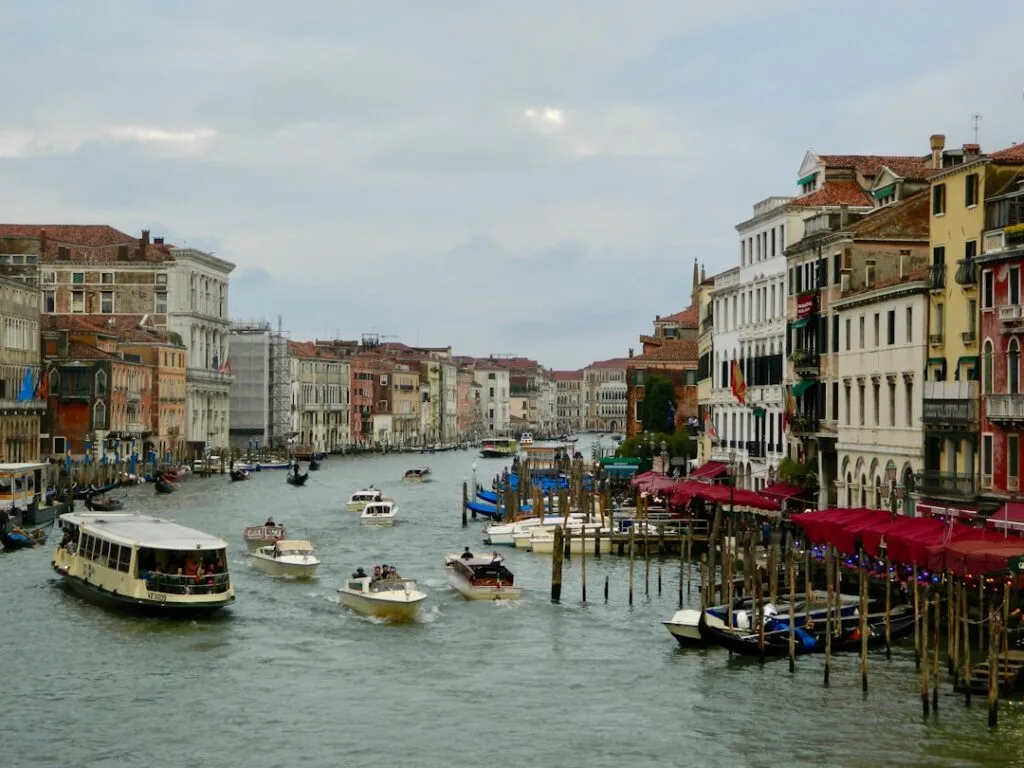
To make a port call in Venice successful despite the weather, it’s crucial to know local services and booking rules. Several providers and infrastructures are involved: the Capitaneria del Porto, ACTV services (vaporetto), water taxi operators, and accredited museums and local guides.
Key addresses and practical information:
- Capitaneria di Porto di Venezia – Port authority for maneuvers and safety: Piazzale Roma / Porto Marghera; for precise docking and restriction info, consult the Port of Venice official site. (Hours vary; emergency services are available continuously.)
- ACTV Vaporetto – Main public maritime transport company: ACTV station, Piazzale Roma. Single tickets ≈ €8 for 75 minutes, 24h/48h passes available (indicative prices). Information desks at Piazzale Roma and Tronchetto (usually open 08:00–20:00).
- Private water taxis – Water Taxi Venezia (various operators available 24/7). Official boarding and per-kilometer rates: transfers from Terminal Crociere to San Marco ≈ €70–€120 depending on time and conditions.
- Gondolas – Typical daytime rate for a gondola: €80 for 30 minutes, higher rates at night and on weekends up to €120; official prices posted at main stations (Rialto, San Marco).
Reservations and ticketing:
- Pre-book guided tours at the Palazzo Ducale (Piazzetta San Marco, 1) and St. Mark’s Basilica (Piazza San Marco, 328): combined tickets are often available online to avoid queues. Indicative prices: Palazzo Ducale €25 (museum combined ticket), Basilica entry to the church is free but access to museum areas and Terrace/Loggia ≈ €5–€10.
- For Murano and Burano, prefer private tours or skip-the-line tickets if the weather is unstable; public boats are cheaper but more dependent on ACTV schedules.
- If an excursion is cancelled for weather, keep all receipts and documents: many operators offer full refunds or rescheduling.
Final tips for cruise planners:
- Create a “weather kit” for your passengers: rain ponchos, a list of local emergency numbers, and a Plan B for indoor activities.
- Inform passengers before the call: a brief weather bulletin, clothing advice and estimated times for disembarkation and return to ship.
- Set contractual agreements with local providers (guides, water taxis) that specify weather-related cancellation policies to avoid disputes and unexpected costs.
Click here to buy the St. Mark’s Pass with museums included
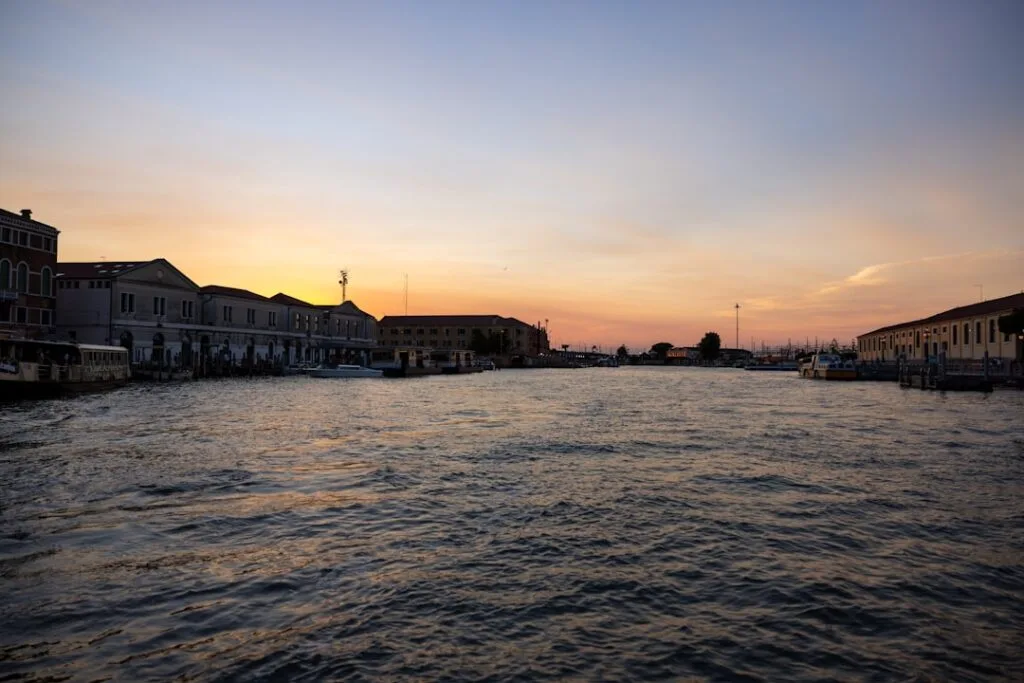
Visual and atmospheric experiences: how weather and light transform Venice
Beyond technical and logistical aspects, weather sculpts Venice’s sensory experience. Morning light, evening mist, a fine rain on the paving stones and acqua alta that reflects façades give each visitor different, memorable images. Photographers and travelers often seek out these variations: a golden sunrise on St. Mark’s Basilica, the Bridge of Sighs framed by mist, or Burano’s vivid colors after a shower.
Places and angles to favor depending on the weather:
- Piazza San Marco at sunrise: capture St. Mark’s Basilica and the Campanile without crowds. Access is free; arrive before 7:00 in high season for the best shots.
- Ponte di Rialto at dusk: low light enhances reflections on the Grand Canal, and nearby bars and restaurants are lively (addresses around Campo San Polo and the Rialto Market). The market operates daily with morning hours from about 7:00 to 13:00.
- Burano after rain: colored façades pop dramatically after a shower; the vaporetto from Fondamenta Nuove takes around 40 minutes — check ACTV timetables (service all year).
Artistic tips:
- For acqua alta photos, choose low angles that emphasize reflections in arches and columns. Protect your gear with waterproof covers for cameras and smartphones.
- In fog, focus on close subjects (architectural details, textures, bridges) rather than distant panoramas that disappear.
- For an authentic experience, combine quiet mornings with lively evenings by the Grand Canal; book a cicchetti tasting in a local bacaro as a great alternative to long walks in the heat.
Click here to book a photoshoot on the Grand Canal
Conclusion
Weather in Venice isn’t just a backdrop: it’s at the heart of the Venetian experience and it strongly influences the success of a cruise stop. From tides and acqua alta that dictate when and where a ship can dock, to fog and wind that lengthen journeys and change safety parameters, to seasonal variations that affect crowds and temperatures, each factor has practical consequences for organizers and passengers.
To make the most of a visit to Venice, combine logistical preparation (advance bookings, indoor alternatives, agreements with local suppliers) with sensory flexibility (learning to enjoy the city in rain, mist or low morning light). Key addresses — Palazzo Ducale, Piazza San Marco, the Terminal Crociere Venezia at Riva San Biagio — and local services (ACTV, water taxis, museums) remain essential reference points. The prices and hours given here (ACTV tickets ≈ €8 single, combined Palace–Museums tickets ≈ €25–€30, gondola ≈ €80 for 30 minutes) are budgeting guides, but always check official opening times and rates on museum and operator websites before you go.
Finally, Venice offers images and sensations that weather can amplify: sunrise photography at St. Mark’s Basilica, the magic of the Ponte di Rialto in the rain, Burano’s colors after a downpour. By following the advice here — check tide bulletins, pack appropriate gear, pre-book indoor visits and prepare Plan B options — you can turn weather constraints into memorable opportunities. Venice, a city of water and light, reveals itself to those who read its weather signs and adapt their trip accordingly.