




Introduction — Workshops and museums in Murano and Burano: a deep dive into two Venetian arts
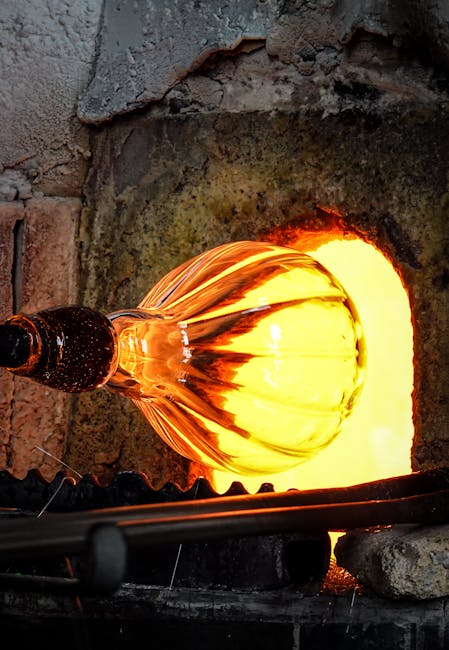
Venice is more than its maze-like alleys and St. Mark’s Square: it also shines through its islands, especially Murano and Burano, homes to living crafts that celebrate glass and lace. A day spent exploring the museums and workshops on these two islands delivers a full sensory experience: the hot crash of blown glass, the amber glow of the furnaces, the delicate pull of cotton thread into lace, and the slow choreography of artisans’ hands passing down age-old techniques. This cultural and hands-on route helps you grasp not only the artistic history but also the social and economic ecosystem that made these crafts famous worldwide.
Murano, just a few vaporetto stops from Venice’s historic center, hosts the Museo del Vetro (Glass Museum), century-old workshops and glassworks that offer live demonstrations. You’ll watch master glassblowers handle blazing rods of molten glass, blow and sculpt pieces — vases, chandeliers and jewelry — all with almost ritual focus. Burano, even more colorful, is famed for its lace: the Museo del Merletto (Lace Museum) preserves historic pieces and runs workshops where you can see Burano stitchwork up close. In a single day you can embrace this intangible heritage, buy an authentic piece right at the studio and leave with a much deeper appreciation for European craftsmanship.
This visit isn’t just about looking: it’s educational and practical too. Museums offer curated routes, archives and temporary exhibitions, while workshops open their doors for live demos often accompanied by technical and historical explanations from the artisans themselves. All this is combined with essential practical tips: how to get there, which times to favor to avoid crowds, how to spot an authentic piece, and the local courtesies to follow during a demonstration. This guide lays out a day-by-day circuit with exact addresses, opening times, indicative prices and local recommendations so you can make the most of a day devoted to Murano and Burano’s museums and workshops.

Museo del Vetro (Murano) and visits to historic glassworks
Museo del Vetro – Fondazione Musei Civici di Venezia
Address: Fondamenta Giustinian 8, 30141 Murano, Venezia, Italy.
The Museo del Vetro is the perfect starting point to understand the history of Venetian glass, from medieval origins to contemporary creations. Housed in the Barovier palace since 1861, the museum displays a rich collection ranging from Roman and Byzantine glass to masterpieces from Murano workshops covering the 16th–20th centuries. The rooms are arranged both chronologically and thematically: manufacturing techniques, the evolution of shapes, liturgical glass, opaline glass and artistic crystal.
Opening hours and prices (indicative — check before you go):
- Opening hours: 10:00 – 17:00 daily (last entry 16:30).
- Admission: full ticket €12, reduced €8 (youth, seniors, students subject to conditions). Free entry may be available on the first Sunday of the month or under cultural agreements; check the official site.
The visit is immersive: lit display cases highlight the transparency of the glass while informative panels explain techniques like filigree, millefiori, sommerso, and polishing. Practical tip: book a guided tour if you’re visiting in high season; tours are often offered in English and Italian and last roughly 60–90 minutes.
Local tips: favor a morning visit for photos with fewer people and wear closed shoes if you plan to enter workshops afterward — some floors near work areas can be dusty. Buy tickets online if possible to skip the line. The museum is vaporetto-accessible — get off at Murano Colonna or Museo. Allocate 1½–2 hours for a full visit including the shop.
 Click here to book your ticket for the Murano Glass Museum

Murano glass workshops: demonstrations and artisan showrooms
Murano is a village of workshops. Several glass houses allow you to watch the craft in action. Here are some recommended workshops and glassmakers, approximate addresses and what to expect:
- Vetreria Venini – Showroom and workshop
Address: Fondamenta dei Vetrai 65, 30141 Murano, Venezia, Italy.
Description: Venini, famous for collaborations with designers, often offers occasional demonstrations and a showroom of contemporary objects. Prices vary widely: small glass jewelry from around €25, decorative pieces from about €150 and lighting by quote. Indicative hours: 09:30 – 18:00. - Barovier & Toso – Historic workshop
Address: Campo San Donato, 30141 Murano, Venezia, Italy (atelier/showroom; main factory may be visitable by appointment).
Description: A historic house offering exceptional pieces. Public demonstrations are irregular; contact them in advance. Prices: collector items typically from €200 up to several thousand euros. Hours: variable, by appointment. - Vetreria Colussi / Vetreria Artistica Murano
Address: Fondamenta dei Vetrai, Murano, Venice (several small workshops along the canal).
Description: Independent small studios where you get a direct connection to the artisan. Demonstrations usually run continuously during opening hours (10:00–17:00). Handcrafted pieces can be more affordable (€30–€300).
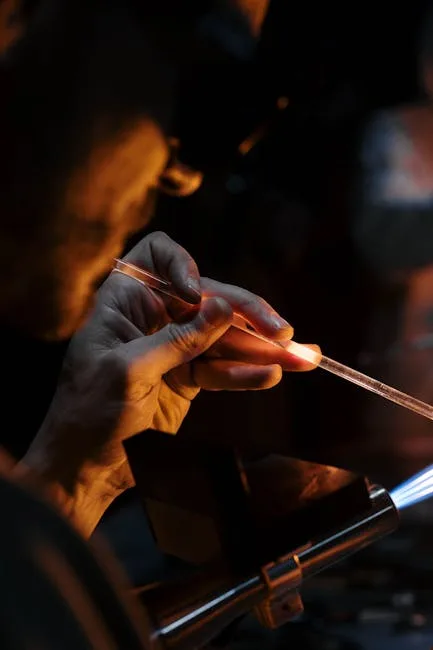
Demonstrations typically last 20 to 45 minutes: the master glassblower heats the crucible, shapes the gather, blows, stretches and finishes the piece. Always respect the workspace and safety rules: keep your distance and don’t touch anything. Buying directly at the workshop guarantees provenance and often comes with a certificate of authenticity. Don’t hesitate to ask about the technique used — artisans are often happy to share the story of their craft.
Practical tips: bring a light jacket — furnaces put off heat even in winter — and prefer card payments at established workshops, but carry some cash for smaller studios. If you’re traveling with luggage, some workshops offer reinforced packaging and can ship items home (ask about shipping costs and timing).
Click here to attend a glassblowing demonstration
Click here to join a beginner glassblowing workshop
Museo del Merletto (Burano) and lace workshops
Museo del Merletto
Address: Piazza Baldassarre Galuppi, 235, 30142 Burano VE, Italy.
The Museo del Merletto on Burano tells the story of a centuries-old female tradition: needle and bobbin lace, luxurious and painstaking. Housed in a renovated historic building, the museum contains exceptional pieces, pattern archives and reconstructions of traditional workshops. Permanent displays and temporary exhibitions let you see how lace styles evolved from the 17th century to today.
Opening hours and prices (indicative):
- Opening hours: 10:00 – 17:00 daily (closed some public holidays; check).
- Admission: full ticket €6, reduced €4 (students and seniors), workshops charged extra (from about €20 for a short session).
Live demonstrations by local lacemakers are held regularly: watching their hands work the thread, eyes following the pattern and the precision of the gesture is genuinely inspiring. The museum also runs hands-on workshops (varying lengths) where you try basic stitches under the guidance of an artisan. These workshops are usually small-group and often require booking.
Local tips: Burano is extremely photogenic, but for the museum pick a time outside peak visitor hours (late morning or after 15:00). If you buy lace, always ask for a certificate of origin — true Burano lace is frequently labeled. Ready-made items range from doilies (€20–€60) to bespoke garments and larger pieces (€200+).
Click here to book a guided visit with a lace demonstration and museum entry
Other points of interest, suggested routes and logistical tips for a smooth day
To make the most of your day, plan your route around vaporetto travel times, demonstration schedules and any bookings. Here’s a practical sample itinerary:
- Morning: depart Venice (Fondamenta Nove or San Zaccaria depending on where you are) to Murano — visit the Museo del Vetro (allow 1½ hours).
- Late morning: watch a demonstration at a local glassworks and enjoy a coffee / light lunch along Murano’s quays.
- Early afternoon: vaporetto to Burano (20–40 minutes depending on the line), wander the colorful lanes and visit the Museo del Merletto.
- Late afternoon: take a lace workshop or shop at artisan boutiques, then head back to Venice.
Transport and costs:
- ACTV vaporetto single fare: about €8–€9 for 75 minutes (check day passes). A daily transport pass (ACTV) can be worth it if you do multiple crossings.
- Average travel times: Venice–Murano 10–20 minutes by vaporetto depending on stop; Murano–Burano 20–30 minutes.
Other practical tips: bring water, protect yourself from the sun in summer and wear comfortable shoes. Communicate in English or Italian with the artisans: a few words like “Buongiorno, posso assistere alla dimostrazione?” open doors. Finally, respect photo rules: some workshops or demonstrations may request no flash or ask you not to take close-up photos of the artisans at work.
Click here to book a boat tour to Murano and Burano
Conclusion — Plan ahead for an authentic experience
Visiting Murano and Burano’s museums and workshops in one day is an intense dose of emotion and expertise: from the breath of glass to the delicate lace stitch, every moment is a lesson in history and technique. To get the most from the experience, plan your route around the opening hours of the Museo del Vetro (Fondamenta Giustinian 8, 30141 Murano) and the Museo del Merletto (Piazza Baldassarre Galuppi 235, 30142 Burano), book demonstrations or workshops in advance where possible, and aim for an early arrival to avoid crowds. The prices given (for example €12/€8 for the Museo del Vetro and €6/€4 for the Museo del Merletto) provide a budget baseline, but also factor in spending on artisan pieces which vary greatly depending on the workshop’s reputation and the object’s complexity.
Beyond the museums, it’s the human exchange that turns a visit into a lasting memory: talk with the glassmakers and lacemakers, ask about their craft and how to care for pieces you buy. Finally, don’t forget logistics: check ACTV vaporetto lines and timetables in advance, consider a day pass if you’ll be hopping between islands, and plan for packaging or shipping solutions for fragile purchases. Follow these tips and you’ll leave not only with unique art objects, but also a deeper understanding of two Venetian traditions that continue to light up the world.