





Introduction
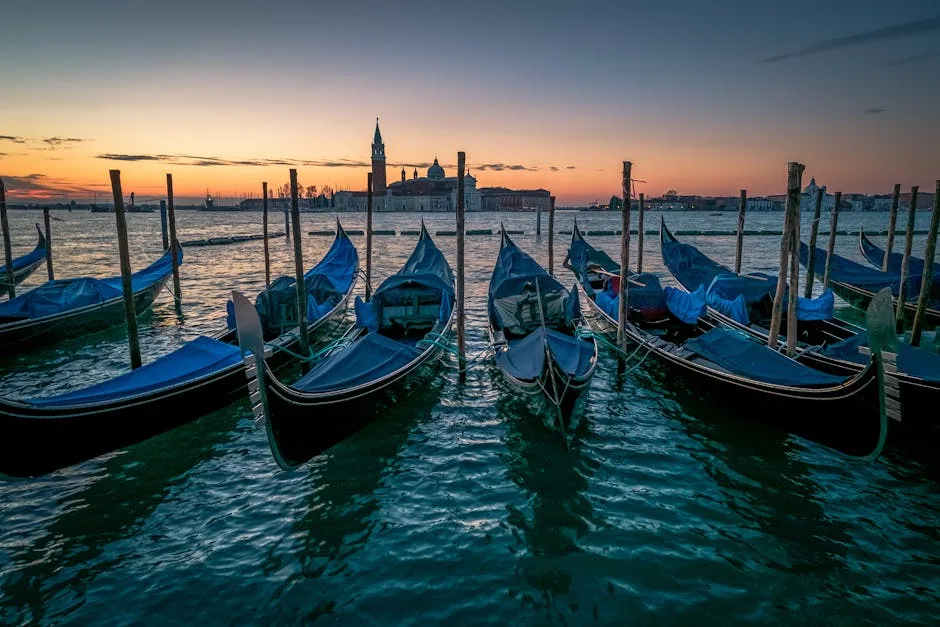
Venice is not just the city of baroque palaces, gondolas and Carnival masks: it’s also a surprisingly varied natural setting where the lagoon, islands, beaches and gardens create perfect photo backdrops. Whether you’re an amateur or pro photographer, the area around Venice offers a diversity of motifs — satiny reflections on water, islet silhouettes bathed in golden morning light, graphic canal lines, and the living textures of reeds and salt pans. These natural elements frame portraits, landscapes, macro shots and intimate urban scenes. Your challenge is to spot not only visual patterns but also how to work with light, tides and local rhythms to turn each shot into something memorable.
In this piece I offer a detailed exploration of the best natural frames to photograph around Venice: from Lido beaches to the gardens of the Parco della Biennale, and the islands of Burano, Torcello, Sant’Erasmo and the cemetery on Isola di San Michele. For each spot you’ll find exact addresses, entry or access prices, usual opening hours, immersive descriptions and practical local tips to plan your photo outings (best times, gear use, weather precautions, transport options by vaporetto or private boat). The approach is both aesthetic and pragmatic: I explain how to compose, which focal lengths to favor, how to use wind, swell, birds and reflections, and which angles to explore to avoid clichéd tourist shots.
These places aren’t mere tourist “spots”: they are living environments. Fishermen repairing their traps on the shoreline, tall grasses dancing in the mistral, ruined villas draped in wild vines, horizons fractured by campaniles — all help build strong images. I also give concrete logistical advice: where to park your bike or car, which vaporetto lines to take (numbers and main stops), the little cafés to recharge batteries and back up your photos, and how to respect locals’ peace and local rules, especially on residential islands. This article is designed so you can plan a rich, successful photo excursion around Venice as soon as the next day.
Lido di Venezia: beaches, dunes and marine perspectives
The Lido di Venezia is the barrier island that protects the Venetian lagoon from the open Adriatic. Its sandy coast, dunes and long promenades offer photographic possibilities very different from the historic center. The main seafront is the Lungomare Guglielmo Marconi, 30126 Lido VE, where public beaches and private establishments stretch out. The Lido’s photographic interest lies in its horizontal layers — sea, beach, breakwater — and the contrast between Art Nouveau villas and fishing nets or empty parasols off-season.
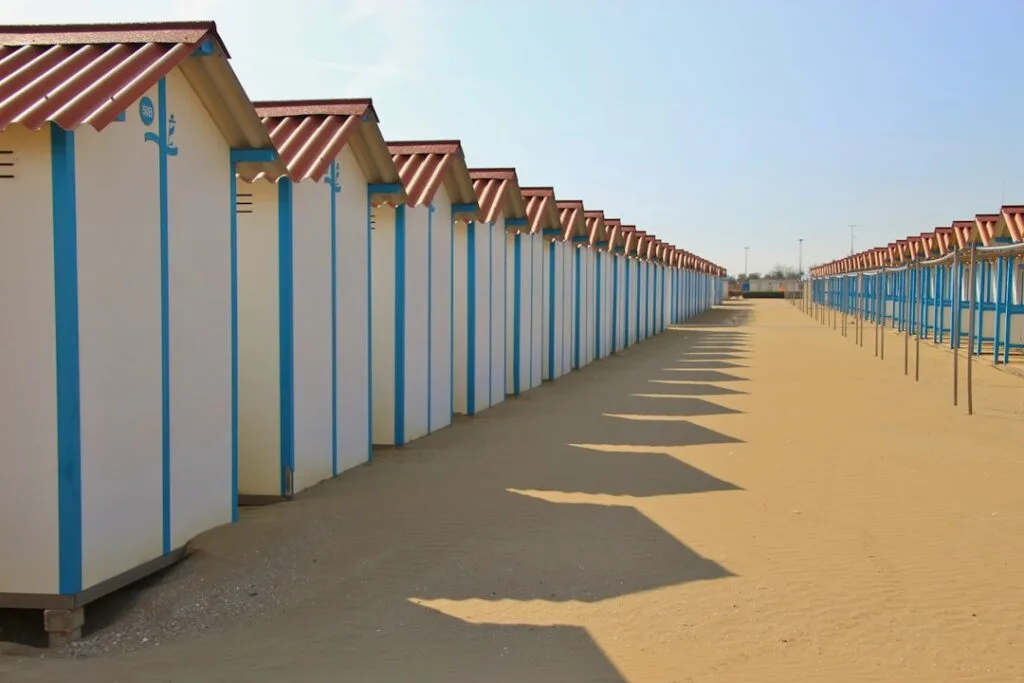
Access and hours: the Lido beach is generally free to access (Price: 0 € for public areas). Private stabilimenti balneari charge an entrance fee and parasol/chair rental (Indicative price: 10–25 € depending on season). The Lido is reachable from Piazzale Roma / Ferrovia by ACTV vaporetto lines 1/5.1/5.2 and line 6 (seasonal). The vaporetto departs from fermata Lido S.M.E., and the crossing takes about 10–20 minutes (schedules vary: first services from 05:30, last night services according to the ACTV timetable).
Photography tips:
– Best times: sunrise for soft moods and silhouettes, or sunset for warm colors; the golden hour on the Lido is especially cinematic.
– Recommended lenses: wide-angle (16–35 mm) to capture the sweep of beach and dunes; telephoto (70–200 mm) to isolate details like gulls or wooden structures.
– Techniques: use an ND filter to smooth the sea and create motion trails, or a polarizer to deepen the sky’s blue and cut reflections on the water. Look for leading lines — nails, planks, piers — to create depth.
– Local practices: respect private areas of the stabilimenti and check signage about swimming. Wind can be strong; bring waterproof bags to protect gear and weights for a light tripod.
 Click here to book a private beach day from St. Mark’s
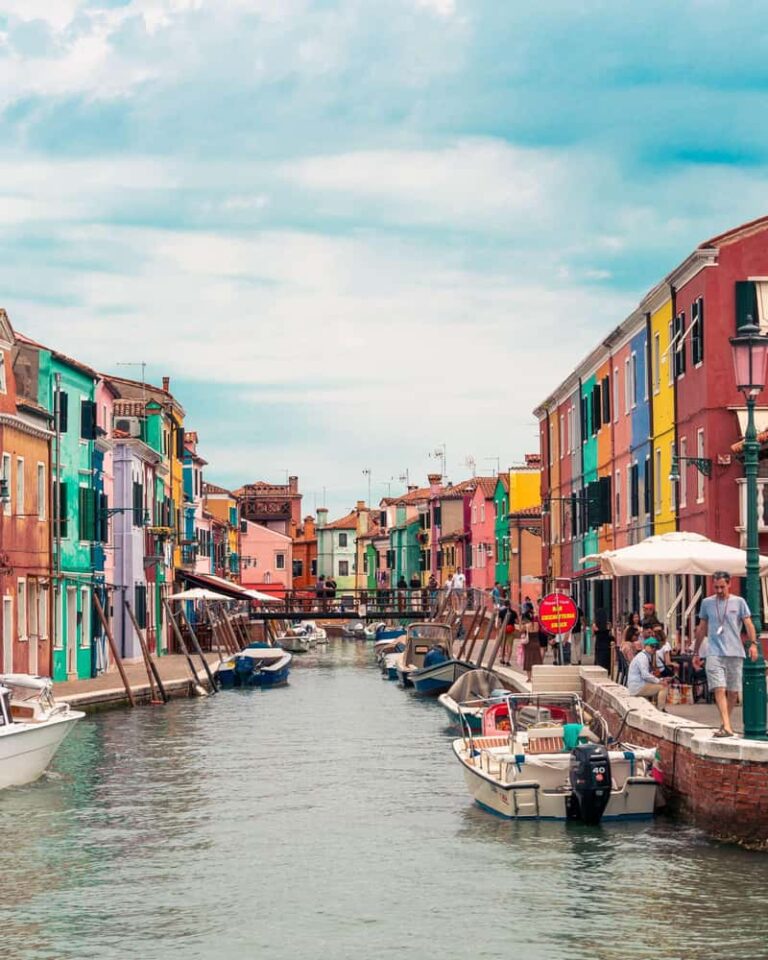
Burano: colorful houses and calm canals
The island of Burano is famous for its multicolored houses and lace-making, but it also offers wonderful natural frames thanks to tranquil canals and moored fishing boats. The main reference address is Piazza Galuppi, 30142 Burano, Venezia. Burano’s photographic charm mixes vernacular architecture, saturated reflections in the water and lively everyday scenes: laundry drying between facades, elders on benches and children playing by the banks.
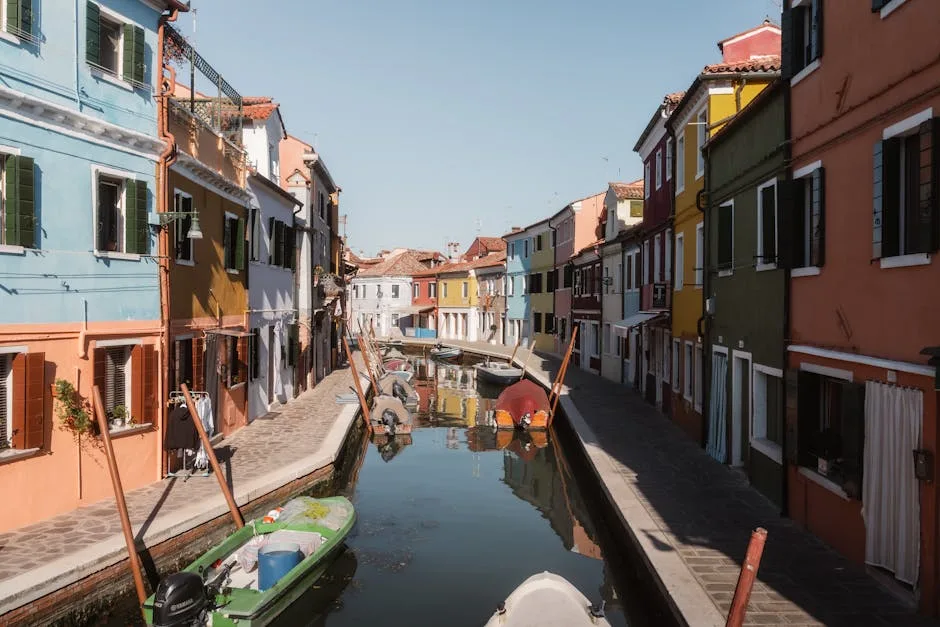
Access and hours: access to Burano is public and free (Price: 0 € for the island). The Museo del Merletto (Lace Museum) is at Fondamenta Galuppi, 187, 30142 Burano (Indicative price: 3–5 €; typical seasonal hours 10:00–17:00, closed some days off-season). ACTV vaporetti 12 and 14 connect Venice to Burano via Murano; the crossing from Fondamenta Nuove takes about 45–50 minutes. Departures start early in the morning (from 06:00–07:00) and run into the evening depending on the season.
Photography tips:
– Best times: early morning to capture façades with few tourists and perfect reflections; late afternoon for warmer colors.
– Framing: use windows, doors and bridges as natural frames for portraits and street scenes. Shoot backlit to create graphic silhouettes against the colorful façades.
– Lenses: a versatile 24–70mm for street scenes and landscapes, a fast 50mm for environmental portraits.
– Tips: avoid peak tourist hours (10:00–16:00). For more original compositions, climb onto secondary bridges and look for fragmented reflections in narrow canals. Respect locals’ privacy: ask politely before photographing people up close.
Click here to explore Murano and Burano on a half‑day trip
Which outings around Venice are best for natural, distinctive photos?
Watch the schedules and crowds: some morning connections and the golden hour concentrate photographers and shuttles; pick departures by season to avoid crowds and queues at the docks.
On the islands, weather and tides often determine a shoot’s outcome: wind, low light and water changes transform the scenes — time your visit and plan a backup if the sky closes in.
1. Murano, Burano and Torcello (half‑day)
A quick, flexible outing to stack motifs: glassblowing demos in Murano, Burano’s colorful lanes and a contemplative glimpse of Torcello — ideal for a tight photo route.
- ⏱️ Duration: 4.5–5.5 hours
- 🛥️ Format: Panoramic boat trip
- 💡 Highlight: Quick combo of workshops, colorful façades and marshes
- 🗣️ Languages: French, English, Italian, Spanish, German
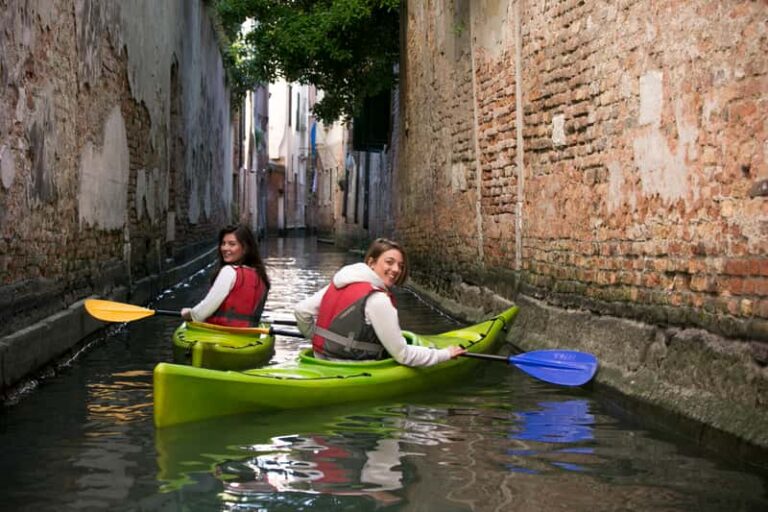
2. Kayak the canals
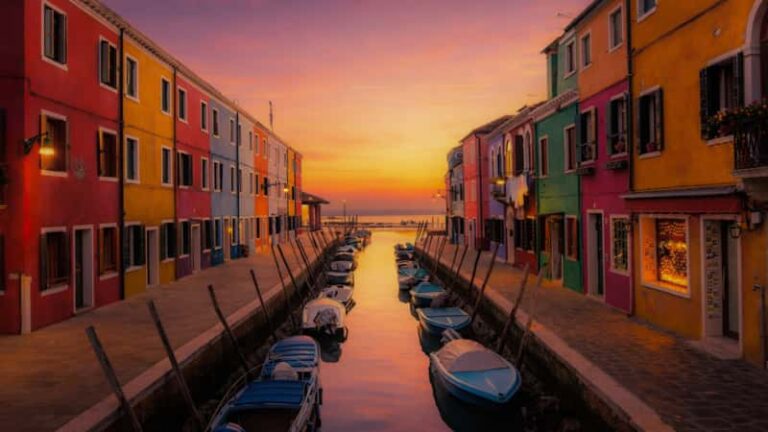
Water‑level perspective for unique compositions: narrow canals, façade reflections and nighttime or twilight calm depending on your slot.
- ⏱️ Duration: 1 hour
- 👥 Format: Guided kayak tour
- 👌 Ideal for: Photographers seeking low angles and mobility
- 🗣️ Languages: English, Italian
3. Excursion from Punta Sabbioni (full day)
A full day with more time on each island: perfect to explore details, museums and mosaics while keeping relaxed photo windows.
- ⏱️ Duration: 7 hours
- 🚩 Departure: Pier No. 5, Punta Sabbioni
- 🗺️ Itinerary: Murano → Burano → Torcello
- ⭐ Highlight: Extended time for compositions and museums
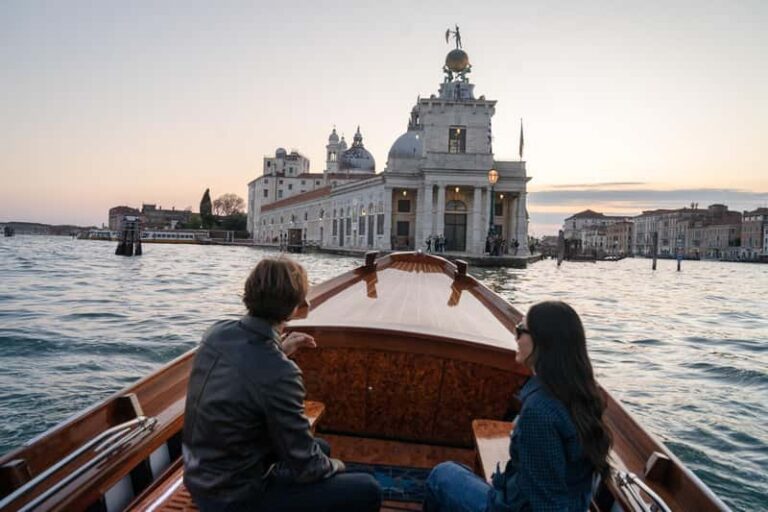
4. Sunset cruise
A short trip at the most photogenic moment: Venice silhouettes from afar, golden reflections and a serene atmosphere for cinematic shots.
- ⏱️ Duration: 1 hour
- 🌅 Time: Sunset
- 🥂 Includes: Drink (Prosecco possible depending on the option)
- 🎟️ Access: Boarding from a central point (see info)
Torcello and the Basilica di Santa Maria Assunta: marshes, silence and history
The island of Torcello is a haven of calm and history, wilder than Burano and Murano. It hosts the Basilica di Santa Maria Assunta (Piazza Santa Maria, Isola di Torcello, 30142 Torcello, Venezia), a Byzantine monument famed for its ancient mosaics. The island is ringed by mudflats, reeds and marshes that create intense natural patterns: water traces between canals, bird silhouettes, and bands of light piercing the trees. Torcello is perfect for anyone wanting to capture a melancholic, contemplative atmosphere away from the tourist bustle.
Access and hours: the island is publicly accessible, but entry to the Basilica di Santa Maria Assunta is ticketed (Indicative price: €5; tickets are sometimes combined with the Museo di Torcello). Basilica hours: typically 10:00–17:00 in high season, reduced off-season (check locally or online before visiting). Vaporetti from Fondamenta Nuove (ACTV) serve Torcello via Burano; allow about 1 hour travel depending on the connection.
Photo tips:
– Best times: sunrise and late afternoon to play with low light that flatters mosaic textures and canal surfaces.
– Techniques: for interior mosaics, use a fast lens (f/1.8–f/2.8) and raise ISO if needed, while respecting any indoor photography restrictions. For marsh landscapes, a telephoto helps isolate birds and extract graphical details.
– Watchouts: some places of worship require discretion and ban flash; respect service times. Services on the island are limited; bring water and portable chargers.
Click here to visit Murano, Burano and Torcello on a guided boat tour
Sant’Erasmo and lagoon farming: fields, orchards and birds
Sant’Erasmo is nicknamed “l’orto di Venezia” — Venice’s vegetable garden — thanks to its market gardens, orchards and fields that supply the city. The island has a strongly rural identity with scattered farms, dirt tracks and canals edged with reeds. Practical address: Isola di Sant’Erasmo, 30142 Sant’Erasmo, Venezia. It’s ideal for photographing agricultural patterns on the lagoon’s edge, farm workers in the fields, and migratory birds in the wetlands.
Access and hours: the island is reachable by ACTV vaporetto (line 13 from Fondamenta Nuove or seasonal special lines). Access to the fields is public and free (Price: €0). Local farmers’ markets have varying hours; farms often open their stalls in the morning (08:00–12:30). To visit certain operations and arrange closer shoots with farmers, contact local producers in advance.
Photo tips:
– Best times: early morning for possible mist and soft light, or late afternoon for golden backlight.
– Lenses and techniques: a versatile 35–70mm for agricultural scenes and traditional portraits; macro for insects, dew drops and vegetable textures.
– Conduct: respect the crops (don’t walk through plots without permission) and ask before photographing people at work. Wear suitable shoes, as tracks can be muddy after rain.
Isola di San Michele and the Giardini della Biennale: contemplative nature and urban green oases
Isola di San Michele is Venice’s municipal cemetery, a place of austere, singular beauty where cypresses, tombs and shaded paths create powerful graphic compositions. Address: Isola di San Michele, 30121 Venezia. Nearby, the Giardini della Biennale (Giardini Pubblici, Riva dei Sette Martiri, 30122 Venezia) offer lawns, exotic species and canal views that make excellent green counterpoints to the wilder lagoon sites.

Access and hours: entry to Isola di San Michele is ticketed for some administrative areas but most paths are accessible (Indicative access price: €0–2 depending on zones and services). Typical hours: 09:00–17:00 (may vary by season). For the Giardini della Biennale, outdoor access is free and usually open from early morning until sunset (Price: €0 for the gardens; Biennale temporary exhibitions are ticketed with variable hours—see the official site for prices and times). Vaporetti serve these islands via the San Michele and Giardini stops.
Photo tips:
– On Isola di San Michele, favor cypress lines, crisp shadows and tombstone details for conceptual portraits or texture studies. An 85–135mm lens works well to isolate details and compress planes.
– At the Giardini della Biennale, stroll to find shady corners, ancient trees and sculptures integrated into the landscape. Spring and autumn offer ideal color palettes.
– Respect: on San Michele, behave respectfully—no noisy poses on graves or intrusive exploration. For both sites, check local rules about tripod use and shooting for extended sessions.
Techniques and practical tips for photographing the lagoon and islands
Photographing around Venice requires more than visual talent: it needs logistical and technical preparation. The lagoon has its own rules—tides, wind, changing light—and your images will benefit if you know how to work with them. Here are concrete tips you can apply on your next photo outing.
Preparation and gear:
– Recommended minimal kit: a quality body (full-frame if possible), three lenses (16–35mm wide, 24–70mm standard, 70–200mm tele), a lightweight tripod, ND and polarizing filters, spare batteries and memory cards, waterproof bag.
– Protection: salt, sand and moisture are enemies; use waterproof covers and microfiber cloths for quick wipes. Avoid changing lenses exposed to salty wind.
– Software and backup: bring a portable hard drive or cloud service to back up images each evening; cafés and bars along the quays often have power outlets for charging.
Field practices:
– Work the light: scout golden and blue hours, adjust exposure and expose for highlights if you want to preserve sky colors.
– Play with motion: use long exposures to smooth water and create soft lines; faster shutter speeds will freeze birds and waves.
– Composition: seek natural frames (bridges, doors, reeds) to place your subject and create depth. Vary levels: shots at water level for dramatic reflections or from above for wide perspectives.
– Human interaction: including people (fishermen, locals, children) adds human scale and narrative; always ask permission for close-ups.
Local logistics:
– Vaporetto: buy an ACTV day pass if you plan multiple rides (Indicative price for a single ACTV ticket: 8 €; day passes vary by duration). Check schedules and stops online (Fondamenta Nuove, Piazzale Roma).
– Timetables: plan transfers considering vaporetto frequency, especially early morning or late evening.
– Safety: most islands are safe but stay vigilant with your gear in crowded areas; avoid carrying bags on one shoulder in markets.
Click here to book a professional photoshoot in Venice
Conclusion
The region around Venice is an exceptional playground for anyone eager to capture the meeting of nature and human presence. From the wild beaches of the Lido to the shimmering canals of Burano, through the quiet marshes of Torcello, the fields of Sant’Erasmo and the solemn avenues of Isola di San Michele, each place offers a palette of emotions and motifs to photograph. These natural settings are more than pretty backdrops: they tell stories—of work, solitude, celebration, and the coexistence of city and lagoon.
To make the most of these places, combine technical preparation with local sensitivity: respect residents, check opening times and rules (especially for religious sites and private property), protect your gear from moisture, and don’t forget enough batteries and memory cards. The most honest scenes are often off the tourist trails: a side alley, a riverside corner at dawn, or an abandoned crab pot can become the heart of a powerful image.
Finally, photography around Venice is also a human adventure. Talk to fishermen, ask permission for a portrait, offer a printed image of your best shots if the moment allows—these gestures can open doors and reveal unexpected perspectives. Bring observation, patience and genuine respect for these fragile landscapes: the Venetian lagoon is a living environment that deserves to be photographed with care. Safe photographic travels and may the lagoon’s light inspire you!