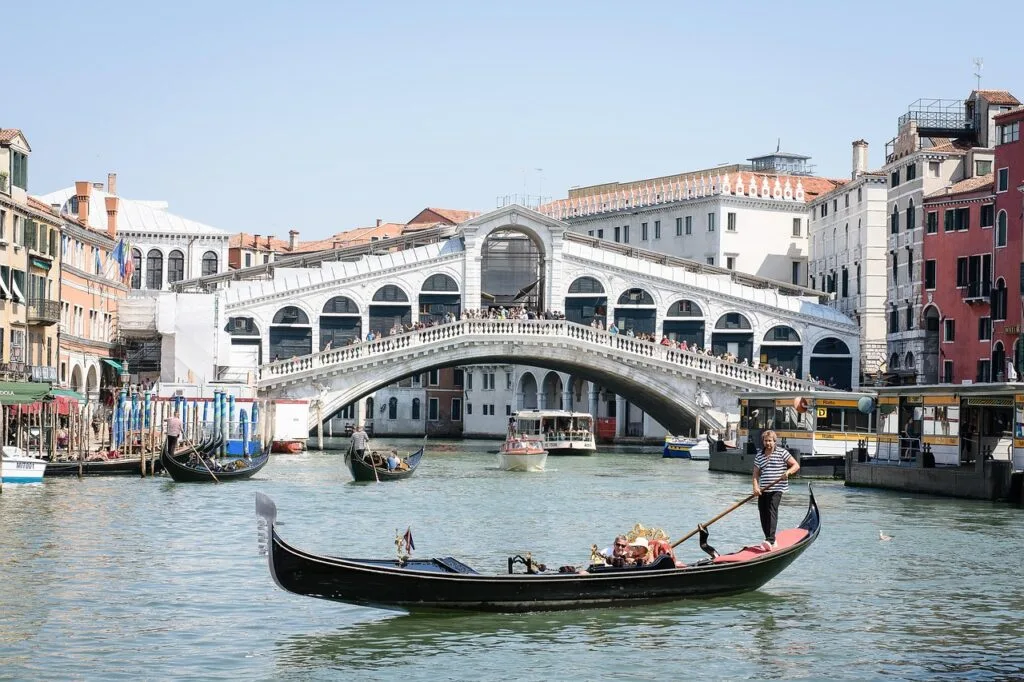






Introduction: Venice, its canals and the magic of cicchetti
Venice is a city you explore as much with your palate as with your eyes. Between the baroque palaces of Piazza San Marco and the narrow lanes of the Sestiere di Cannaregio, a popular food tradition rules the day: cicchetti, little bites served in bacari (Venetian wine bars). Among them, sarde in saor hold a special spot: these sardines are marinated, fried and then steeped in a sweet-and-sour mix of onions, vinegar and raisins — a single bite that tells centuries of Mediterranean trade and exchange.
Tasting sarde in saor in Venice is more than enjoying a dish; it’s joining a social ritual. You stand at the counter, order a glass of local white — a Prosecco di Valdobbiadene or a Bianco di Custoza — and pair it with one or two cicchetti. The atmosphere is noisy, friendly and unpretentious, and it’s often the regulars who’ll teach you the unwritten rules: don’t hog the table if others are waiting, share your bread, and sample each cicchetto with curiosity.
In this article we’ll walk you through the history of sarde in saor, how they’re made, the best spots to try them near landmarks like the Palazzo Ducale or the Ponte di Rialto, plus exact addresses, opening hours, indicative prices in euros, and practical tips to experience the tasting like a local. Whether you arrive at Gare Santa Lucia or by lagoon, get ready to intentionally lose yourself in the calli, follow the scent of caramelized onions, and collect tiny pieces of Venetian culinary history.
 Click here to discover Venice’s cicchetti and wines
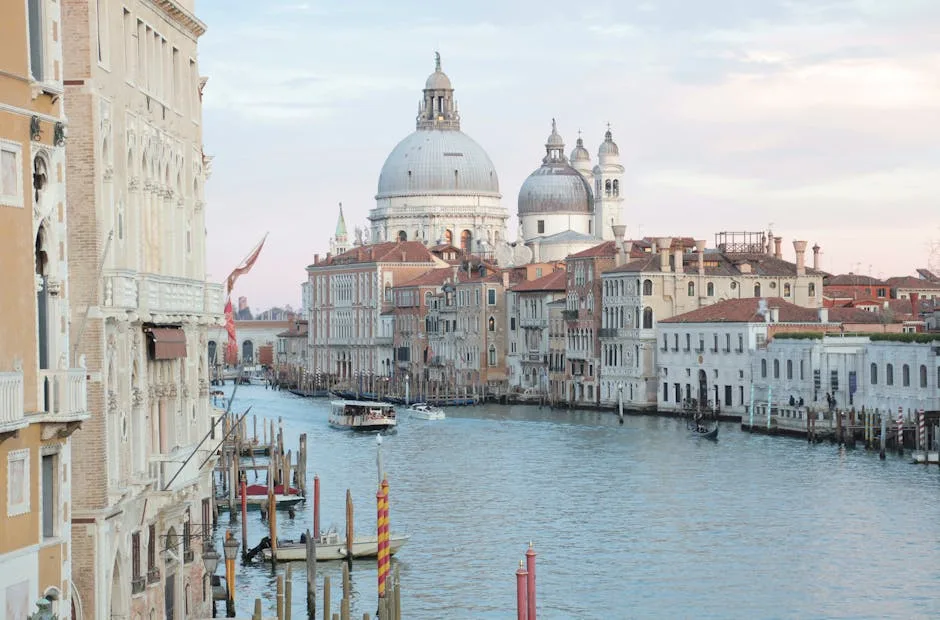
History and recipe: understanding sarde in saor
Sarde in saor are the product of mixed influences and historic necessity. When Venice controlled long-distance trade routes, vinegar, spices and dried fruits were both exports and imports. Venetian fishermen, faced with the need to preserve fish without refrigeration, combined frying with a vinegar-based marinade, sweet onions — often from the Po plain — and sometimes raisins and pine nuts. The word saor comes from the Venetian dialect meaning “flavor,” but it specifically evokes the pairing of acidity and sweetness.
The traditional recipe is simple but exacting. Here’s an immersive description of the preparation:
- The sardines: usually fresh sardine sarde, cleaned and butterflied on the day.
- The frying: the fillets are lightly floured and fried until the skin is crispy and golden, not burnt.
- The marinade (saor): thinly sliced onions gently caramelized in extra virgin olive oil, then deglazed with wine vinegar (white or a regional wine vinegar). Sometimes sugar, rehydrated raisins and pine nuts are added for a sweet-savory texture.
- Resting time: the sardines are layered with the marinade and chilled for at least 12 hours — often 24 to 48 hours — so the flavors penetrate deeply.
What delights foreign palates is the contrast: the tender, slightly oily sardine flesh, the initial crisp of frying, the vinegar’s sharpness and the raisin’s mellow sweetness. Local variations might include a bay leaf, an orange zest, or replacing raisins with capers. But the golden rule remains: simplicity, quality ingredients and time to rest.
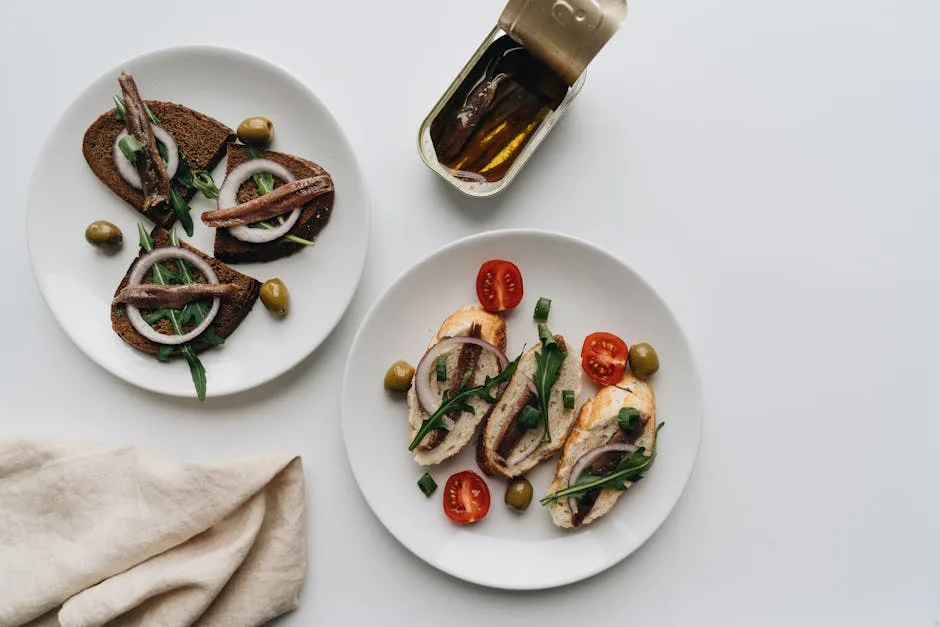
Where to taste the best sarde in saor: addresses, hours and prices
Venice is full of bacari serving cicchetti all day long. Here’s a curated list of iconic spots, close to landmarks or easy for visitors to reach, with addresses, opening hours and indicative prices (estimates valid for 2025):
-
Cantina Do Mori
Address: Calle dei Do Mori, 429, 30125 Venezia VE, Italy.
Hours: Monday–Saturday 10:00–20:00 (closed Sunday).
Price: cicchetti from €2.50; portion of sarde in saor €6–€8.
Immersive description: Founded in the 15th century, Cantina Do Mori is one of Venice’s oldest bars. The aromas of vinegar and onion mingle with the scent of aged wood. A compact counter, a mixed clientele: workers, students and tourists hunting authenticity. -
Osteria Bancogiro
Address: Riva del Carbon, 877, 30125 Venezia VE, Italy (near the Ponte di Rialto).
Hours: daily 08:00–23:00 (continuous service).
Price: cicchetti €3–€7; plate of sarde in saor €7–€10.
Immersive description: Terrace overlooking the Grand Canal, view of the Rialto fish market. Perfect to combine sightseeing and tasting, especially in the late afternoon at sunset. -
All’Arco
Address: Calle dell’Arco, 4692A, 30125 Venezia VE, Italy (San Polo, a few minutes from the Ponte di Rialto).
Hours: Tuesday–Sunday 11:30–15:00 and 17:30–22:30 (closed Monday).
Price: cicchetti €2.50–€5; fish specialties including sarde in saor €6–€9.
Immersive description: A small unpretentious bar with a standing counter. Perfect for sampling several cicchetti while strolling. -
Osteria al Vecio e il Bacucco
Address: Calle del Pistor, 2226, 30121 Venezia VE, Italy (Cannaregio, near the Strada Nova).
Hours: Monday–Saturday 12:00–15:00 and 18:00–23:00; Sunday 12:00–16:00.
Price: cicchetti €3–€6; plate of sarde in saor €8–€12.
Immersive description: Cozy atmosphere with decorated walls and daily specials. Ideal for a seated tasting if your feet need a break from the alleys.
Practical tips: arrive late morning to avoid the tourist rush, or after 17:00 when locals head out. Bring cash — many small places accept only cash or cards above a minimum amount. Expect €2.50–€5 per individual cicchetto; for a full cicchetti-style meal budget €12–€25 per person depending on drinks.
Click here to taste cicchetti, wine and spritz in Venice
Click here to explore the Cicchetti street and its flavors
Foodie routes: walking circuits around the monuments
To link culture and cuisine, here are three walking routes designed to weave sarde in saor tastings into visits to Venice’s main sights. Each route includes places, addresses and timing tips to make the most of your day.
Route 1 — Classic: Piazza San Marco and surroundings (morning).
Start: Basilica di San Marco, Piazza San Marco, 328, 30124 Venezia VE. Suggested times: doors open at 9:30 (check seasonally). Visit the Palazzo Ducale (Palazzo Ducale, Piazza San Marco, 1, 30124 Venezia VE; hours 09:00–19:00). As you head down toward the Ponte dei Sospiri, pause for a drink at Ristorante Quadri (Piazza San Marco, 121, 30124 Venezia VE), then make your way to the San Polo district where All’Arco (Calle dell’Arco, 4692A) and Cantina Do Mori are located.
Route 2 — Rialto and the market: Ponte di Rialto and the Rialto market.
Start: Ponte di Rialto, Rialto, 30125 Venezia VE. Visit the fish market (Mercato di Rialto) in the morning to see the day’s catch. Then sit down at Osteria Bancogiro (Riva del Carbon, 877) for a plate of sarde in saor and a Grand Canal view. Best after 11:00, when the market is active but less packed than at dawn.
Route 3 — Authentic Cannaregio: lanes and local bacari.
Start: Ghetto di Venezia, Cannaregio. Wander the calli, visit Campo del Ghetto Nuovo and stop at Osteria al Vecio e il Bacucco (Calle del Pistor, 2226) to taste the local take on sarde in saor. Finish with a stroll along the Fondamenta della Misericordia at sunset.
Practical tips for these routes: Ubers and taxis are rare in Venice — favor walking and the vaporetto (ACTV lines). Buy a 24-hour ACTV pass (around €25 in 2025) if you plan multiple Grand Canal crossings. Wear comfortable shoes and carry a small water bottle — Venetian summers can be hot and humid.
Click here to book your skip-the-line Doge’s Palace tour
Local tips, etiquette and regional variations
Eating cicchetti Venetian-style comes with a few simple codes. Locals stand at the counter or sit outside when space allows. Here are practical etiquette tips to make the most of it:
- Order at the counter: be clear about what you want. If you’re in a group, order items by the piece so you can try several cicchetti.
- Drink local: pair your sarde in saor with a glass of dry white (Prosecco, Pinot Grigio or a local Veneto wine). A glass typically costs €2.50–€7 depending on the place.
- No reservations: most bacari don’t take reservations for the counter. Arrive early if you want a seat.
- To go: ask for a “da portar via” — many bacari will pack your cicchetti so you can enjoy them on a canal-side walk.
- Regional variations: on some lagoon islands they add orange zest or capers. In Chioggia you may find a spicier version.
Safety and comfort tip: avoid eating while standing on church steps (it’s frowned upon) and respect signs like “Divieto di Pisciare” and other local rules. During high season expect queues near major sights (Basilica di San Marco, Palazzo Ducale): pair your sightseeing with a cicchetti break for a bit of respite.
Conclusion: more than a dish, a doorway into Venice
Sarde in saor are far more than a local specialty: they embody Venice’s history, its bond with the sea, preservation techniques, spices and trade. A marinated sardine fillet connects you to centuries of popular know-how and to the soul of the bacari, places where everyday life blends with curious visitors. Stopping at the counter of a historic cantina like Cantina Do Mori or on a terrace facing the Grand Canal means taking part in a ritual that has endured through time.
Tasting sarde in saor is embracing simplicity: modest ingredients, meticulous preparation and patience while the flavors develop. It’s also embracing Venetian conviviality — sharing a glass, chatting with the owner, listening to the mix of accents around you. Between visits to the Palazzo Ducale (Piazza San Marco, 1) and a stroll across the Ponte di Rialto, take the time to stop, smell the caramelized onions, appreciate the contrast of acid and sweet, and close your eyes to let the flavor remind you of the sea.
Plan a reasonable budget (expect €12–€25 per person for a full tasting/snack), listen to the regulars’ tips, time your visits to avoid the crowds and don’t hesitate to ask “che cosa c’è oggi?” (what are the cicchetti of the day?). Finally, remember that the best sarde in saor isn’t necessarily the one on the prettiest menu, but the one made with love and eaten in the moment, standing at the counter in the heart of a living Venice.