





Introduction
Venice is a city of water, ancient stone and winding routes where getting around is nothing like driving. For people with reduced mobility (PRM), navigating Venice can look daunting at first glance: bridges, gangways, slippery paving stones and narrow alleys all add to the challenge. Still, the water transport network — and especially the vaporetto, the ACTV-operated water-bus system — is the backbone of city travel and can become a real tool for independence for PRM visitors once you know its options, limits and handy tips.
This comprehensive guide is aimed at PRM travelers, their companions and tourism professionals. You’ll find concrete, up-to-date information (places, addresses, indicative opening times, approximate fares in euros), immersive descriptions of piers and boarding points, plus practical advice to plan journeys, book assistance and work around the trickiest spots. There’s also a selection of accessible piers, wheelchair-friendly routes, information on access to major monuments — St Mark’s Basilica, the Doge’s Palace, the Rialto Bridge — and recommendations for the best ways to cross the Grand Canal.
Riding the vaporetto in Venice isn’t just a necessity — it’s a sensory experience. The smell of saltwater, the slap of waves against the hull, and the procession of Byzantine palaces create magical moments. For PRM travelers, those moments are even more valuable because they require a bit of prior planning. This guide walks you step by step: how to spot piers with suitable gangways, how to use other ACTV services (dedicated shuttles, piers with lifts or fixed ramps), which lines to favor to avoid crowding and which times of day are less touristy. It will also explain how to reach major attractions from accessible piers and give exact addresses and times to make logistics easier on the ground.
Meanwhile, the city and local operators are gradually rolling out adapted solutions (temporary lifting platforms, portable ramps, high- or low-tide access, accessible restrooms). We’ll detail where and how to request these services — whether through ACTV assistance, tourist offices, hotels or tour operators. By the end of this article you’ll have a clear action plan, alternate routes and local tips — for example, when the piers at Venezia Santa Lucia station or Piazzale Roma are most convenient, or how to use vaporetto line 1 for a scenic crossing while avoiding high steps.
Before you board, remember Venice is constantly evolving and information can change with the season, weather or construction. Fares and schedules here are indicative; check the official contacts at the end of the article before you travel. Now, let’s set sail: we’ll explore the vaporetto network in depth, its accessible piers, practical routes to the main sights and concrete tips to make your stay in Venice as smooth and enjoyable as possible.
Understanding Venice’s vaporetto: how it works, fares and general accessibility
The vaporetto is Venice’s official water bus, run mainly by the operator ACTV. It connects the city’s main points — Venezia Santa Lucia station, Piazzale Roma, the Grand Canal, Riva degli Schiavoni, Fondamenta Nove, the Giudecca and the island of Murano — and is often the easiest way to reach accommodation or attractions without having to tackle too many bridges. Lines are numbered (for example, 1, 2, 4.1/4.2, 5.1/5.2, 6, 12) and each has its own character: some run along the Grand Canal serving the city centre, others link out to surrounding islands.
 Click here to discover Murano and Burano on a half-day trip from Venice
Fares (indicative):
- Single ticket (75 minutes): around €8.00 — this ticket allows limited transfers within the ACTV network. (Check ACTV’s official site for current fares)
- 24-hour ticket: around €25.00
- 48-hour ticket: around €35.00
- 72-hour ticket: around €45.00
- 7-day pass: around €60.00
These prices are indicative and can vary by season, discounts (children, residents) and fare policies. There are also combined tickets that include vaporetto trips plus travel to the islands (Murano, Burano, Torcello).
On accessibility, ACTV has upgraded some piers and boarding points with ramps and level waiting areas; however, reality on the ground is mixed. Key factors to consider are:
- Tide level: at high tide, height differences between pier and boat can be reduced, making boarding easier. At low tide, the gap can widen.
- Presence of portable gangways: some piers are fitted with inclined gangways or temporary ramps that the crew can install.
- Width of the piers: wide piers (e.g. Piazzale Roma) are much easier to manoeuvre a wheelchair on than small, crowded pontoons.
- Staff assistance: ACTV staff can provide physical help during boarding, but it’s best to notify them in advance via customer service to ensure assistance is available.
Assistance services and contacts:
- ACTV Office – Piazzale Roma: Piazzale Roma, 30135 Venezia VE. Indicative opening hours: 08:00–19:00. Tel: +39 041 2424 (information service). For PRM assistance, call ahead or visit the office to request the help you need.
- Venezia Santa Lucia Station – Tourist Office: Piazzale G. Garibaldi, 30121 Venezia VE. Indicative opening hours: 09:00–18:00 depending on the season. Staff are often well informed about the best accessible connections to reach your accommodation.
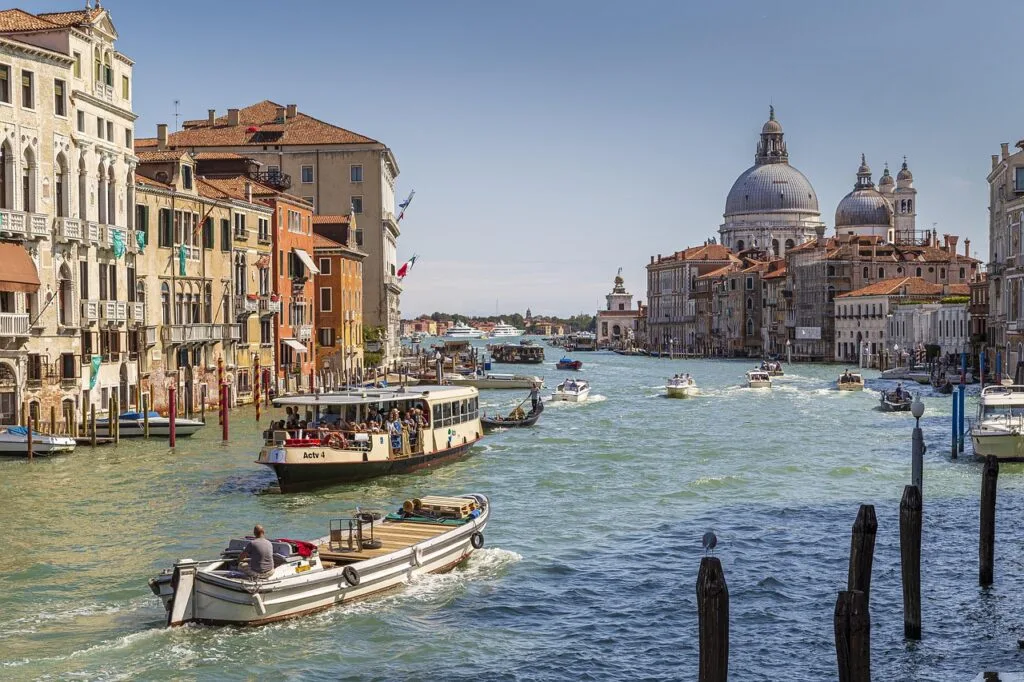
Before buying a ticket, check timetables (service is more frequent during the day and reduced at night), actual crossing times and the boat’s capacity to accommodate wheelchairs. The vaporetto remains the ideal compromise between independence and immersion: it links major spots directly, helps you avoid carrying luggage over bridges and offers stunning views of Venetian architecture.
Accessible piers and boarding points: addresses, descriptions and practical tips
If you’re planning an itinerary in Venice with a wheelchair or reduced mobility, concentrate on a few strategic piers that offer the best mix of practical accessibility and proximity to attractions. Here’s a recommended selection of piers and routes, with addresses and detailed descriptions:
1. Piazzale Roma
Address: Piazzale Roma, 30135 Venezia VE. Description: Piazzale Roma is Venice’s road-side gateway: bus stops, car and taxi terminus, and a large ACTV boarding area. The pier here is wide, level and clearly signed. It’s an ideal starting point for quick access to the vaporetto network and lines heading to the Lido and Tronchetto. Piers here often have temporary installations for PRM access and staff are generally trained to assist with boarding.
Practical tip: plan to arrive 20–30 minutes before departure to organise access to the pontoon and try to avoid peak hours (10:30–16:00) when crowds increase.
2. Venezia Santa Lucia Station
Address: Piazzale Giuseppe Garibaldi, 30121 Venezia VE. Description: Venezia Santa Lucia train station is a major hub for travelers arriving by train. The nearby vaporetto piers are reasonably spacious; there’s a direct route to the piers via ramps. From here you can take line 1 or 2 along the Grand Canal to reach St Mark’s Square or the Rialto area.
Practical tip: if you arrive with a lot of luggage, use the station lifts and main ramps, then head to the pier via Riva dei Sette Martiri. To avoid crowds, aim for departures early in the morning or late afternoon.
3. Fondamenta Nove
Address: Fondamenta Nove, 30121 Venezia VE. Description: located at the northern edge of the city, Fondamenta Nove serves the islands of Murano, Burano and Torcello and typically features calmer, generally accessible piers. The area in front of the pier is wide and flat, making wheelchair manoeuvres easier.
Practical tip: ideal for a trip to Burano (note: some boats to smaller islands may have steps). Check seasonal timetables for the lines and ask staff for help boarding if needed.
Click here to explore Murano, Burano and Torcello by bragozzo
4. Zattere
Address: Fondamenta Zattere al Ponte Longo, 30123 Venezia VE (Dorsoduro district). Description: the Zattere form a long promenade along the Canale della Giudecca, with level, well-arranged piers. From Zattere you get direct views of the Scuola Grande di San Rocco, the Punta della Dogana and Santa Maria della Salute Basilica. The boarding points here are convenient for reaching the Giudecca and the Dorsoduro neighbourhood.
Practical tip: the promenade is often quieter than the main tourist routes; take advantage and move comfortably in a wheelchair, boarding lines that tend to be less crowded.

Other piers to consider: Arsenale (near the Biennale), San Zaccaria (close to St Mark’s Square) — these piers sometimes have ramps, but access can vary depending on works or tide. Always check before you travel and, if possible, call the local ACTV office to confirm the boarding situation.
Practical routes to major sights: addresses, opening times and PRM tips
Visiting Venice’s iconic monuments as a PRM traveler takes a bit more planning. Here are detailed routes to reach the main attractions by vaporetto, with addresses, indicative times and accessibility tips.
Piazza San Marco, St Mark’s Basilica and the Doge’s Palace
Address Piazza San Marco: Piazza San Marco, 30124 Venezia VE.
St Mark’s Basilica: Piazza San Marco, 328/1, 30124 Venezia VE. Indicative opening hours: 09:30–17:00 (hours vary with season and religious services). Price: entry to the basilica is free (museums and access to certain sections are paid, approximately €6.00–€10.00 depending on areas).
Doge’s Palace: Piazza San Marco, 1, 30124 Venezia VE. Indicative opening hours: 08:30–19:00 (extended hours in high season). Indicative price: €25.00 (combined ticket options for Doge’s Palace + Museo Correr may apply).
How to reach them by vaporetto: the most convenient line to approach is line 1 (or 2) to the San Zaccaria stop or Riva degli Schiavoni. San Zaccaria (in the Castello district) is a few minutes’ walk from the basilica via a route without major steps. Note: Piazza San Marco can fill up quickly. Inside the basilica, accessible entrances and ramps are occasionally used; let staff know of your arrival to get assistance.
Click here to book your ticket for the Doge’s Palace
Practical tips: to avoid large tourist flows, aim for an early morning visit (or after 16:00 in low season). If you need an elevator or accompaniment, contact the museum’s visitor services in advance: Ufficio Relazioni con il Pubblico, Piazza San Marco, 1 — often reachable via the Doge’s Palace official site.
Rialto Bridge and the Rialto Market
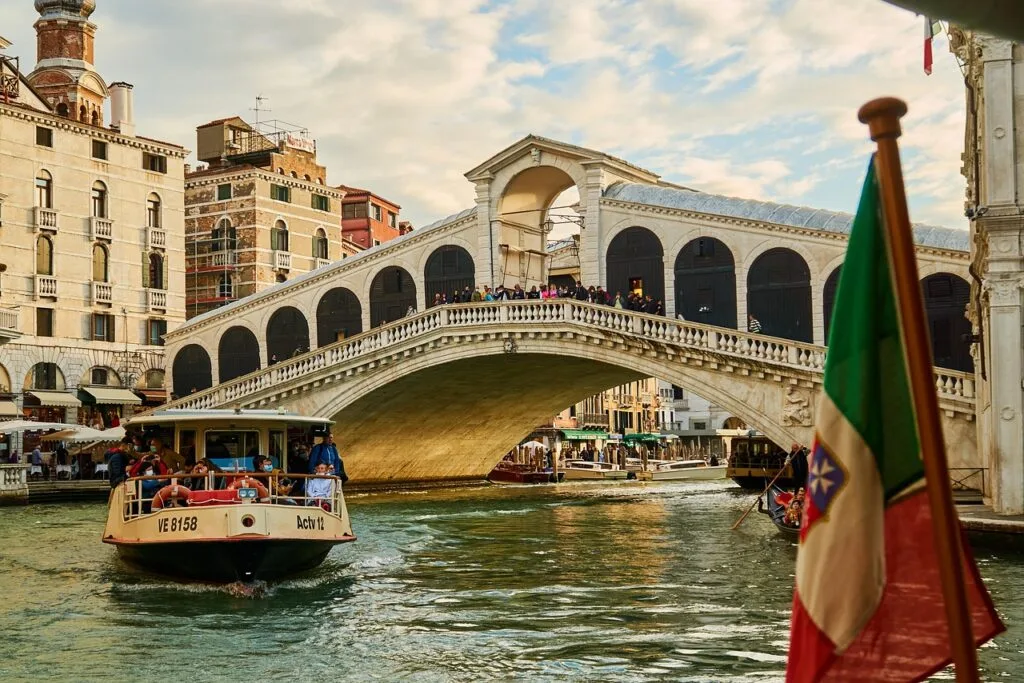
Rialto Bridge: Sestiere San Polo, 30125 Venezia VE. Description: the famous bridge spans the Grand Canal and offers spectacular views; the bridge itself is not wheelchair accessible (steps), but you can admire it from the flat banks nearby.
Access by vaporetto: recommended stops are Rialto Mercato or Rialto depending on the line (notably lines 1 and 2). From the piers, follow the level fondamenta that run along the market. The Rialto market sits on Campo della Pescaria and is easy to reach and very lively in the mornings.
Practical tips: avoid the busiest market hours (08:00–11:00) if crowds make movement difficult; the afternoon through about 15:00 can be less congested. If you plan to shop, ask vendors if they can help carry items to a drop-off point on the fondamenta.
The Giudecca and Santa Maria della Salute Basilica
Santa Maria della Salute: Dorsoduro, 1, 30123 Venezia VE. Indicative opening hours: 09:00–12:00 and 15:00–18:00 (religious hours and opening times vary). Price: free entry (donations recommended); access to the terrace and certain sections may be paid depending on the season.
Access by vaporetto: recommended stops are Zattere or Salute (the Salute stop is right opposite the basilica). These piers are often accessible and avoid the small flights of steps typical of central areas.
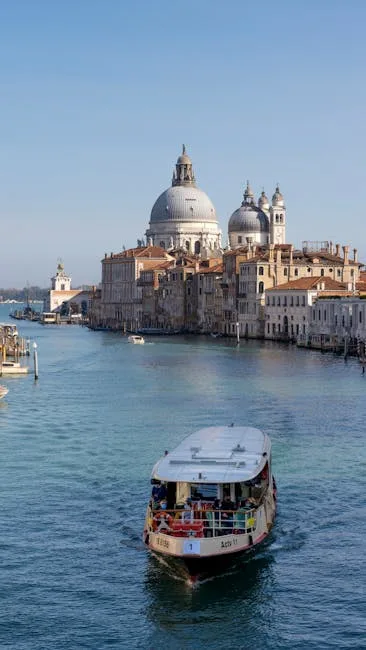
Practical tips: Dorsoduro is pleasant for a calmer route; the Zattere promenade is level and well suited to wheelchairs. For terrace access at the basilica, check at the ticket office whether adapted access solutions are available.
Local practical tips, safety and alternatives to the vaporetto
While the vaporetto is essential, there are alternatives and best practices to travel comfortably in Venice. Here’s a comprehensive list of recommendations based on PRM visitors’ experiences and local guides:
- Book assistance in advance: contact ACTV at least 48–72 hours before travel to notify them of specific assistance needs (boarding, help on the pier). ACTV info phone (general number): +39 041 2424. Late requests can be handled, but it’s better to plan ahead.
- Choose quieter times: the busiest hours are 10:30–16:00. Favor departures early morning (08:00–10:00) or late afternoon (after 17:00).
- Check weather and tide: acqua alta (high water) can affect access to certain piers but may sometimes make boarding easier by reducing the gap between pier and boat. See the Comune di Venezia site for tide forecasts.
- Use adapted water taxis: private water taxis sometimes offer PRM-adapted boarding; they’re pricier (indicative fares: from €80–€120 for a trip from the airport or Piazzale Roma) but provide maximum comfort and on-demand boarding.
- Locate accessible restrooms: major stations (Santa Lucia), main museums (Doge’s Palace) and some piers (Piazzale Roma) have accessible toilets. Always mark their locations on your map.
- Accessible accommodation: many hotels in Cannaregio, Santa Croce and Dorsoduro offer accessible rooms and lifts. Check exact addresses and request photos of access routes before booking.

For guided tours, look for operators labelled “accessibility-friendly” who offer tailored routes and trained guides. Local operators can often provide personalised itineraries and practical solutions like luggage storage at Piazzale Roma during your visits.
Useful resources, contacts and final recommendations
Here’s a list of useful resources and contacts to plan your stay:
- ACTV (Azienda del Consorzio Trasporti Veneziano) — official site for timetables and tickets: www.actv.it. Main office: Piazzale Roma, 30135 Venezia VE. Info phone: +39 041 2424.
- Tourist Information Office – Santa Lucia Station: Piazzale Giuseppe Garibaldi, 30121 Venezia VE. Opening hours vary by season.
- Comune di Venezia – Tide information: consult the municipal site for acqua alta alerts and tide forecasts.
- Doge’s Palace – Visitor Services: Piazza San Marco, 1, 30124 Venezia VE. For special tickets and access requests.
- Hotel assistance: compile a list of accessible hotels and ask about their assistance protocols (ramps, loan equipment, contact for water taxi).
Final recommendations:
- Print or save maps of accessible piers and important phone numbers.
- Wear non-slip shoes and bring a waterproof jacket: weather on the water can change quickly.
- If you travel with a powered wheelchair, check pier load capacity and availability of a charging point; otherwise bring spare batteries.
- Install helpful mobile apps (ACTV Venice, offline maps, translator) and keep a paper copy of essential information.
Conclusion
The vaporetto is an irreplaceable gateway to discovering Venice: it blends mobility with spectacle, connecting major sites while offering unique panoramas of the Grand Canal and the lagoon’s palaces. For people with reduced mobility, it represents a fantastic opportunity — provided you prepare your trip carefully. This guide has given you concrete waypoints — accessible piers (Piazzale Roma, Venezia Santa Lucia, Fondamenta Nove, Zattere), full addresses of main monuments (Piazza San Marco, St Mark’s Basilica, the Doge’s Palace, Rialto Bridge), indicative fares in euros and practical tips to anticipate tide and crowd-related constraints.
Plan ahead: contact ACTV to report your needs, book assistance if necessary and choose less crowded timetables. Identify piers with ramps or level areas, remember the tide can be either your ally or your obstacle, and don’t hesitate to opt for an adapted water taxi if you prefer a more direct, comfortable — if costlier — solution. Finally, enjoy quieter spaces like Dorsoduro or Fondamenta Nove to breathe and experience Venice differently — fewer crowds, wider piers and a more relaxed pace.
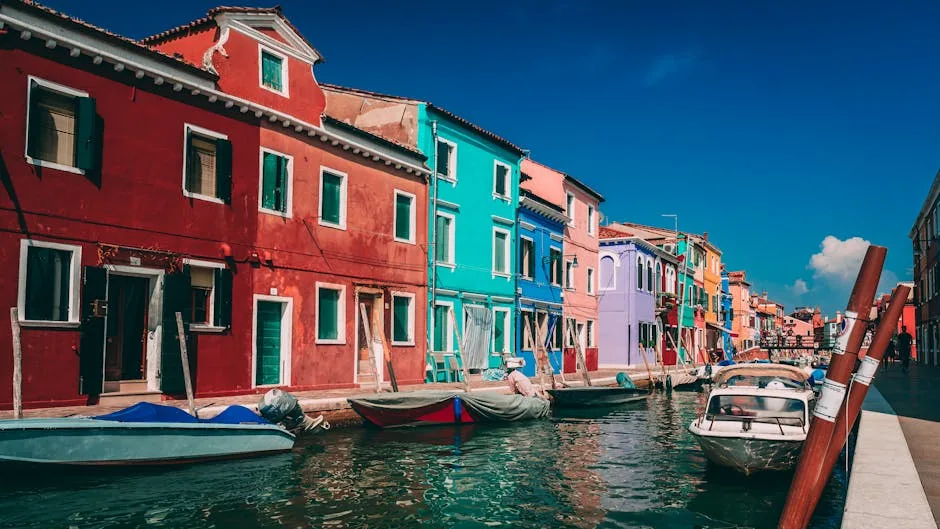
Venice demands attention, but preparation is richly rewarded with unforgettable moments. By combining practical information, local contacts and a bit of flexibility, you’ll be able to navigate the city calmly and fully enjoy its treasures: from the shimmering mosaics of St Mark’s Basilica to Burano’s colorful calm and the majesty of the Rialto Bridge seen from the water. Keep this guide handy, check times and fares before you leave, and let yourself be carried by Venetian magic — the vaporetto will take you there, step by step, respecting your needs and revealing the scenery along the way.