





Introduction: Why You Should Keep Up With Vaporetto Works and Disruptions in Venice
Venice is a city built on water and the vaporetto — the water bus — is its main artery. Whether you’re a short-term visitor, a night photographer, a fan of Cannaregio’s winding streets, or a local commuting daily between Fondamenta Nuove and the Giudecca, knowing the schedule for maintenance work, temporary closures and ACTV service disruptions is essential. A single route change can add tens of minutes to your trip, make you miss a guided tour at the Doge’s Palace (Palazzo Ducale, Piazza San Marco, 1, 30124 Venezia VE) or force you to catch an expensive water taxi from Santa Lucia station (Venezia Santa Lucia, Piazzale Prof. E. D’Ancona, 30121 Venezia VE).
Maintenance work, special events (like the Biennale di Venezia or the Festa del Redentore), high tides (acqua alta) and staff strikes are all factors that can change frequency, routes and travel times. The ACTV network (Azienda del Consorzio Trasporti Veneziano) and municipal authorities publish notices, but that information is spread around: signs at stops, audio announcements, official websites, mobile apps, social media and tourist kiosks. Knowing where to look, which sources to trust and how to plan ahead will save you time, money and, most importantly, stress.
In this comprehensive guide I’ll walk you through reading work notices, which apps to check for real-time updates, where to find alternate maps (replacement buses, shared water taxi routes), contact points and opening hours for information offices, and local tips to avoid being stranded on the wrong bank. You’ll also find practical details with exact addresses like Piazzale Roma (Piazzale Roma, 30135 Venezia VE), Tronchetto (Isola del Tronchetto, 30135 Venezia VE), and the main lines such as Line 1 (Grand Canal) and Line 2 (toward Tronchetto, Lido and others), plus indicative prices in euros for ACTV tickets and alternatives.
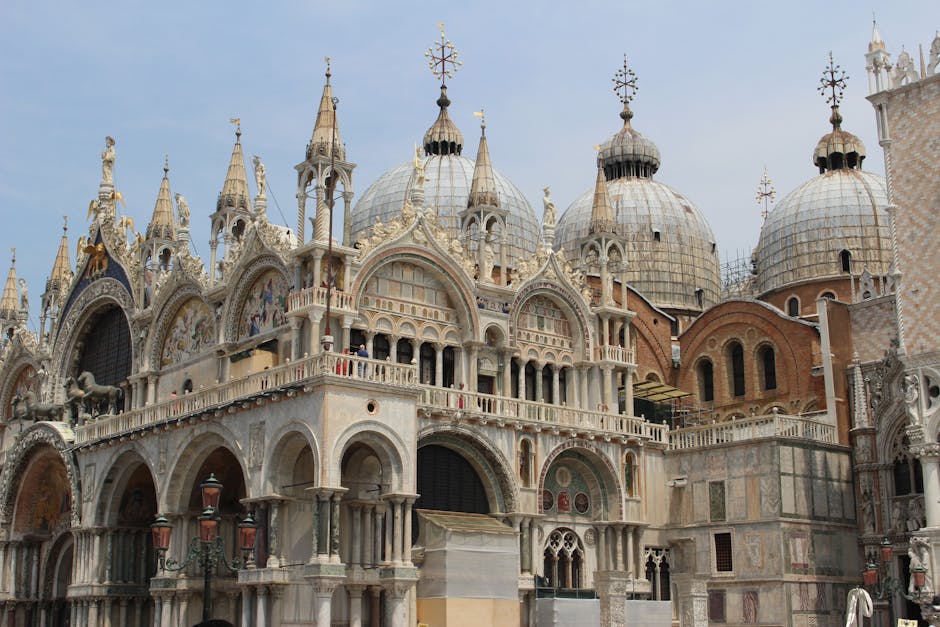
Finally, this guide offers immersive, hands-on advice: what to bring when you know works are planned (windbreaker, non-slip shoes for slippery pontoons), how to schedule visits to the Basilica di San Marco (Piazza San Marco, 30124 Venezia VE) around modified vaporetto timetables, and how to talk to ACTV staff to get quick solutions. Whether you’re planning a short trip or a seasonal move, learning to anticipate and get information efficiently makes all the difference in your Venetian experience.
 Click here to book your priority access to the Doge’s Palace
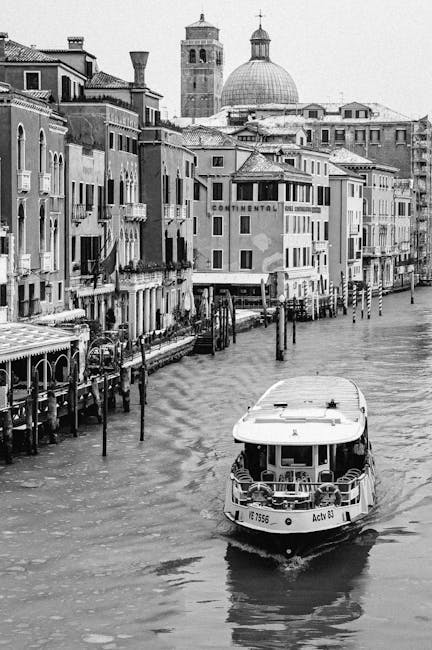
Understanding the Types of Disruptions and Where They Happen
Vaporetto service disruptions fall into a few main categories: scheduled works (construction), emergency maintenance, public events (festivals, religious ceremonies), extreme weather (acqua alta) and strikes. Each type has its own traits: scheduled works are announced in advance and often come with a substitution plan, while a strike can be called at the last minute and cause partial or total suspensions.
The places most likely to be affected are transport hubs and major transit points. For example:
- Venezia Santa Lucia (Ferrovia) – Piazzale Prof. E. D’Ancona, 30121 Venezia VE: the train station and Ferrovia vaporetto stop, a starting point for many travelers.
- Piazzale Roma – Piazzale Roma, 30135 Venezia VE: the road terminus and ACTV hub, often impacted when works affect lines to the airport or Tronchetto.
- Tronchetto – Isola del Tronchetto, 30135 Venezia VE: the car-park island where lines serving Murano and the Lido converge.
- Zattere – Fondamenta Zattere, Dorsoduro: the southern bank which can be affected during events along the Bacino San Marco.
- Riva degli Schiavoni – Riva degli Schiavoni, 30122 Venezia VE: the tourist area near Piazza San Marco, often temporarily closed for regattas and celebrations.
Infrastructure works can mean a quay is closed for days or weeks. For example, if a Line 1 stop along the Grand Canal (such as the Rialto stop, Sestiere San Polo, 30125 Venezia) is shut for structural repairs, vaporetti may be rerouted to alternate stops like « San Silvestro » (Sestiere San Marco) or « Ca’ Rezzonico » (Dorsoduro). During major events like the Biennale di Venezia (Giardini, Arsenale) or the Venice Film Festival at the Lido (Lungomare Gabriele D’Annunzio, 30126 Lido di Venezia VE), expect route changes and crowded boats.
Locally, it’s important to recognize official notices: orange or yellow posters on ACTV piers list closure dates, alternate quays and replacement services (land buses or « navette sostitutiva »). Audio announcements at major stations and messages on electronic boards complement these notices. ACTV staff, often present at peak times at the Ferrovia and Piazzale Roma piers, can offer short-term solutions (discounts for replacement buses, alternative routing).
Click here to book a boat tour to Murano and Burano
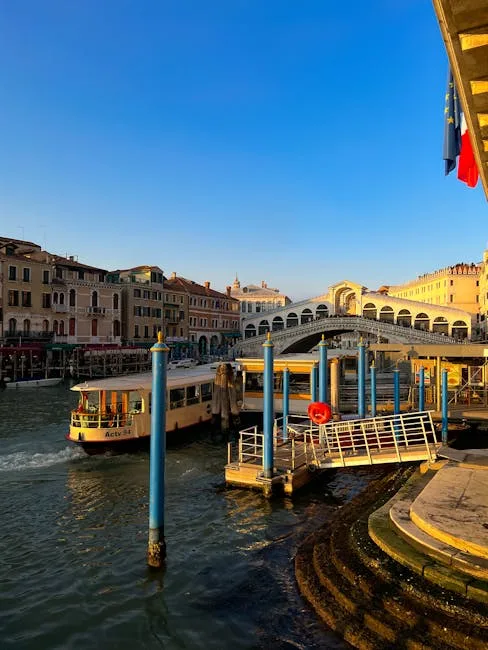
The Best Official and Digital Sources for Updates
To be confident you have accurate, current information, use official sources first. Here are the essential websites and apps:
- ACTV official website – https://www.actv.it : pages dedicated to service notices, line maps and any interruptions. Look for the « Comunicati » or « Avvisi di servizio » sections.
- VeneziaUnica – https://www.veneziaunica.it : the City of Venice’s official tourism portal; provides practical information, the VeneziaUnica card for buying tourist passes and sometimes alerts about public events.
- ACTV App (iOS and Android): push notifications, real-time timetables, route planner, and info on closed stops. Turn on notifications for your area (e.g. Lido, Murano, Centro Storico).
- Moovit and Google Maps: these apps include ACTV schedules and may point to alternatives during disruptions. Useful for planning mixed routes (vaporetto + bus).
- Social media: ACTV’s Twitter/X account and official Facebook pages often post quick updates about unexpected disruptions. Search for « ACTV Venezia » and follow them.
How to use these tools effectively:
- Check the website or app the day before you travel; scheduled works are often announced 48–72 hours in advance.
- Enable notifications on the ACTV app and follow the official X account for last-minute announcements.
- If you see a message saying « Fermata temporaneamente non disponibile » near your stop, immediately locate the nearest alternative stop shown on the map or ask staff on site.
- Keep a printed or downloaded copy of an ACTV route map (linee e orari) in case your phone runs out of battery.
The official tourist information offices (IAT – Informazione e Accoglienza Turistica) are also reliable sources: IAT Venezia has desks at Piazzale Roma (Piazzale Roma, 30135 Venezia VE) and at Stazione Santa Lucia. Typical IAT desk hours: 09:00–18:00 (seasonal variations); some offices open from 08:30 in high season. In case of a major outage or strike, head to one of these desks for paper maps and personalized advice.
Click here to Buy a Venice City Pass with museums

Alternate Plans and Practical Solutions During Closures
When a vaporetto route is disrupted, you’ll usually be offered two types of options: substitute services (land shuttle buses or replacement vaporetto) and detour routes via other lines. Knowing your options and their costs will help you avoid panicked decisions.
Concrete examples:
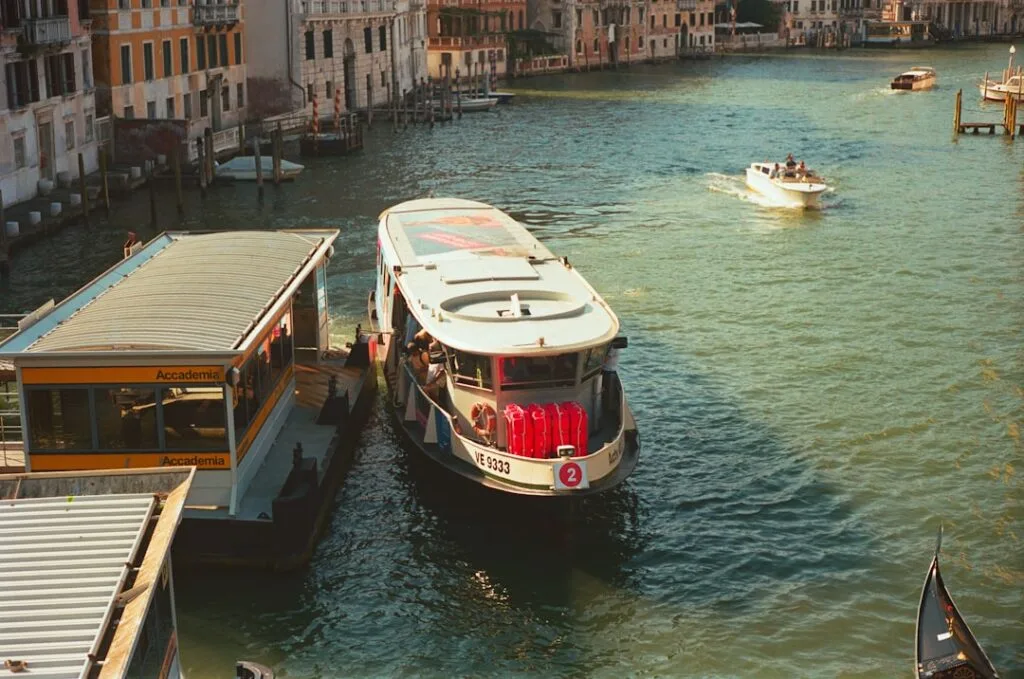
- If Line 1 (Grand Canal, the tourist route between Piazzale Roma/Ferrovia and Piazzale San Marco) is interrupted between « Rialto » (Sestiere San Polo, 30125 Venezia) and « San Marco », there is often a replacement vaporetto shuttle serving alternate quays like « San Silvestro » (San Marco) and « San Zaccaria » (near Piazza San Marco). Check the yellow posters at the quay for the exact list of substituted stops.
- For works on the axis toward the Lido (e.g. during the Film Festival or Lido construction), land buses may link Tronchetto to Punta Sabbioni or provide a road route for Piombino; these services may require a separate ticket or be included in certain day passes.
- In case of acqua alta (flood alert) and unusable piers, the municipality sometimes installs temporary walkways and sets up alternative boarding points; follow signs reading « imbarco alternativo ».
Fares and tickets:
- ACTV 75-minute ticket: about €8.00 (valid for transfers on the vaporetto and bus network during that period).
- 24-hour pass: around €25.00, 48 hours: €35.00, 72 hours: €50.00 (indicative prices; buy via VeneziaUnica or ACTV machines). These passes may cover some replacement services; always confirm the policy during works.
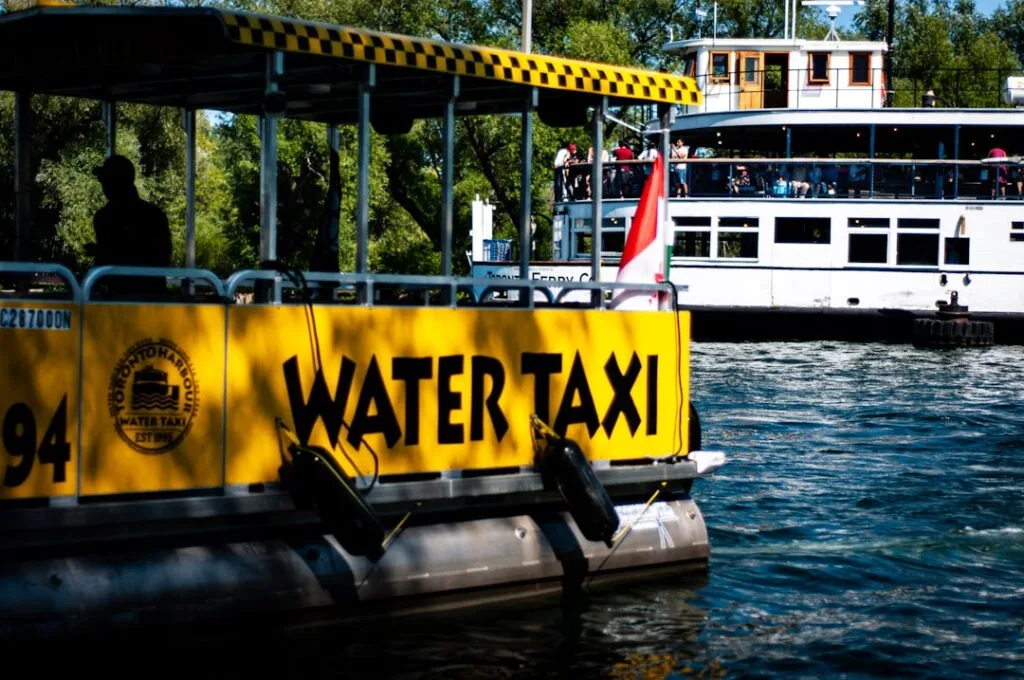
- Shared water taxi: depending on distance, expect about €10–€25 per person for a short trip (e.g. Ferrovia → San Marco); private taxi: from about €80–€100 for a transfer from the station to the Piazzetta San Marco.
Practical tips:
- Arrive 15–20 minutes early at piers on festival days; lines can be long and boats full.
- If you have a long stopover at Tronchetto (e.g. parked car), plan a backup and check the « Navette per il parcheggio » board for frequencies and piers.
- In high season, favor early morning times (before 10:00) or late afternoon (after 17:00) to avoid overcrowding.
Click here to book a boat trip to Murano and Burano
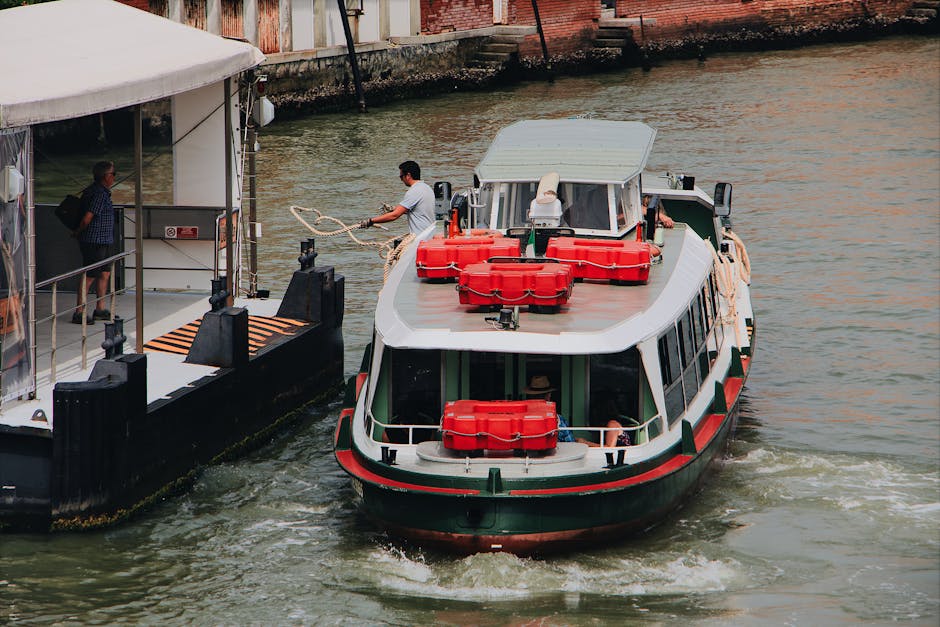
Useful Addresses, Offices, Stations and Opening Hours to Check In-Person
Nothing beats talking to a person: here’s a list of key addresses and offices to know, with opening hours and tips for getting reliable information:
- Stazione di Venezia Santa Lucia – IAT / Ticket Office
Address: Piazzale Prof. E. D’Ancona, 30121 Venezia VE
Opening hours: generally 07:00–21:30 (varies; ACTV and IAT desks may have different hours).
Services: ticket sales, paper maps, information on scheduled works and additional connections. - Piazzale Roma – ACTV Customer Service
Address: Piazzale Roma, 30135 Venezia VE
Opening hours: roughly 08:00–20:00 (seasonal variations).
Services: hub for bus and vaporetto lines, ticket sales and customer assistance. Great for info on land connections and shuttles from Tronchetto. - Tourist Information Office – Riva degli Schiavoni
Address: Riva degli Schiavoni, 30122 Venezia VE (near Piazza San Marco)
Opening hours: 09:00–18:00 (seasonal variations).
Services: tourist info, paper maps and advice on alternate routes when closures affect the Bacino San Marco. - Murano – Museo del Vetro (Glass Museum)
Address: Fondamenta Giustinian, 8, 30141 Murano VE
Opening hours: 10:00–17:00 (closed Mondays; check before you go).
Note: if lines to Murano are disrupted, local information at the museum and glass studios often points to options. Admission: ≈ €12.00 (indicative). - Lido di Venezia – InfoPoint
Address: Lungomare Guglielmo Marconi / Casinò area, 30126 Lido di Venezia VE
Opening hours: 09:00–19:00 in summer.
Services: info for the Venice Film Festival, detour routes to the beaches and connections to Alilaguna services.
Tip: save these addresses in a note on your phone. If you lose data coverage, these physical locations are anchors where you can get a paper map and an alternative itinerary.
Click here to buy a ticket for the Murano Glass Museum
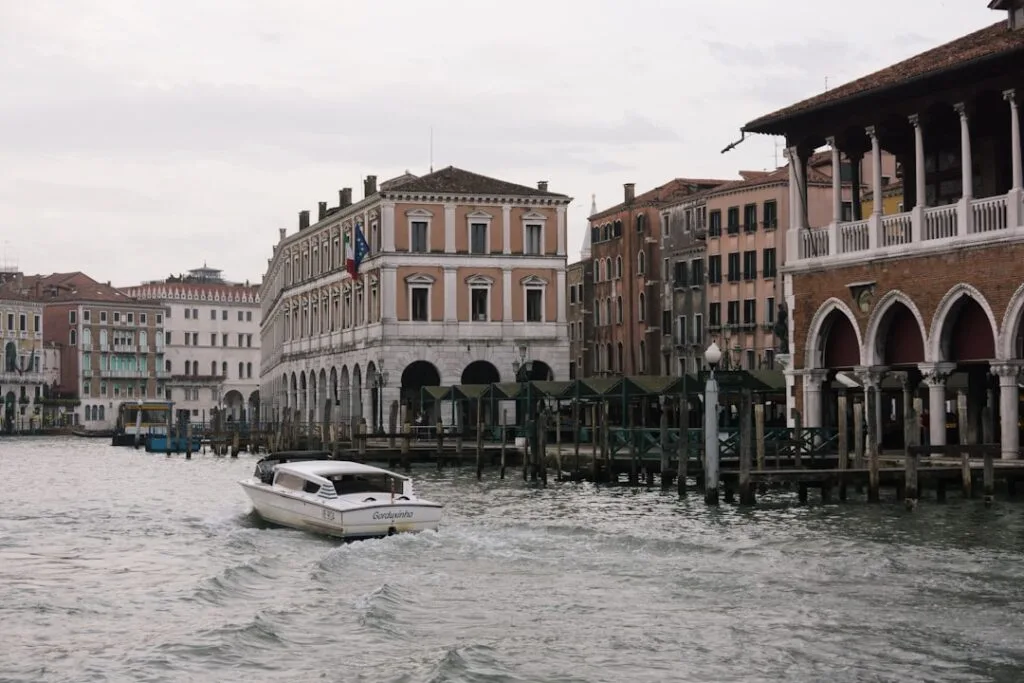
Preparing Your Trip: Checklist Before You Go and Local Tips
Before heading to Venice, a little prep will save you time and reduce stress if the vaporetto is disrupted. Here’s a complete checklist and local tips that really make a difference.
- Check notices 48 hours ahead: consult the ACTV website and app the day before and the morning of travel to spot scheduled works and strikes.
- Buy the right pass: if you plan several trips in a day, calculate whether a 24/48/72h pass is more cost-effective than single tickets (75-minute ticket ≈ €8.00, 24h pass ≈ €25.00).
- Download offline maps: Google Maps and the ACTV app can save areas for offline use; handy if your mobile data is limited.
- Carry a power bank: essential if you’re stuck at a quay waiting or need to receive real-time alerts.
- Have a financial backup plan: set aside money for a water taxi or paid vaporetto if needed (private taxi: from ≈ €80–€100).
- Know key opening hours of sites: for example, Basilica di San Marco (Piazza San Marco, 30124 Venezia VE) typically opens around 9:30 and closes between 17:00 and 18:00 depending on season; if the vaporetto is disrupted in the morning, plan the visit for the afternoon.
- Ask ACTV staff: at the Ferrovia and Piazzale Roma piers staff can often tell you about alternate quays and approximate wait times.
Local tips to avoid pitfalls:
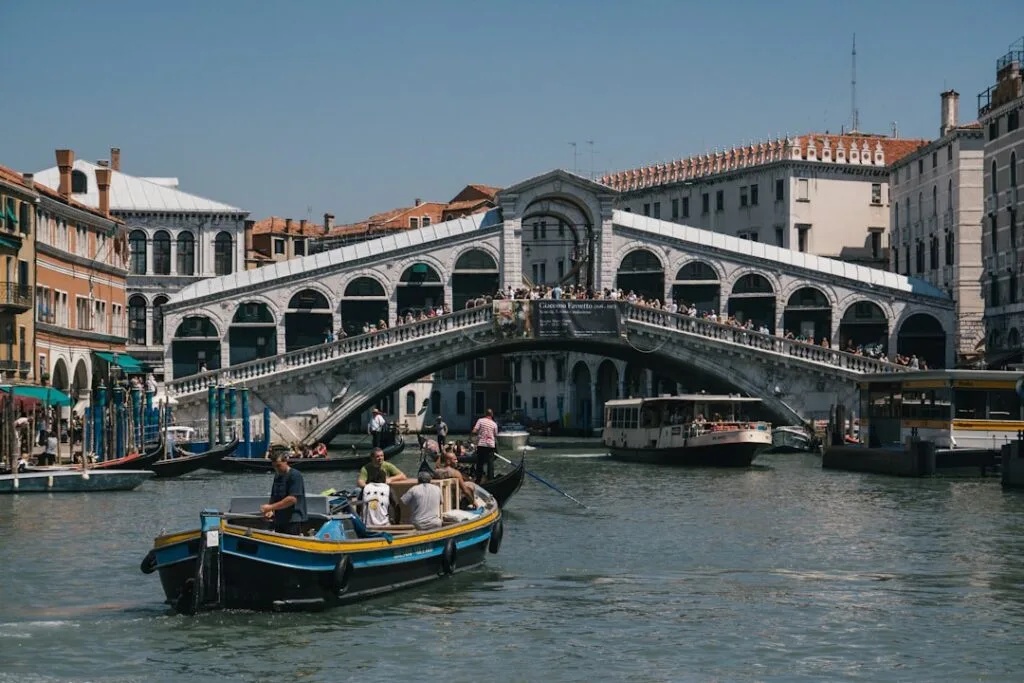
- If you’re at Rialto (Ponte di Rialto, Sestiere San Polo, 30125 Venezia), note the locations of the « Rialto Mercato » and « Rialto » piers: if one quay is closed, the other is often used as a diversion.
- At busy times, don’t be afraid to board the first vaporetto that stops, even if it isn’t direct: you can often change lines further along and save time rather than waiting for a full direct boat.
- For photographers: when detours run along the Bacino San Marco, use the alternate boarding points to capture less touristy views of the Riva degli Schiavoni and Doge’s Palace at sunset.
Click here to book your ticket for St. Mark’s Basilica
What to Do in Case of a Strike or Acqua Alta: Quick Reactions
A strike (sciopero) or a sudden flood (acqua alta) requires a quick, calm response. Here’s a simple protocol to stay calm and find a fast solution.
In case of a strike:
- Check official announcements immediately on the ACTV website and ACTV’s Twitter/X account to learn the scope and duration of the strike.
- If service is partially running, identify priority lines still operating (often vital links to the Ospedale Civile SS. Giovanni e Paolo hospital and the train station are maintained).
- Consider shared water taxis (« water taxi condivisi ») which offer lower per-person rates and are great for small groups; always agree the fare beforehand (often ≈ €10–€25 per person for short trips).
In case of acqua alta:
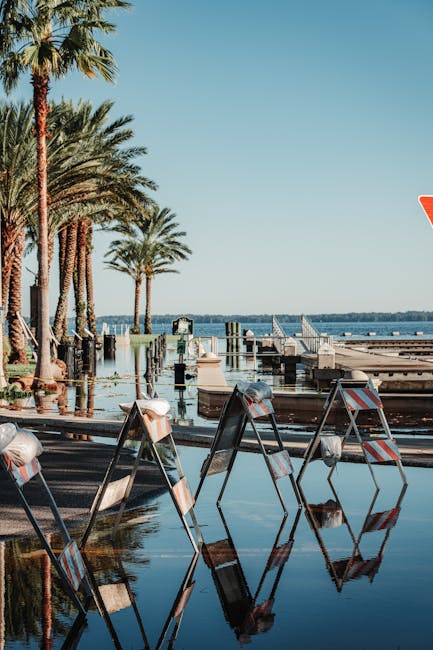
- Move immediately toward higher ground or follow the pedestrian walkways (ponti pedonali) installed by the municipality. Walking routes are sometimes quicker than waiting for a suspended vaporetto.
- Check the « Comune di Venezia – Allerte » mobile app or local boards showing water levels and flooded areas. Public info will indicate which parts of the city to avoid and which piers remain usable.
- Bring waterproof footwear and protect your camera gear, passport and tickets in a dry bag: in Venice, acqua alta can appear quickly and catch even locals off guard.
Conclusion: Anticipate, Check, and Travel with Peace of Mind in Venice
Staying informed about vaporetto works and disruptions in Venice isn’t a luxury — it’s essential to fully enjoy La Serenissima. Between scheduled constructions, cultural events, weather and social movements, service changes are frequent and can affect any route, from the trip between Stazione Santa Lucia (Piazzale Prof. E. D’Ancona, 30121 Venezia VE) and Piazza San Marco to crossings to Murano (Fondamenta Giustinian, 30141 Murano) or the Lido (Lungomare Gabriele D’Annunzio, 30126 Lido di Venezia VE).
The recipe for stress-free travel: check official sources (actv.it, VeneziaUnica), enable ACTV app notifications, save offline maps, and memorize a few key addresses like Piazzale Roma (Piazzale Roma, 30135 Venezia VE) and Tronchetto (Isola del Tronchetto, 30135 Venezia VE). Always have a financial contingency (for a shared or private water taxi), a power bank, and suitable clothing if acqua alta is forecast. The IAT tourist offices and ACTV desks remain your best in-city resources for printed maps and tailored advice.
Finally, learn local habits: travel outside peak hours when possible, arrive early for must-see sites like the Palazzo Ducale (Piazza San Marco, 1, 30124 Venezia) and the Basilica di San Marco (Piazza San Marco, 30124 Venezia VE), and embrace alternatives: walks, short gondola rides for scenic short hops, or exploring less crowded neighborhoods like Dorsoduro and Cannaregio. With a bit of preparation and the right information sources, disruptions rarely become insurmountable obstacles — they often turn into chances to discover Venice off the beaten path.
Click here to book a Murano and Burano day trip