





Introduction
Venice is a city you experience with your senses: the lap of gondolas, the salty scent of the Grand Canal, golden light reflecting off Gothic and Byzantine façades, and the organized cacophony of alleyways where you get wonderfully lost only to find yourself again. A three-day stay in Venice lets you combine the must-sees — St. Mark’s Basilica, the Doge’s Palace, the Rialto Bridge — with more intimate experiences, like an evening stroll through the quieter sestieri or discovering daily life in local markets and bacari. This guide lays out an immersive, practical 72-hour itinerary with exact addresses, opening times, euro prices and local tips so your evenings and night walks become vivid memories.
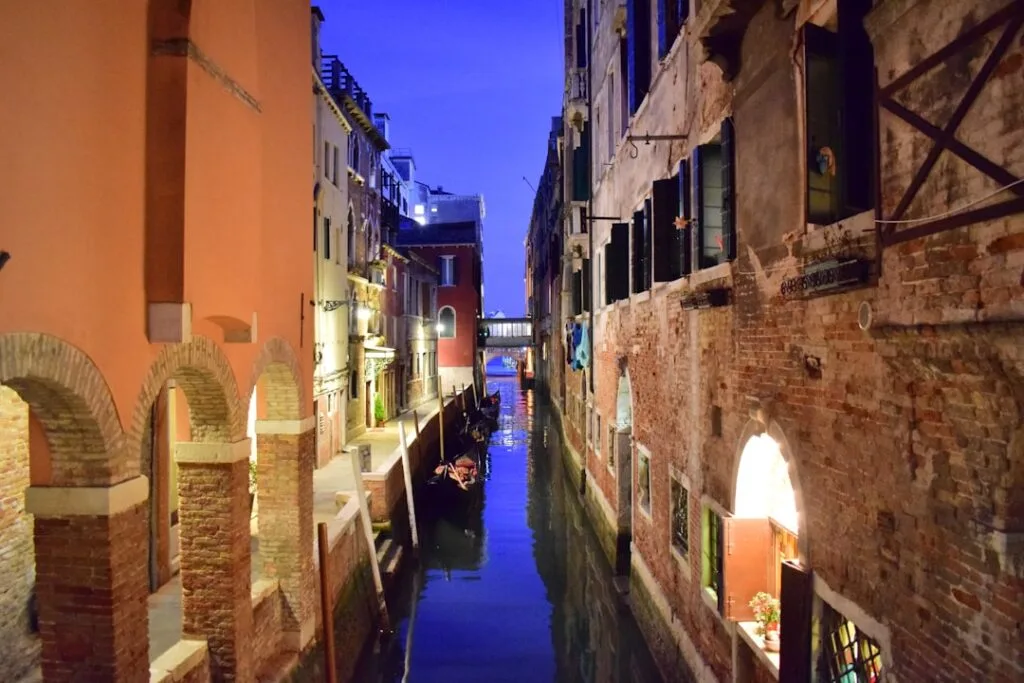
Venice is more than its monuments: it’s a living network of islands, bridges, footbridges and calli where real Venetian life unfolds. At night the city shifts scale: daytime crowds thin out, lamplight chisels the canals, and historic cafés like Caffè Florian — located at Piazza San Marco, 57, 30124 Venezia VE — become places for quiet contemplation. A well-planned nighttime walk lets you enjoy spaces that can feel overwhelmed by daytime visitors, like the Piazzetta San Marco or Campo Santa Margherita, and sights such as the Bridge of Sighs (Ponte dei Sospiri) under moonlight. Local shopkeepers and residents, less hurried in the evening, often have time for a chat or a recommendation, making the city feel more accessible.
The three-day route I suggest alternates mornings devoted to the main sights with more relaxed afternoons for wandering, sipping a spritz at a neighborhood bar and getting a taste of Venetian cuisine. Evenings are intentionally set aside to discover a more intimate, mysterious Venice, with suggestions for safe night routes, bacari (cicchetti bars) to nibble at, and venues with live music. One caveat: Venice is pedestrian and damp — adapt your shoes and clothing to the weather and watch the tides (acqua alta) if you travel in autumn or winter.
Throughout this detailed guide you’ll find: admission prices (Doge’s Palace, St. Mark’s Basilica, St. Mark’s Campanile, museums), reliable opening hours to plan your days, full addresses, and practical advice like vaporetto (ACTV) timetables, the regulated cost of a gondola ride and tips to skip queues. Whether this is your first visit or a return trip, this three-day plan will help you experience Venice with the right mix of sightseeing and local life, by day and by night.
Day 1: Landmarks and First Impressions
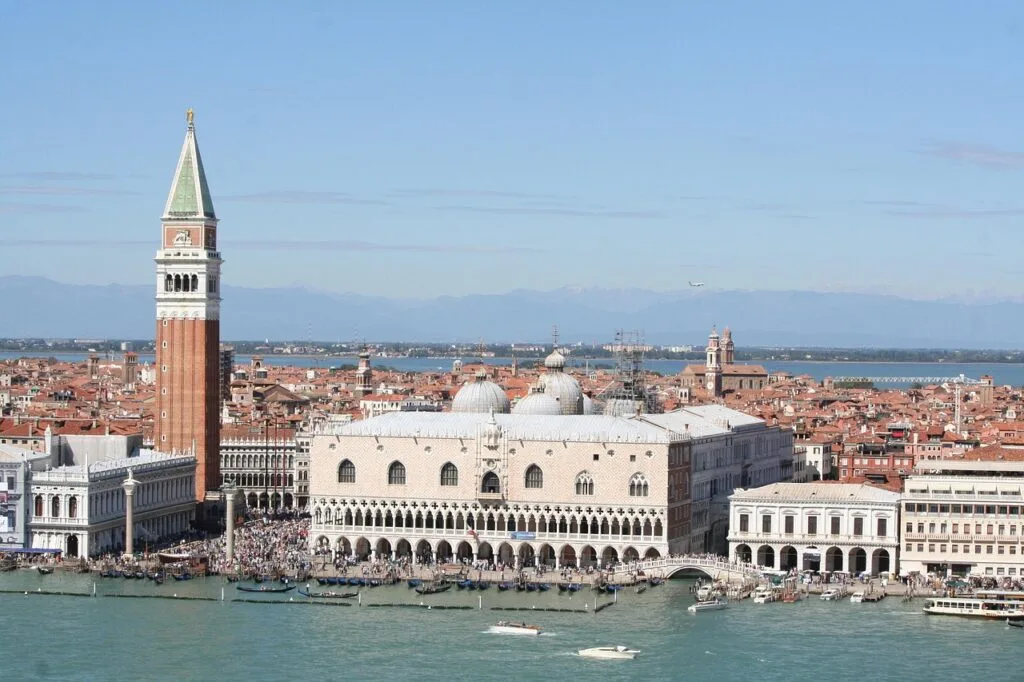
Start your first day in the historic heart: Basilica di San Marco (St. Mark’s Basilica), located at Piazza San Marco, 328, 30124 Venezia VE. Entry to the basilica itself is usually free, but access to the Marciana Museum, the Pala d’Oro and the baptistery terrace is ticketed: budget around €6–€7 for the Pala d’Oro and museum areas. Hours: the basilica typically opens from 9:30 to 17:00 (times vary for religious services, so check the official website on the day). A climb or elevator ride up the Campanile di San Marco (St. Mark’s Campanile) gives panoramic views over the city; address Piazza San Marco, 30124 Venezia VE, price around €10, usually open 9:00–21:00 in high season.
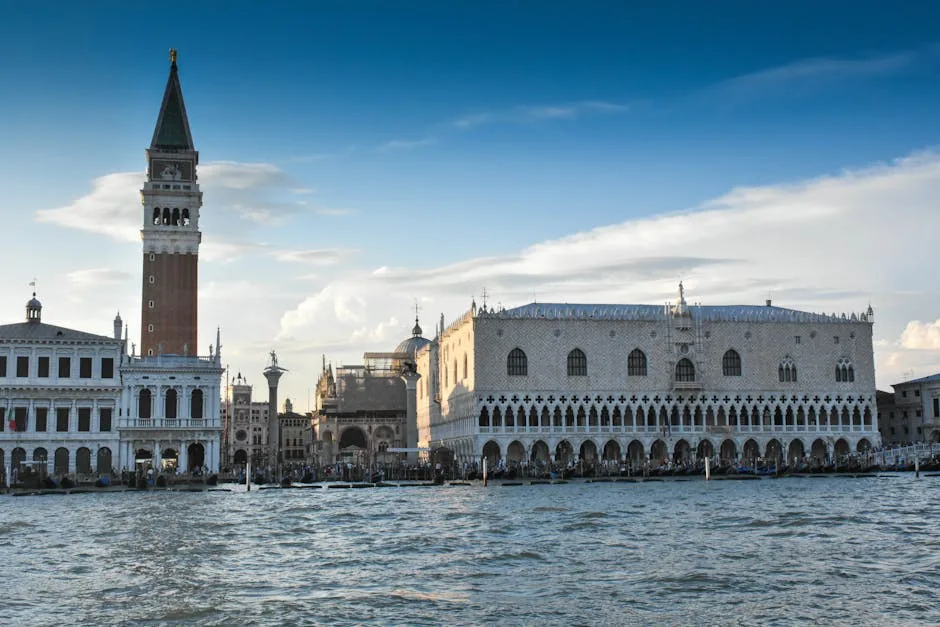
A short walk away, visit the Palazzo Ducale (Doge’s Palace) at Piazza San Marco, 1, 30124 Venezia VE. Standard admission is about €25 for the full route (including the Museums of Piazza San Marco). Opening hours: generally 9:00–19:00 with last entry one hour before closing. The palace reveals the political history of the Venetian Republic, its lavish halls, the Bridge of Sighs and the prisons. To avoid queues, book online in advance.
 Click here to book priority access to St. Mark’s Basilica
Click here to reserve your ticket for the Doge’s Palace
For lunch head to the Mercato di Rialto (Rialto Market), near the Ponte di Rialto, Sestiere San Polo, 30125 Venezia. The fish and produce market buzzes from 7:00 and usually closes around 13:00. Stroll among colorful stalls and sea scents, then try cicchetti at a nearby bacaro like All’Arco (Calle Vallaresso, 21, 30125 Venezia) where a cicchetto often costs between €1.50 and €3. It’s an ideal moment to watch local life away from the major plazas.
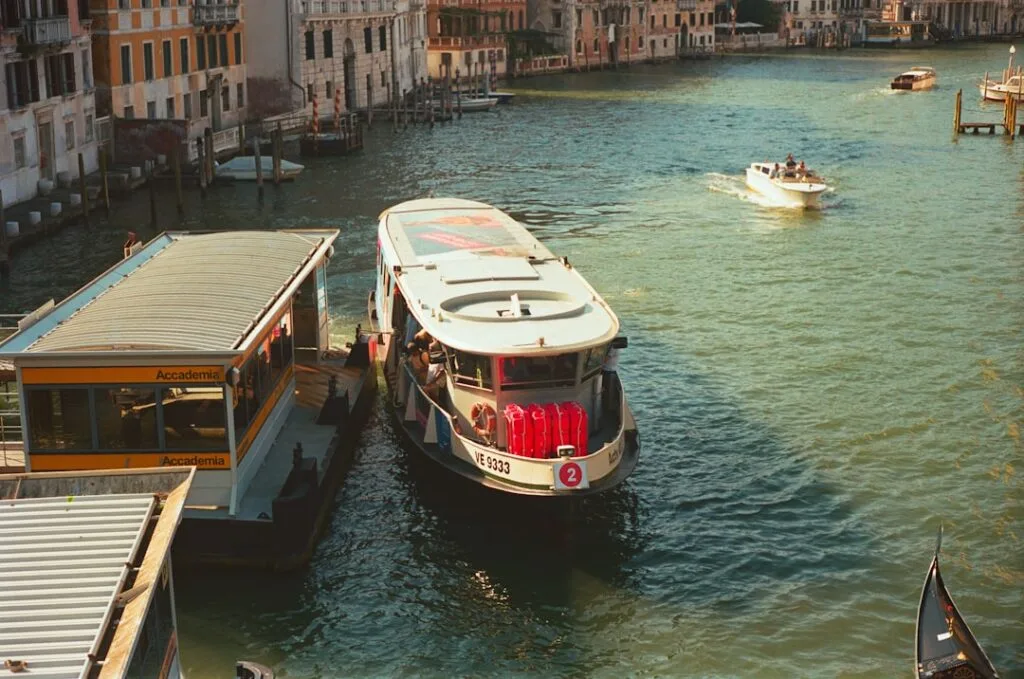
In the afternoon, wander along the Canal Grande (Grand Canal) and take an ACTV vaporetto (line 1 or 2) for an affordable scenic ride — ACTV ticket: €8 for 75 minutes (2024 fare). You’ll pass palaces such as the Palazzo Ca’ d’Oro (Campo della Ca’ d’Oro, Cannaregio, 3932A, 30121 Venezia) and the Ca’ Rezzonico (Dorsoduro, 3136, 30123 Venezia), the decorative arts museum.
Practical tip: buy skip-the-line tickets online for St. Mark’s Basilica and the Doge’s Palace, arrive early to avoid heat and crowds, and wear comfortable, water-resistant shoes. For dinner, try a bacaro for spritz and cicchetti or pick a genuine trattoria like Trattoria Al Gatto Nero (Fondamenta S. Caterina, 3173, 30142 Burano) if you plan a trip to the islands.
Day 2: Night Walk — Canals, Lights and Mysteries
Day two is designed to set you up for a memorable nighttime stroll. Start with a relaxed afternoon: visit the Peggy Guggenheim Collection (Palazzo Venier dei Leoni, Dorsoduro, 704, 30123 Venezia) for a dive into modern art. Address: Palazzo Venier dei Leoni, Dorsoduro 701-704, 30123 Venezia. Hours: typically 10:00–18:00, closed on Tuesdays (check before you go). Admission: about €15. Housed in a palace on the Grand Canal, the collection includes works by Picasso, Pollock and Dalí — a great cultural primer before the evening.
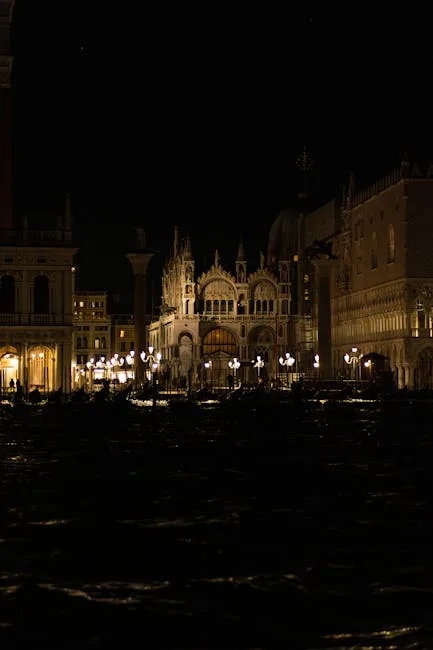
For dinner reserve a spot at a restaurant that stays open late and keeps the Venetian atmosphere alive: for example Osteria alle Testiere (Calle del Mondo Novo, 5801, 30122 Venezia), a small osteria famed for its seafood dishes. Expect to pay around €30–€45 per person for a full meal. After dinner, plan your night walk: start at Piazza San Marco to feel the piazza’s empty, hushed space after dark. The illuminated basilica and Doge’s Palace offer outstanding photo opportunities.
Then follow the Riva degli Schiavoni toward the islet of San Giorgio Maggiore for a night view over the lagoon. Climb the Basilica di San Giorgio Maggiore (Piazza San Giorgio, 1, 30100 Venezia) or its campanile to admire sparkling Venice. The vaporetto crossing to San Giorgio uses the standard ACTV fare (€8) and the church is free to enter while access to the bell tower is ticketed (about €5–€8, times vary).
Click here to book a sunset cruise
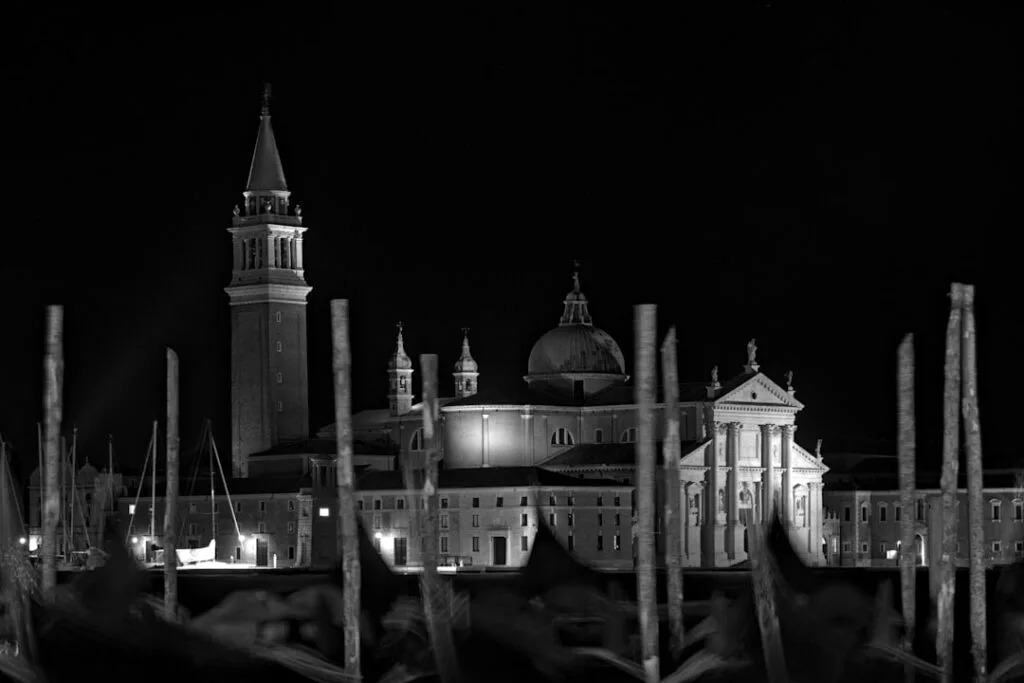
For the more mysterious part of your walk, explore neighborhoods like Cannaregio and Venice’s historic Ghetto (Ghetto Vecchio, Cannaregio), where dimly lit alleys and small bridges create a unique atmosphere. The Ponte dei Sospiri (Bridge of Sighs) is also beautiful at night; it’s inside the Doge’s Palace complex and visible from the Riva degli Schiavoni. Be aware that some areas can be darker — stick to main well-traveled routes and avoid totally deserted lanes if you’re alone.
Before wrapping up the evening, pop into a lively bacaro for one last spritz and some cicchetti: Al Timon (Fondamenta della Toletta, 1965, 30121 Venezia) is famous for its late-night vibe. Spritz price: €3.50–€6 depending on the neighborhood; cicchetti: €1.50–€4. Locals often arrive after 9:30pm, giving you an authentic slice of Venetian nightlife.
Day 3: Local Life, Markets and Nearby Islands
Reserve day three for everyday life and the lagoon islands. In the morning visit the Mercato di Rialto or the Mercato di Santa Lucia (Fondamenta Santa Lucia, 30121 Venezia, near Santa Lucia train station) to watch residents shop. Rialto market opens very early, between 6:00 and 13:00, and offers a range of fresh fish, shellfish and local produce — ideal if you’re taking a cooking class.
Next, catch a vaporetto to the lagoon islands: Murano for glassblowing, Burano for its colorful houses and lace, and Torcello for its rural feel and medieval basilica. Key addresses:
- Murano Glass Museum (Museo del Vetro), Fondamenta Giustinian, 8, 30141 Murano VE — usually open 10:00–18:00, admission about €8–€10.
- Burano, main street: Via Baldassarre Galuppi, 30142 Burano VE — free to explore, with shops and restaurants.
- Torcello, Basilica di Santa Maria Assunta, Isola di Torcello, 30142 Torcello VE — opening hours vary, admission around €4–€6.
A vaporetto itinerary depends on the lines; a daily ACTV pass can be worth it if you plan multiple crossings (24h around €25, fares vary).
Click here to join a beginner’s glassblowing workshop
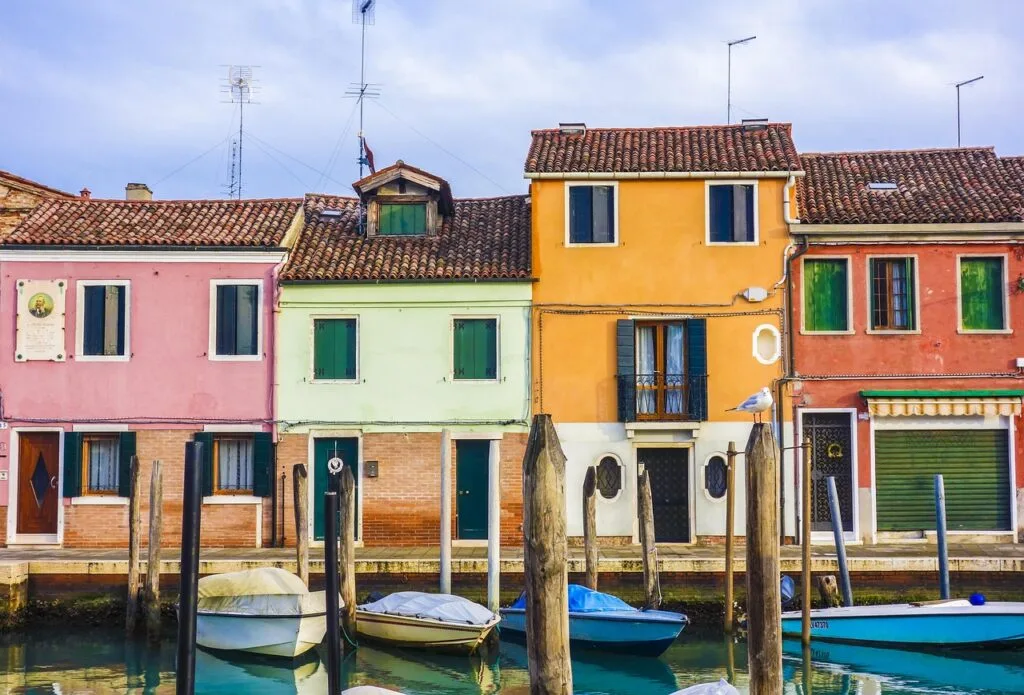
For lunch on Burano try a local trattoria like Trattoria al Gatto Nero (Fondamenta S. Caterina, 3173, 30142 Burano) — mains typically around €15–€25. Take time to wander, photograph and pick up handcrafted souvenirs; avoid the overly touristy shops right by the ferry landings. Back in Venice late afternoon, head to the student neighborhood of Campo Santa Margherita (Dorsoduro) for one last taste of local life: bars, bookshops, gourmet stores and a relaxed vibe.
Practical tips for the day: buy a vaporetto pass if you’ll be making several crossings, arrive early on the islands to beat the tour groups, stay hydrated (tap water is drinkable but bring a reusable bottle to avoid plastic), and follow local rules about eating in public spaces. If you want an authentic souvenir, opt for signed Murano glass from a studio or certified Burano lace.
Practical Tips and Essential Info for 3 Days
Venice requires a bit of planning: organize your travel, check opening hours and book certain visits. Here’s a list of essential practicalities and facts:
- Main transport: ACTV vaporetto — single ticket roughly €8 (75 minutes). 24h/48h/72h passes available (approx. €25/€35/€50, indicative 2024 prices).
- Gondola: regulated prices — about €80 for 30 minutes during the day, €100 for 30 minutes after 19:00 (prices for 1 to 6 people, official 2024 rates).
- Monument tickets: book ahead for the Palazzo Ducale (~€25), St. Mark’s Basilica (Pala d’Oro/museum ~€6–€7), and major museums (Peggy Guggenheim ~€15, Gallerie dell’Accademia ~€12–€15).
- Opening hours: most museums open between 9:00–10:00 and close between 17:00–19:00. Churches often have reduced hours for services. Check official sites the day before.
- Acqua alta: in autumn/winter bring boots or overshoes and check the City of Venice tide alerts (acqua alta).
- Safety: Venice is generally safe, but be alert at night in quieter areas, keep valuables close and watch out for tourist scams (fake guides, shady deals).
- Tips: tipping isn’t obligatory in Italy, but leave a small tip for exceptional service — around 5–10% if the service is outstanding.
One final tip: give yourself time to get lost on purpose. The best discoveries often happen off the beaten path — in an unexpected calle or a tiny trattoria serving polenta con schie (small grey shrimp) or bacalà mantecato. Keep your camera ready for reflections, ornate balustrades and dogs snoozing on bridges — these small details tell Venice’s story.
Conclusion
Three days in Venice are enough to embrace the essentials while leaving room for the unexpected and local life. By pairing morning visits to the big monuments — Basilica di San Marco, Palazzo Ducale, the Grand Canal — with afternoons at intimate museums like the Peggy Guggenheim Collection, and evenings devoted to night walks, you’ll touch the city’s soul. Each moment offers contrast: daytime bustle gives way to nighttime serenity, crowds to hushed conversations in bacari, and grand architecture to the warm simplicity of neighborhood squares.
Don’t forget the practical points I’ve listed: book tickets, get a vaporetto pass when needed, check opening hours, note approximate costs in euros and use the exact addresses to save time. Follow local recommendations — small inns, authentic bacari, morning markets — to make your stay richer and truer. Above all, respect the city: Venice is fragile, subject to tides and mass tourism. Travel thoughtfully, avoid overcrowded spots at peak times, favor local artisans and follow the rules (don’t eat sitting on certain monument steps, limit litter) to help preserve this unique wonder.
Whether it’s your first time or a returning visit to dig deeper, these three days — well planned and open to surprises — will leave lasting images: a gilded palace in low light, a gondola gliding through a quiet canal, a shared drink at sunset. Prioritize the sensory experience: listen to the bells, feel the salty breeze, taste simple, fragrant cicchetti. Venice, day and night, reveals itself to those who take the time to observe and surrender to the lagoon’s slow rhythm.