





Introduction
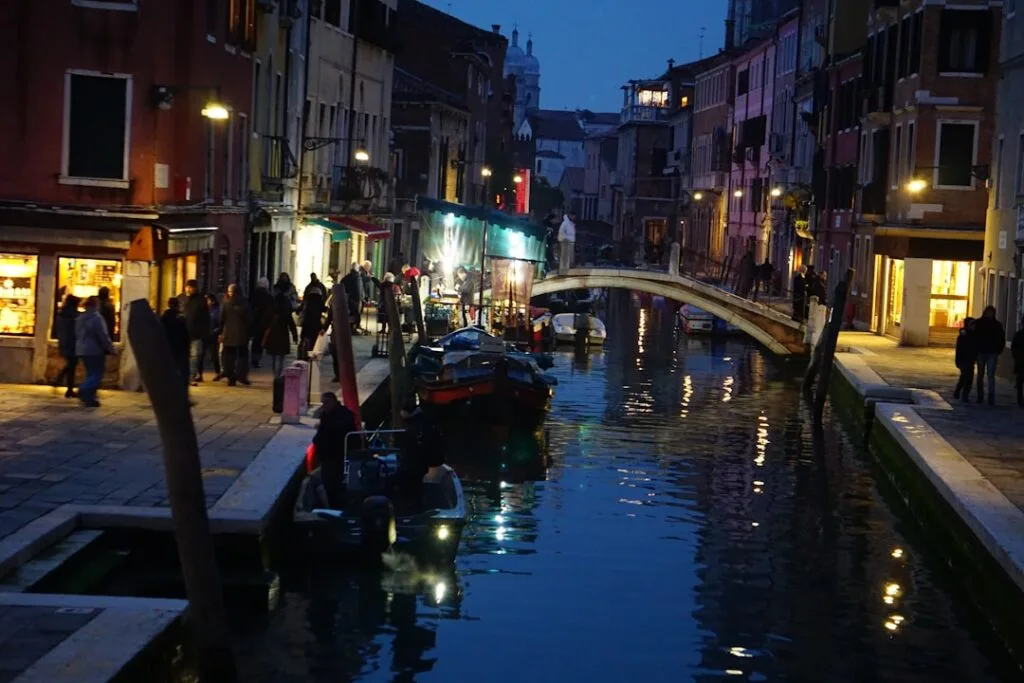
Venice isn’t just a city-museum of baroque palaces and gilded madonnas: it’s also a place made of small pauses, quiet corners and shared tasting rituals at the counter. Among these rituals, the foodie stroll through the bacari — those small traditional wine bars where you nibble cicchetti while sipping a glass — remains one of the most authentic and joyful experiences you can have in Venice. Far from the big tourist tables, bacari embody the rhythm of local life: standing at the bar, chatting, picking from a tray of specialties, toasting to the beat of a well-made spritz.
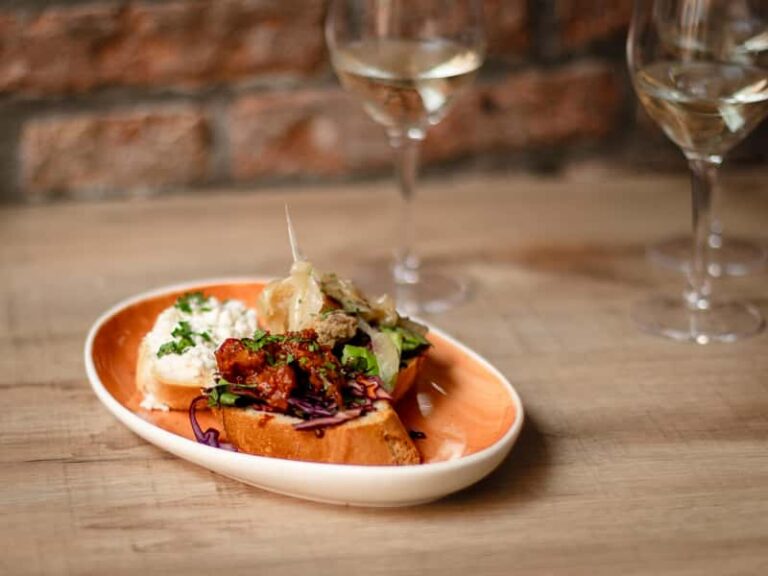
The word “bacaro” (plural bacari) refers to these often modest, sometimes centuries-old establishments that have kept a simple, convivial way of hosting. Here you don’t order a multi-course meal; you choose small portions — sometimes two bites, sometimes a hot slice of polenta — that you combine according to appetite. Cicchetti can be slices of bread topped with seafood, meat skewers, fritters, marinated fish, or grilled vegetable crostini. Pairing these bites with a Venetian wine, an ombra (a glass of wine at the counter) or a spritz is the most direct way to understand local sociability.
Along this foodie walk we’ll cross several sestieri (neighborhoods) — San Polo, Cannaregio, Dorsoduro and the island of Giudecca — and stop at renowned spots like Cantina Do Mori, All’Arco or Ai Promessi Sposi, but also at lesser-known places hidden behind a door, along a rio, or on a small square where the song of a gondola completes the atmosphere. Each bacaro offers a distinct vibe: some have low ceilings and walls darkened by time’s soot, others open onto a narrow fondamenta (bank), and some have a terrace where you can watch passersby while tasting lagoon produce.
In this article I offer a tasty route with full addresses, exact locations, opening hours, a price range for cicchetti and drinks, plus practical tips: how to combine bacari with sightseeing, how to avoid the most touristy times, which cicchetti to try by season, and how to read a bacaro menu like a Venetian. Get your taste buds ready: the walk starts in the heart of the Rialto market, between the smell of fish and the fishmongers’ calls, and ends on a bank facing the sunset. Let’s set off on a stroll that celebrates flavors, encounters and the Venetian art of living.
San Polo and the Rialto market: essential starting point
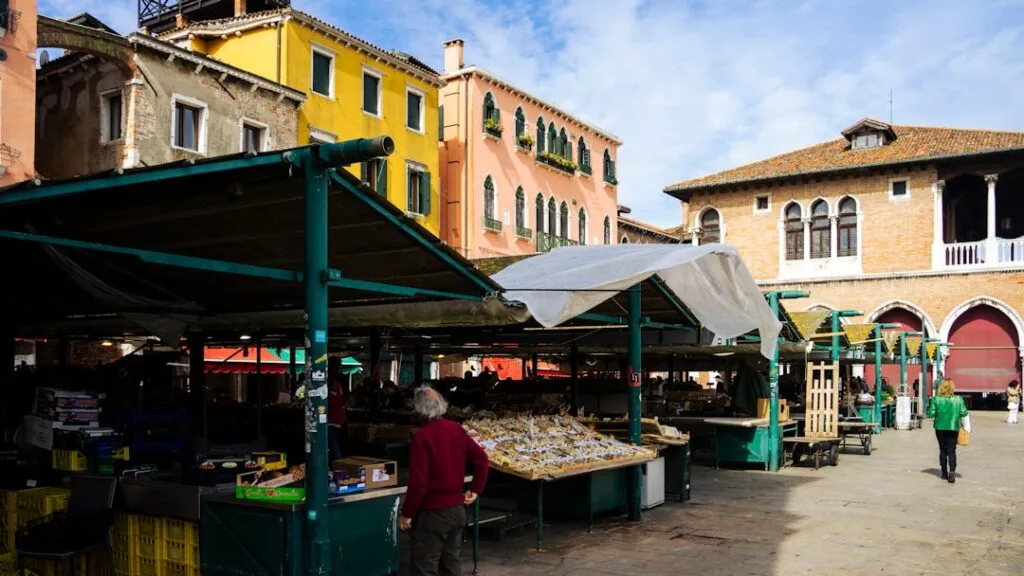
Begin your foodie walk in Venice’s commercial heart: the Rialto market, around the Ponte di Rialto. This is where fresh lagoon produce arrives each morning — fish, clams, cuttlefish, but also asparagus, artichokes and seasonal vegetables. Wandering the alleys you’ll find several emblematic bacari ready to turn those ingredients into tasty cicchetti.
A stop at Cantina Do Mori (Corte dei Do Mori, Calle dei Do Mori, 429, 30125 Venezia VE) is an almost sacred initiation. Open since 1462 by local tradition, this little tavern preserves an old-fashioned atmosphere: wooden counter, tightly packed bottles and mixed clientele. Hours: generally open Monday to Saturday 10:00–22:30 (sometimes closed Sunday). Prices: cicchetti from €1.50 to €4.50, glass of wine (ombra) €2.50–€5, spritz about €4.50–€6.
Other spots around Rialto deserve your attention: All’Arco (Calle del Campanile, 1947, 30125 Venezia VE) is famous for generous cicchetti and its wine selection. Hours: open daily, often 10:30–20:30. Prices: cicchetti €1.50–€3.50, simple hot dishes €6–€12.
Why start here? First because the market gives a direct understanding of the raw ingredients. Second, because San Polo houses lively venelles and squares where locals meet before work or on breaks. In the morning favor fish cicchetti — sarde in saor (marinated sardines), polpette di mare (fish fritters), and seppioline in umido (small stewed cuttlefish) — while in the afternoon you can sample local cold cuts and creative crostini.
Practical tips: arrive early to avoid the tourist crowd that converges on the Rialto bridge after 11am. For payment, have small bills and coins: some bacari don’t accept cards for low amounts. Finally, adapt your route to the season: in summer prefer cold cicchetti and dry white wines; in winter look for hot dishes and structured red wines.
 Click here to book your Rialto market tour and cooking class
Cannaregio: flavors of the old ghetto and discreet bacari
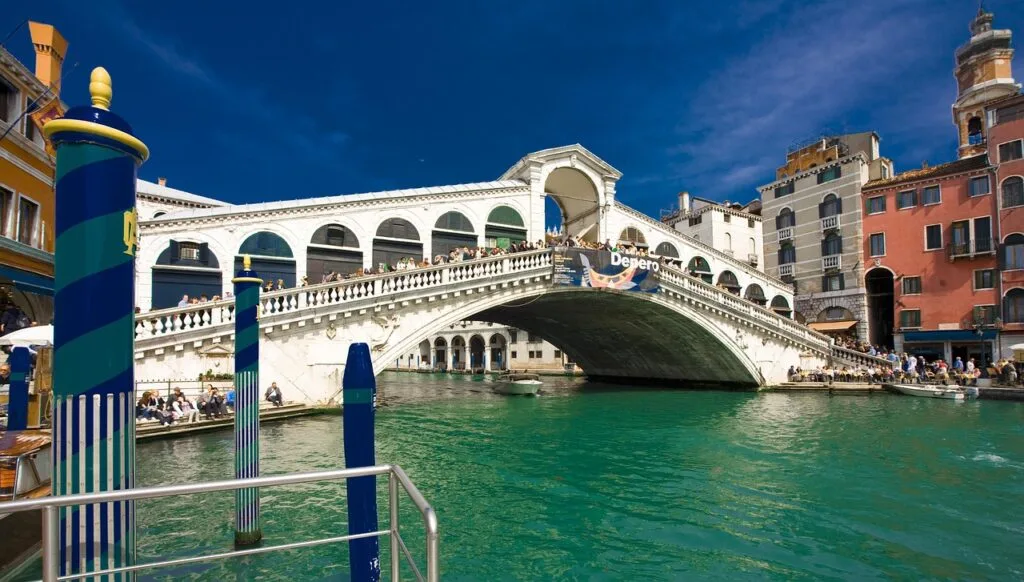
Cannaregio is a neighborhood where authenticity shows in faded façades and fondamenta where people still hang their laundry. It’s here that local life feels most tangible and bacari take on an almost village-like air. Among notable spots head to Osteria ai Promessi Sposi (Fondamenta della Misericordia, 2581, 30121 Venezia VE), known for fish cicchetti and home cooking. Hours: generally open Tuesday to Sunday, 11:30–15:00 and 18:00–23:00. Prices: cicchetti €2–€5, dishes €10–€18.
Another Cannaregio classic is Cantina Do Spade (Calle del Pestrin, 4293, 30125 Venezia VE), small, popular and always lively. Its counters overflow with crostini and small skewers. Hours: 10:00–22:00, sometimes closed Sunday evening. Prices: cicchetti €1.50–€4, glass of wine €3–€6.
The Jewish ghetto, with historic synagogues like the Scuola Grande Tedesca, shapes the neighborhood’s food scene: you’ll find simple but well-crafted products and Ashkenazi influences in some dishes. What really makes Cannaregio special is the chance to mix canal strolls with tasty stops. Step onto the Ponte delle Guglie for a panoramic view, then head down to a fondamenta for a cicchetto and a glass of prosecco.
Practical tips: Cannaregio is best explored on foot. Avoid getting lost in the northern part without a map if you’re not comfortable, but let the smell of frying and music spilling from windows guide you. For a more local feel, try ombretti (small glasses of wine) from a street vendor or an unpretentious bacaro: you’ll often find the cheapest and most convivial options. Also respect opening hours: many small bacari close between 15:00 and 18:00, a quiet time before they reopen for aperitivo.
Click here to discover the Jewish ghetto and culinary tastings
Do the perfect bacaro crawl in one evening: three ways to taste Venice like a local
Aim for late afternoon or early evening: crowds and bacari schedules often set the pace for tasting.
1. Sunset and cicchetti
A tour built for twilight vibes: stops at bacari chosen for views and cicchetti, more than a dozen tastings and local wines—perfect to end the day along the Grand Canal.
- ⏱️ Duration: 3 hours
- 🌅 Time: Late afternoon → sunset
- 💡 Highlight: Sunset + over 15 tastings
- 🗣️ Languages: English, French, Italian, Spanish, Japanese
- 🚩 Start: Varies by chosen option

2. The ultimate food tour
A full, polished experience: spritz, prosecco, Bellini and cicchetti across 4 refined stops, blending classics and reimagined dishes—for those wanting a broad, gourmet view of the bacari.
- ⏱️ Duration: 3 hours
- 👥 Format: Small group, guided tour
- 🍹 Included: Signature drinks and cicchetti
- ⭐ Highlight: Drink + cicchetti pairings variety
- 🗣️ Languages: English, Italian
3. Classic Rialto start
Route focused on San Polo and Rialto: local guide, about fifteen traditional tastings and historical context—perfect to understand cicchetti in their setting.
- ⏱️ Duration: 3 hours
- 🚩 Start: Campo San Giacomo di Rialto
- 🥂 Included: Wine at each stop
- 💡 Highlight: History + traditional cicchetti
- 🗣️ Languages: English
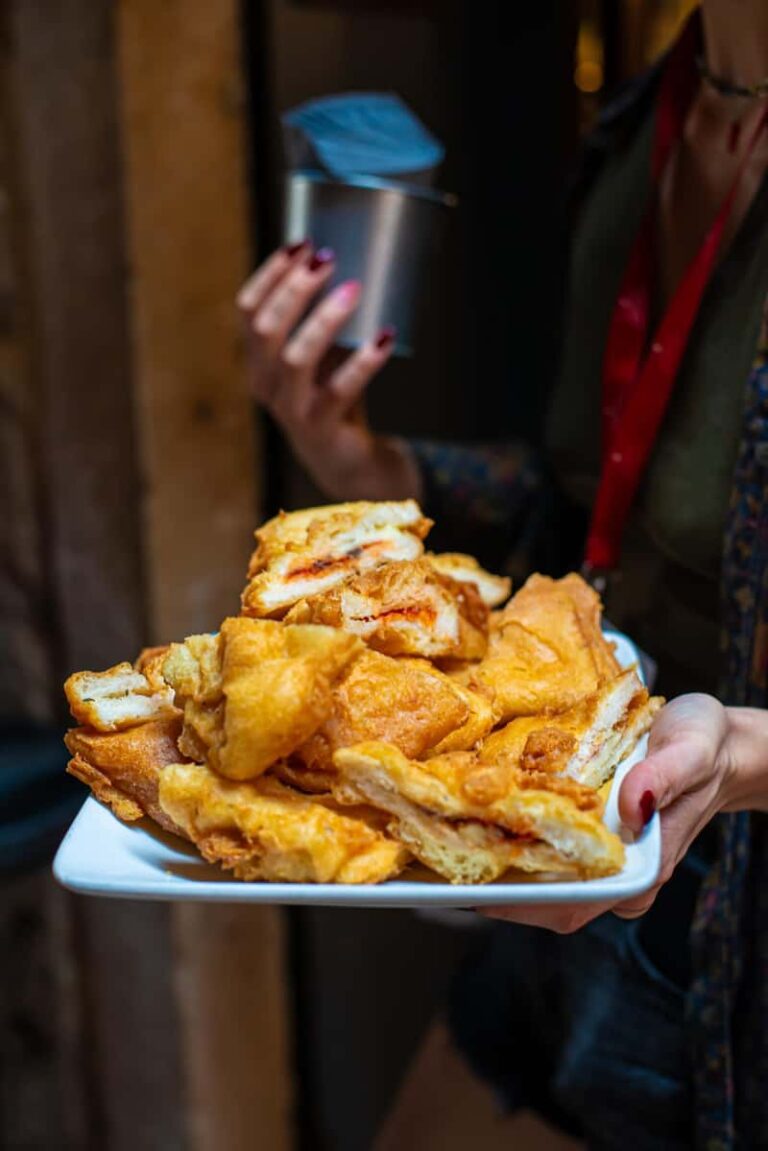
4. Street food and budget bacari
A short, budget-friendly option focused on street food: a neighborhood walk with quick stops for pastries, cheeses and affordable cicchetti—ideal for a first tasty reconnaissance.
- ⏱️ Duration: 2.5 hours
- 🚶 Format: Casual walking tour
- ⭐ Highlight: Street food + the Rialto market
- 🗣️ Languages: English
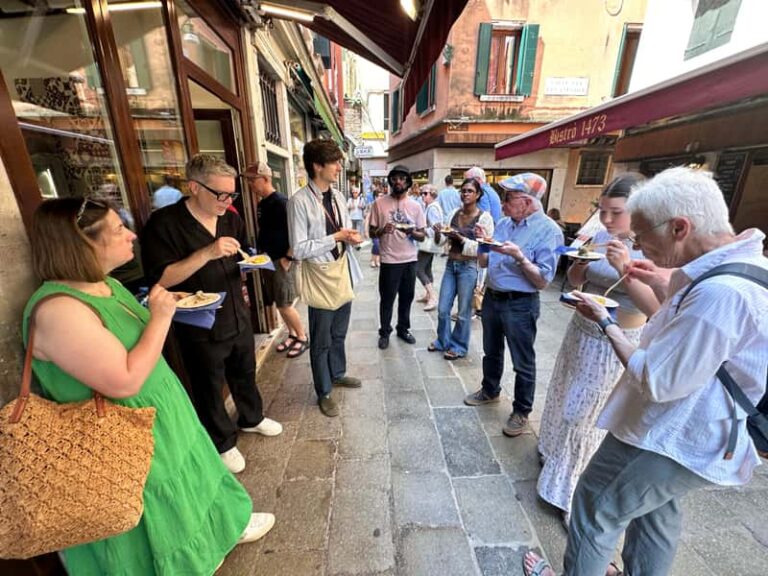
Dorsoduro and the art of the student aperitivo
Dorsoduro, Venice’s student and arts quarter, has a young, creative vibe. Between the Gallerie dell’Accademia and the Punta della Dogana, bacari offer inventive menus and a strong natural wine culture. For a classic stop, try Al Vecio Marangon (Calle dell’Accademia, 1018, 30123 Venezia VE) — a small spot off the main tourist trails. Hours: 11:00–23:30, closed Monday. Prices: cicchetti €2–€5, sharing boards €12–€20.
The nearby universities and student housing give Dorsoduro a food scene that mixes tradition and experimentation. You’ll find bacari serving reinvented cicchetti: mini calamari burgers, artichoke‑cream toasts, and small plates of marinated vegetables. These dishes often pair well with natural wines or craft beers available at these venues.
A recommended stop is Cantina Do Mori della Zattere (Fondamenta delle Zattere, 212, 30123 Venezia VE) — a fictional but typical example of bacari facing the Grand Canal at dusk. Best time: aperitivo between 17:00 and 20:00. Prices: spritz €4–€6, cicchetti €2–€5. Here, the view is part of the menu: glass in hand, watch the water flow with the vaporetto and fishing boats.
Practical tips: Dorsoduro is perfect if you want the aperitivo to turn into a full evening. Look for bacari with a thoughtful wine list and don’t be shy to ask for recommendations: many owners love suggesting a lesser‑known but excellent bottle. If you’re visiting during exhibitions or the Biennale, consider booking ahead — some places fill up.
Click here to book a cicchetti and wine food tour
Giudecca and lagoon‑side bacari: end the evening facing the sunset
The island of Giudecca, separated from the main shore by the Bacino di San Marco, offers a different view of Venice: calmer, more residential, and often less crowded with tourists. Bacari here often have terraces overlooking the lagoon — ideal for an aperitivo at sunset. A recommended stop is Al Timon alla Giudecca (Fondamenta San Biagio, 3, 30133 Venezia VE) — well known for its seafood and convivial atmosphere. Hours: 12:00–23:00, closed some Sundays. Prices: cicchetti €2–€6, seafood dishes €12–€25.
Giudecca’s easygoing feel lets you enjoy cicchetti in a more relaxed setting: prawn skewers, grilled cuttlefish, polenta with schie (grey shrimp), often cooked by passionate owners. The atmosphere turns almost meditative as the sun dips and paints the façades of Dorsoduro and San Marco in gold. After a stroll along the fondamenta, sit down, order a plate of cicchetti, and share it with locals or fellow travelers.
Practical tips: to reach Giudecca, take the vaporetto (line 2 or 4.2 depending on season) from the San Zaccaria or Zattere piers. Vaporetto frequency varies: expect departures every 10–20 minutes during the day, less often late at night. On arrival, favor bacari that list « di giornata » (of the day) on a blackboard — it’s often a sign of freshness. If you have time after dinner, cross to the opposite bank for a spectacular view of the illuminated Basilica San Marco.
Click here to enjoy a sunset cruise
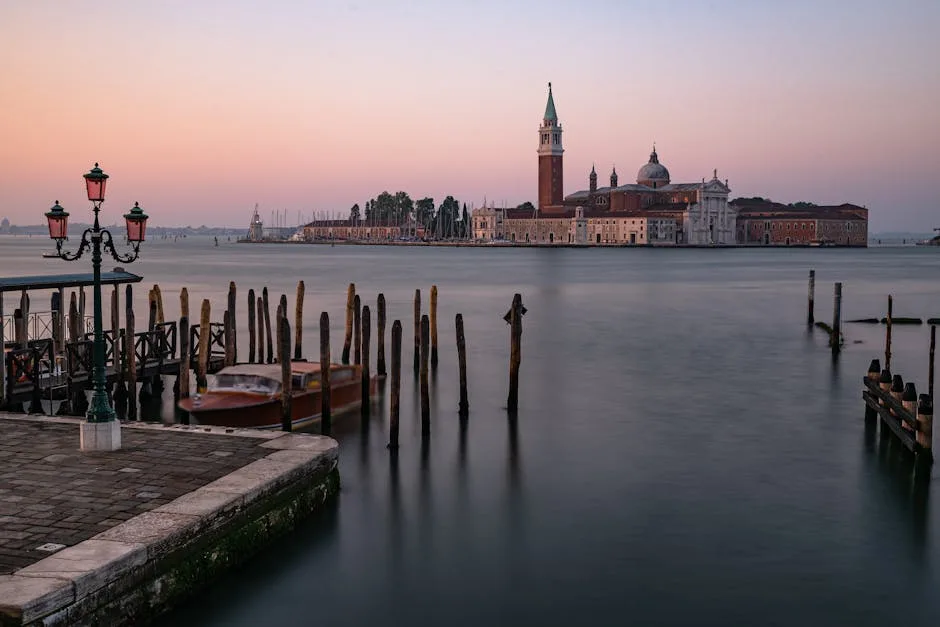
How to put together a bacaro crawl: sample itinerary and tips
Planning a bacaro crawl is like composing a small tasting menu: alternate flavors, pace your drinks, and save appetite for the next stop. Here’s a roughly three‑hour route designed to mix discovery, breaks, and efficiency:
- Start at 11:00 near the Rialto market: a quick espresso and 1–2 fish cicchetti (€1.50–€3.50).
- Lunch break at Cantina Do Mori: at the counter, try sarde in saor and a glass of local white wine (€3–€5).
- Crossing to Cannaregio before 15:00: two savory cicchetti and a spritz (€4–€5) on a fondamenta.
- Late afternoon in Dorsoduro: a sharing board and natural wine (€12–€20 for the board, €4–€6 per glass).
- Evening in Giudecca for sunset: seafood and a local digestif (€12–€25 for a main course if desired).
Local practical tips:
- Learn a few words: saying « un’ombra di vino » (a small glass of wine) and « grazie » usually gets you a smile.
- Payment: carry small change; for tiny purchases some bacari refuse cards. If you pay by card, check there’s no minimum.
- Timing: avoid bouncing between too many spots in high season; favor quality and discovery over quantity.
- Respect: don’t eat on church steps or where it’s prohibited; pick up your trash if picnicing.
- Allergies: always ask what’s in the cicchetti if you have allergies (fish, shellfish, gluten).
- Sharing: most cicchetti are meant to be shared — order several small plates to try a variety.
Indicative prices to plan your budget: an average three‑ to four‑hour crawl can cost €20–€45 per person, depending on the number of cicchetti and glasses of wine. For a more indulgent evening with mains and desserts, budget €35–€60 per person.
Conclusions and tips to extend the experience
The gourmet stroll through Venice’s bacari is much more than a mere food tour: it’s an immersion in the city’s rhythm, its spontaneous encounters and its love of sharing. Each sestiere has its own vibe — San Polo for the market buzz, Cannaregio for authenticity, Dorsoduro for student creativity, Giudecca for lagoon-side calm — and every bacaro tells the story of a family, a fisherman, a winemaker.
To prolong the experience after your stroll:
- Visit the local markets (Rialto for fish, Campo Santa Margherita for oyster and vegetable stalls) to get a feel for seasonality.
- Join a tasting of Venetian wines: prosecco, raboso, torcolato or sauvignon produced in the Veneto will pair perfectly with your cicchetti.
- Bring back edible souvenirs: jars of pre-cooked polenta, preserved anchovies, or olive oil from the lagoon.
- Learn to spot a good fried fish: it should be light, not greasy, and served hot.
Click here to taste the Prosecco vineyards with a tasting
Finally, remember that the true pleasure of a bacaro crawl comes from slowing down and being open to the unexpected. Let a local invite you to the counter, share a plate, try a wine recommended by the owner. In return the city will reveal panoramas, flavors and stories you won’t find on postcards. When you leave, you’ll take home not just photos but memories of conversations, aromas, and little shared bites that will mark your stay in Venice.