





Introduction
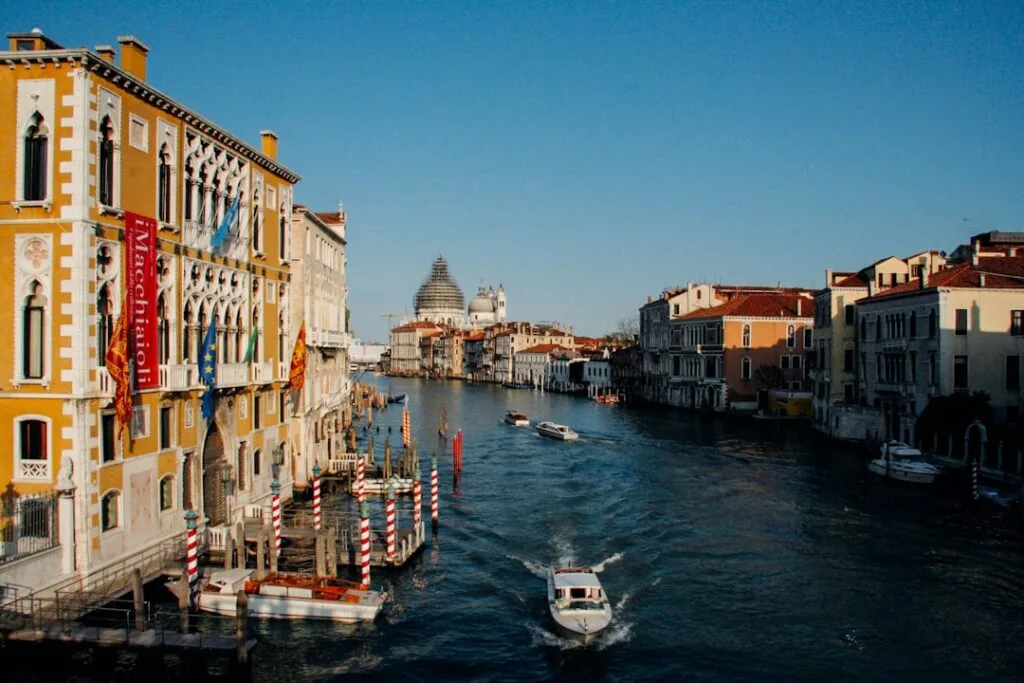
Venice: a name that instantly conjures up winding canals, Byzantine palaces and stone footbridges. But the Venice you experience depends a lot on the season you visit. Spring and autumn are often pitched as the best times to see La Serenissima — far from the sweltering heat of summer and the sharp cold of winter. Still, each season brings its own mood, colors and practical quirks. In this article we take a close look at Venice in spring versus Venice in autumn to help you decide which is the better choice for your priorities: peace and quiet, photography-friendly light, cultural events, comfortable weather, cost and logistics.
In spring, Venice gradually wakes up. Temperatures soften, the vegetation on the lagoon’s islands springs back to life, café terraces regain their colors and the air keeps a faint marine crispness before the summer heaviness sets in. Days get longer, giving you more time to wander the sestieri like Cannaregio, Dorsoduro and San Marco. It’s also when the city ramps up its tourist rhythm after winter, with a rich cultural program: temporary exhibitions, concerts and sometimes even the Biennale (depending on the year).
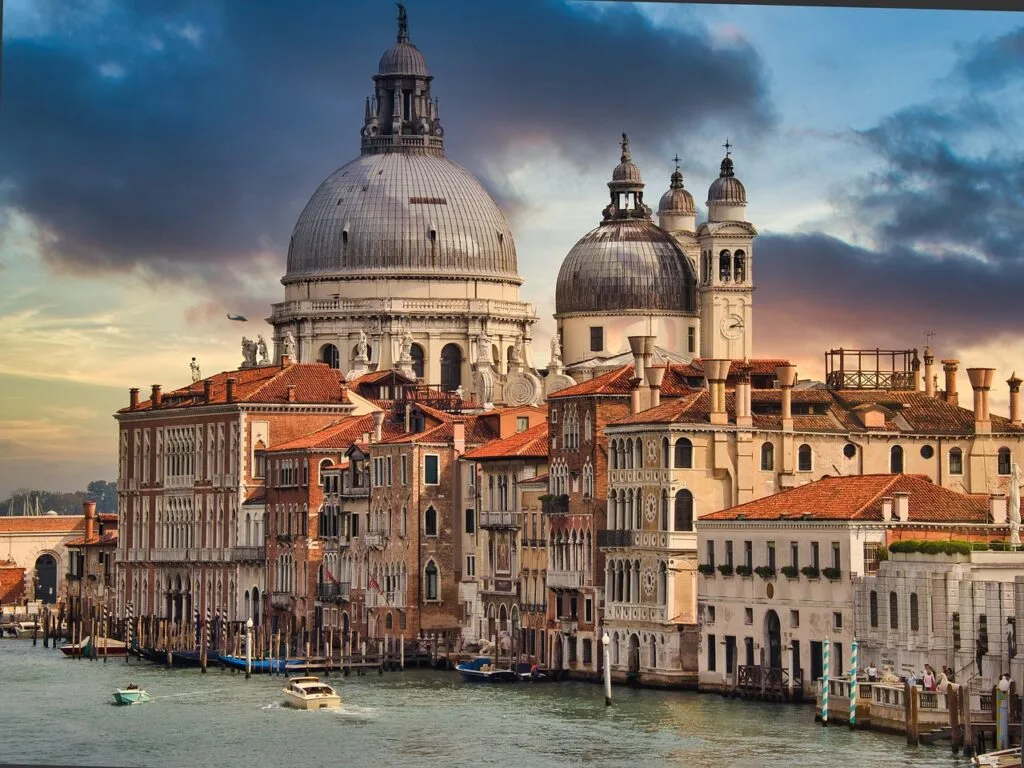
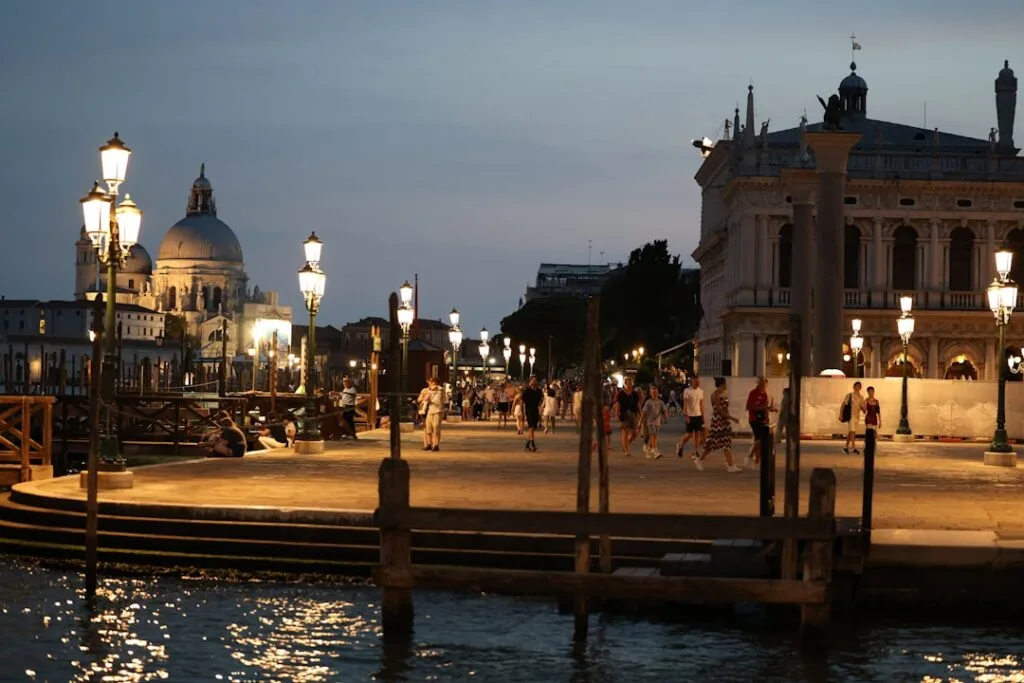
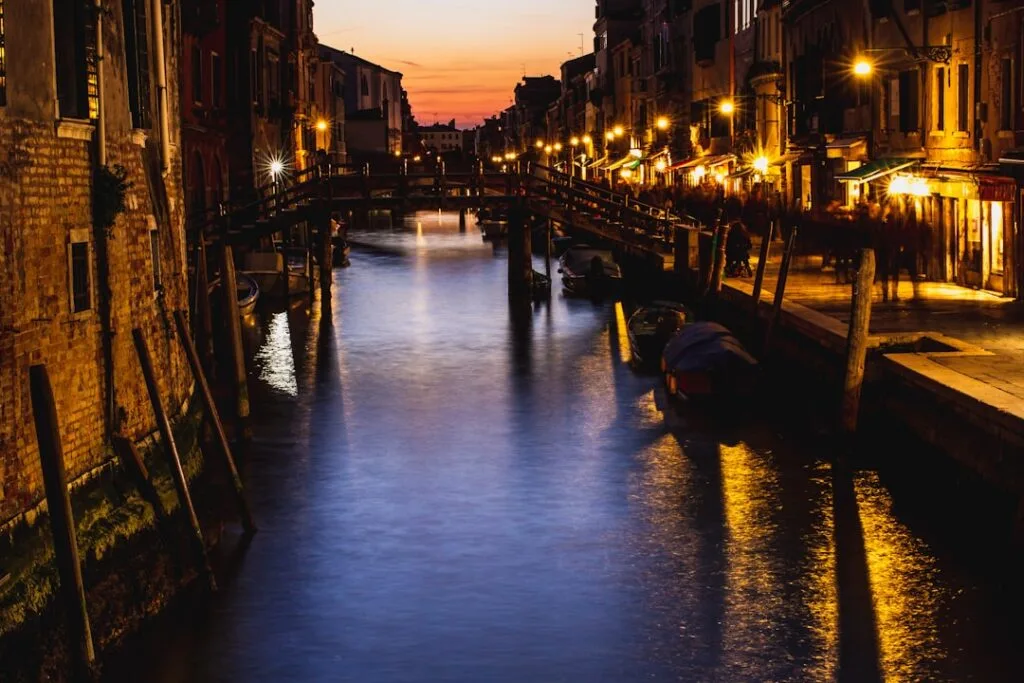
In autumn, Venice dresses in warm, shimmering tones. October and November light is famous for its soft golden sunsets, creating perfect scenes for photographers and painters. Fish and shellfish are at their peak, offering memorable dining in bacari and starred restaurants. Autumn also sees tourist numbers taper off after summer, without sinking into winter sleep. Finally, from mid-October through November the city can be affected by acqua alta (high water), a factor to consider when planning your trip.
In this comparative guide we’ll look at iconic sites — Basilica di San Marco, Palazzo Ducale (Doge’s Palace), Basilica di Santa Maria della Salute, Ponte di Rialto and the Gallerie dell’Accademia — giving full addresses, typical opening hours, prices in euros and practical tips. We’ll also cover transport (vaporetto, traghetto), accommodation, seasonal food highlights and the overall atmosphere. The aim is to give you a complete, immersive view so you can pick the season that best matches your wishes and constraints. Whether you come for photography, lounging, art history or gastronomy, this guide will give you concrete elements to plan a successful stay in Venice, in spring or in autumn.
 Click here to book a Murano and Burano day trip
Atmosphere, weather and light: spring vs autumn
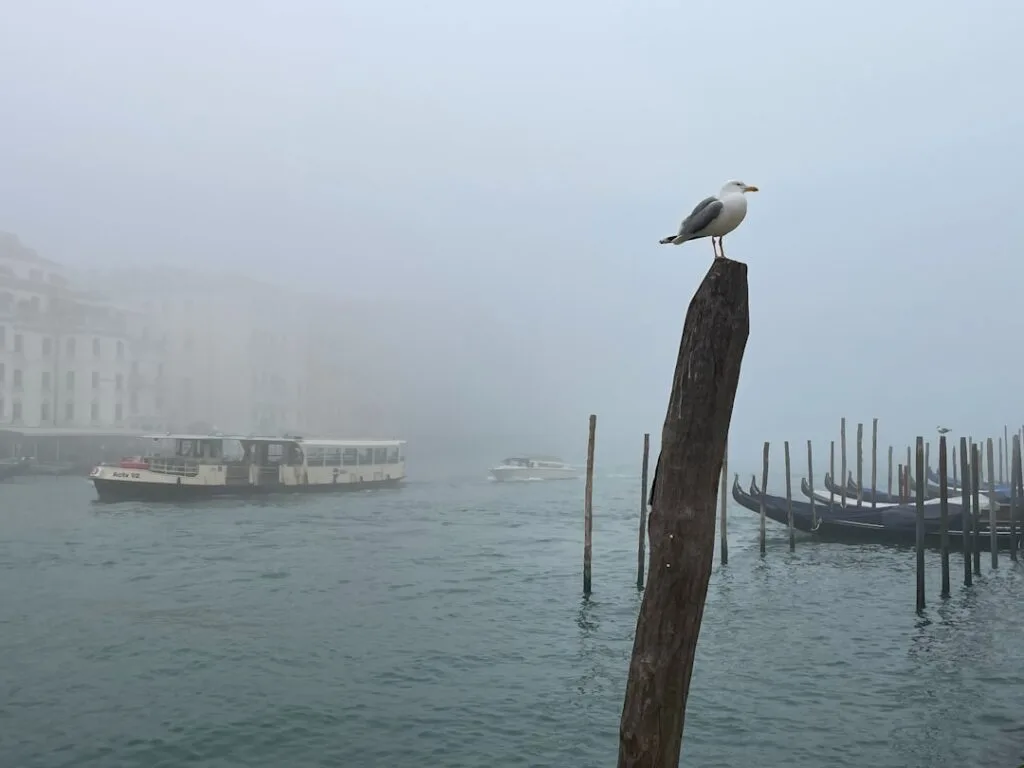
The principal difference between spring and autumn in Venice is the quality of light and temperature. In spring (April–May) days are generally mild: expect daytime temperatures between 15 and 22 °C, sometimes warmer by late May. Morning humidity can create a light mist over the lagoon — perfect for moody sunrise shots. Fresh pale green leaves contrast beautifully with the ochre façades lining the Grand Canal.
In autumn (September–November) days cool down: highs typically range from 12 to 20 °C in September–October, with a possible drop in November. Autumn light is often more golden, especially at sunset, intensifying reflections on the water and giving the stone a warm patina. However, autumn is also the season most prone to acqua alta (high tides), particularly from November into early December, when temporary floods can affect spots like Piazza San Marco and the area around Ponte della Paglia.
Practical weather tips:
- Spring: pack a light waterproof jacket, comfortable shoes and a scarf for chilly mornings. Evenings can be cool, especially near the water.
- Autumn: bring a windproof waterproof jacket, water-resistant ankle boots and, if you visit in November, consider rubber boots or overboots if high water is forecast.
In terms of crowds and atmosphere, spring sees a gradual rise in visitors: April can be relatively calm while May starts attracting more European tourists. In autumn, September remains lively after the summer high season, October is often ideal for a quieter visit, and November brings a more intimate feel but sometimes wetter conditions. For photographers, spring offers dramatic misty mornings; autumn brings warmer sunsets and richer reflections.
Monuments and museums: accessibility, hours and prices
Visiting Venice means juggling several concentrated yet often busy sites. Here’s practical information for the main landmarks, with addresses, typical opening hours and prices in euros (check before you travel as rates can change).
-
Basilica di San Marco
Address: Piazza San Marco, 328, 30124 Venezia VE, Italy.
Hours: generally 9:30–17:00 (the basilica may close during services; times vary on Sundays and holidays).
Price: entry to the basilica is free; museum and terrace are paid, around €5–€7 for the Museo Marciano and Museo di San Marco; access to the Basilica Terrace roughly €5. Booking recommended to avoid long queues. -
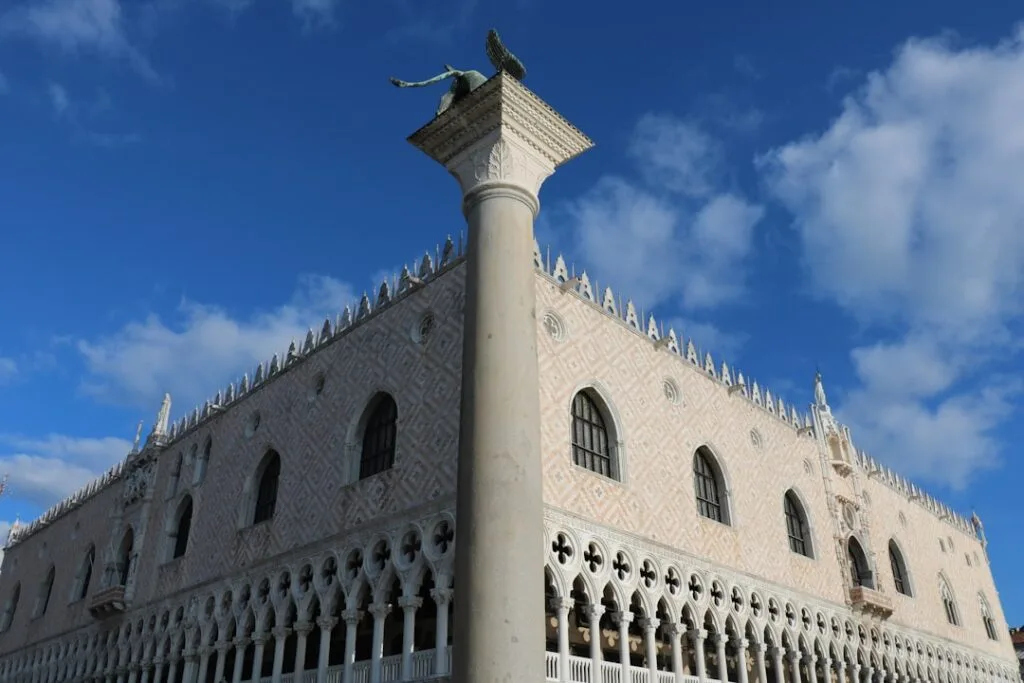
Palazzo Ducale (Doge’s Palace)
Address: Piazza San Marco, 1, 30124 Venezia VE, Italy.
Hours: often 9:00–19:00 (last admission 18:00).
Price: combined ticket with Museo Correr and other museums on Piazza San Marco around €25–€28; reduced rates for youth and seniors. Allow at least 1h30–2h for a full visit (state rooms, prisons, Bridge of Sighs). -
Gallerie dell’Accademia
Address: Campo della Carità, 1050, 30123 Venezia VE, Italy.
Hours: generally 8:15–19:15 (closed Mondays in some seasons).
Price: around €12–€15; reduced rates for youth. Booking recommended to avoid queues for major exhibitions. -
Peggy Guggenheim Collection
Address: Dorsoduro, 701-704, 30123 Venezia VE, Italy (Palazzo Venier dei Leoni).
Hours: usually 10:00–18:00, closed Tuesdays.
Price: around €15–€18; concessions available. A must for modern art in a palazzo on the Grand Canal. -
Ponte di Rialto (Rialto Bridge)
Address: Sestiere San Polo, 30125 Venezia VE, Italy (connecting San Polo and San Marco).
Hours: open 24/7.
Price: free (shops/terraces nearby may charge). Nearby: Mercato di Rialto (Pescaria) for fresh produce.
Click here to book your guided priority-access visit to St. Mark’s Basilica
Click here to book a skip-the-line ticket and tour of the Doge’s Palace

Click here to book a skip-the-line ticket for Peggy Guggenheim
Practical tips for monuments:
- Book online for Palazzo Ducale and the Gallerie dell’Accademia at off-peak times (opening hour) to avoid crowds.
- Arrive early at St. Mark’s Basilica to enjoy the interior light and thinner crowds.
- In autumn, check the status of the raised walkways in Piazza San Marco in case of acqua alta: the basilica and palace are often still reachable via elevated gangways.
Transport, getting around and budget: vaporetto, traghetto and logistics
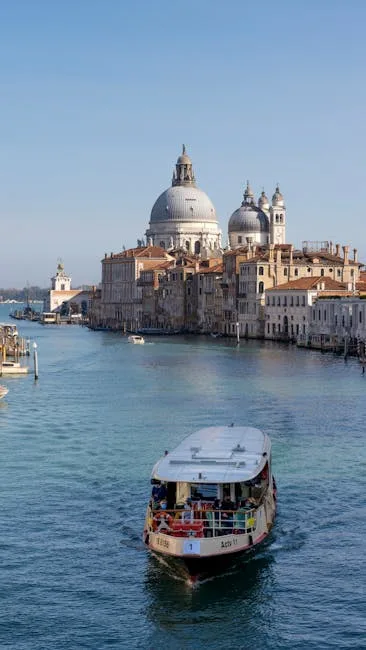
Getting around Venice is an experience in itself. The ACTV vaporetto network is the backbone of public transport; traghetti (small gondola-like ferries) give you a classic crossing of the Grand Canal for a few euros; water taxis are quick but expensive. Here are useful details, locations and approximate fares in euros (confirm at the time of travel).
-
Venezia Santa Lucia (train station)
Address: Fondamenta Santa Lucia, 30121 Venezia VE, Italy.
Tip: the station opens directly onto the Grand Canal waterfront; buses and vaporetti leave from Piazzale Roma a short walk away. -
Piazzale Roma (bus and vaporetto hub)
Address: Piazzale Roma, 30135 Venezia VE, Italy.
Transport: connections to taxis, buses and vaporetti. Ideal for first arrivals. -
Fares and tickets (indicative)
– Single vaporetto ticket (ACTV): about €8 for a journey valid 75 minutes (rates vary, check before departure).
– 24h/48h/72h passes: often available around €20–€40 depending on duration (ideal if you plan several trips per day).
– Traghetto: Grand Canal crossing €2–€3 per person (one way).
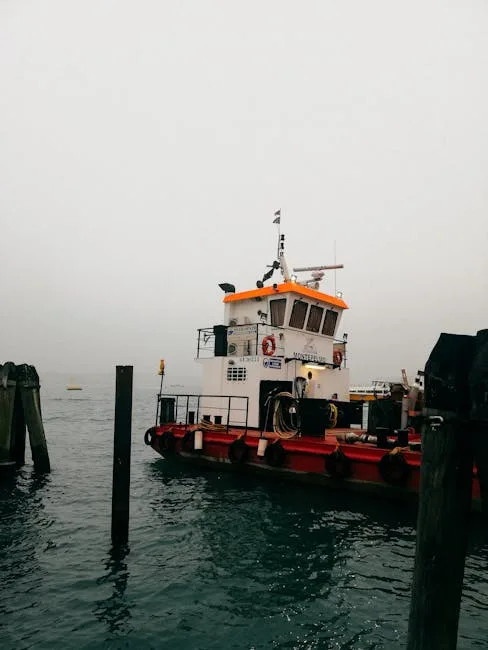
– Water taxi: high base fare; expect €15–€30 for short runs off-peak; prices depend on route and service.
Logistics tips:
- If you stay three days or less and plan to walk a lot, a 24/48h pass can be overkill; work out your trips in advance. Main spots (San Marco, Rialto, Dorsoduro) are often walkable if you enjoy wandering.
- Spring is ideal for long walks; autumn can shorten strolls if acqua alta comes into play.
- Use the traghetto for an authentic and cheap Venetian experience to cross the Grand Canal where there isn’t a nearby bridge.
Food, events and local life: when to eat and what to choose
The season strongly influences local produce and the dining scene. In spring markets brim with fresh items: asparagus, peas, artichokes and seasonal fish. At Rialto, the market (Mercato di Rialto, Campo della Pescheria) overflows with fish and vegetables. Address: Mercato di Rialto, Ruga Vecchia San Giovanni, 30125 Venezia VE.
Click here to book the Rialto market tour with cooking and lunch
Spring highlights include: risotto ai carciofi (artichoke risotto), moeche (soft-shell crabs from the lagoon — season dependent), and Venetian wines such as Prosecco DOC. In autumn, mushrooms, clams and fattier fish lead to heartier dishes: spaghetti alle vongole, seppie con piselli (cuttlefish with peas) and desserts featuring pumpkin or chestnuts on some seasonal menus.
Click here to discover the Prosecco hills vineyards
Some recommended addresses and price ranges:
- Osteria alle Testiere (high-end, very small) — Calle del Mondo Novo, 5801, 30122 Venezia VE. Prices: dishes €20–€35, tasting menus vary by season. Reservation highly recommended.
- Trattoria Da Fiore (well-known) — Calle del Scaleter, 2202, 30125 Venezia VE. Prices: dishes €18–€40 depending on choices and wines.
- Bacaro Risorto (typical bacaro) — varies by neighborhood; prices for tapas/ombra (a glass of wine) €2–€6, cicchetti €1–€4.
Local events to note:
- In spring: cultural springtime often includes concerts and exhibitions; the Art Biennale runs every two years (May–November) and greatly affects crowds and special exhibitions across the city.
- In autumn: music festivals, celebrations of lagoon produce and, depending on the year, food events; beware of acqua alta in November which can disrupt logistics.
Click here to discover the ultimate food tour with wine and spritz
Practical experience: accommodation, crowds and final tips
Choosing between spring and autumn usually comes down to balancing light, temperature and crowd levels. Here are concrete points to help you decide.
Accommodation: hotel rates are generally more affordable in the shoulder seasons. In spring prices rise gradually from April to May. In autumn, September can still carry high rates if summer lingers; October and November see a marked drop, except during special events (the Biennale, autumn festivals).
Recommended neighborhoods:
- San Marco: the tourist heart, close to St. Mark’s Basilica and the Doge’s Palace. Ideal if you want to be in the middle of everything, but late-night calm is limited. Nearby option: Hotel Danieli (Riva degli Schiavoni) — premium rates.
- Dorsoduro: an artistic vibe, close to the Gallerie dell’Accademia and Peggy Guggenheim. A great compromise for tranquility and local atmosphere.
- Cannaregio: more residential, full of bacari and authenticity — perfect for an immersive stay.
Final practical tips:
- If you’re a photographer or love soft golden atmosphere, autumn — especially October — often provides the best light.
- If you prefer pleasant temperatures for long walks with lower chances of rain, spring (May) is ideal.
- If acqua alta worries you, avoid November and follow local alerts (the municipal site and local weather apps provide warnings). When high water occurs, wooden walkways are usually set up to access Piazza San Marco.
- To save money, book hotels and museum tickets in advance; favor small osterie away from tourist hotspots for better value and quality.
Conclusion
Venice in spring and Venice in autumn both offer unforgettable experiences, but they feel noticeably different. Spring is about rebirth: mild temperatures, lengthening days, blooming markets and revived energy. It’s the perfect season for long walks, misty-sunrise photography and avoiding summer heat while enjoying a lively atmosphere. Art lovers visiting during the Biennale (in relevant years) will also find exceptional cultural offerings.
Autumn, on the other hand, delivers a warmer color palette, spectacular sunsets over the Grand Canal and often richer seasonal cuisine. It’s a dream period for foodies and photographers chasing golden reflections and softer light. The downside is the risk of acqua alta: plan and equip accordingly, especially in November.
Practically speaking, if you prioritize pleasant weather and long walks, I’d recommend spring (late April–early June). If your priority is light, relative calm and delicious autumnal food, choose autumn (September–October). In all cases, plan ahead: book tickets for Basilica di San Marco, Palazzo Ducale and the Gallerie dell’Accademia, check opening hours and current prices before you go, and pick neighborhoods like Dorsoduro or Cannaregio for a more local experience.
Venice remains magical whatever the season. The choice between spring and autumn ultimately comes down to personal preference: soft light and quiet, or color and cuisine. Whichever you pick, prepare your itinerary, check weather alerts and let yourself be carried by the singular rhythm of a city that, more than any other, is lived on the water.