





Introduction
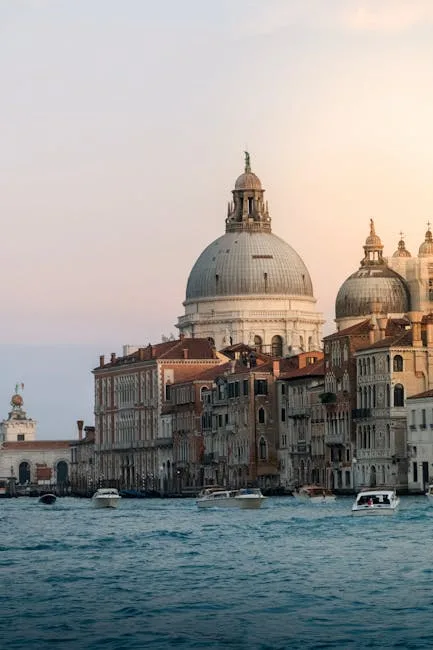
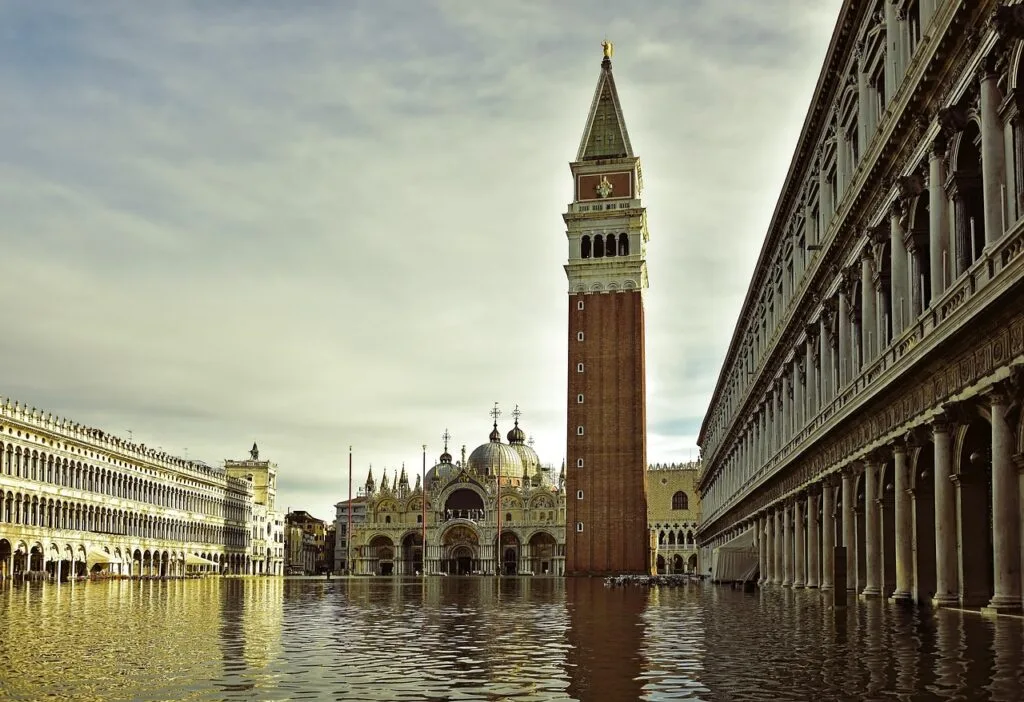
Venice, the Serenissima, is a mesmerising city where water and architecture have been in constant conversation for centuries. For travelers, that relationship produces fairy-tale scenes: gondolas slipping under stone bridges, baroque facades glinting in the sun, narrow calle that suddenly open onto quiet campi. But Venice also has a unique climatic reality: acqua alta, the temporary sea surges that flood parts of the city, most famously Piazza San Marco. When should you book your trip to Venice to minimize the risk of acqua alta? This important question deserves a nuanced, practical answer — which is exactly what this article provides.
Acqua alta isn’t mystical — it’s the result of several factors coming together: astronomical tides, atmospheric pressure, Adriatic winds (sirocco and bora), and the gradual rise in mean sea level. The seasons strongly affect how likely and how severe flooding can be. Some times of year are clearly safer to avoid disruptions like tourist crowds, temporary museum closures, or sidewalks submerged under raised walkways. Others offer a good balance between pleasant weather and manageable crowds.
This article gives you concrete recommendations: which weeks or months to favour to reduce the chance of an acqua alta; how to plan visits to iconic sites like the Basilica di San Marco, the Palazzo Ducale and the Ponte di Rialto; alternative plans if the water does rise anyway; and practical logistical tips (exact addresses, typical opening hours, indicative prices in euros) to help you organise a calm, well-prepared trip. You’ll also find local tips for getting around, visual clues to identify the most exposed areas, and suggestions for places that maintain their charm even during higher tides.
Before diving in, remember that no method can guarantee zero risk — but smart planning and a bit of flexibility will let you enjoy Venice while keeping hassles to a minimum. The goal here isn’t just to avoid flooding; it’s to help you experience the city at the right time, with clear, verifiable advice for every step of your trip.
 Click here to book a Murano and Burano tour

When to Go: Months and Seasons to Minimise Acqua Alta
Choosing the right month is your first lever to reduce the risk of acqua alta. Historical data shows that high-tide events are more frequent in autumn and winter, especially between October and March, when atmospheric conditions favor storms and strong Adriatic winds. By contrast, April, May, June, September and early October often provide a good compromise between mild weather and a lower probability of severe flooding.
April–May: these months are often the sweet spot for visiting Venice. Temperatures are pleasant (daily averages between 12 °C and 22 °C), greenery returns, and the city is less crowded than peak season. The risk of acqua alta is generally modest, though isolated events can happen. Expect some school groups, but nothing close to summer crowds or Carnival levels.
June–September: summer is busy, warm and mostly dry, which naturally reduces flooding risk. The downside is higher accommodation prices and crowded landmarks like the Basilica di San Marco and the Palazzo Ducale. If you visit in July–August, plan to sightsee early in the morning or late afternoon. Summer storms can sometimes trigger higher tides, but they’re usually less severe than autumn events.
October–November: this is the riskiest season. Autumn storms and persistent winds can combine to create significant acqua alta episodes. If you travel during this period, check local weather bulletins and the APM (Agenzia per la Mobilità) frequently, and be ready to adjust your plans.
December–February: winter also carries a higher risk, but it offers the advantage of a quieter, often mist-shrouded Venice and lower hotel rates. Carnival (late February–early March, depending on the year) draws big crowds and can coincide with high tides — a beautiful but risky choice if your main goal is to avoid flooding.
Practical tip: consult the online service « Centro Previsioni e Segnalazioni Maree » (the city’s tidal forecasts) or the official « Venezia Transporti » app for tide predictions. To minimise disruptions, aim for travel windows between mid-April and mid-June, or late September to early October.
Routes and Sights to Prioritise (or Avoid) Based on Tide Conditions
Some spots in Venice are highly exposed to acqua alta, while others stay relatively protected. Here’s a practical guide to planning visits according to tide forecasts.
Basilica di San Marco — address: Piazza San Marco, 328, 30124 Venezia VE, Italy. Description: a Byzantine masterpiece with golden mosaics, the Pala d’Oro chapel and the Loggia dei Cavalli. Opening hours: generally 9:30–17:00 (hours may vary; the sacristy and museum have different timetables). Prices: nave entry is free; Pala d’Oro and museum €5–€8 depending on options, Museo Marciano often charges a fee. Why go/avoid: Piazza San Marco is one of the lowest areas and very prone to flooding. If forecasts predict tides above 90 cm, expect raised walkways or consider rescheduling the visit to lower-tide hours.
Click here to book a ticket for St. Mark’s Basilica and Campanile
Palazzo Ducale (Doge’s Palace) — address: Piazza San Marco, 1, 30124 Venezia VE, Italy. Description: the halls of power, the prisons, and the Bridge of Sighs. Opening hours: typically 8:30–19:00 in high season and 8:30–17:30 in low season; check the official site. Prices: standard tickets are often around €25–€30 (combined tickets with the Correr Museum or others may vary). Why go/avoid: the palace sits on Piazza San Marco but offers large indoor spaces; it’s a strong option even during an acqua alta since access and visitor flow are well managed.
Click here to reserve skip-the-line entry to the Doge’s Palace
Ponte di Rialto — location: Sestiere San Polo, Rialto area, 30125 Venezia VE. Description: one of the most photographed bridges over the Grand Canal. Hours: open 24/7. Cost: free. Why go/avoid: while it overlooks the Grand Canal, the Rialto and its immediate surroundings can remain walkable even during moderate tides. Visit early in the morning to avoid crowds and take advantage of morning mist for dramatic photos.
Click here to take a 1-hour Grand Canal boat tour
Accademia and Peggy Guggenheim Collection — addresses: Gallerie dell’Accademia: Campo della Carità, Dorsoduro, 1050, 30123 Venezia VE; Peggy Guggenheim: Palazzo Venier dei Leoni, Dorsoduro, 701, 30123 Venezia VE. Opening hours: Gallerie dell’Accademia 8:15–19:15; Peggy Guggenheim 10:00–18:00 (seasonal hours). Prices: Accademia €12–€15; Peggy Guggenheim €14–€16. Why go/avoid: the Dorsoduro district is less exposed than San Marco and is ideal if higher tides are expected. Museums there provide comfortable cultural refuges during peak tide events.
Click here to book a skip-the-line ticket for Peggy Guggenheim
Local Logistics: Accommodation, Transport and a Plan B for Flooding
Booking the right accommodation and knowing how to get around are essential to minimising the impact of flooding on your stay.
Recommended neighbourhoods: prefer hotels located in the higher, less flood-prone sestieri such as Dorsoduro, Cannaregio or Castello. A few practical options:
- Hotel Al Ponte Mocenigo — San Stae, Santa Croce, 239, 30135 Venezia VE. Typically 3–4*, rates vary €90–€250 depending on season. Location: close to Santa Lucia train station. Advantage: easily accessible and slightly higher than Piazza San Marco.
- Hotel Londra Palace — Riva degli Schiavoni, 4178, 30122 Venezia VE. Category: 4*. Rates: €200–€450 depending on season. Location: facing the lagoon, very central but exposed to winds and acqua alta.
- Ca’ Pisani Hotel — Fondamenta Santa Caterina, Dorsoduro, 4159, 30123 Venezia VE. Category: 4*. Rates: €120–€300. Advantage: in Dorsoduro, close to museums and less prone to flooding.
Transport: the ACTV vaporetto network connects the islands and keeps running even when some calli are partially flooded. Key points:
- ACTV vaporetto ticket: roughly €7–€9 for a standard 75-minute ticket; day passes (24h, 48h) range from about €20 to €60 depending on duration. Check current fares on the ACTV official site.
- Traghetto: public gondola crossings for a few euros (usually €2–€3), handy for quick Grand Canal crossings.
- Water taxi: private service with higher fares (departures from Piazzale Roma or Santa Lucia), expect €40–€100 depending on distance and time.
Plan B for acqua alta: always pack a pair of waterproof shoes or easy-to-remove sandals, a dry bag for electronics, and an alternate itinerary with museums and cafés located on higher ground. The temporary raised walkways (passerelle) set up during major events allow movement between Piazza San Marco and Riva degli Schiavoni — follow municipal signage (Comune di Venezia) and avoid unmarked areas.
Detailed Practical Tips for Stress-Free Visits to Monuments and Museums
Enjoying Venice without stress means taking several logistical details into account: booking ahead, checking real opening hours, getting skip-the-line tickets and considering guided tours. Here are practical tips you can use right away.
1) Book tickets for the Basilica di San Marco and the Palazzo Ducale online. While entry to the basilica nave can be free, access to special areas (Pala d’Oro, terrace, museum) is usually paid and limited in numbers. Buying ahead (expect online booking fees) guarantees you a time slot and keeps you from waiting in the rain or on crowded raised boardwalks.
Click here to book your tickets for St. Mark’s and the Doge’s Palace
2) Best time for Piazza San Marco: arrive between 7:30 and 9:00 to catch the morning light and avoid the crowds. If high tide is forecast for the morning, plan indoor visits to the Palazzo Ducale or Basilica for the late afternoon when the water level drops.
3) Pack a minimal kit: a small headlamp (useful in dark passages), plastic bags to protect documents and devices, and anti-slip insoles. For prolonged events, check whether water buses and hotel shuttles are operating from Piazzale Roma.
4) Adapt your meals: restaurants along Riva degli Schiavoni (e.g. Trattoria alla Rampa, Riva degli Schiavoni, 30122 Venezia) are convenient but exposed; opt instead for bacari and osterie tucked inside sestieri like Cantina Do Spade (Sestiere San Polo, 859, 30125 Venezia) for a more authentic experience often sheltered from floods. Indicative prices: cicchetti €2–€6, mains €12–€25.
5) Weather monitoring and alerts: download the « Meteo Mare Venezia » app or check www.comune.venezia.it for official bulletins. Official alerts (yellow/orange/red) determine site closures and the installation of walkways. Always leave flexibility in your schedule: an indoor museum is a great cultural refuge if outdoor areas become impassable.
Conclusion
Picking the right time to book your trip to Venice to avoid acqua alta requires balancing several factors: season, weather forecasts, your tolerance for crowds, and route choices. The safest periods in terms of flooding are generally spring (April–May) and early autumn (September), when temperatures are pleasant and the chance of extreme tides is moderate. If you travel in summer, expect drier weather but larger crowds; autumn and winter can offer a more melancholic — and sometimes poetic — atmosphere, but also higher flood risk.
Practically speaking, book your Basilica di San Marco (Piazza San Marco, 328, 30124 Venezia VE) and Palazzo Ducale (Piazza San Marco, 1, 30124 Venezia VE) tickets in advance, check exact opening times, and plan alternatives like the museums of Dorsoduro (Gallerie dell’Accademia, Campo della Carità, 1050) or the Peggy Guggenheim Collection (Palazzo Venier dei Leoni, Dorsoduro, 701). If possible, stay in Dorsoduro, Cannaregio or Castello to lower flood risk, and always carry a small protection kit for your devices and documents.
Finally, remember that acqua alta, despite its drawbacks, is part of Venice’s history and identity. Even a flooding episode can create memorable photographic opportunities and unique moments — as long as you’re prepared. Check official sites, follow local bulletins, and adapt your itinerary as needed: with a bit of preparation you can enjoy Venice’s wonders — St. Mark’s Basilica, the Rialto Bridge, the Grand Canal and its historic palazzi — without letting high water spoil your trip. Buon viaggio e buona visita a Venezia!