




Introduction: Why Picking the Right Month for Venice Makes All the Difference
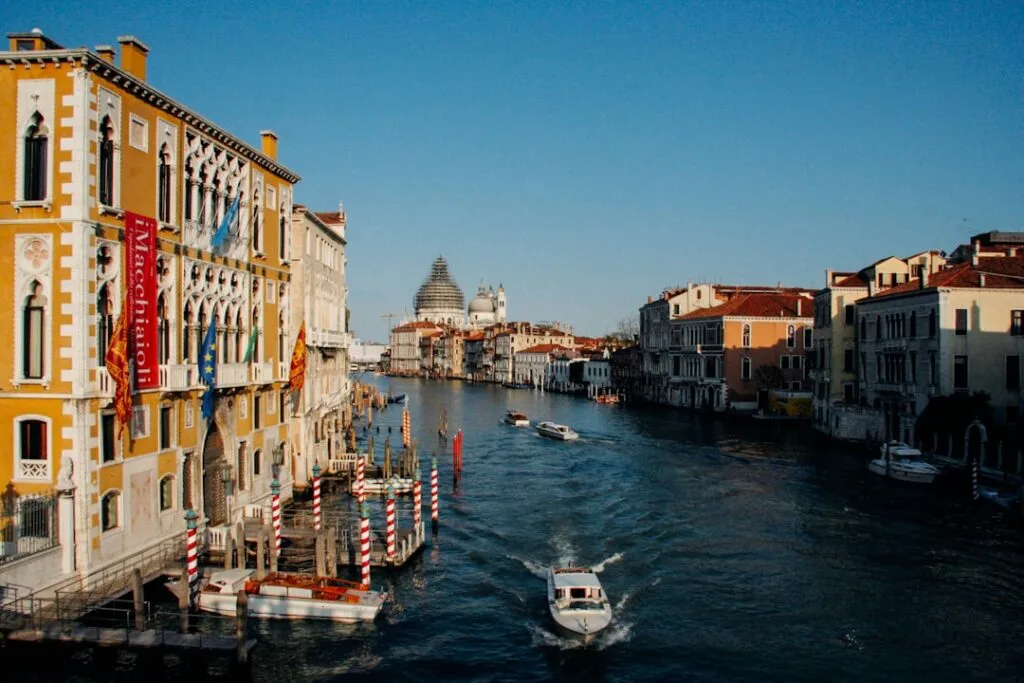
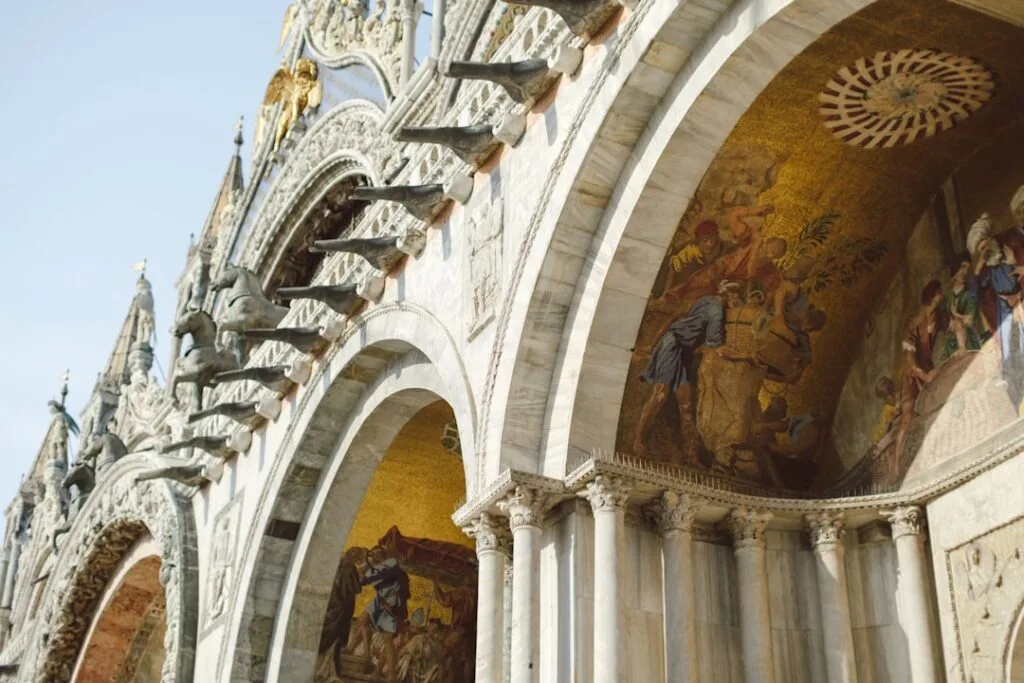
Venice isn’t just an open-air museum or a postcard backdrop: it’s a complex living system where weather, tides, tourist flows and the local calendar combine to shape your experience. Choosing the right month to visit Venice based on rain and crowds means planning around very concrete factors: the chance of acqua alta (flooding), frequency of showers, how packed the alleys and iconic squares will be, and the availability of sites like the Basilica di San Marco or the Palazzo Ducale. A sunny spring day brings out the basilica’s gilding and the reflections on the Grand Canal, while a rainy afternoon in high season can turn St. Mark’s Square into a sea of umbrellas and long waits to get into museums.
 Click here to book your tickets for the Doge’s Palace and St. Mark’s Basilica
With that in mind, this article offers a pragmatic, immersive approach: we’ll go month by month (summarized in each section) over the rain-versus-crowd balance, then highlight specific places to visit depending on the expected weather. You’ll find full monument names, exact addresses, opening-hour pointers and approximate prices in euros (indicative — check when booking), plus practical tips to limit the impact of rain or crowds on your visits.
Venice is small but fickle: a short shower can turn the paving stones glittering and the canals dramatic, and in some seasons the city is nearly emptied by rain, offering rare, intimate scenes. Conversely, a dry, hot month draws bigger crowds, lengthening queues outside the Palazzo Ducale, Piazza San Marco, 1, 30124 Venezia or the Gallerie dell’Accademia, Campo della Carità, 1050, 30123 Venezia. This guide will help you not only choose the best month, but also plan alternative routes, transport tips (vaporetto, water taxi), and culinary and logistical recommendations so rain or crowds won’t ruin your trip.
Understanding Venice’s Weather: Rain, Acqua Alta and the Seasons
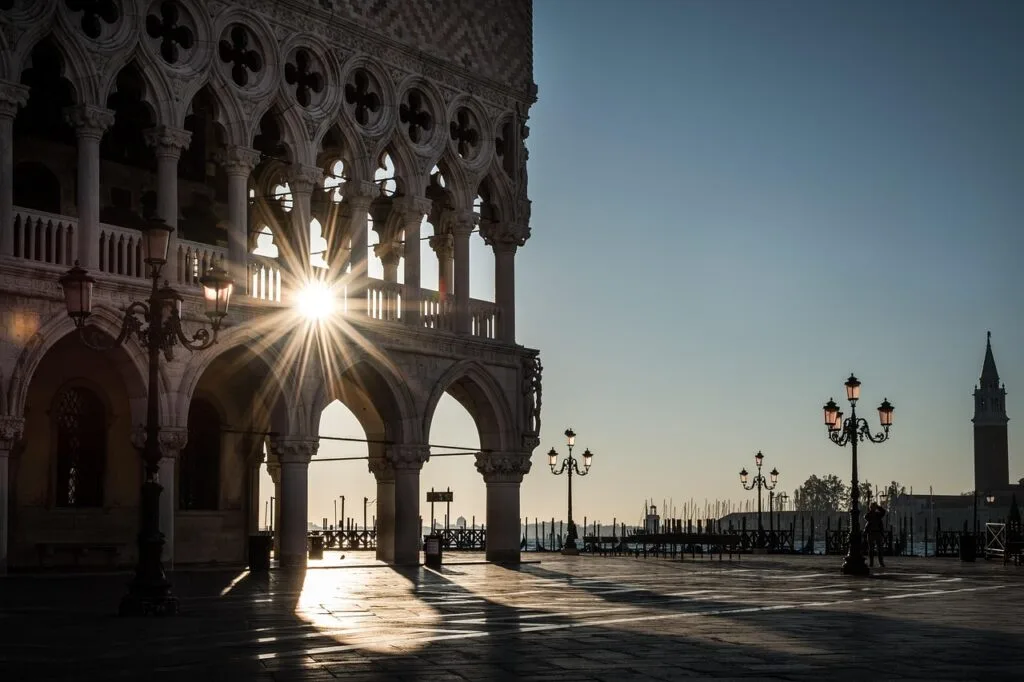
Venice has a Mediterranean-Adriatic climate with pronounced seasonal swings. Rain is generally more frequent in autumn (October–November) and winter (December–January), and the well-known acqua alta — temporary high water — mainly occurs between October and January during spring tides and sirocco wind episodes. The visual impact of a high tide can be striking: St. Mark’s Square (Piazza San Marco), the Basilica di San Marco, Piazza San Marco, 328, 30124 Venezia VE and the promenade along the Bacino di San Marco are sometimes partially submerged, with wooden walkways installed by the municipality.
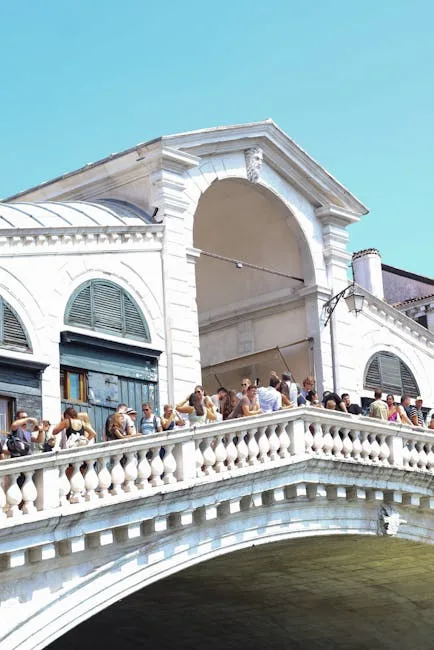
Autumn rains make the alleys cooler and occasionally muddy, but they also thin out the tourist crowds compared with summer. By contrast, summer (June–August) is high tourist season: little rain, high temperatures, long days and massive crowds, especially around the Ponte di Rialto (Rialto Bridge), Sestiere San Polo, 30125 Venezia. Spring (April–May) and early autumn (September) are often the best compromises: milder weather than winter and crowds that remain manageable except around holiday weekends. Note that the Venice Carnival (usually in February) draws huge crowds but offers a unique cultural spectacle if you’re after atmosphere despite the chance of cold and showers.
- Acqua alta: pack rubber boots, check the Venice city website for tide alerts (avvisi di marea).
- Rain: bring a compact umbrella and a waterproof layer, and favor slip-resistant shoes for wet paving stones.
- Seasons: spring and early autumn for moderate rain and smaller crowds; summer for sun and crowds; winter for a quieter vibe but higher flood risk.
Best Months to Avoid Rain: When to Aim to Minimize Showers and Acqua Alta
If avoiding rain and acqua alta is your top priority, target the driest, most stable months. Statistically, the months with the least precipitation and lowest flood risk are July and August, followed by June and September. However, these months coincide with high tourist season, which means longer queues at the Basilica di San Marco and the Palazzo Ducale.
Click here to take a one-hour Grand Canal boat tour
Here are some practical month-by-month recommendations:
- June: generally mild, rare rain. Ideal for long sunset strolls along the Grand Canal. Still bring a light jacket for evenings and book ahead for the Gallerie dell’Accademia, Campo della Carità, 1050, 30123 Venezia (ticket around €12, typically open 8:15–19:15).
- July–August: very little rain but heat and heavy crowds. If you can handle the bustle and want dry weather, this is the time to go; book tours and restaurants in advance. Water taxi prices rise: expect around €100–€150 from Marco Polo airport to the center by water taxi; vaporetto (ACTV) single ticket ~€8 for 75 minutes.
- September: an excellent alternative — still stable weather, warmer sea, and decreasing crowds after the first half of the month. Avoid dates with regattas or local events.
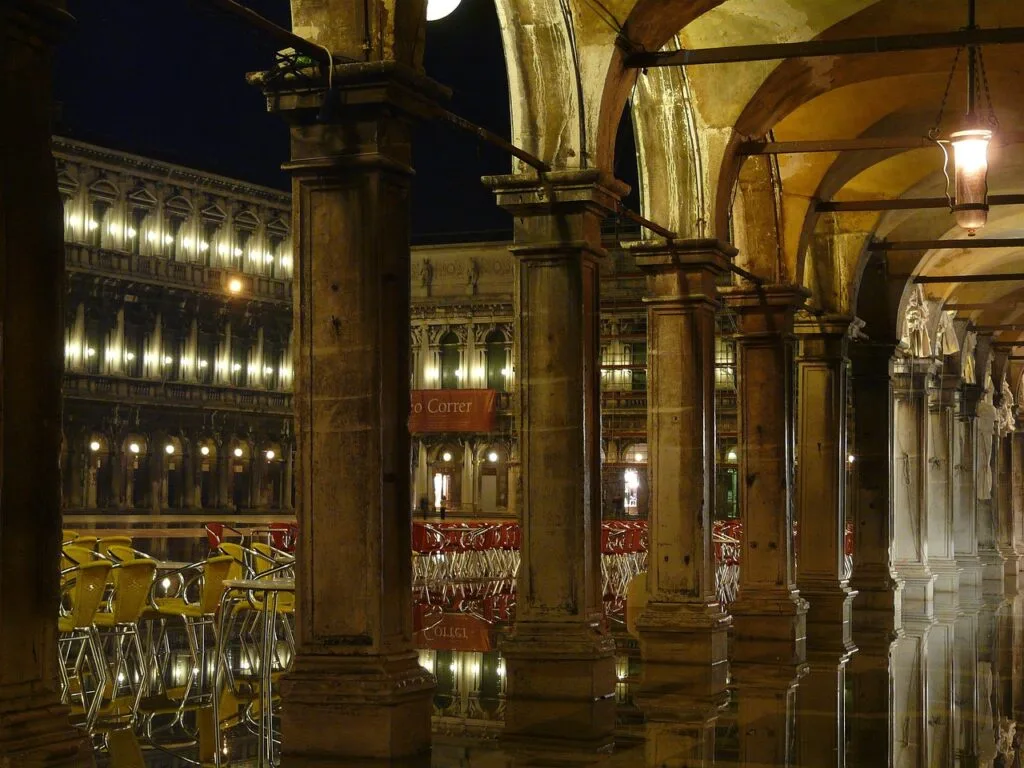
Practical tip: check bulletins from the Protezione Civile and the Comune di Venezia for acqua alta forecasts. Bring a pair of foldable boots and waterproof bags for electronics, and adapt your routes: prioritize indoor museums and palaces (Palazzo Ducale, combined tickets often around €27) on rainy days to stay dry while enjoying the city’s artistic wealth.
Click here to book entry to the Doge’s Palace with audio guide
Best Months for Crowds and Events: When to Choose Calm or Atmosphere
If avoiding crowds is your goal, winter (November to February, excluding Carnival) is the quietest period — but beware: it’s also when flood and rain risks are highest. The city then regains an almost local atmosphere, with cafés like Gran Caffè Lavena, Piazza San Marco, 199, 30124 Venezia much less crowded. Museums such as the Peggy Guggenheim Collection, Palazzo Venier dei Leoni, Dorsoduro 701, 30123 Venezia (open 10:00–18:00, ticket about €15) offer a more peaceful visit.
Click here to book skip-the-line tickets for Peggy Guggenheim
For a festive vibe while accepting the crowds, the Venice Carnival (February) is unique: parades, masks and events all over the city. Book hotels and restaurants well in advance and expect higher prices. The Teatro La Fenice, Campo San Fantin, 1965, 30124 Venezia hosts opera performances and guided tours: shows attract an international audience and sell out quickly, while theater tours usually cost around €10–€15 depending on the season.
Click here to book a guided tour of Teatro La Fenice

Local Practical Tips to Make the Most of Your Stay, Rain or Shine
No matter which month you pick, a few practical rules will greatly improve your experience:
- Bookings and timing: reserve skip-the-line tickets for the Basilica di San Marco (entrance to the basilica is free but access to protected areas and the museum is paid — expect around €5–€7 for the Campanile ascent and €5–€10 for some sections) and the Palazzo Ducale (combined tickets sometimes ~€27). Opening hours change with the season: the Basilica di San Marco often opens around 9:30 and closes around 17:00 (check the official site for exact hours). For the Gallerie dell’Accademia, plan to enter early in the morning to avoid crowds.
- Transport: buy ACTV transport tickets (vaporetto) according to length of stay: 24h/48h/72h — single ticket 75 minutes ~€8, 24h pass ~€25 (indicative prices). Water taxis are faster but pricey (€70–€150 from Marco Polo airport to the center depending on passengers and luggage).
- Clothing: foldable boots for acqua alta, waterproof jacket, slip-resistant shoes. In summer, choose lightweight fabrics and sunscreen; in winter, layer up and include a windbreaker.
- Alternative routes: if it’s raining, head inside churches (Santa Maria della Salute, Punta della Dogana area), museums (Peggy Guggenheim, Palazzo Ducale) and historic cafés. Address for Santa Maria della Salute: Campo S. Maria della Salute, 30123 Venezia. The sacristy and chapels are warm, sheltered spots to explore.
- Restaurants and budget: avoid restaurants on Piazza San Marco for better value. Look for bacari (cicchetti bars) in Dorsoduro or Cannaregio for cheaper options (a cicchetto ≈ €1.50–€3, a glass of wine ≈ €2.50–€4).
Click here to buy the St. Mark’s Pass for basilica and palace
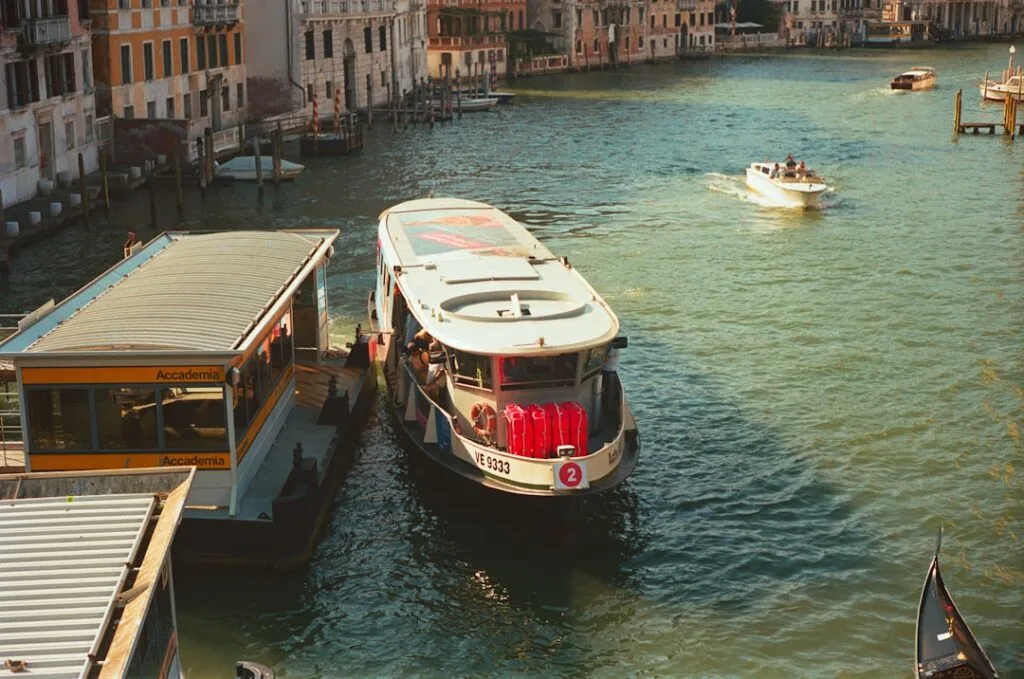
Always carry a small waterproof kit for your documents and devices, and download local weather and tide apps. Finally, adapt your sightseeing: start early in the morning to enjoy major monuments with fewer people, and save rainy afternoons for museum downtime or lingering under arcades with a coffee.
Conclusion: Choose Based on What Matters Most to You
Picking the right month to visit Venice for rain and crowds ultimately comes down to personal priorities. If your aim is to avoid rain at all costs, head for the summer months (June–August), accepting the main trade-offs: heavy crowds, long lines and higher accommodation costs. If you prefer peace and a more intimate experience, winter (outside Carnival) brings calm and local atmosphere, but exposes you to acqua alta risk and shorter, sometimes wet days.
For most travelers, the best compromise remains spring (April–May) or early autumn (September–early October): pleasant weather, moderate crowds and most attractions open. Whatever period you choose, book must-see visits in advance like the Basilica di San Marco, Piazza San Marco, 328, 30124 Venezia VE, the Palazzo Ducale, Piazza San Marco, 1, 30124 Venezia (combined tickets ≈ €27), the Gallerie dell’Accademia, Campo della Carità, 1050, 30123 Venezia (≈ €12) and the Peggy Guggenheim Collection, Palazzo Venier dei Leoni, Dorsoduro 701, 30123 Venezia (≈ €15). Time your visits — early morning reduces waiting and lets you enjoy the light over the Grand Canal.
Finally, adapt to the lagoon’s moods: rain can provide singular visual moments — reflections on the paving stones, intensely colored canals — while dry days offer long, comfortable walks. With good preparation (foldable boots, reservations, the right vaporetto pass) and flexible plans, Venice is a magical destination to discover in all its moods, rain or shine.